Cancer Biology
-

Grant bolsters research on myelodysplastic syndromes
Michael Savona, MD, has received a competitive grant to develop therapies for patients with myelodysplastic syndromes. Read MoreAug 1, 2019
-

“Idling” cancer cells may return
Vanderbilt investigators have discovered that cancer treatment induces an “idling” state for cells, which could promote resistance to treatment. Read MoreApr 11, 2018
-
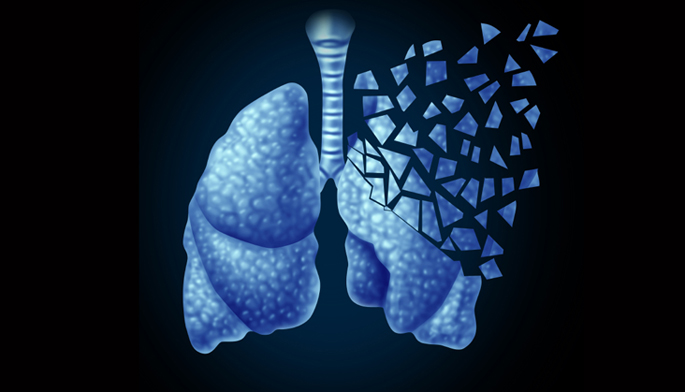
Radiation and pulmonary fibrosis
To develop strategies for preventing radiation-induced lung fibrosis (scarring), Vanderbilt investigators are exploring the cell types and factors that contribute to the fibrotic response. Read MoreNov 15, 2017
-

Boosting sarcoma cell death
A compound identified at Vanderbilt represents a new lead for treating rare, aggressive childhood cancers called Ewing sarcomas. Read MoreOct 4, 2017
-

Stress may switch on bone “mets”
New findings could explain the link between chronic stress and reduced survival in women diagnosed with breast cancer, and could lead to new strategies to improve treatment outcomes. Read MoreAug 9, 2017
-
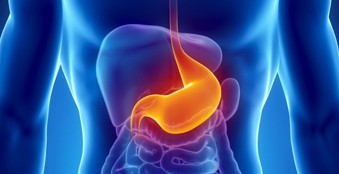
Early drivers of gastric cancer
Using bioinformatics approaches, Vanderbilt investigators have identified gene expression networks that are deregulated in mouse and human stomach cancers. Read MoreAug 8, 2017
-
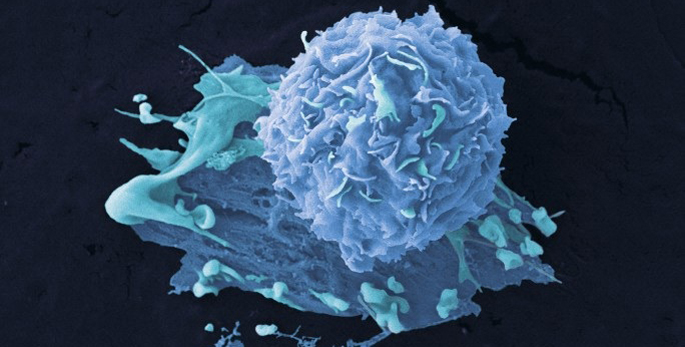
Drivers of breast cancer metastasis
Signaling through a complex of proteins called mTORC2 plays a role in breast cancer migration, invasion and metastasis, Vanderbilt researchers reported. Read MoreJul 20, 2017
-

Vanderbilt’s Christine Lovly elected to American Society for Clinical Investigation
Christine Lovly, Christine Lovly, M.D., Ph.D., assistant professor of Medicine and Cancer Biology at Vanderbilt University Medical Center (VUMC), has been elected to The American Society for Clinical Investigation (ASCI). The ASCI is an elite honor society of physician-scientists. The Society, founded in 1908,… Read MoreApr 24, 2017
-
Blocking neuroblastoma cell growth
An inhibitor of cell metabolism may be a good therapeutic target for neuroblastoma, which accounts for about 15 percent of pediatric cancer-related deaths. Read MoreMar 22, 2017
-
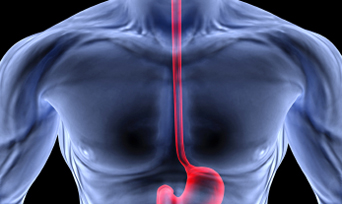
Esophageal cancer complexities
New findings that reveal complex interactions in esophageal adenocarcinoma could lead to diagnostic, prognostic or therapeutic biomarkers. Read MoreMar 16, 2017
-
Melanoma study finds new way to enhance targeted therapies
With the help of a drug formerly used to treat HIV/AIDS, researchers at Vanderbilt University Medical Center (VUMC) have found a way to make melanoma cells more vulnerable to targeted anti-cancer therapy. Read MoreMar 9, 2017
-

Investigators seek new way to define cell identity
Vanderbilt researchers hope their new method to describe cells will be widely adopted and used to generate a “Who’s Who” database of cell types. Read MoreMar 2, 2017
-
Improving therapies for GI tumors
A signaling protein overexpressed in upper gastrointestinal cancers is an attractive therapeutic target. Read MoreFeb 20, 2017
-
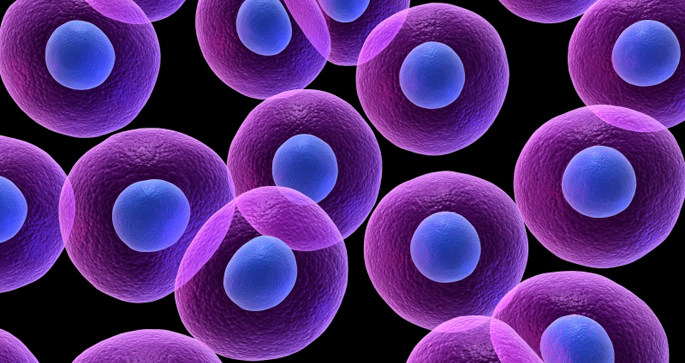
Single-cell analysis of solid tumors
A new method will make it possible to study solid tumors and healthy tissues using mass cytometry. Read MoreDec 12, 2016
-
Links between immune cells and metabolism explored
At the intersection of immunology and metabolism is a burgeoning new field: immunometabolism. It’s an area where Vanderbilt has exceptional strengths, said Jeffrey Rathmell, Ph.D., Cornelius Vanderbilt Professor of Immunobiology. Read MoreNov 10, 2016
-
A DARPP role in gastric cancer
Vanderbilt researchers have discovered a link between Helicobacter pylori infection, inflammation and gastric cancer that could suggest new anti-cancer therapies. Read MoreNov 3, 2016
-

EGF receptor found to regulate macrophage inflammation in gut
Researchers at Vanderbilt University School of Medicine have uncovered a link between epidermal growth factor receptor (EGFR) signaling and the inflammatory response to bacterial infection in the gastrointestinal tract. Read MoreOct 13, 2016
-

In search of new cancer targets
Vanderbilt researchers developed a new algorithm to find clinically targetable gene rearrangements in cancers. Read MoreSep 9, 2016
-

Proliferative capacity of neuroblastoma
The sphere-forming frequency of neuroblastoma cells is a measure of their proliferative capacity and could help guide treatment strategies for neuroblastoma. Read MoreAug 31, 2016
-
New breast cancer driver
Vanderbilt investigators have demonstrated that a certain protein complex drives tumor progression in aggressive breast cancers. Read MoreAug 26, 2016