Burroughs Wellcome Fund
-

‘Molecular Muse’ exhibit features Artist-in-Residence program’s science-inspired art
The “Molecular Muse” art exhibit on display in Light Hall is a sampling of pieces from the Vanderbilt Institute for Infection, Immunology, and Inflammation Artist-in-Residence (VI4-AiR) program, which brings together scientists and artists to create and promote art as a visual science communication tool. Read MoreJan 16, 2024
-

Byndloss selected for Burroughs Wellcome Fund infectious disease award
Vanderbilt's Mariana Byndloss, DVM, PhD, is one of eight Burroughs Wellcome Fund 2023 Investigators in the Pathogenesis of Infectious Disease. Read MoreJun 7, 2023
-

Grant helps expand VI4’s Artist-in-Residence program
An innovative Vanderbilt program that brings together scientists and artists with the shared goal of scientific communication is set to expand with support from a three-year grant from the Burroughs Wellcome Fund. Read MoreOct 29, 2020
-

Tailoring treatment for heart defect
By defining the clinical and genetic factors that predict treatment response, Vanderbilt investigators aim to personalize therapy for a common heart complication in preterm infants. Read MoreSep 23, 2019
-

Burroughs Wellcome Fund award expands opportunities for physician-scientists
Vanderbilt University has received a five-year, $2.5-million Physician Scientist Institutional Award from the Burroughs Wellcome Fund to help bolster the dwindling number of active physician-scientists in the United States. Read MoreJun 21, 2018
-
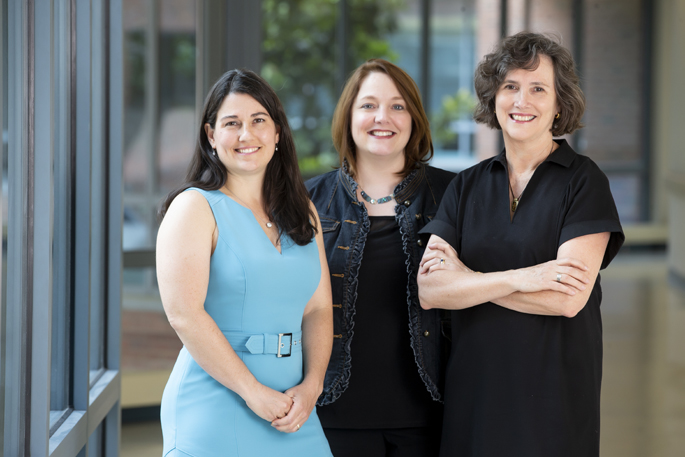
New BRET course offers introduction to data science
From left, Ashley Brady, PhD, Kim Petrie, PhD, and Kathy Gould, PhD, have been awarded a grant from the Burroughs Wellcome Fund to offer a new career development ASPIRE Module focused on data science. (photo by Joe Howell) Biomedical science trainees at Vanderbilt have a new career exploration option starting… Read MoreJun 21, 2018
-

New imaging approach offers unprecedented views of staph infection
A new integrated imaging approach makes it possible to probe the molecules involved in invasive infections and can be broadly applied to any health or disease state. Read MoreMar 15, 2018
-

Risk of death in sickle cell disease
Two factors commonly used to evaluate patients with sickle cell disease are associated with each other and can predict increased mortality, Vanderbilt researchers have discovered. Read MoreFeb 22, 2017
-

Building the basement membrane
Vanderbilt researchers have discovered steps in the regulation of a key enzyme that builds the basement membrane, a structure that undergirds nearly all animal tissues. Read MoreNov 21, 2016
-
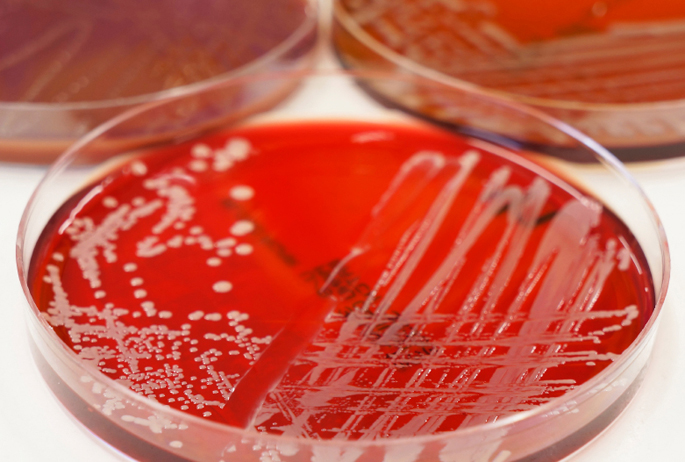
Detect and defend against pathogens
Understanding factors, such as the receptor TLR9, that detect and defend against pathogens may lead to therapeutic approaches that promote an effective immune response to treat infections. Read MoreNov 4, 2015
-
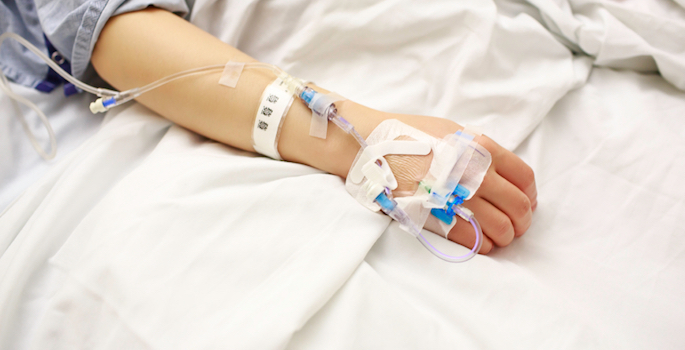
Study identifies C. diff toxin receptor, suggests new treatment approaches
Vanderbilt University investigators have identified a cellular receptor for a toxin from Clostridium difficile (“C. diff”) — the leading cause of hospital-acquired diarrhea in the United States. Read MoreJun 4, 2015
-

Cassat lands Burroughs Wellcome Fund award
James Cassat, M.D., Ph.D., assistant professor of Pediatrics and Pathology, Microbiology and Immunology, has received a Burroughs Wellcome Fund (BWF) Career Award for Medical Scientists. Read MoreJul 31, 2014
-
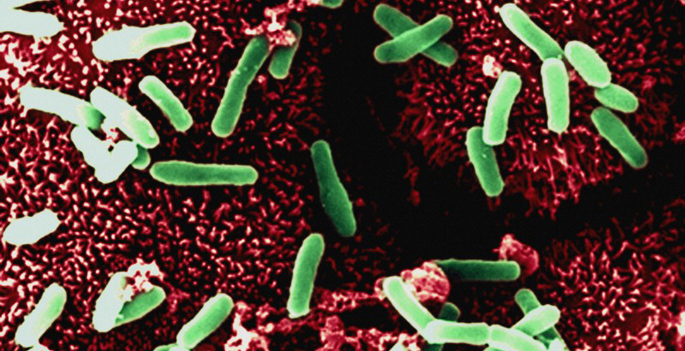
Defusing ‘C. diff’ infection
Clostridium difficile on the intestinal lining. (Wellcome Images) Clostridium difficile (“C. diff”) infection is a leading cause of hospital-associated diarrhea, and the frequency and severity of infections are on the rise. D. Borden Lacy, Ph.D., associate professor of Pathology, Microbiology and Immunology, and colleagues recently demonstrated that the C. Read MoreNov 8, 2013
-

Burroughs Wellcome Fund lauds Bhave’s research
Gautam Bhave, M.D., Ph.D., assistant professor of Medicine, is receiving the Burroughs Wellcome Fund 2013 Career Award for Medical Scientists (CAMS) for his research on the role of peridoxasin and protein halogenation in diabetic nephropathy. Read MoreAug 22, 2013
-

‘Snooze button’ on biological clocks improves cell adaptability
(iStock) The circadian clocks that control and influence dozens of basic biological processes have an unexpected “snooze button” that helps cells adapt to changes in their environment. A study by Vanderbilt University researchers published online Feb. 17 by the journal Nature provides compelling new evidence that at least some species… Read MoreFeb 17, 2013
-
Zinc: a new antibiotic target?
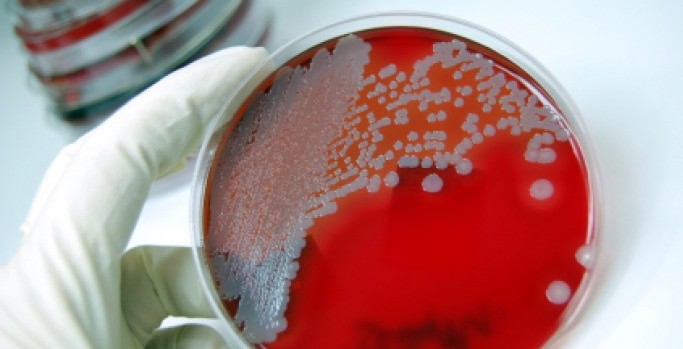
It may be possible to fight hospital-acquired pathogens like Acinetobacter baumannii by targeting the bacterium’s need for the nutrient metal zinc. Read MoreJan 17, 2013
-
On the tail of RSV infection mechanism
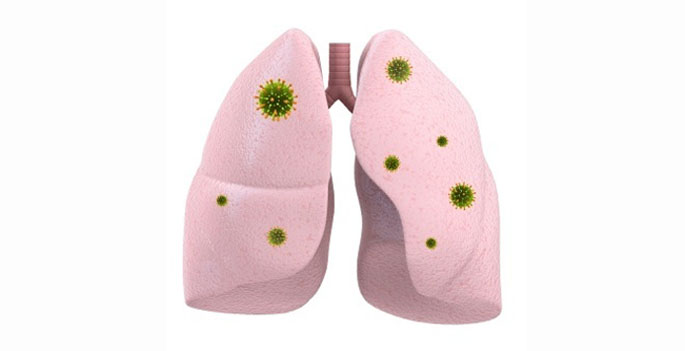
New details about the life cycle of respiratory syncytial virus (RSV) could aid the development of therapies to combat this leading cause of serious illness in infants and the elderly. Read MoreFeb 15, 2012