Biomedical Engineering
-

Nanobeacon lights up colon tumors
A novel fluorescent nanobeacon can distinguish normal from diseased colon tissue, potentially offering advantages for colorectal cancer screening. Read MoreMar 30, 2017
-
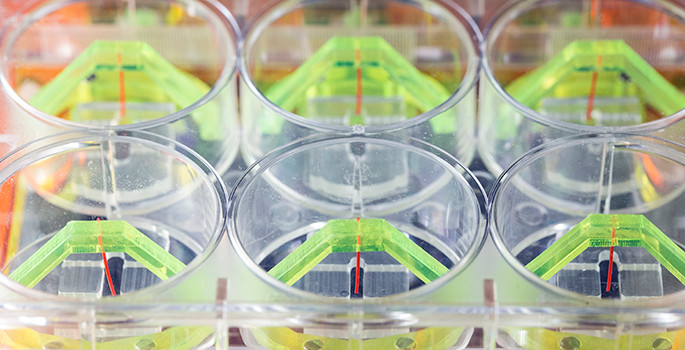
Organ-on-a-chip mimics heart’s biomechanical properties
Scientists at Vanderbilt University have created a three-dimensional organ-on-a-chip that can mimic the heart’s amazing biomechanical properties in order to study cardiac disease, develop heart drugs. Read MoreFeb 22, 2017
-
Detecting inflammatory bowel disease during a colonoscopy
Vanderbilt researchers have developed a new optical sensor that can accurately detect different types of inflammatory bowel disease and can be easily integrated into routine colonoscopy exams. Read MoreFeb 1, 2017
-
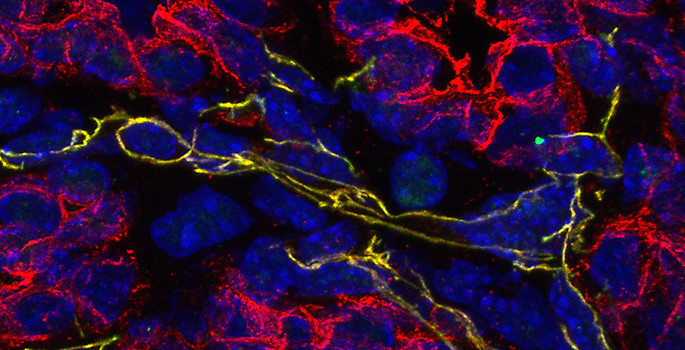
Softening tumor tissue could aid cancer treatments
Tumors cause the intracellular material surrounding them to stiffen. Softening this protective layer could make existing cancer treatments more effective, according to new research. Read MoreJan 16, 2017
-
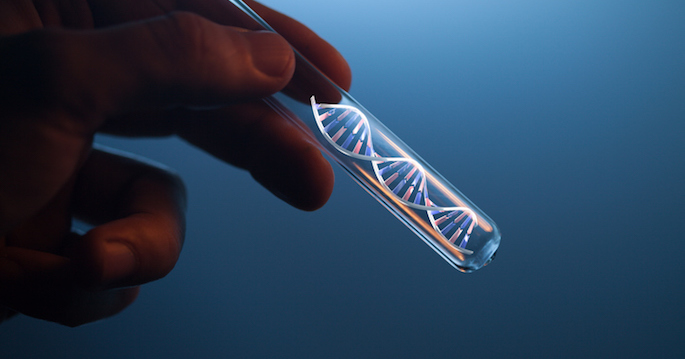
DNA duplicator small enough to hold in your hand
Vanderbilt engineers have developed a new method for duplicating DNA that makes devices small enough to hold in your hand that are capable of identifying infectious agents before symptoms appear. Read MoreJan 11, 2017
-
Improving wound healing
Vanderbilt researchers have shown that an injectable material improves wound healing and may be useful for large skin wounds such as those in patients with diabetes. Read MoreNov 8, 2016
-
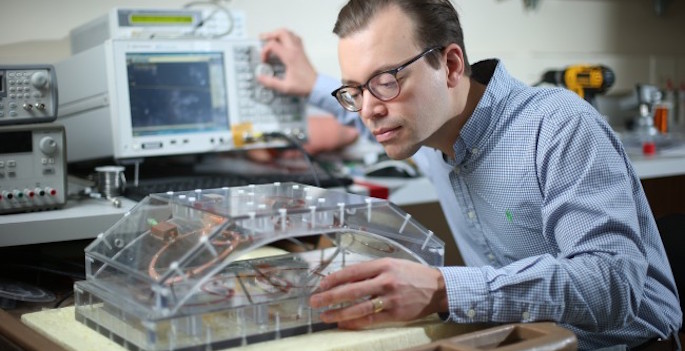
Open-source instructions for focused ultrasound provide cancer research boost
Vanderbilt University’s William Grissom and Charles Caskey are throwing open doors with a do-it-yourself, open-source software and hardware guide to enabling existing imaging machines with focused ultrasound technology. Read MoreJun 30, 2016
-

VUMC’s Chekmenev elected to Russian Academy of Sciences
Vanderbilt researcher Eduard Chekmenev, Ph.D., has been elected to the Russian Academy of Sciences (RAS) for his efforts to develop imaging markers for cancer and lung disease using hyperpolarized magnetic resonance imaging (MRI). Read MoreMar 3, 2016
-
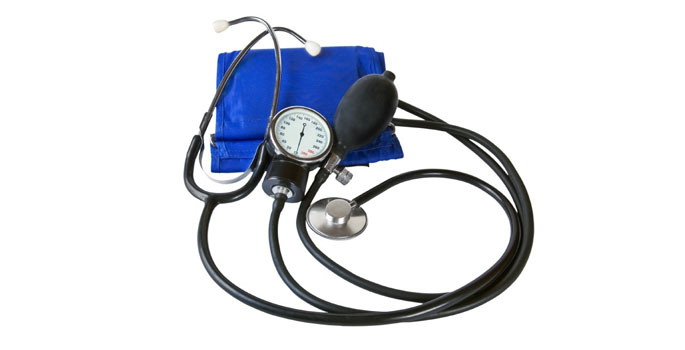
Hypertension hiatus
New findings offer a potential strategy for preventing heritable pulmonary arterial hypertension. Read MoreFeb 23, 2016
-

Wound-healing scaffolds
The elasticity of a scaffold used for healing skin wounds is a key factor in promoting regeneration versus scarring. Read MoreJan 27, 2016
-
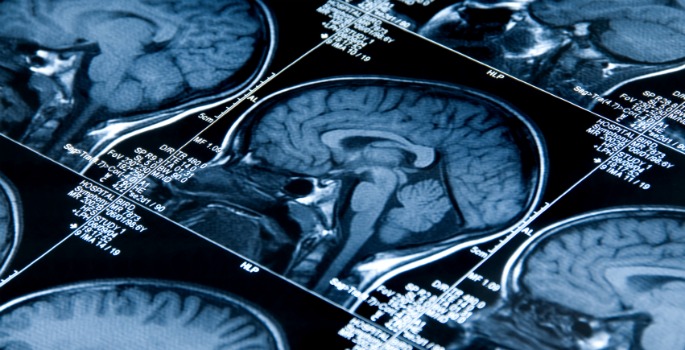
Using MRI to assess myelin health
Vanderbilt investigators report an improved model for estimating brain health, using MRI. Read MoreJan 25, 2016
-

VU-invented wireless ECG system receives FDA approval
A wireless electrocardiogram (ECG) system invented at Vanderbilt University and marketed by a Nashville company, InvisionHeart, has received U.S. Food and Drug Administration (FDA) approval. Read MoreOct 22, 2015
-
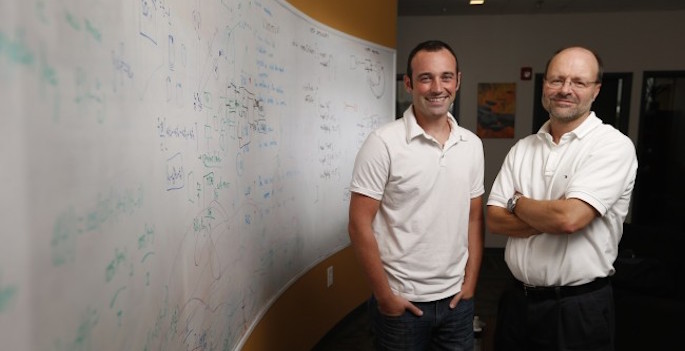
VenoStent, PinPtr edge closer to market with boost from $200K AIR-TT grants
Two innovative but very different products designed by Vanderbilt University engineers are getting a financial push onto the market, thanks to National Science Foundation Accelerating Innovation Research–Technology Translation (AIR-TT) grants of about $200,000 each. Read MoreOct 1, 2015
-

Media advisory: Area Girl Scouts to earn ‘Engineering Day’ patches at Vanderbilt workshop Oct. 3
Area Girl Scouts will have the opportunity to earn their “Engineering Day” patches at an event hosted by Vanderbilt University engineering students on Saturday, Oct. 3. Read MoreOct 1, 2015
-
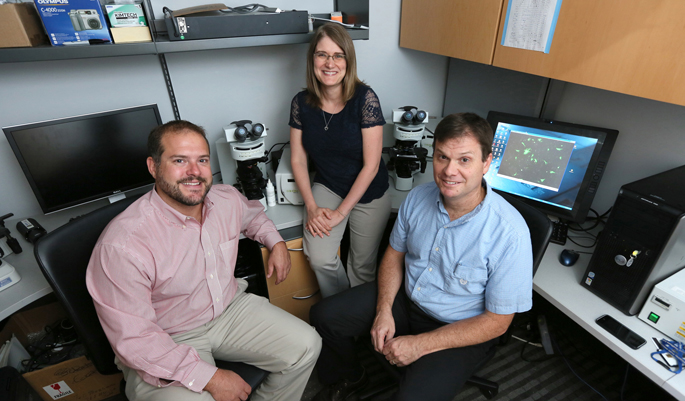
Team to explore using nanoparticles to fight cancer
Three Vanderbilt researchers have received a federal grant to study the use of nanoparticles to deliver potential therapies for breast cancer that has spread to the bone. Read MoreSep 24, 2015
-
Delivering cells for heart repair
A polymer hydrogel material developed by Vanderbilt scientists improved the delivery of stem cells for heart repair. Read MoreJul 10, 2015
-
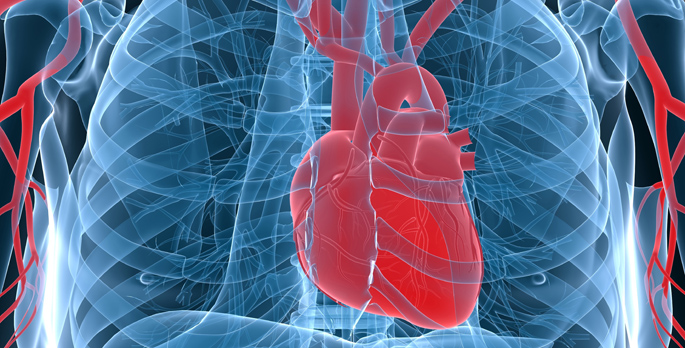
New nanoparticle enhances success rate of coronary artery bypass grafts
A team of Vanderbilt University Medical Center surgeons and biomedical engineers has developed a nanoparticle delivery system that may significantly improve the success rate of coronary artery bypass grafts. Read MoreJun 18, 2015
-

Micelle “packets” deliver cancer drugs
Vanderbilt researchers designed micelle “packets” to selectively deliver anti-cancer drugs to breast cancer cells. Read MoreApr 8, 2015
-
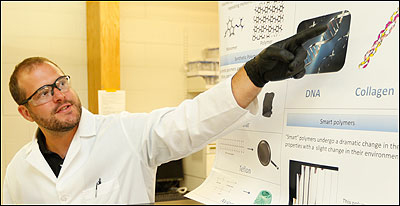
Duvall to receive 2015 Society for Biomaterials Young Investigator Award for regenerative medicine research
Assistant Professor of Biomedical Engineering Craig L. Duvall has received a Society for Biomaterials 2015 Young Investigator Award for his achievements in the field of biomaterials research within 10 years of receiving his doctorate. Read MoreJan 22, 2015
-

Coffee-ring diagnostic offers hope in poorest regions
Using the same mechanism that causes evaporating coffee to leave a ring behind, an interdisciplinary team of Vanderbilt researchers is designing a simple blood test to diagnose malaria in the developing world without electricity or special training. Read MoreDec 3, 2014