Autism
-

VUMC lands grant to join CDC autism surveillance network
Vanderbilt University Medical Center has received a $1.8 million grant from the Centers for Disease Control and Prevention (CDC) to join the Autism and Developmental Disabilities Monitoring (ADDM) Network. Read MoreFeb 5, 2015
-
Altered dopamine signaling may offer a clue to autism
Newly discovered genetic variations linked to autism spectrum disorder (ASD) disrupt the function of the dopamine transporter, suggesting that altered dopamine signaling contributes to this common developmental condition, according to a Vanderbilt University-led research team. Read MoreJan 29, 2015
-
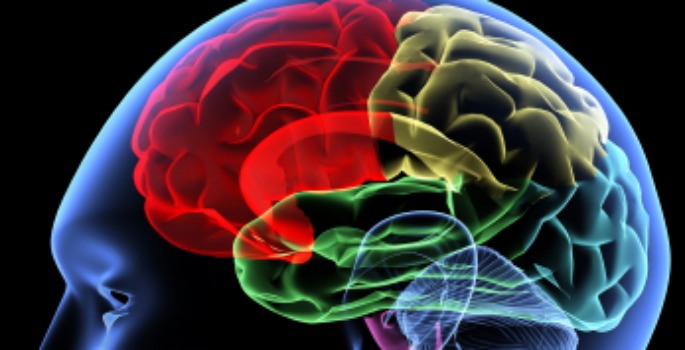
Brain study sheds light on how children with autism process social play
Brain scans confirm significant differences in play behavior, brain activation patterns and stress levels in children with autism spectrum disorder (ASD) as compared with typically developing children. In a first-of-its-kind study, researchers at Vanderbilt University examined social play exchanges on multiple levels, revealing associations among brain… Read MoreJan 26, 2015
-

Mindfulness training for parents of children with ASD studied
Amy Weitlauf, Ph.D., assistant professor of Pediatrics, will be leading a study among parents of children with autism spectrum disorder (ASD) to examine the effectiveness of mindfulness training as part of early interventions for children with ASD. Read MoreOct 30, 2014
-
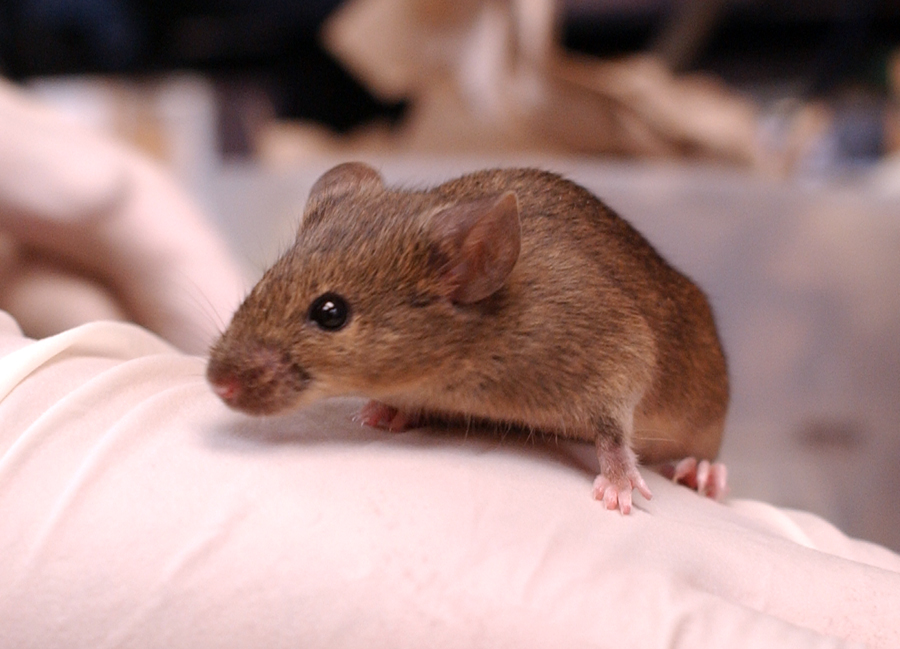
‘Darting’ mice may hold clues to ADHD, autism and bipolar disorder
The transgenic mouse, into which was inserted a rare human genetic variation in the dopamine transporter, could lead to improvements in the diagnosis and treatment of these all-too-common brain disorders. Read MoreOct 23, 2014
-
Foundation grants bolster autism, dystonia research
Vanderbilt University researchers have received multi-year grants from two private foundations to investigate key signaling proteins that could lead to novel treatments for autism spectrum disorder (ASD) and dystonia, a movement disorder. Read MoreSep 4, 2014
-
VKC debuts interdisciplinary research lecture series Sept. 3
The Vanderbilt Kennedy Center is launching is a new educational series that will focus on the complexities of conducting interdisciplinary research and clinical trials that involve behavioral, environmental and pharmaceutical interventions. Read MoreAug 28, 2014
-

Vanderbilt enrolling children with autism in medication-related weight gain study
Vanderbilt University is one of four sites in the United States and Canada to enroll children with autism in a study to examine weight gain commonly experienced while taking antipsychotic medication. Read MoreAug 15, 2014
-
Sanders named TRIAD’s new medical director
Kevin Sanders, M.D., assistant professor of Psychiatry and Pediatrics, has been named medical director for the Treatment and Research Institute for Autism Spectrum Disorders (TRIAD). Read MoreJul 31, 2014
-
Behavior-focused therapies help children with autism: study
Vanderbilt researchers this week reported updated findings regarding the benefits of behavior-focused therapies for children with autism spectrum disorder (ASD). Read MoreJul 26, 2014
-

Mothers of children with autism benefit from peer-led intervention: study
Peer-led interventions that target parental well-being can significantly reduce stress, depression and anxiety in mothers of children with disabilities. Read MoreJul 21, 2014
-
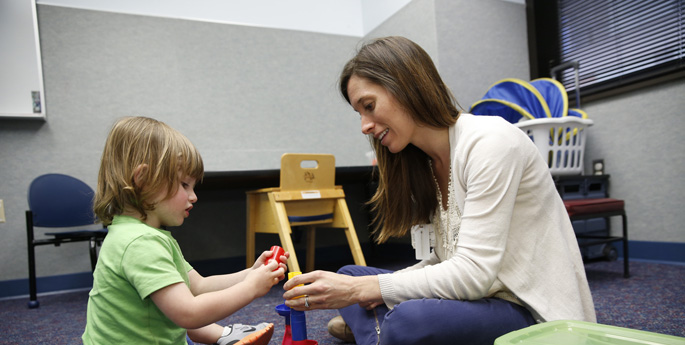
Preschool program for children with autism set to open
A preschool program for children ages 18-36 months with autism or suspected autism is opening in mid-July at the Vanderbilt Bill Wilkerson Center (BWC), with plans to expand to children ages 3-5 in the near future. Read MoreMay 8, 2014
-
Tennessee, Vanderbilt launch novel autism intervention program
iStock Vanderbilt University’s Treatment and Research Institute for Autism Spectrum Disorders (TRIAD) and the Tennessee Department of Education are partnering to bring a novel intervention program to families of young children with autism in Middle Tennessee. Called the Early Start Denver Model (ESDM), this new intervention… Read MoreApr 15, 2014
-
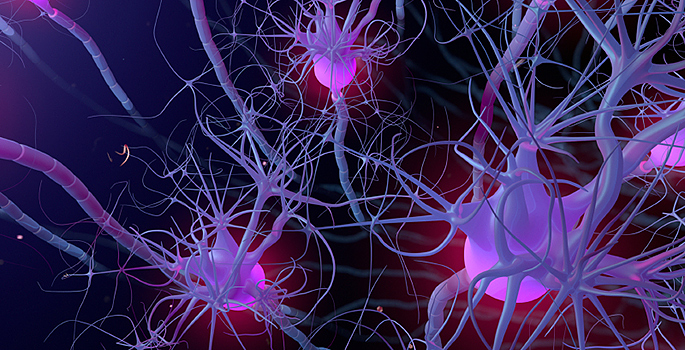
‘Missing link’ may spur new brain disorder drugs
Researchers at the Scripps Research Institute in San Diego and Vanderbilt University have discovered a “missing link” in the structure of a transmembrane receptor that could lead to new treatments for autism, schizophrenia, Parkinson’s disease and Alzheimer’s disease. Read MoreMar 13, 2014
-
Autism Speaks grant boosts Rett syndrome research
Colleen Niswender, Ph.D., research associate professor of Pharmacology, has received a three-year, $450,000 grant from the autism science and advocacy organization Autism Speaks to support studies investigating a possible new treatment for Rett syndrome. Read MoreJan 23, 2014
-

Employment may improve autism symptoms: study
More independent work environments may lead to reductions in autism symptoms and improve daily living in adults with the disorder, according to a new study released in the Journal of Autism and Developmental Disorders. Read MoreJan 16, 2014
-
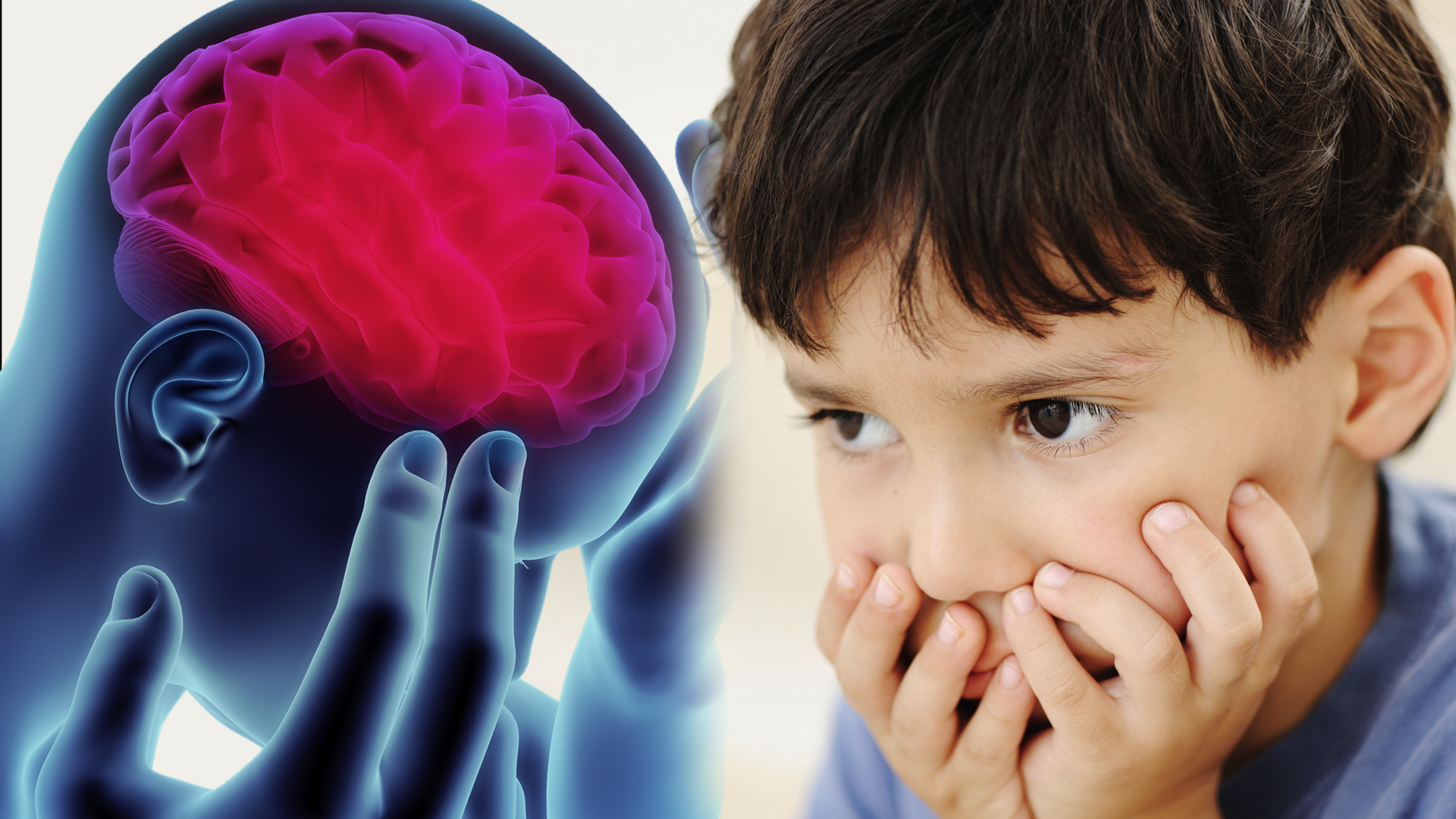
Groundbreaking study finds children with autism hear and see out of sync
It’s like a poorly dubbed film – the words heard don’t match up with the video seen. Vanderbilt researchers report (Journal of Neuroscience) that this out-of-sync issue then cascades into additional problems for children with autism spectrum disorder. Reseachers believe this new finding will help develop treatments for children with… Read MoreJan 15, 2014
-
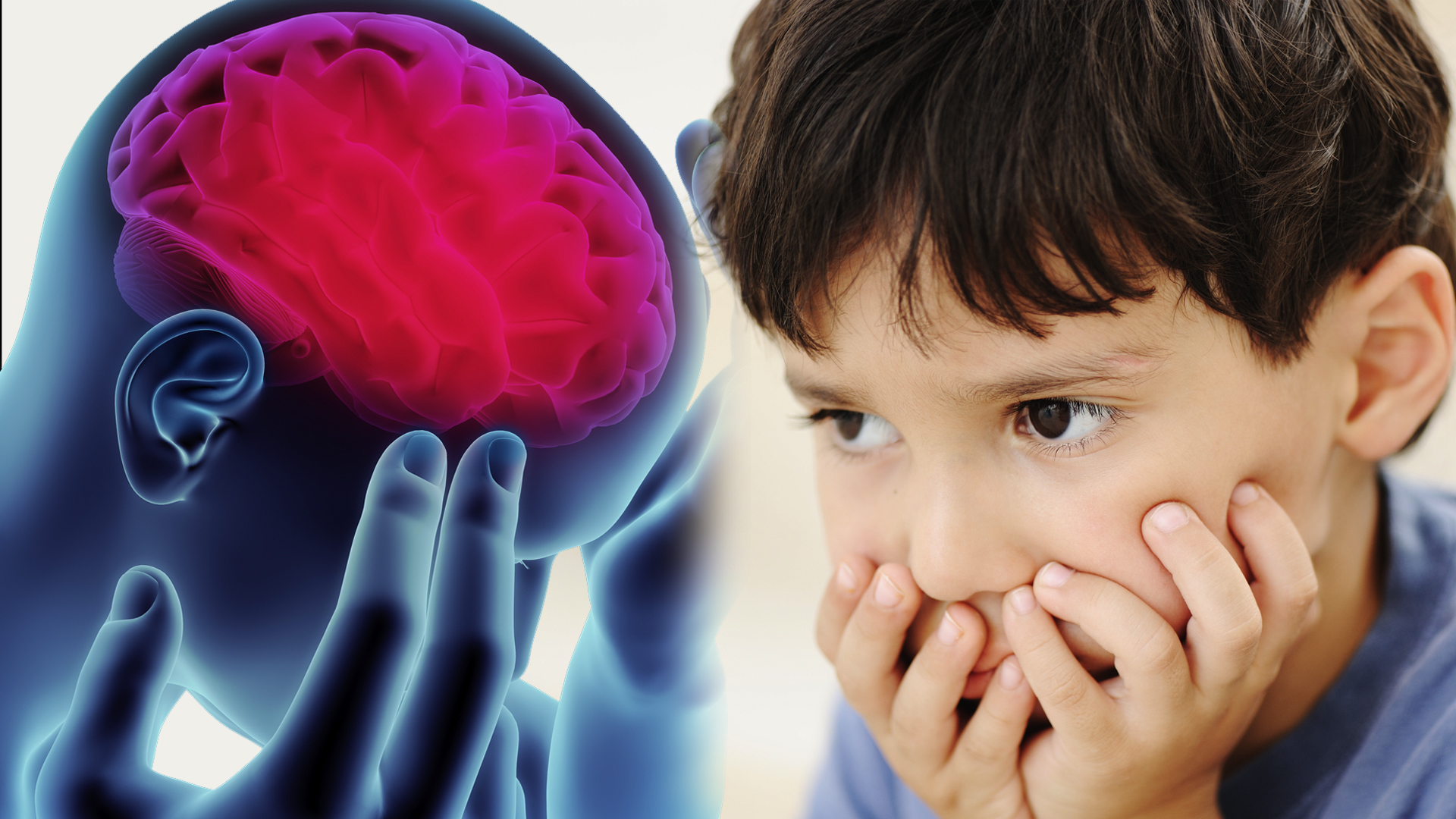
VUCast: Autism communication breakthrough
In the latest VUCast: What people with autism see may not match what they hear; how “supersizing” could help you lose weight; and hear what earned a Vanderbilt astronomer a Grammy nomination. Watch now. Read MoreJan 14, 2014
-

Vanderbilt study reveals senses of sight and sound separated in children with autism
Children with autism spectrum disorders have trouble integrating simultaneous information from their eyes and their ears--as if they experience the world like a badly-dubbed movie. Read MoreJan 14, 2014
-

Employment may lead to improvement in autism symptoms
More independent work environments may lead to reductions in autism symptoms and improve daily living in adults with the disorder, according to a Vanderbilt study released in the Journal of Autism and Developmental Disorders. Read MoreJan 9, 2014