Astronomy
-
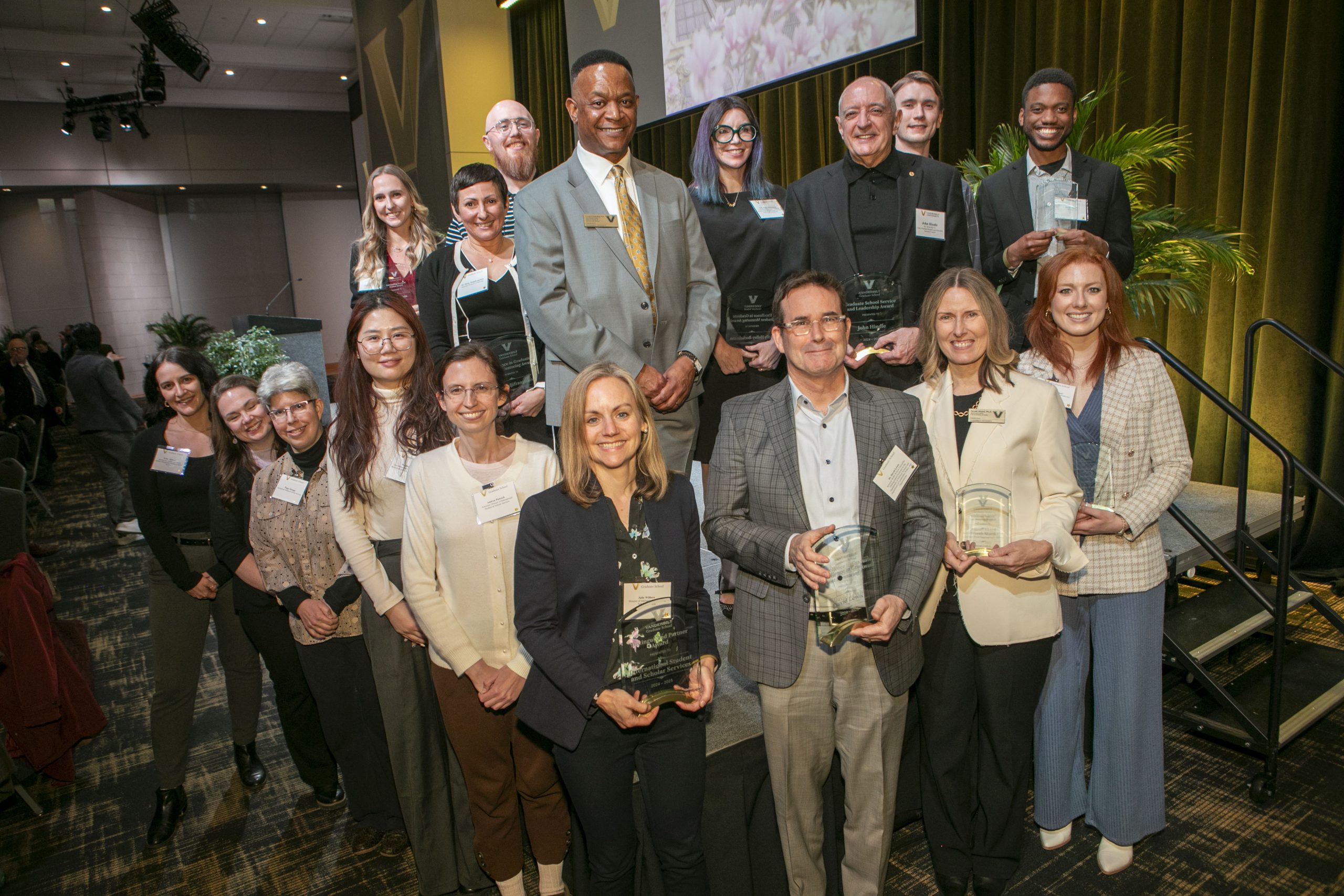
Graduate School recognizes excellence among students, faculty at Honors Banquet
The third annual Honors Banquet commemorated excellence in academics, leadership and innovation among Graduate School students and faculty. On March 20, the banquet was held to honor and reflect on remarkable achievements in research and creative expression from the more than 50 graduate programs and departments represented in the Graduate School. Read MoreApr 14, 2025
-
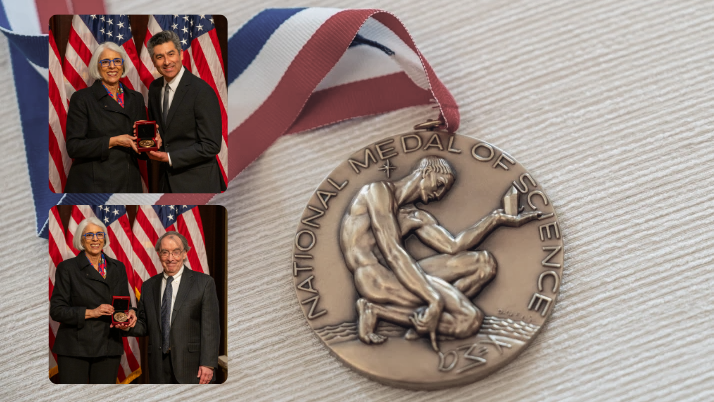
White House awards Bartels and Stassun 2024 National Medal of Science
Larry Bartels and Keivan Stassun were among the 23 recipients of 2024 National Medal of Science and the National Medal of Technology and Innovation—the nation’s highest honors for exemplary achievement and leadership in science and technology. Both received their medals from President Joe Biden during a White House ceremony on Jan. 3. Read MoreJan 8, 2025
-

White House awards Bartels and Stassun 2024 National Medal of Science
Larry Bartels and Keivan Stassun were among the 23 recipients of the 2024 National Medal of Science and the National Medal of Technology and Innovation—the nation’s highest honors for exemplary achievement and leadership in science and technology. Both... Read MoreJan 7, 2025
-
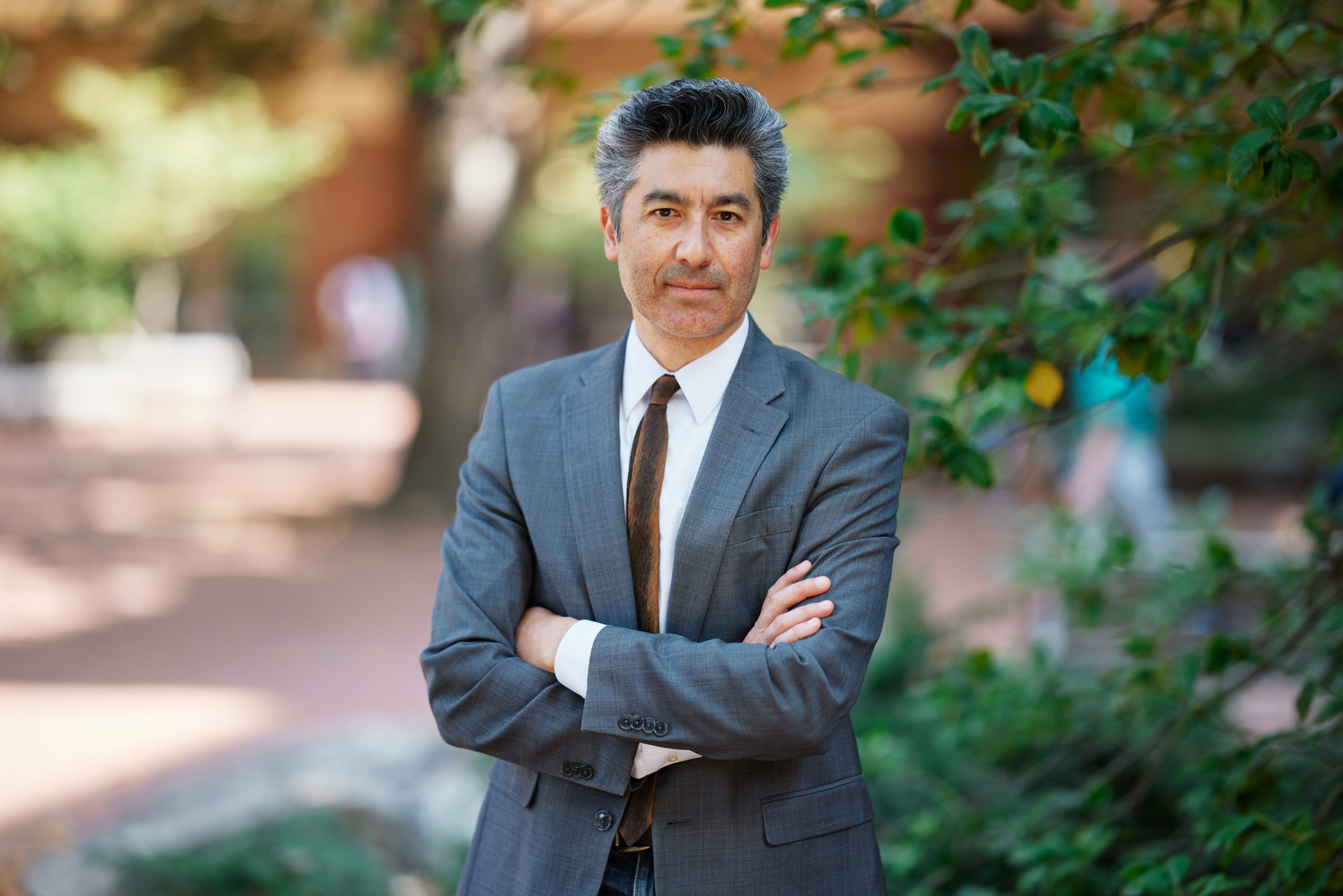
Vanderbilt’s Keivan Stassun named 2024 MacArthur fellow
Stassun, who is also a founding co-director the Fisk-Vanderbilt Master’s-to-Ph.D. Bridge Program, was among the 2024 MacArthur fellows announced on Tuesday, Oct. 1. The fellowship, which is awarded by the John D. and Catherine T. MacArthur Foundation, aims to identify extraordinarily creative individuals with a track record of excellence in a field of scholarship or area of practice. Recipients also demonstrate the ability to affect society in significant and beneficial ways through their pioneering work or the rigor of their contributions, according to the foundation. Read MoreOct 2, 2024
-
The physicist who wants to build a telescope bigger than Earth
Vanderbilt professor Alex Lupsasca plans to extend Earth's largest telescope network beyond the atmosphere with a space-based dish. It could spot part of a black hole we've never seen before – and perhaps discover new physics. Read MoreJul 17, 2024
-
Vanderbilt Dyer Observatory launches 2024 season with a new look
Vanderbilt Dyer Observatory welcomes astronomy enthusiasts to its 2024 season, marked this year by the unveiling of a new logo. Read MoreMar 22, 2024
-
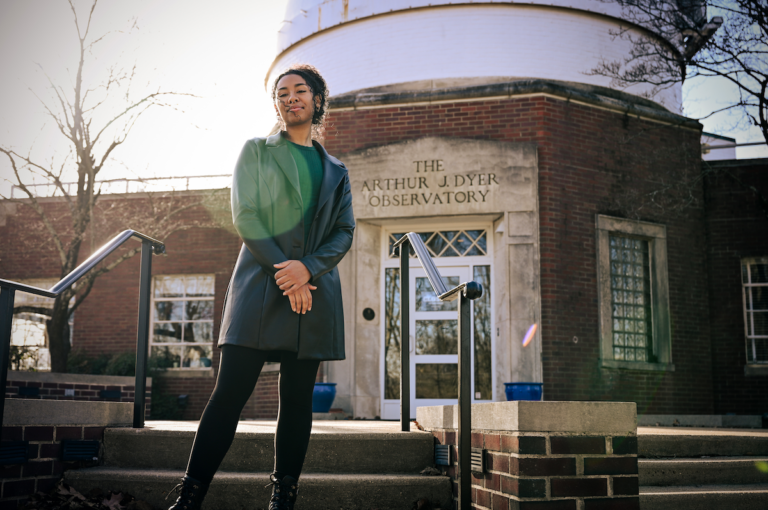
Bridging the gap: Combining music and astrophysics to improve representation in science
Vanderbilt graduate student Shaniya Jarrett created a community outreach project that introduces Black girls to astronomy by incorporating music. AstroBeats: Sounds of the Cosmos brings together local middle-school Black girls to translate NASA data into unique musical compositions, teaching the importance of thinking creatively about how to interpret scientific data. Read MoreFeb 29, 2024
-
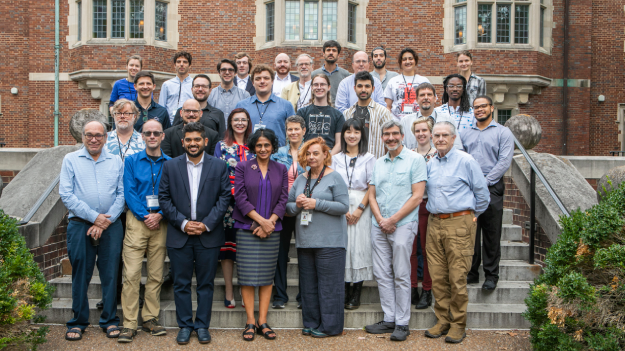
Vanderbilt hosts first international meeting to plan space-time observatory on the moon
Vanderbilt hosts first international lunar gravitational wave workshop, including a Nobel laureate, a NASA administrator, leading astrophysicists and more, to identify opportunities and resources to continue exploring our universe. Read MoreOct 23, 2023
-
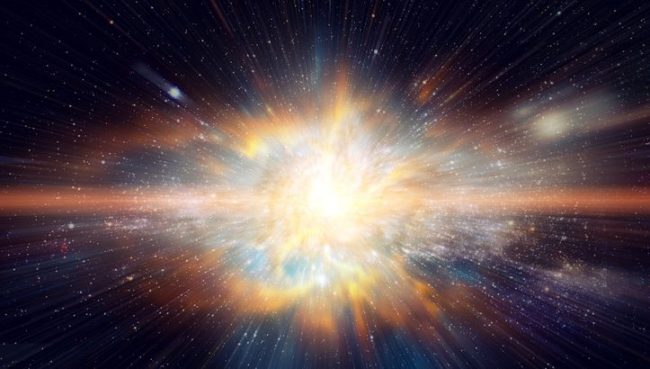
International collaboration including Vanderbilt astrophysicists discover ‘forbidden planet’
Aging stars expand and eventually destroy planets in their inner systems. Or do they? A team of researchers that includes Keivan Stassun finds evidence of a planet that survived its star’s transformation, and that is reshaping our understanding of planetary and stellar evolution. Read MoreJul 17, 2023
-

Keivan Stassun appointed to National Science Board by President Joe Biden
Keivan Stassun, Stevenson Professor of Physics and Astronomy and director of the Frist Center for Autism and Innovation at Vanderbilt University, has been appointed to the National Science Board by President Joe Biden. Read MoreJan 26, 2023
-
Here’s how a Vanderbilt astrophysicist plans to observe a black hole ‘symphony’ using gravitational wave astronomy
New research led by Vanderbilt astrophysicist Karan Jani presents a compelling roadmap for capturing intermediate-mass black hole activity. Read MoreNov 18, 2019
-

Rare study of Earth-sized planet uses technique pioneered by Vanderbilt professor
A groundbreaking study, using data from NASA and a technique pioneered by a Vanderbilt professor, is giving humankind a glimpse at a distant exoplanet with a size similar to Earth and a surface which may resemble Mercury or Earth’s Moon. Located nearly 49 light-years from Earth, the planet known… Read MoreAug 19, 2019
-

Consider the Martians: Scientists need to confirm whether life exists on Mars before sending humans
Before we go further and send humans to Mars, we need to know if doing so could trigger the extinction of existing life on the planet, writes Professor of Astronomy David Weintraub. Read MoreSep 6, 2018
-
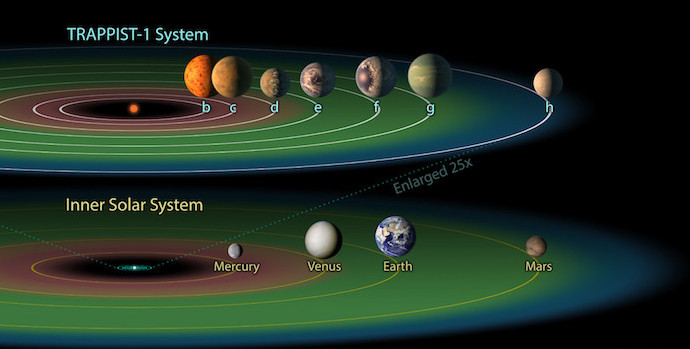
Planets orbiting TRAPPIST-1 star provide clues to the nature of habitable worlds
The newly discovered planets appear to have too much water to sustain life but provide hints at what sorts of planets might do so. Read MoreMar 20, 2018
-
Better way to weigh millions of solitary stars
Astronomers have come up with a new and improved method for measuring the masses of millions of solitary stars, especially those with planetary systems. Read MoreDec 14, 2017
-
Filling the early universe with knots can explain why the world is three-dimensional
Filling the universe with knots shortly after it popped into existence 13.8 billion years ago provides a neat explanation for why we inhabit a three-dimensional world. That is the basic idea advanced by an out-of-the-box theory developed by an international team of physicists. Read MoreOct 13, 2017
-
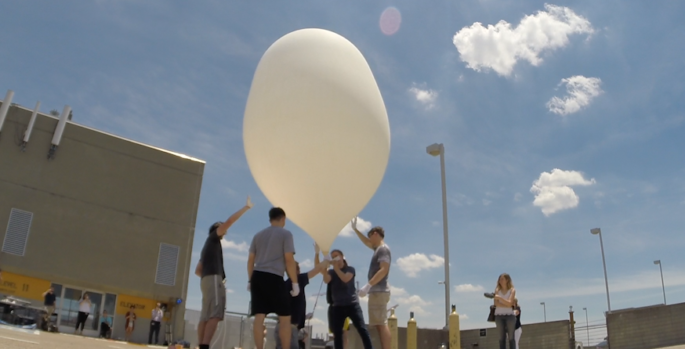
Racing the eclipse, School of Engineering weather balloon sends striking video
A high-altitude weather balloon rose yesterday from a Vanderbilt garage rooftop to the edge of space to live-stream the eclipse from above Nashville and record the temporary atmospheric changes it caused. Read MoreAug 24, 2017
-
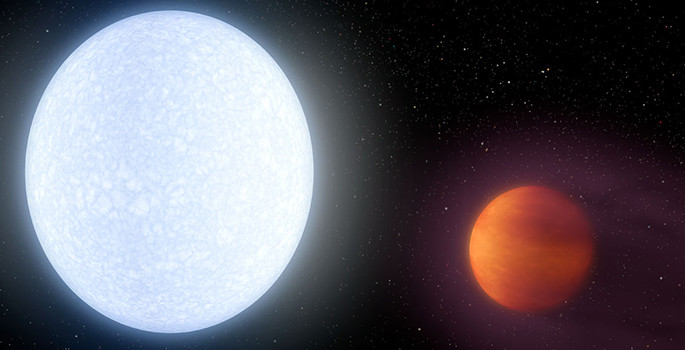
Astronomers discover exoplanet hotter than most stars
Astronomers at Vanderbilt and Ohio State have discovered a planet like Jupiter zipping around its host star every day, boiling at temperatures hotter than most stars with a giant cometary tail. Read MoreJun 5, 2017
-
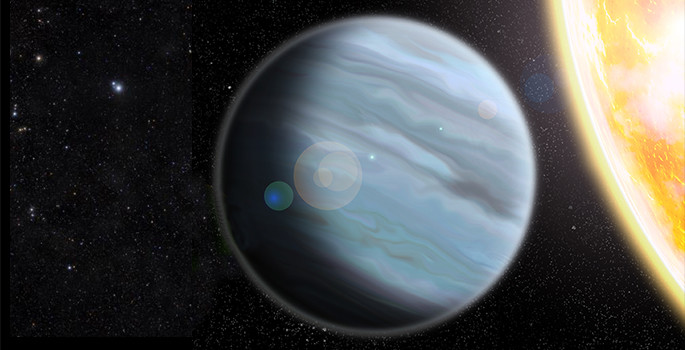
Puffy planet provides opportunity for testing alien worlds for signs of life
Astronomers from Vanderbilt, Lehigh and Ohio State universities have discovered a “puffy planet" with the density of Styrofoam that is an excellent test-bed for probing exoplanets for signs of life. Read MoreMay 18, 2017
-
Meet the Astronomer: Dr. Keivan Stassun
During this talk, Dr. Keivan Stassun summarizes the promise of the TESS mission for detecting other worlds like our own and identifying other places in the universe where life just might be possible. This talk took place at Vanderbilt Dyer Observatory on March 3rd, 2017. Read MoreMar 3, 2017