American Heart Association
-

VUSN faculty honored with advocacy award, fellowships
Three Vanderbilt School of Nursing faculty members were recently recognized for excellence across various nursing disciplines with fellow designations and major awards. Read MoreApr 26, 2024
-
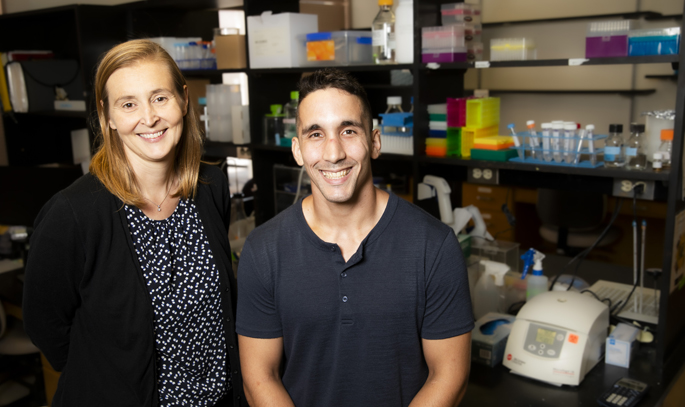
MicroRNAs in immune cells help protect against metabolic defects in obesity: study
Vanderbilt researchers have demonstrated that a cluster of microRNAs — small pieces of RNA that regulate gene expression — work in a type of immune cells called macrophages to help protect against metabolic defects in obesity. Read MoreSep 5, 2023
-
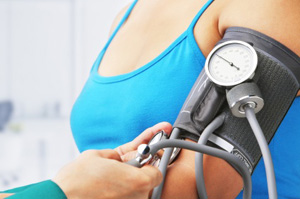
High blood pressure may accelerate bone aging according to new study led by Vanderbilt biomedical engineering graduate student
When high blood pressure was induced in young mice, they had bone loss and osteoporosis-related bone damage comparable to older mice, according to new research presented at the American Heart Association’s Hypertension Scientific Sessions 2022 conference. Read MoreSep 7, 2022
-

Study identifies key player in T cell “education”
New Vanderbilt research could inform therapeutic strategies for enhancing thymic function when desired — such as during aging, recovery from radiation therapy or chemotherapy, or other conditions that reduce T cell output. Read MoreSep 1, 2022
-
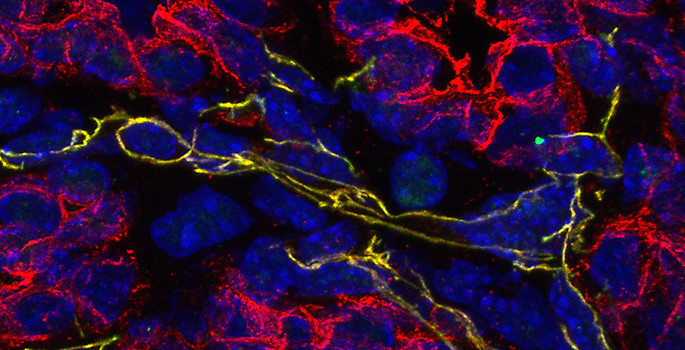
Research Snapshot: Researchers create algorithm to help predict cancer risk associated with tumor variants
Vanderbilt researchers have developed an active machine learning approach to predict the effects of tumor variants of unknown significance, or VUS, on sensitivity to chemotherapy. Characterizing VUS can maximize clinical care and precision medicine for each patient. Read MoreAug 9, 2022
-

Studies combine genetic testing, electronic health records to find undiagnosed diseases
Combining genetic testing with information from electronic health records revealed undiagnosed heart rhythm disorders and new conditions associated with inherited cancer gene mutations. Read MoreApr 28, 2022
-
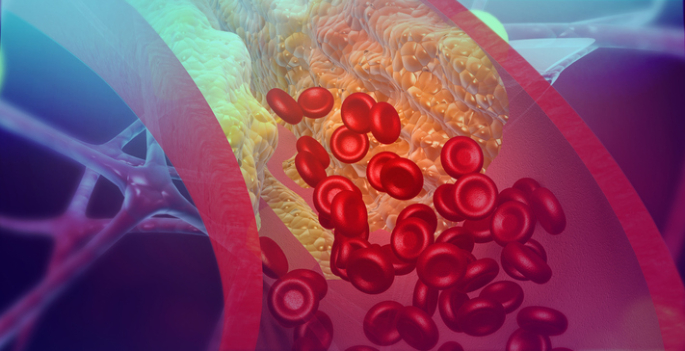
Vitamin D impact on disease biomarkers
In a randomized controlled trial, vitamin D supplementation did not improve biomarkers for cardiovascular and metabolic disease. Read MoreAug 10, 2021
-
Probing statin-associated diseases with genetics
Vanderbilt researchers used genetics tools and biobanks with linked electronic health records to explore the associations between statins and noncardiovascular diseases. Read MoreJul 12, 2021
-
Heat for hypertension in autonomic failure
Heat therapy could offer a novel nonpharmacologic approach for treating the overnight hypertension that affects patients with autonomic failure. Read MoreMay 25, 2021
-
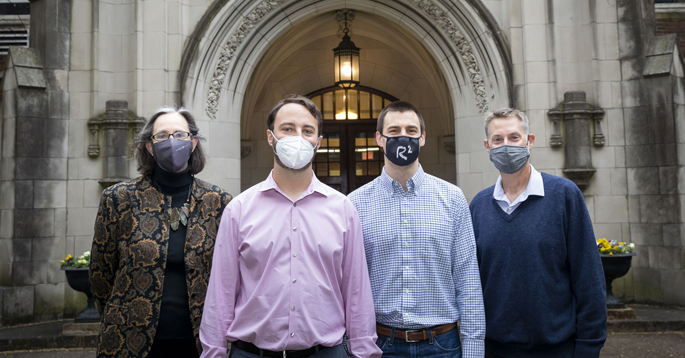
Study revises understanding of cancer metabolism
Tumors consume glucose at high rates, but a team of Vanderbilt researchers has discovered that cancer cells themselves are not the culprit, upending models of cancer metabolism that have been developed and refined over the last 100 years. Read MoreApr 7, 2021
-
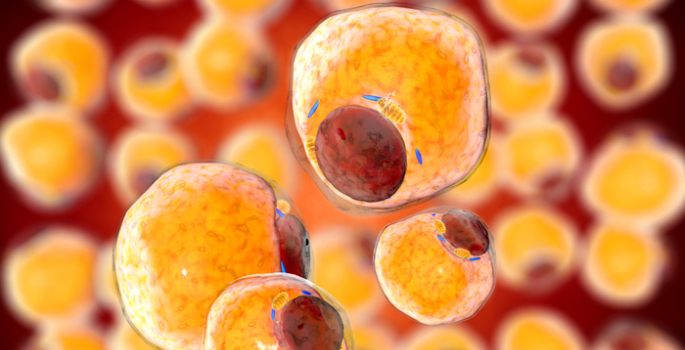
HIV, diabetes and immune cells in fat
In HIV-positive individuals with diabetes, immune cells in fat are more proinflammatory and cytotoxic and may represent a therapeutic target for diabetes. Read MoreMar 18, 2021
-

Gene variant and glucose metabolism
Genetic variation that impacts glucose- and insulin-related signaling affects responses to type 2 diabetes treatments and warrants further study. Read MoreFeb 18, 2021
-

Mitochondrial stress and hypertension
Oxidative stress and toxic products called isolevuglandins in mitochondria play a role in endothelial dysfunction and hypertension — and getting rid of them with a special “scavenger” molecule has therapeutic potential. Read MoreJan 12, 2021
-
Depression and the brain-age gap
Older depressed adults show accelerated brain aging, according to a new study from Vanderbilt researchers, who suggest that the effects of depression may speed the decline in cognitive functions in older individuals. Read MoreOct 19, 2020
-
Salt, immune cells and hypertension
Excess dietary salt activates immune cells to induce inflammation and hypertension, supporting current recommendations for low sodium consumption. Read MoreAug 20, 2020
-
Soy food, metabolism and the microbiome
Consumption of soy foods may shape the microbiome and protect against hypertension only in individuals with soy-responsive microbiota, Vanderbilt researchers have discovered. Read MoreJul 27, 2020
-

“Nur” target may aid arthritis treatment
Vanderbilt immunologists have discovered that the protein Nur77 is part of a control mechanism that guards against autoimmunity in natural killer T cells. Read MoreJul 13, 2020
-

‘Tuning’ cell shape for division
Dylan Burnette and colleagues have discovered that two forms of the molecular motor protein myosin have distinct roles in regulating cell shape during cell division. Read MoreApr 20, 2020
-

Protein interactions and brain function
Roger Colbran and colleagues have discovered new molecular details about the function of an enzyme with a key role in shaping learning and memory. Read MoreFeb 20, 2020
-
Zinc uptake by a deadly pathogen
The increasingly antibiotic-resistant bacterium Acinetobacter baumannii requires zinc to cause infection, and Vanderbilt researchers have identified the zinc uptake system it uses. Read MoreJan 13, 2020