Aliquots
-
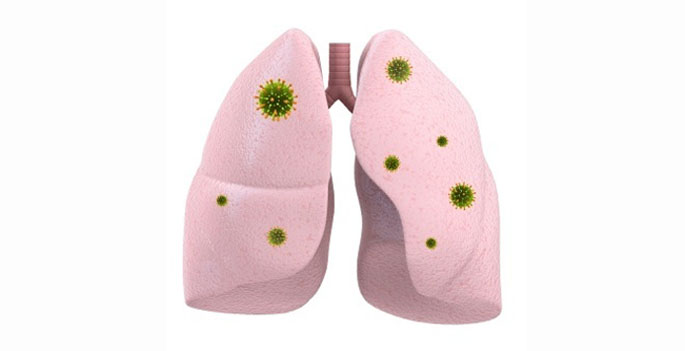
On the tail of RSV infection mechanism
New details about the life cycle of respiratory syncytial virus (RSV) could aid the development of therapies to combat this leading cause of serious illness in infants and the elderly. Read MoreFeb 15, 2012
-

Matchmaker for clinical studies
ResearchMatch.org is a web-based registry that is connecting participants and researchers for clinical studies. Read MoreFeb 8, 2012
-
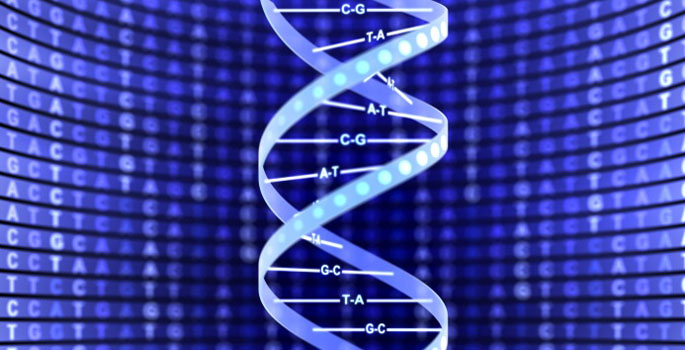
Tool finds connections in genome data
A new analytical tool points to genes that act together to increase disease risk. Read MoreFeb 8, 2012
-
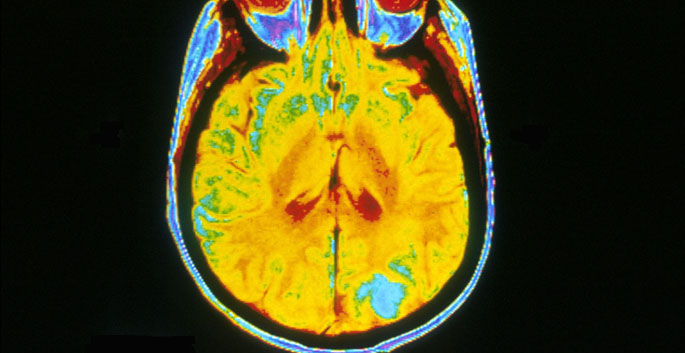
Treatment window for genetic disorder
Treatment with a drug used to prevent organ rejection partially reverses the course of tuberous sclerosis, research in mice suggests. Read MoreFeb 1, 2012
-
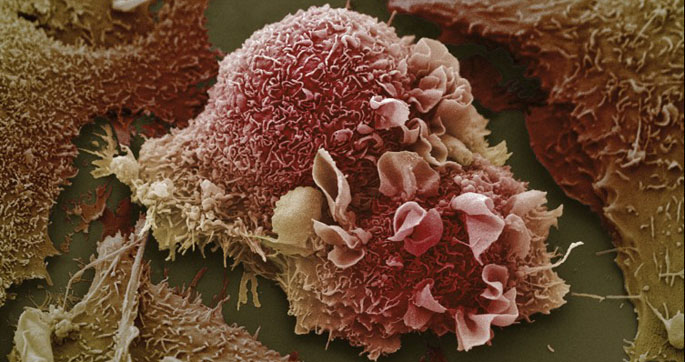
Drugs reverse lung cancer cell changes
Drugs that target “epigenetic” changes may help treat or slow the progression of lung cancer. Read MoreFeb 1, 2012
-

Protein repairs esophageal DNA damage
A protein involved in repairing DNA damage associated with gastric reflux may play a tumor suppressor role in the esophagus and could represent a target for therapies to combat esophageal cancer. Read MoreJan 25, 2012
-

Alcohol’s molecular mediators
Therapeutic agents focusing on the brain region involved in stress-induced relapse may be effective in preventing relapse in patients with alcohol use disorders. Read MoreJan 23, 2012
-

Pumping up the pancreas in pregnancy
A strain of mutant mice provide a novel model for studying glucose intolerance and gestational diabetes during pregnancy and suggest that certain molecules may be useful for therapeutic applications. Read MoreJan 20, 2012
-

Obesity genes linked to uterine cancer
In addition to body mass index, genetic markers of obesity may provide value in predicting endometrial cancer risk. Read MoreJan 20, 2012
-

Fishing for heart attack repair tools
Managing myocardial infarction – and the resulting heart failure – remains a clinical challenge. To search for chemicals that can stimulate cardiac muscle cell production, Vanderbilt Institute of Chemical Biology investigators led by Tao Zhong, Ph.D., Terri Ni, Ph.D., and Eric Rellinger, M.D., turned to a novel drug discovery tool:… Read MoreJan 5, 2012
-
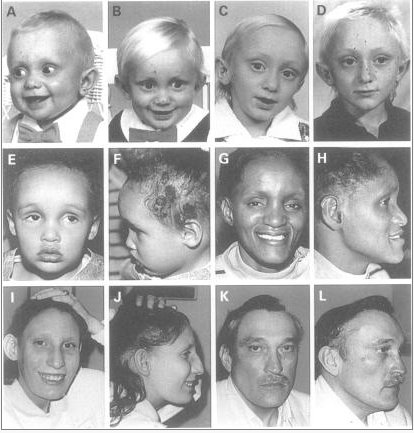
Clues to flattened faces
Images of individuals with Alagille syndrome (National Institutes of Health) Mutations in the Jagged1 gene cause Alagille syndrome, an inherited disorder that affects the liver, heart, kidneys and facial structure. Patients with Alagille syndrome often have a prominent forehead, a flattened midface and a prominent chin; some have a cleft… Read MoreJan 5, 2012
-

Meds’ benefits differ in dialysis patients
About half of kidney patients will die from heart disease within five years of starting dialysis, yet patients with kidney failure are rarely included in heart disease research. Jorge Gamboa, M.D., T. Alp Ikizler, M.D., and Nancy Brown, M.D., completed a small study that suggests a more personalized approach to… Read MoreJan 5, 2012
-

Green tea totals colorectal cancer
Tea and its phytochemical constituents have demonstrated anti-cancer properties in cell and animal experiments – particularly green tea, which has higher levels of antioxidant polyphenols than other types of tea. iStockphoto.com Gong Yang, M.D., MPH, and colleagues evaluated the association between green tea consumption and colorectal cancer risk in participants… Read MoreJan 5, 2012
-
Clues to skeletal form in ‘feelgood’ fish
Ela Knapik, associate professor of medicine, and colleagues are using zebrafish to explore the molecular and cellular mechanisms that cause birth defects of the face and skeleton. Read MoreDec 16, 2011
-
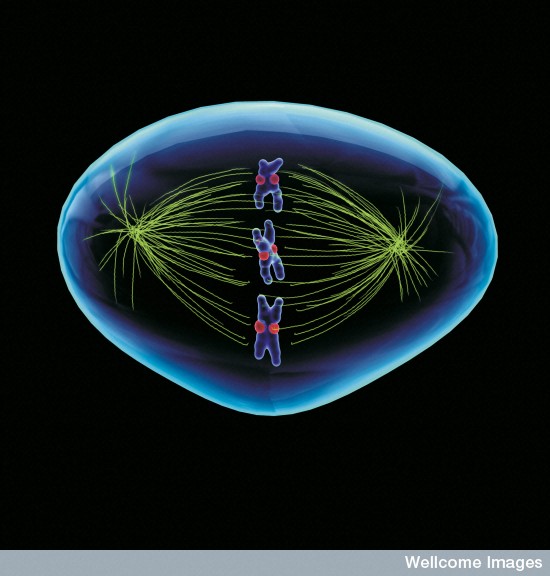
Divvying up chromosomes
(Benedict Campbell/Wellcome Images) Mitosis, or the separation of chromosomes during cell division, is driven by dynamic interactions between the kinetochore region on chromosomes and string-like structures called microtubules. A number of proteins, including the enzyme Cdk1, regulate these interactions, but it is unclear what kinetochore components such enzymes work… Read MoreDec 16, 2011
-
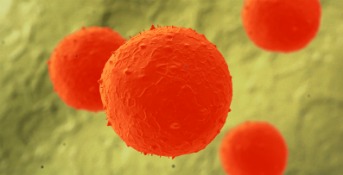
Young stem cells counter kidney aging
Young bone marrow cells alleviate aging-related kidney changes in mice. Read MoreDec 15, 2011
-
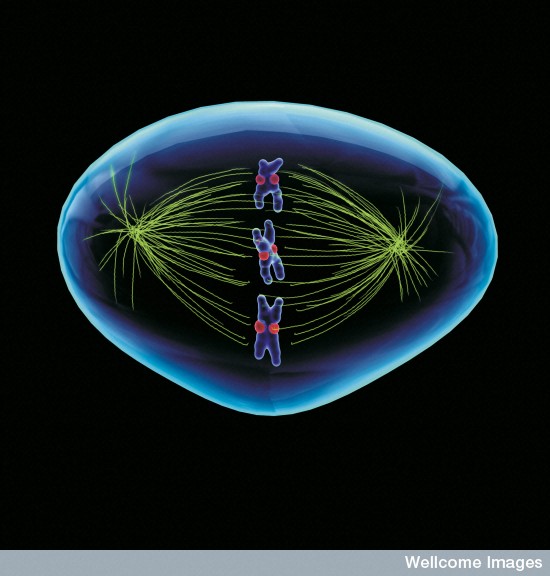
Divvying up chromosomes
Protein helps ensure proper division of chromosomes during cell division. Read MoreDec 15, 2011
-
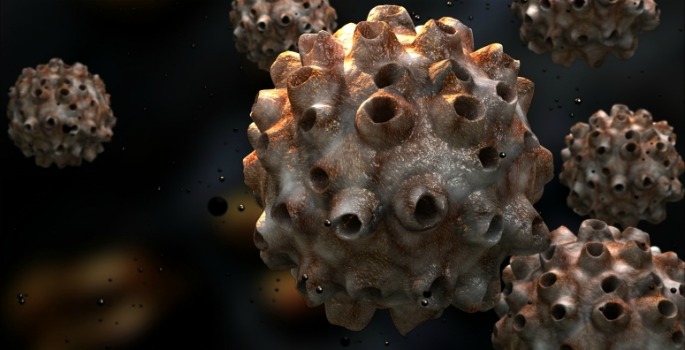
Virus-linked cancer gets help from host
Host cell protein may be a target for strategies to limit spread of virus-induced squamous cell cancers. Read MoreDec 15, 2011
-
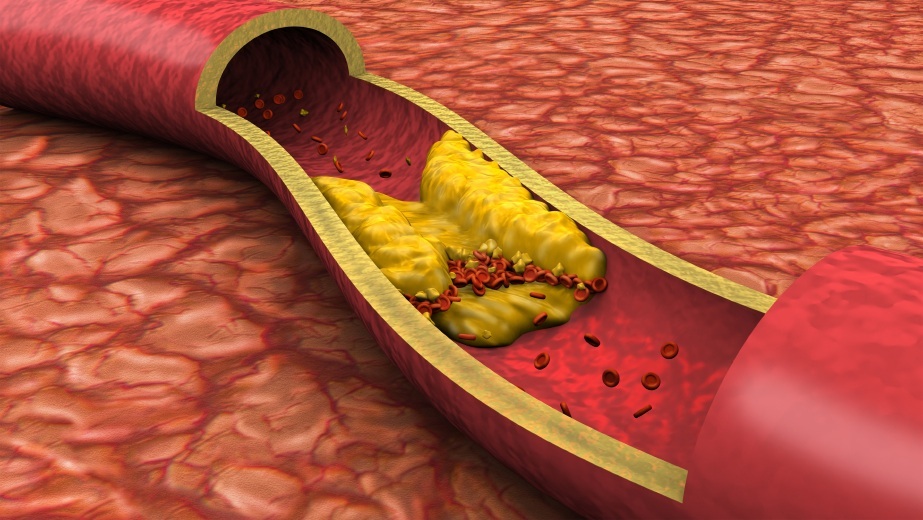
Move out, cholesterol
Compounds developed at Vanderbilt could offer a whole new way to treat atherosclerosis. Read MoreDec 8, 2011
-

Lung nodule surgery not always “futile”
Even when lung operations for suspected cancer resection results in a benign diagnosis, there still may be significant benefits to the procedure, new research suggests. Read MoreDec 7, 2011