Aliquots
-

Overcoming resistance in ovarian cancer
The nuclear receptor TR3 contributes to ovarian cancer cell death in response to platinum-based chemotherapy – and may be a good target for overcoming cell resistance to certain treatments. Read MoreAug 22, 2013
-

Oxidative stress in autism
A biomarker for oxidative stress is elevated in patients with both autism spectrum disorder and gastrointestinal dysfunction, suggesting opportunities for individualized approaches to clinical care. Read MoreAug 14, 2013
-

Noninvasive test detects stomach bug
A noninvasive test can be used to identify the presence of Helicobacter pylori and evaluate its virulence, which will be useful in areas with high rates of H. pylori-associated gastric cancer. Read MoreAug 12, 2013
-

‘Yo-yo dieting’ inflames fat tissue
Gaining and losing weight during “yo-yo dieting” may contribute to an exaggerated immune response in fat tissue that increases metabolic dysfunction more than steady weight gain alone. Read MoreAug 9, 2013
-
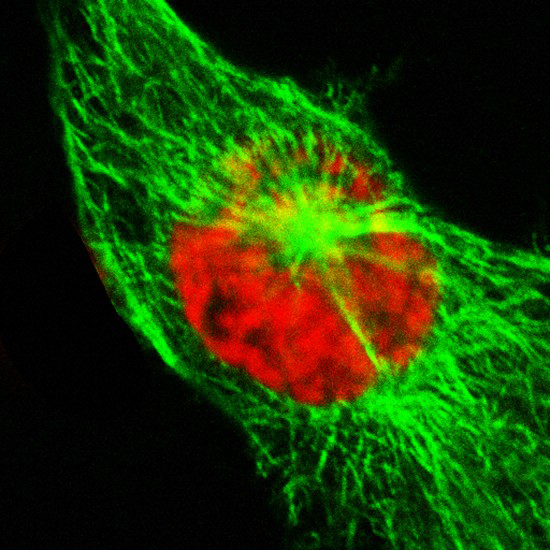
Nuclear shield against cell death
The protein SARM appears to protect cells from inflammation-driven death by stabilizing the nuclear laminin scaffold. Read MoreAug 8, 2013
-
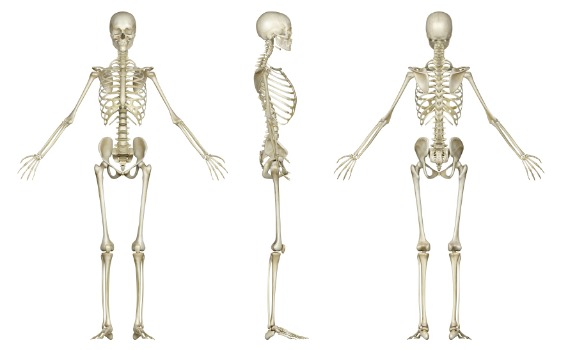
Factor’s role in long bone development
Insight into how the protein neurofibromin participates in the signaling pathway that produces the body’s long bones has implications for fracture healing in some patients. Read MoreJul 31, 2013
-
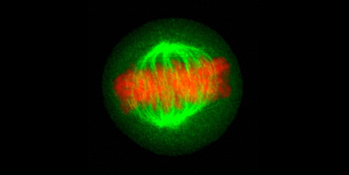
Motor protein revs up cell division
A motor protein that helps drive cell division may be a promising new target for cancer therapeutics. Read MoreJul 29, 2013
-

Reducing fatal rhythms after heart attack
Reducing heart muscle response to calcium could decrease the risk of fatal arrhythmias after heart attacks. Read MoreJul 26, 2013
-

Visualizing data on network ‘maps’
The new web application NetGestalt will allow investigators to simultaneously visualize different types of data for the same gene – such as mutation, expression and modification. Read MoreJul 25, 2013
-

Probing roles of a cell death protein
Vanderbilt researchers have discovered new roles for a protein involved in cell death processes that are activated to prevent tumor-causing DNA mutations. Read MoreJul 17, 2013
-

Defining patient retention
Vanderbilt researchers propose guidelines for defining patient retention in clinical studies – an important parameter that affects study conclusions and program evaluations. Read MoreJul 15, 2013
-

Methods for imaging myelin loss
Certain MRI metrics can be used to assess myelin loss in multiple sclerosis, which is important for planning and monitoring therapy. Read MoreJul 12, 2013
-

Model for MADD mitochondrial disease
A zebrafish model of a severe mitochondrial disease will be useful for developing new therapeutic approaches. Read MoreJul 11, 2013
-

Insights on glaucoma gene mutations
Glaucoma-causing mutations in the gene for myocilin reduce secretion of the protein into the aqueous humor, suggesting a new option for treatment. Read MoreJun 26, 2013
-
Predicting cancer’s response to therapy
Researchers are developing imaging methods to predict patient outcome early in the course of chemotherapy for breast cancer – to allow clinicians to adjust therapy for patients who are not responding. Read MoreJun 24, 2013
-

Rhythm response tied to gene variant
A genetic variant that increases risk for atrial fibrillation also impacts the response to a common therapy for the heart rhythm disorder. Read MoreJun 21, 2013
-

Disease linked to cell traffic jams
Diseases associated with mutations and changes in expression of the protein caveolin may result from faulty trafficking of the protein to the cell surface. Read MoreJun 20, 2013
-

Antacids: risky for premature babies
Antacids that block a certain enzyme pose a risk for a common cardiac problem in premature infants. Read MoreJun 12, 2013
-

Factor’s yin-yang tumor effects
A factor produced by most malignant cells can both promote and inhibit tumor growth – an insight that is critical to using cancer drugs developed to block this factor. Read MoreJun 10, 2013
-

Autism speeds motion perception
Children with autism spectrum disorder are better at perceiving the motion of certain objects than are typically developing children their age. Read MoreJun 7, 2013