Aliquots
-
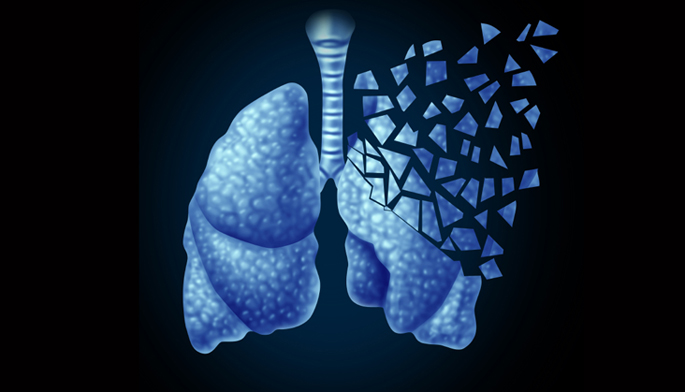
New direction for treating lung cancer
Targeting the production of molecules that promote tumor blood vessel development offers a new path for treating lung cancer. Read MoreFeb 7, 2014
-

Antioxidants promising for rare disorder
The antioxidant vitamin E prevented the buildup of toxic products in a model of a rare genetic disorder, suggesting new strategies for therapeutic development. Read MoreFeb 6, 2014
-

Is healthy obesity possible?
It might be possible to generate a “metabolically healthy” state of obesity by targeting signaling pathways that improve insulin sensitivity. Read MoreJan 29, 2014
-

Math models to aid voice disorders
A new computational model of the interactions between vocal folds and the air around them could aid in designing new treatments for voice disorders. Read MoreJan 27, 2014
-

Probing mysteries of preterm birth
Understanding the relationship between the thinning and rupture of fetal membranes and the presence of bacteria could lead to treatment and prevention strategies for premature birth. Read MoreJan 24, 2014
-

Human and Helicobacter co-evolution
by Denise Anthony (iStock) A Vanderbilt University-led research team has solved a long-standing riddle: Why do people of mostly Amerindian ancestry in the Andes have a gastric cancer rate that is 25 times higher than that of fellow Colombians of mostly African descent only 124 miles away on the coast?… Read MoreJan 23, 2014
-
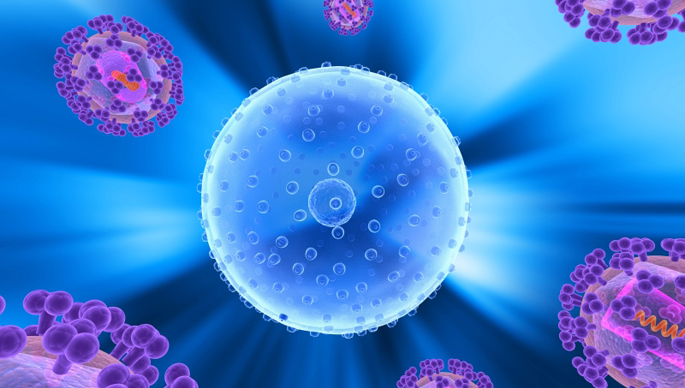
HIV’s impact on B cells
Understanding how HIV infection affects immune system B cells may guide strategies for vaccine development. Read MoreJan 15, 2014
-
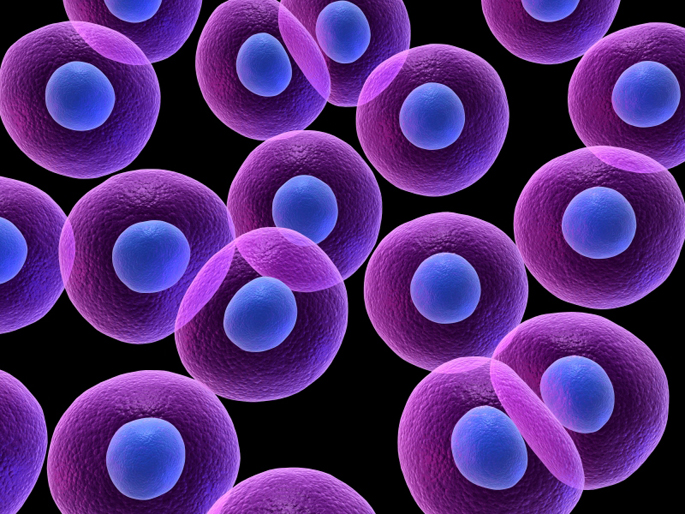
Searching for beta cell stimulators
Vanderbilt researchers describe a new technique for identifying factors that stimulate the proliferation of pancreatic beta cells – factors that might offer therapeutic options for diabetes. Read MoreJan 13, 2014
-

A pain in the … genes
Vanderbilt researchers have discovered that variation in the gene encoding the potassium channel GIRK1 plays a role in modulating human pain perception. Read MoreJan 10, 2014
-

Brain-gut connection in autism
An association between rigid-compulsive behaviors and gastrointestinal symptoms in autism spectrum disorder may point to a common biological pathway that impacts both the brain and the gut. Read MoreJan 9, 2014
-
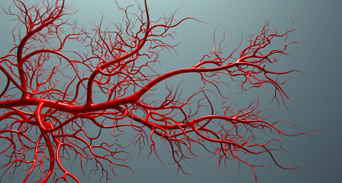
Targeting tumor “supply lines”
A metabolic enzyme plays a crucial role in vascular development and may be a good target for cancer therapies. Read MoreDec 18, 2013
-

Cancer drug enhances cognition
The breast cancer drug tamoxifen improves cognitive performance in post-menopausal women. Read MoreDec 16, 2013
-
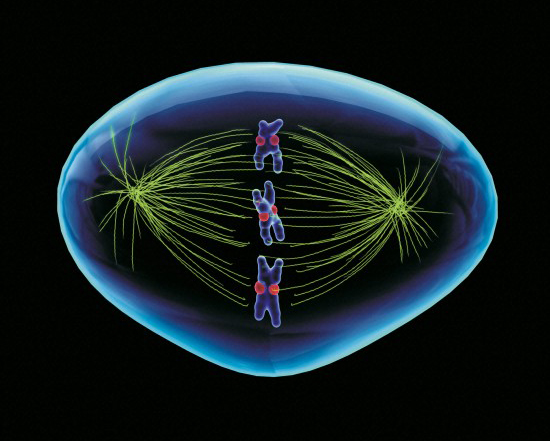
Manager of mitotic stress
The protein CK1 delays cell division to avoid the generation of defects that drive tumorigenesis. Read MoreDec 13, 2013
-
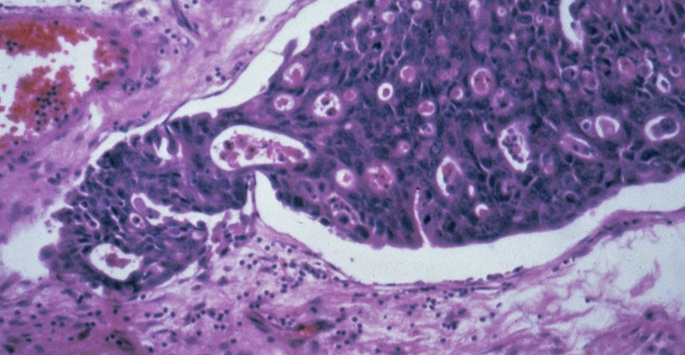
Therapeutic target for gastric cancer
A protein kinase linked to inflammation and tumor development may be a good target for gastric cancer therapies. Read MoreDec 12, 2013
-

Autism narrows brain’s reward response
MRI brain scans reveal that children with autism spectrum disorders respond to a narrower range of familiar rewards. Read MoreNov 27, 2013
-

Mitochondrial mutations not random
A study of mitochondrial DNA mutations suggests they result from a process that selects for particular mutations in certain tissues. Read MoreNov 25, 2013
-
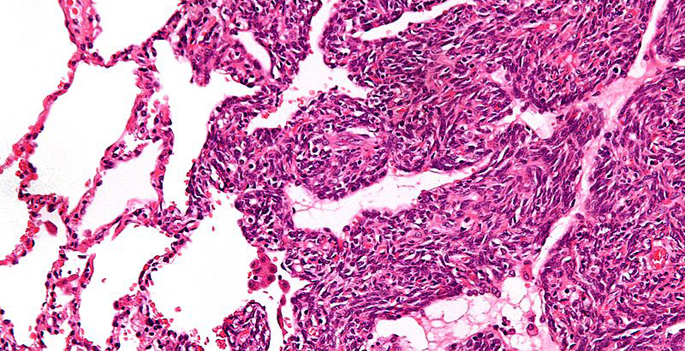
Therapeutic target for synovial sarcoma
Inhibitors of a signaling pathway that is critical to synovial sarcoma tumorigenesis may be useful treatments for this aggressive cancer. Read MoreNov 21, 2013
-

Molecular circuits in ovarian cancer
Vanderbilt researchers have used bioinformatics analysis of gene expression data to describe molecular “circuits” that drive ovarian cancer. Read MoreNov 13, 2013
-

Amish aid study of Parkinson genetics
Amish populations are valuable for genetic research because of their isolation, shared ancestry and homogeneous lifestyles. Read MoreNov 11, 2013
-
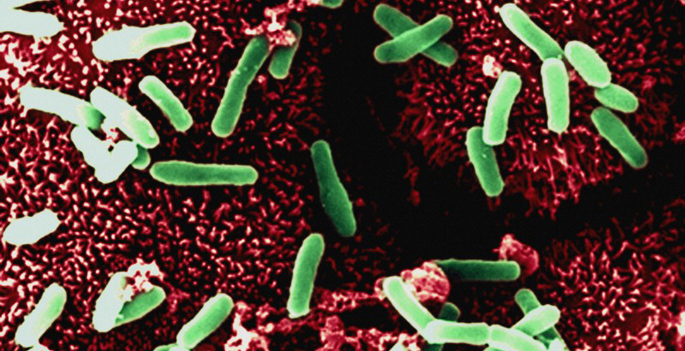
Defusing ‘C. diff’ infection
Clostridium difficile on the intestinal lining. (Wellcome Images) Clostridium difficile (“C. diff”) infection is a leading cause of hospital-associated diarrhea, and the frequency and severity of infections are on the rise. D. Borden Lacy, Ph.D., associate professor of Pathology, Microbiology and Immunology, and colleagues recently demonstrated that the C. Read MoreNov 8, 2013