Aliquots
-
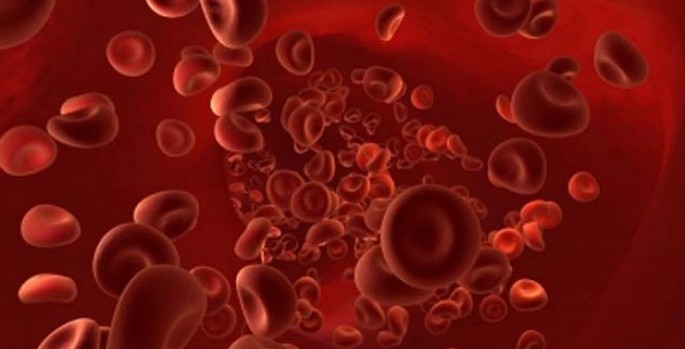
Immune tolerance in endothelial cells
Inducing “tolerance” to bacterial toxins in the endothelial cells that line blood vessels may offer a new approach for preventing the negative consequences of sepsis. Read MoreJan 7, 2016
-
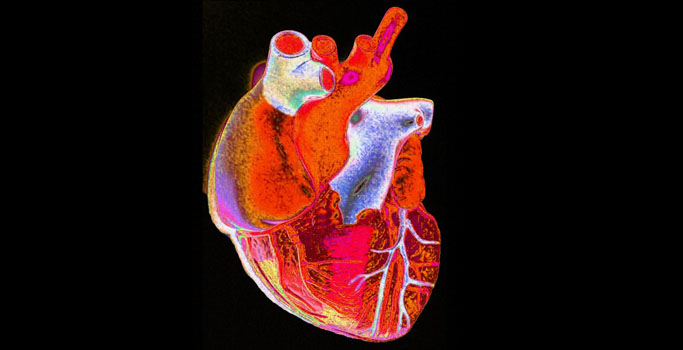
Immune response in transplantation
Thirty-three percent of pediatric heart transplant patients developed antibodies against the donor heart, which can lead to rejection, a new Vanderbilt study reports. Read MoreDec 16, 2015
-
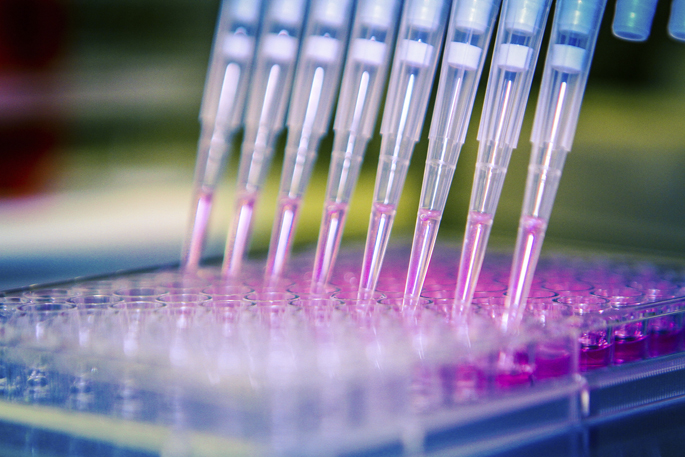
DISSECTing cell signaling networks
Vanderbilt researchers have developed a new method to study cell signaling networks at single-cell resolution. Read MoreDec 14, 2015
-

New lead for ovarian cancer treatment
Combining inhibitors of the BMP signaling pathway with standard chemotherapy drugs may overcome drug resistance in ovarian cancer. Read MoreDec 10, 2015
-
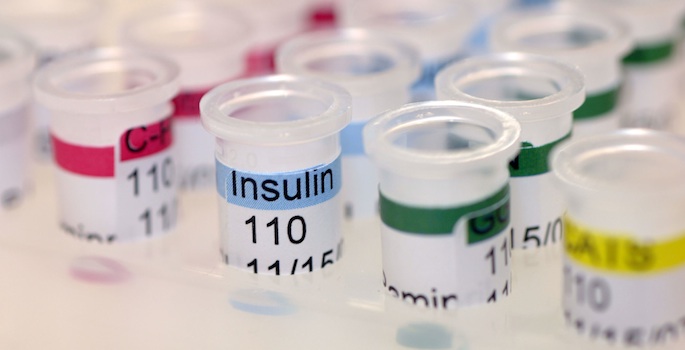
Fighting type 2 diabetes with FGF1
The growth factor FGF1 induces the growth of new insulin-producing beta cells and may help treat type 2 diabetes. Read MoreNov 18, 2015
-

Children, heart disease, and IQ
Treatment for congenital heart disease during infancy may result in cognitive and attentional deficits during adolescence and young adulthood, Vanderbilt researchers have found. Read MoreNov 16, 2015
-

Computer extracts cancer stage
Vanderbilt investigators developed a computerized natural language processing algorithm to extract cancer stages from electronic medical records. Read MoreNov 13, 2015
-

Immune system a must for kidney repair
A signaling protein that is essential for recovery from acute kidney injury works by increasing the population of tissue-repairing immune cells. Read MoreNov 12, 2015
-

Detect and defend against pathogens
Understanding factors, such as the receptor TLR9, that detect and defend against pathogens may lead to therapeutic approaches that promote an effective immune response to treat infections. Read MoreNov 4, 2015
-

Medicaid access state by state
Clinics with more non-physician clinicians are associated with better access for Medicaid patients and lower prices for office visits, according to a recent study. Read MoreNov 2, 2015
-

Prenatal folic acid and asthma
The timing of folic acid-containing prescription filling during pregnancy was associated with childhood asthma, according to a new Vanderbilt study. Read MoreOct 30, 2015
-

Inflammation, obesity and diabetes
Vanderbilt study adds to the mounting role for inflammatory signaling in obesity. Read MoreOct 29, 2015
-
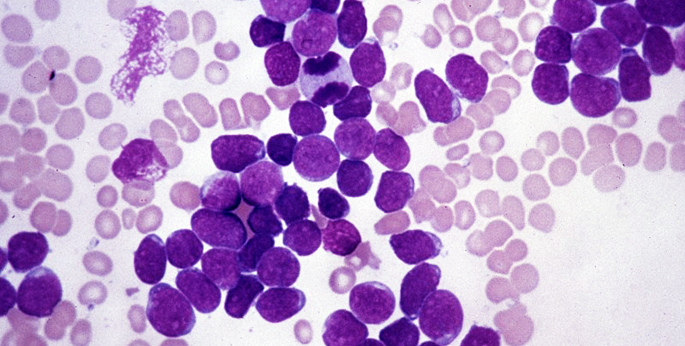
Biomarker for intestinal tumors
A new marker could be useful for diagnosing and treating neuroendocrine tumors of the small intestines. Read MoreOct 21, 2015
-
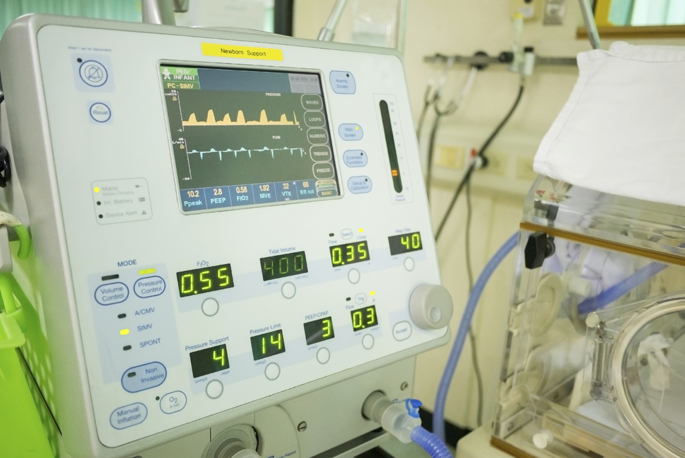
A bundle, a dashboard and lasting pneumonia reduction
A “bundle” of electronically implemented care guidelines reduced intensive care unit patient complications related to mechanical ventilation. Read MoreOct 20, 2015
-

Healing without scarring
Drugs that inhibit the Wnt signaling pathway can regenerate injured skin and may be useful in treating fibromatosis, degenerative joint disease and cancer. Read MoreOct 16, 2015
-

Risk of death in the ICU
The irregular heart rhythm atrial fibrillation increases the risk of death in patients in the intensive care unit. Read MoreOct 15, 2015
-
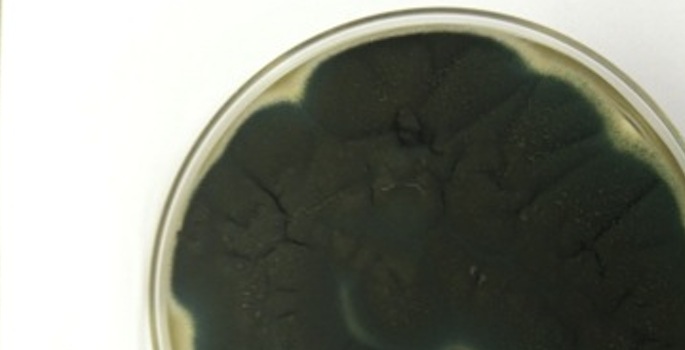
Rational design of novel antifungals
Structural and molecular details of an anti-fungal target's interaction with inhibitors suggest ways to design better treatments for fungal infections. Read MoreOct 7, 2015
-
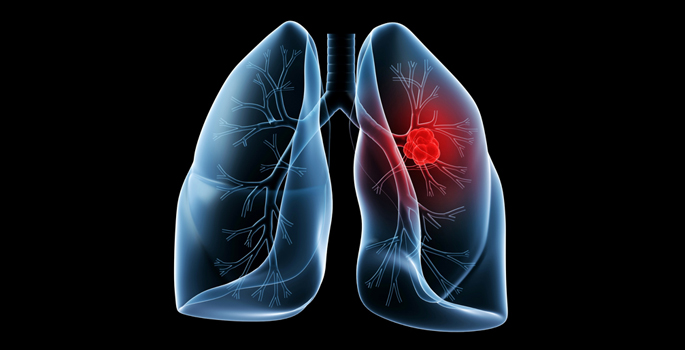
Potential target for lung cancer therapy
The glutamine transporter protein appears to contribute to the survival of lung cancer cells, suggesting it may be a useful diagnostic biomarker and target for therapies. Read MoreOct 5, 2015
-

The yin and yang of COX-2
New findings add to the understanding of how the enzyme COX-2 works, which is critical to the development of COX-2-targeted anti-inflammatory drugs. Read MoreOct 2, 2015
-

Tolerating a transplant
A new genetic model has generated new strategies for promoting tolerance to transplants – and improving long-term transplant outcomes – in the background of autoimmune disease. Read MoreOct 1, 2015