Aliquots
-

It takes two to tango: beta cell development
Defining the genes required for the function of insulin-producing beta cells is crucial for ongoing efforts to develop a cell-based therapy for diabetes. Read MoreJun 23, 2016
-
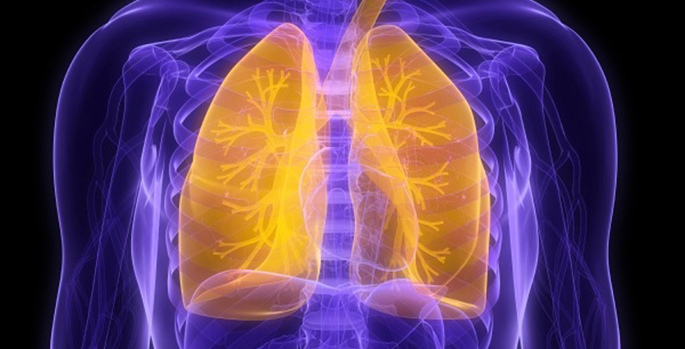
Pulmonary fibrosis culprits
New findings identify isoketal-modified proteins as a previously unrecognized feature of pulmonary fibrosis and as a potential therapeutic target for this disease. Read MoreJun 6, 2016
-

Pregnancy-related heart disorder clues
Vanderbilt researchers have identified biomarkers that could be useful for evaluating and treating pregnancy-related heart failure. Read MoreJun 3, 2016
-

Alzheimer’s risk gene in younger adults
A genetic risk factor for Alzheimer’s disease in later life appears to benefit younger adults as they age. Read MoreJun 2, 2016
-

New pain medicine from a fungus?
Collybolide – a natural product isolated from a mushroom – is a promising candidate for the development of non-addictive pain medicines. Read MoreMay 13, 2016
-

COX-2 blocker could help PTSD
COX-2 inhibitors – used clinically to reduce inflammation and pain – may find new applications for treating PTSD and other stress-related psychiatric disorders like major depression. Read MoreMay 12, 2016
-
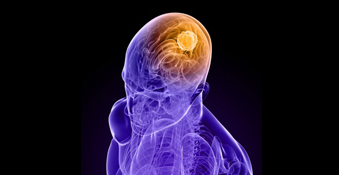
Drug combos for glioblastoma
Vanderbilt researchers have discovered that activation of a certain signaling pathway protects brain cancers from targeted therapies, suggesting that using therapeutics that block both pathways may be a promising treatment. Read MoreMay 3, 2016
-

Improving natural killer cancer therapy
A newly discovered mechanism that helps cancer cells avoid destruction by immune system cells may improve immunotherapies. Read MoreApr 29, 2016
-

An Argonaute’s voyage to cancer
A genetic mutation that promotes cancer development blocks the normal sorting of a protein called “Argonaute 2.” Read MoreApr 28, 2016
-
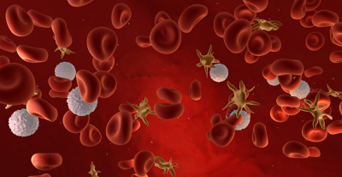
How strep grabs on to platelets
New structural details of the binding of the bacterium Streptococcus sanguinis to platelets may offer new therapeutics for life-threatening cardiovascular infections. Read MoreApr 20, 2016
-
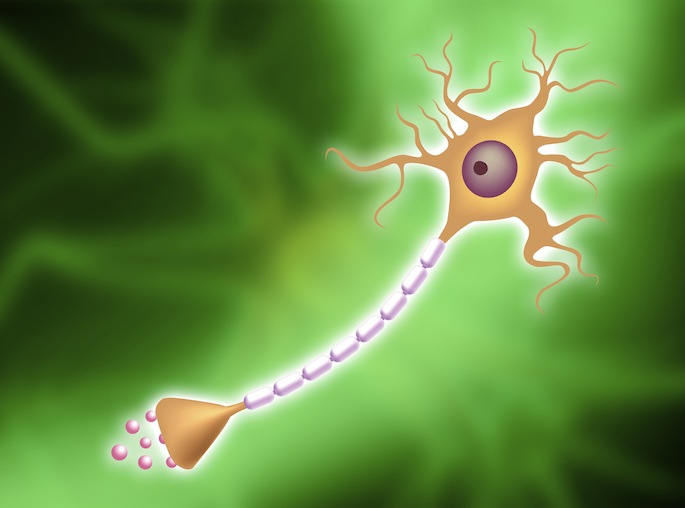
Myelin repair factors
Vanderbilt researchers show that two factors promote the repair of myelin, the nerve cell covering that deteriorates in diseases such as multiple sclerosis. Read MoreApr 19, 2016
-

Mechanism of a DNA repair protein
Vanderbilt investigators have discovered details about the mechanism of an important DNA repair protein that maintains genome stability. Read MoreApr 15, 2016
-
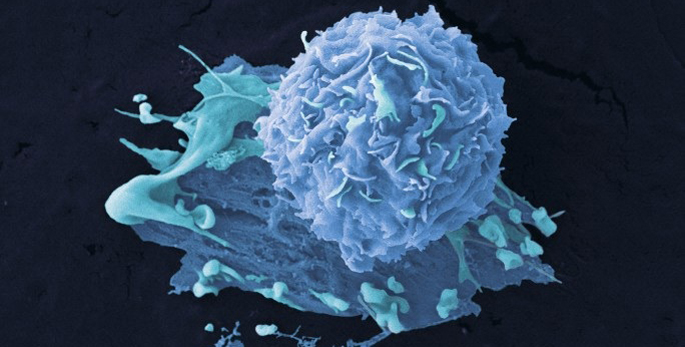
Switching breast cancer off
Signaling by a receptor that is overexpressed in aggressive forms of breast cancer has been linked to glutamine metabolism, suggesting new anti-cancer therapeutic targets. Read MoreApr 14, 2016
-

Diabetes management and low income
Adherence to medication was the only self-care activity independently associated with glycemic control in a low-income population. Read MoreApr 6, 2016
-

Immune defenses in asthma
Vanderbilt researchers show that a certain factor negatively impacts the first-line responder cells in the lungs, providing one explanation for why patients with asthma are at greater risk for invasive bacterial disease. Read MoreApr 5, 2016
-

New role identified for p73 gene
The p73 gene is required for the generation of cilia – hair-like projections on cells – findings that could have implications for the study of lung diseases and sterility. Read MoreApr 1, 2016
-

Cancer prevention and poverty
A new epidemiological study supports smoking cessation and avoidance of sedentary lifestyle as cancer prevention measures. Read MoreMar 31, 2016
-

Readmission prediction face-off
Using patients’ health records to assess preparedness for hospital discharge is more effective at predicting readmission or death than commonly used questionnaires. Read MoreMar 23, 2016
-

New treatment for Crohn’s disease
A new biological therapy, ustekinumab, improves markers of disease activity in patients with severe Crohn’s disease. Read MoreMar 22, 2016
-

Putting schizophrenia to bed
A new compound developed at Vanderbilt treats multiple symptoms of schizophrenia in an animal model, without causing sedation. Read MoreMar 21, 2016