Aliquots
-
Early drivers of gastric cancer
Using bioinformatics approaches, Vanderbilt investigators have identified gene expression networks that are deregulated in mouse and human stomach cancers. Read MoreAug 8, 2017
-

An immune regulator of addiction
Although drug addiction is classically studied in a neuron-centric way, Vanderbilt researchers have discovered that the immune system also plays a critical role. Read MoreAug 4, 2017
-
HDAC3 role in B-cell development
The histone deacetylase HDAC3 is required for the maturation of B cells, white blood cells that produce antibodies. Read MoreAug 3, 2017
-

Altered metabolism and disease
Vanderbilt researchers report a structure of a human metabolic enzyme bound to its substrate 17alpha-hydroxyprogesterone. Read MoreJul 25, 2017
-
How Epo action is ‘enhanced’
The hormone erythropoietin (Epo) controls red blood cell production and synthetic forms of Epo treat multiple disorders. New Vanderbilt research details how Epo works. Read MoreJul 24, 2017
-

Probing the genetics of autoimmunity
Vanderbilt researchers have found that non-coding regions of the genome appear to contribute to the risk of autoimmune diseases and may represent attractive therapeutic targets. Read MoreJul 21, 2017
-
Drivers of breast cancer metastasis
Signaling through a complex of proteins called mTORC2 plays a role in breast cancer migration, invasion and metastasis, Vanderbilt researchers reported. Read MoreJul 20, 2017
-
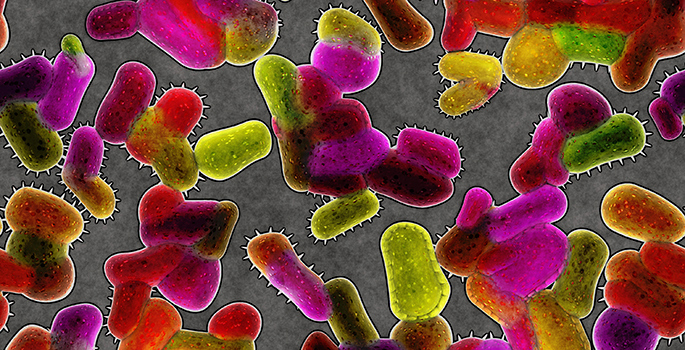
Bile acids, microbiota and colon cancer
Bile acids produced by a western diet alter the composition of the gut microbiota and promote intestinal carcinogenesis. Read MoreJul 5, 2017
-

NOTCH1 role in heart development
The identification of a genetic culprit for hypoplastic left heart syndrome could lead to new treatments for the condition. Read MoreJul 3, 2017
-

Cytokine linked to blindness
A signaling molecule called interleukin-6 may be a therapeutic target to prevent vision loss or nerve degeneration in glaucoma, Vanderbilt researchers have discovered. Read MoreJun 30, 2017
-
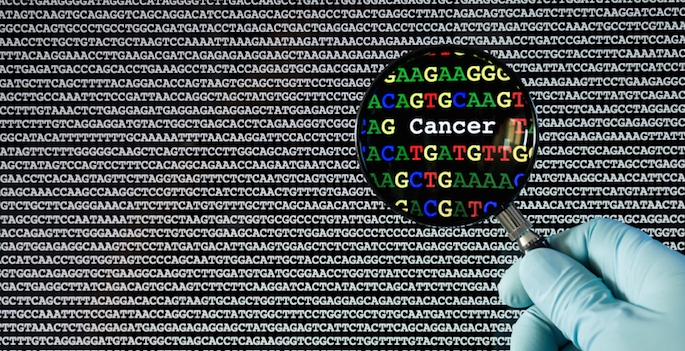
Genetics of lung cancer survival
Vanderbilt investigators have conducted a first-of-its-kind genome-wide association study of lung cancer survival in African-Americans. Read MoreJun 29, 2017
-

STINGing combination for cancer
A novel immunotherapy combination induced remarkable regression of tumors in a mouse model of head and neck cancer. Read MoreJun 19, 2017
-

PET imaging to predict tumor response
A PET probe that detects the amino acid glutamine predicts whether tumors respond to certain targeted therapies in preclinical animal models. Read MoreJun 14, 2017
-

Repriming replication roadblocks
New findings shed light on how enzymes that replicate DNA skip over mutations that might cause cancer and restart DNA synthesis further away. Read MoreJun 12, 2017
-

Flip side of gut protection
Vanderbilt investigators report that dysregulation of certain immune cells in the intestines may lead to inflammation and disease. Read MoreJun 9, 2017
-

Oxidative stress in tumors
Vanderbilt investigators have developed a new method for measuring oxidative stress in human tumors, which provides insight into cancer development. Read MoreMay 18, 2017
-
Blood type link to cancer survival
Blood type A was associated with longer ovarian cancer survival in a recent Vanderbilt-led study. Read MoreMay 17, 2017
-
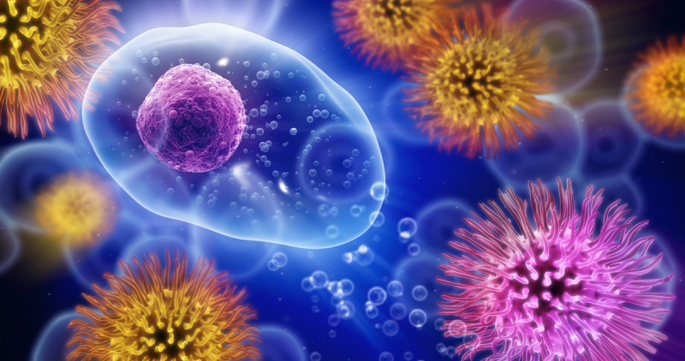
RSV-HRV viral interference
RSV infection reduces the risk of infection with human rhinovirus, which could have implications for vaccine development and prevention strategies for viral respiratory tract infections in infants. Read MoreMay 15, 2017
-
EETs contribute to insulin sensitivity
Interventions that increase circulating levels of compounds called EETs may improve insulin sensitivity and treat hypertension. Read MoreMay 11, 2017
-
Therapeutic targets for diabetes
Vanderbilt investigators have identified novel regulators of insulin-producing beta-cell proliferation and survival, suggesting new targets for the treatment of type 2 diabetes. Read MoreMay 3, 2017