Alex Lupsasca
-
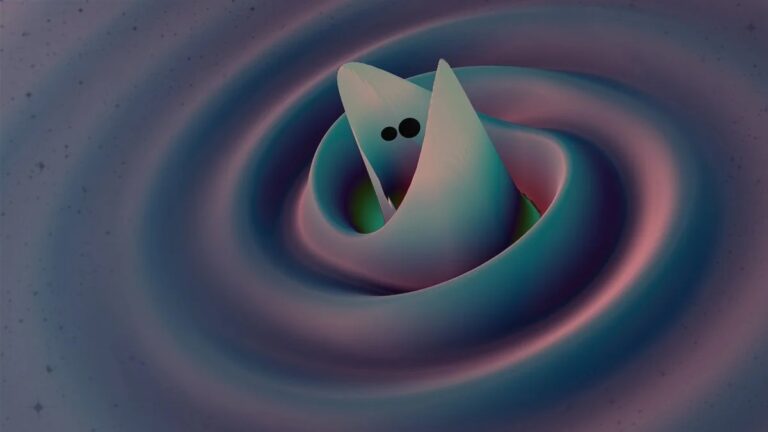
On the 10-year anniversary of the first gravitational wave detection, A&S astrophysicists lead the way in discoveries
On September 14, 2015, at 4:51 a.m. Central Time, scientists witnessed something no human had ever seen before: two black holes colliding. These black holes, which were 29 and 36 times the mass of the sun, respectively, had been circling each other for millions of years. Their rotations became increasingly faster until they eventually collided and became a single black hole. Since then, scientists have had numerous breakthroughs that deepen our understanding of the universe, and researchers in the College of Arts and Science have been at the forefront, shaping the scientific field of black holes and gravitational waves. Read MoreOct 23, 2025
-

Simons Foundation awards $8 million grant to uncover secrets of black holes and strong gravity
Over the next four years, Assistant Professor of Physics and Astronomy Alex Lupsasca will lead a Vanderbilt team in a multidisciplinary, multi-institutional collaboration funded by an $8 million grant from the Simons Foundation with a focus on black holes and strong gravity. Read MoreSep 4, 2025
-
The physicist who wants to build a telescope bigger than Earth
Vanderbilt professor Alex Lupsasca plans to extend Earth's largest telescope network beyond the atmosphere with a space-based dish. It could spot part of a black hole we've never seen before – and perhaps discover new physics. Read MoreJul 17, 2024
-
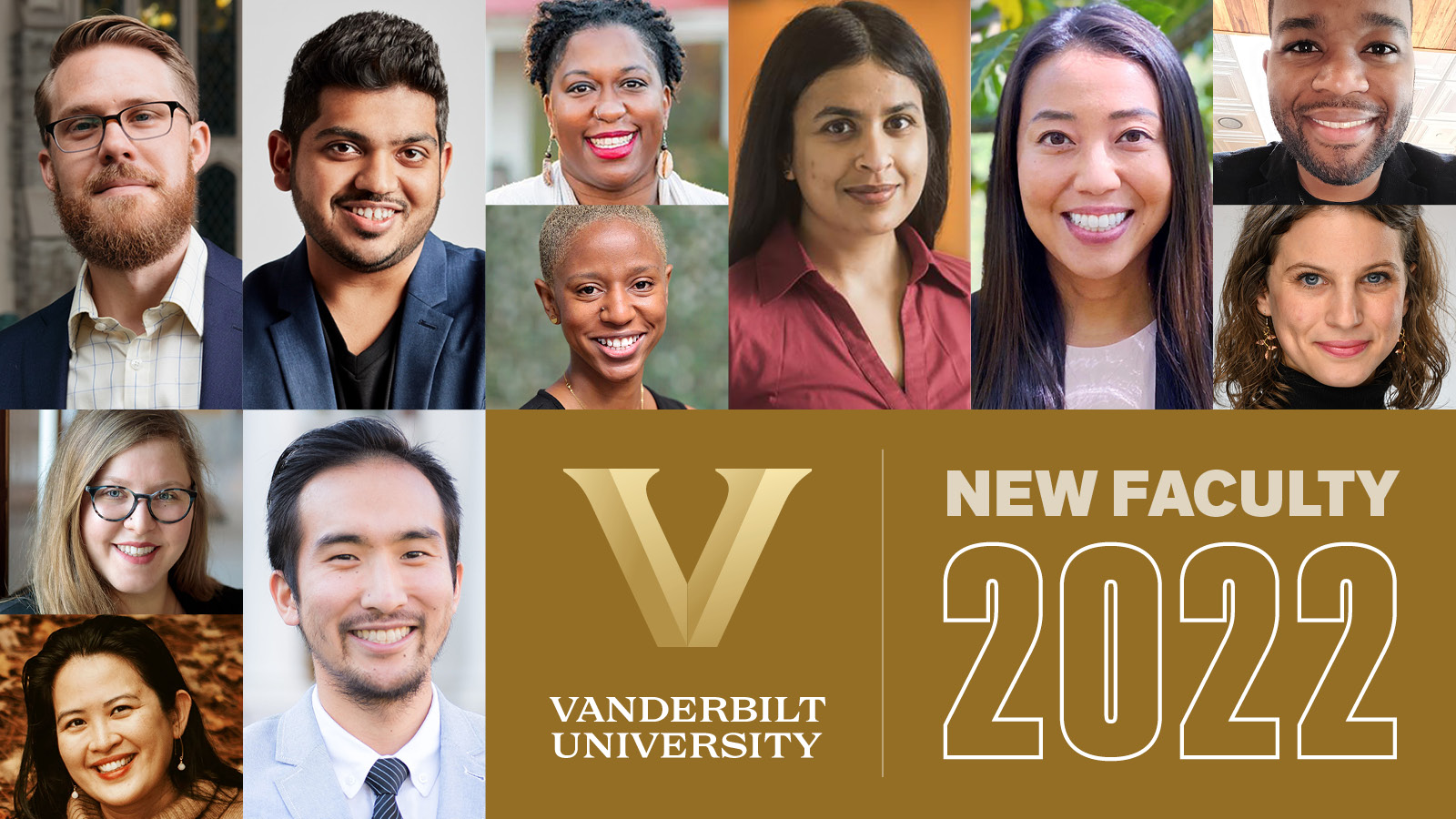
NEW FACULTY: Research around the world—and beyond
Vanderbilt University welcomes 74 new faculty across its schools and colleges for the 2022–23 academic year. Here, some of the new faculty share their global research. Read MoreOct 26, 2022