Trans-institutional Programs
-
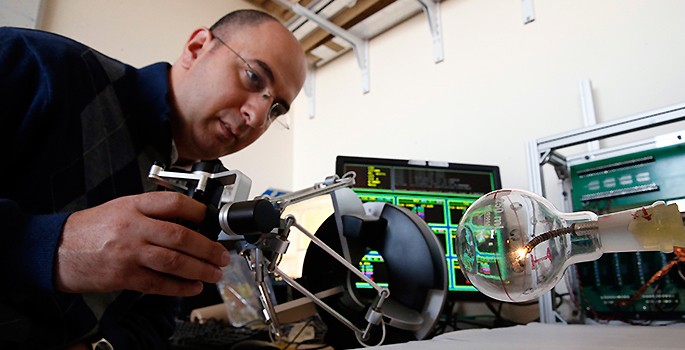
Getting robotic surgical tools from the lab to the operating room
Nabil Simaan’s Advanced Robotics and Mechanism Applications Laboratory at Vanderbilt leads the way in advancing several robotics technologies for medical use, including miniature robots for single small-incision, cochlear implant and minimally invasive throat surgeries. Read MoreMay 8, 2018
-

Looking beyond the ‘magic bullet’ approach to drug discovery
Vanderbilt scientists have developed a new process that can rapidly and inexpensively identify personalized cancer drugs derived from nature. Read MoreMay 1, 2018
-

An unexpected side effect of public health education efforts in Brazil
Understanding of tuberculosis is associated with higher, not lower, stigmatization of TB patients in Brazil, according to a new report from Vanderbilt’s Latin American Public Opinion Project. Read MoreMar 20, 2018
-
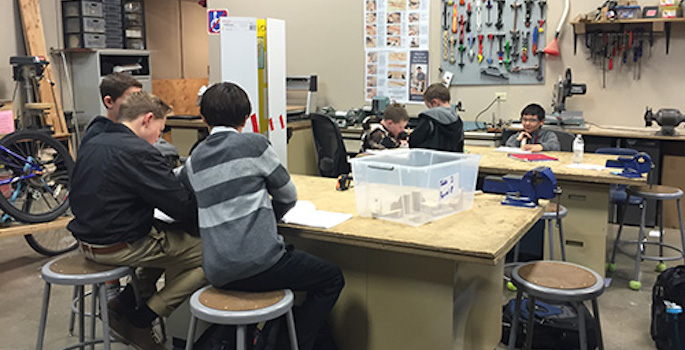
High-choice, high-status school districts
In VU BreakThru, Peabody alumni Kristin Baese and Eve Rifkin discuss school reform in Sterling Ranch – a planned community outside of Denver that won a 2015 Trans-Institutional Programs (TIPs) award and continues to flourish. Read MoreFeb 14, 2018
-
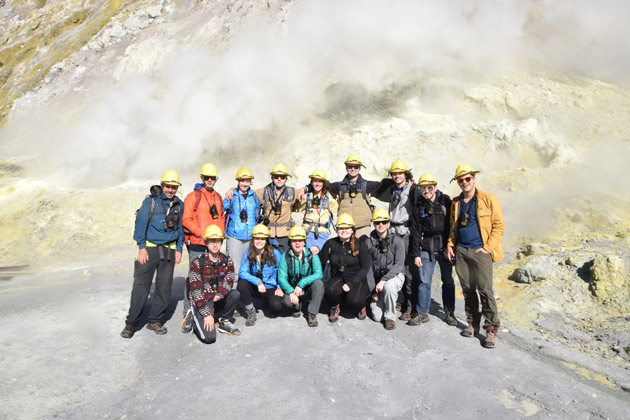
VU Inside: Students dig into super-massive volcanic eruptions
A dozen Vanderbilt students went on a monthlong science adventure of a lifetime, studying super-eruptions, glaciers and earthquakes in New Zealand. Read MoreJan 25, 2018
-

Citizens’ attitudes toward taxation in Malawi
Writing in the Office of Cross-College Initiatives' BreakThru blog, political science Ph.D. student SangEun Cecilia Kim finds that poverty is the most common factor driving the tax aversion of Malawi citizens. Read MoreNov 15, 2017
-

LGBT rights and health on the African continent
The recent decriminalization of homosexuality in Mozambique has not made it easier for LGBT advocacy groups to support these populations within the country. Read MoreNov 10, 2017
-

South African prison life: The importance of religion to inmates and ex-offenders
Many incarcerated South Africans find religion in prison, found undergraduate Zoe Psakis. Read MoreNov 9, 2017
-

Cell signals that trigger wound healing are surprisingly complex
Vanderbilt scientists have taken an important step toward understanding the way in which injured cells trigger wound healing, an insight essential for improving treatments of all types of wounds. Read MoreOct 3, 2017
-
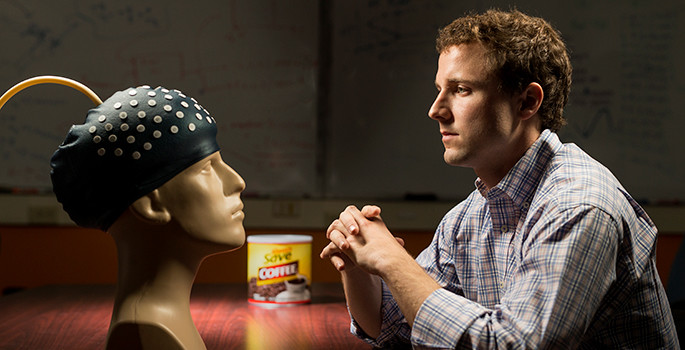
How six cups of ground coffee can improve nose, throat surgery
Vanderbilt engineers have designed a “granular jamming cap” filled with coffee grounds that can improve the accuracy of the sophisticated “GPS” system that surgeons use for nose and throat surgery. Read MoreJun 20, 2017
-
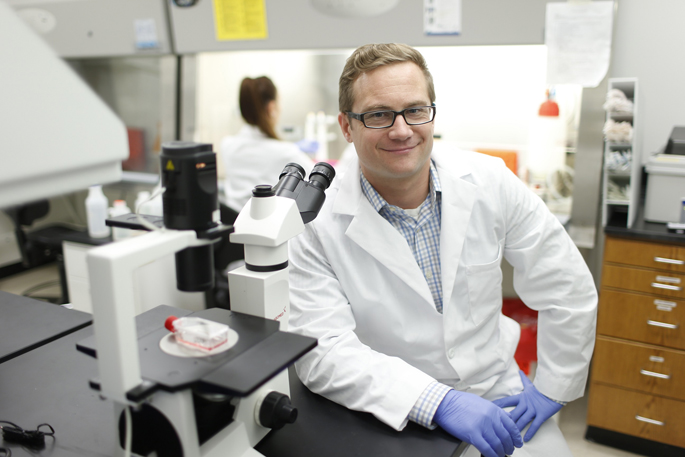
Vanderbilt investigator lands Stand Up To Cancer grant for “smart” nanoparticles cancer research
John Wilson, Ph.D., assistant professor of Chemical and Biomolecular Engineering and of Biomedical Engineering at Vanderbilt University, has received an Innovative Research Grant from Stand Up To Cancer (SU2C). Wilson is among 10 early-career scientists to receive the grant awards focused on immuno-oncology. Read MoreApr 3, 2017
-
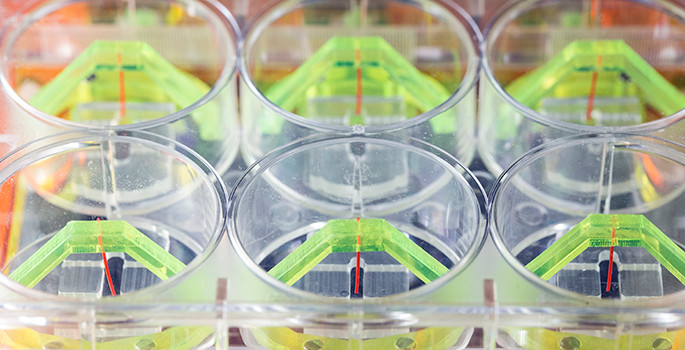
Organ-on-a-chip mimics heart’s biomechanical properties
Scientists at Vanderbilt University have created a three-dimensional organ-on-a-chip that can mimic the heart’s amazing biomechanical properties in order to study cardiac disease, develop heart drugs. Read MoreFeb 22, 2017
-

Robert Wood Johnson Foundation funds study of health, economic effects of LGBT-related laws
A trans-institutional team of Vanderbilt social scientists and medical professionals will look at how laws affecting LGBT individuals and families affect their health and the economy. Read MoreDec 19, 2016
-
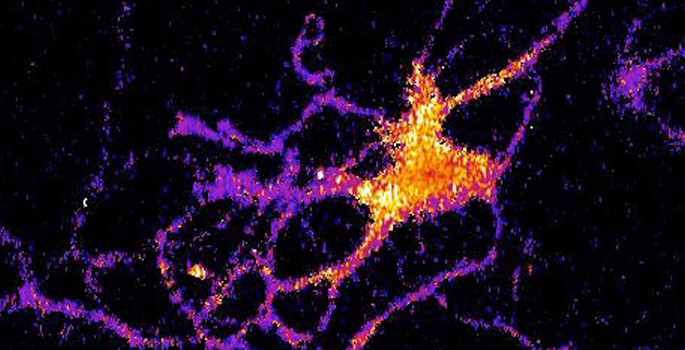
Bioluminescent sensor causes brain cells to glow in the dark
A team of Vanderbilt scientists have genetically modified luciferase, the enzyme that produces bioluminescence, so that it acts as an optical sensor that records activity in brain cells. Read MoreOct 27, 2016
-
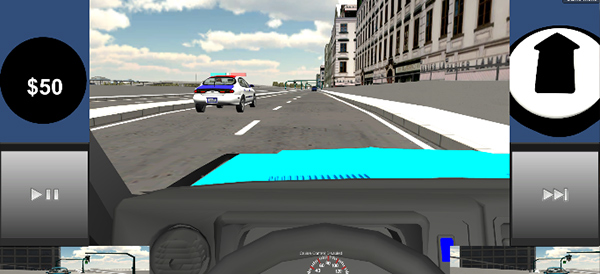
Using virtual reality to help teenagers with autism learn how to drive
A team of engineers and psychologists have developed a virtual reality driving simulator designed to help teenagers with autism spectrum disorder learn to drive, a key skill in allowing them to live independent and productive lives. Read MoreJul 21, 2016
-
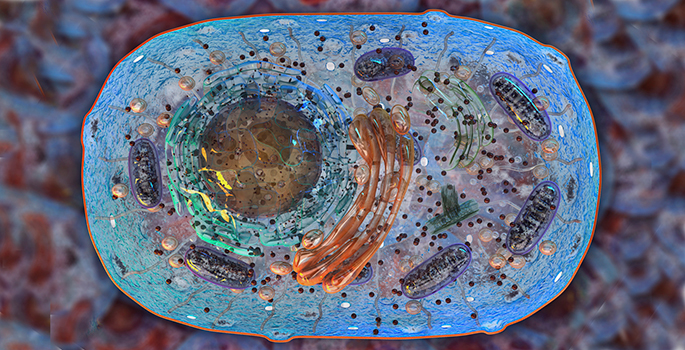
When mitochondrial genes act up
A team of Vanderbilt scientists have identified some of the methods that mutant mitochondrial DNA use to circumvent the molecular mechanisms that cells use to regulate mitochondrial activity. Read MoreJul 12, 2016
-
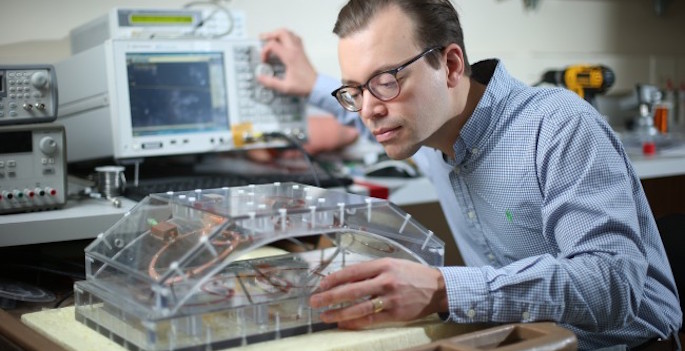
Open-source instructions for focused ultrasound provide cancer research boost
Vanderbilt University’s William Grissom and Charles Caskey are throwing open doors with a do-it-yourself, open-source software and hardware guide to enabling existing imaging machines with focused ultrasound technology. Read MoreJun 30, 2016
-

Study suggests cancer’s ‘clock’ can be rewound
Researchers at Vanderbilt University Medical Center have “turned back the clock” in a mouse model of metaplasia — precancerous stomach lesions — raising hopes that gastric cancer, a worldwide scourge that’s rising in the United States, can be prevented. Read MoreMar 17, 2016
-

Resolving the food-energy-water trilemma
A computer model has been developed that provides new insights into the food-energy-water nexus and can help resource managers around the world do a better job of weighing food and energy tradeoffs when water is scarce. Read MoreJan 25, 2016
-

Psychotherapies have long-term benefit for those suffering from irritable bowel syndrome
A new meta-analysis has found that the beneficial effects of using psychological therapy to treat the symptoms of irritable bowel syndrome are not only short term but are also long lasting. Read MoreDec 28, 2015