Life, Earth And Space
-
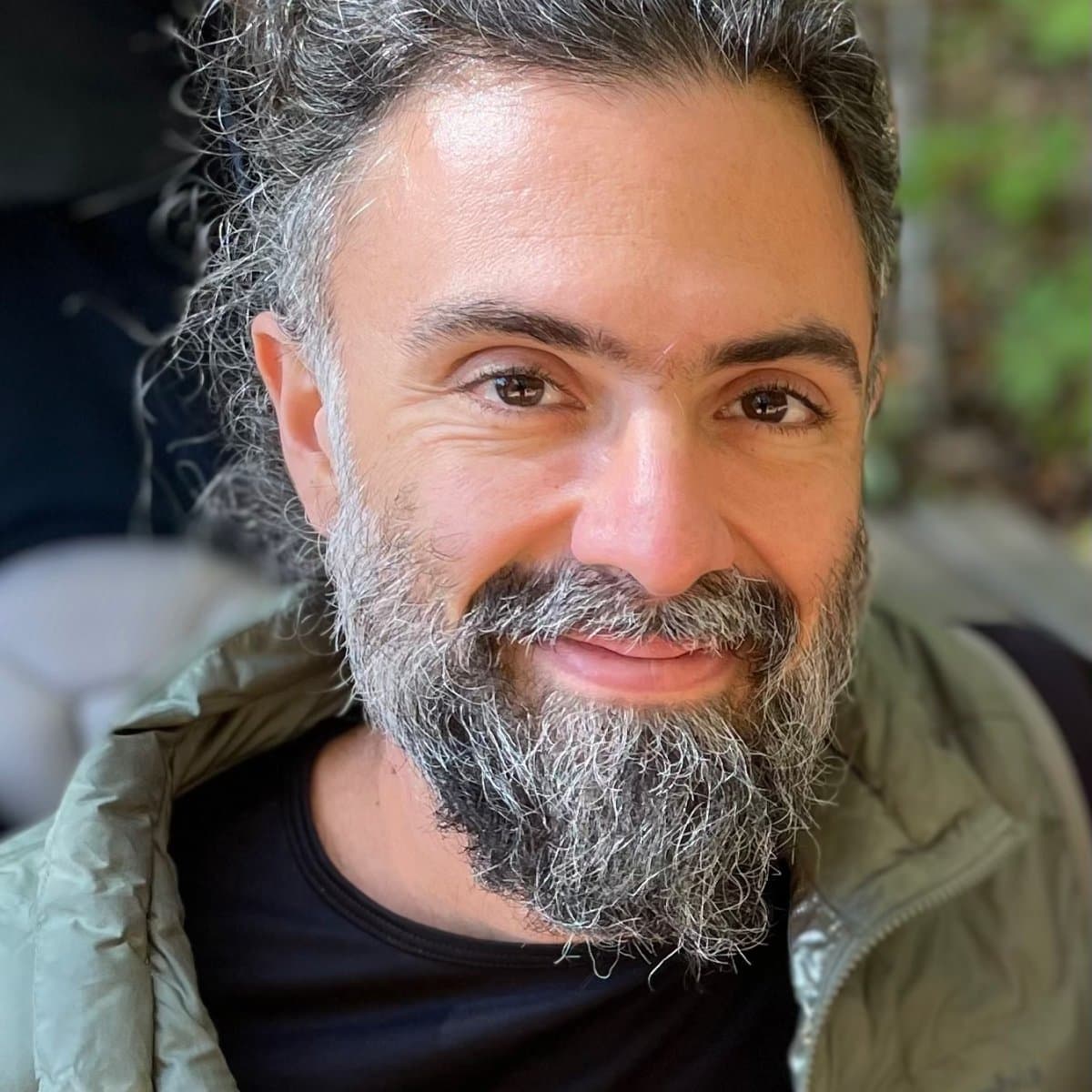
Meet Vanderbilt’s first Packard Fellow Carlos Taboada, assistant professor of biological sciences and frog whisperer
Carlos Taboada, assistant professor of biological sciences, was among the 2024 Packard Fellows for Science and Engineering announced on Tuesday, Oct. 15. At the Taboada Lab, he and his team investigate the chemical, physiological and physical mechanisms that create different colors in frogs and the remarkable transparency of glassfrogs. Read MoreOct 28, 2024
-
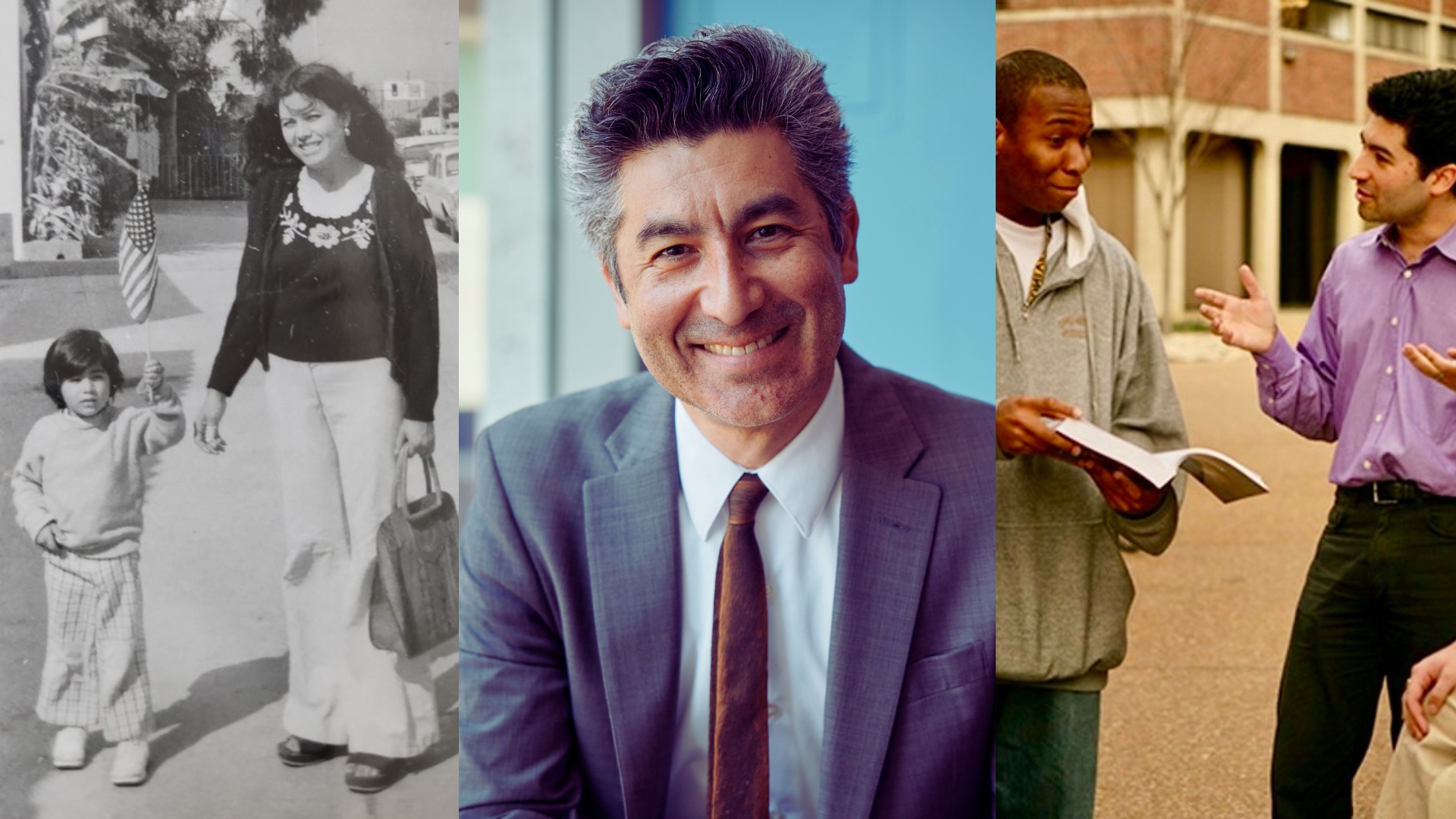
2024 MacArthur Fellow Keivan Stassun: Reaching for the stars while raising others up
See how a passion to help underrepresented students ignited astrophysicist Keivan Stassun’s mission, earning him a MacArthur “genius” award. Read MoreOct 7, 2024
-
Vanderbilt’s Keivan Stassun named 2024 MacArthur fellow
Stassun, who is also a founding co-director the Fisk-Vanderbilt Master’s-to-Ph.D. Bridge Program, was among the 2024 MacArthur fellows announced on Tuesday, Oct. 1. The fellowship, which is awarded by the John D. and Catherine T. MacArthur Foundation, aims to identify extraordinarily creative individuals with a track record of excellence in a field of scholarship or area of practice. Recipients also demonstrate the ability to affect society in significant and beneficial ways through their pioneering work or the rigor of their contributions, according to the foundation. Read MoreOct 2, 2024
-
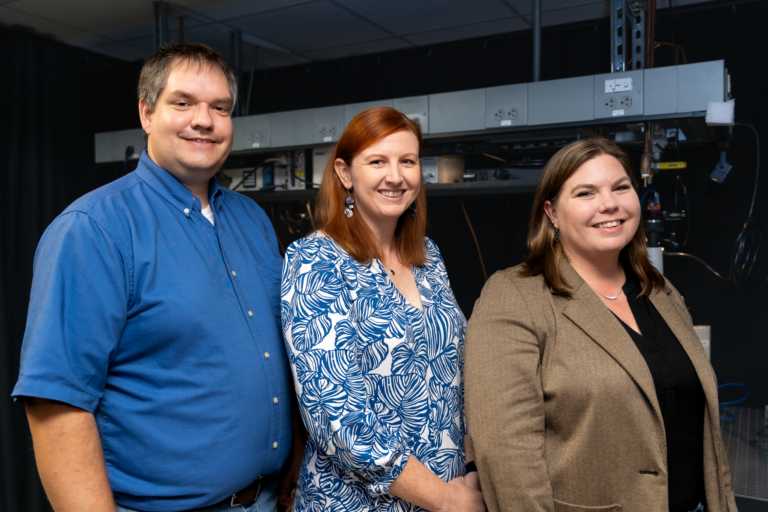
Evolved in the lab, found in nature: Uncovering hidden pH sensing abilities
In a groundbreaking study led by Sarah Worthan, Ph.D., a postdoctoral researcher in the Behringer Lab at Vanderbilt University, scientists have successfully evolved microbial cultures that possess the ability to sense pH changes, enabling rapid responses to environmental fluctuations. Read MoreOct 1, 2024
-
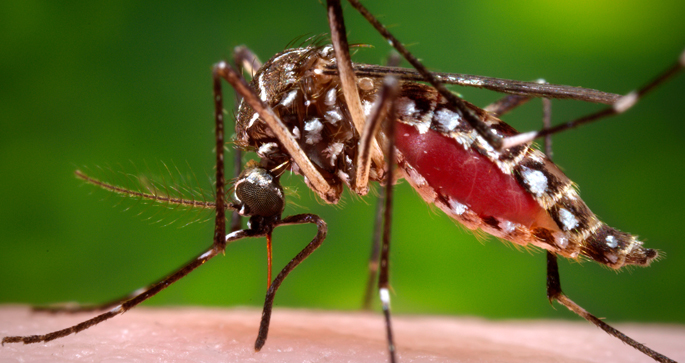
Vanderbilt researchers find warming quickens aging-related mortality in mosquitoes
New research shows that warming and aging act as a one-two punch, lowering mosquito lifespans and fanning the flames of bacterial infections. These findings highlight how climate change could alter the risks of disease spread by mosquitoes. Read MoreSep 26, 2024
-

Vanderbilt’s AI for New Messengers fellowship drives breakthrough in black hole detection
Hunting for black holes sounds like the premise of a new Hollywood blockbuster, but at Vanderbilt University, Assistant Professor of Physics and Astronomy Karan Jani works with students in a lab to do exactly that. Last year, Jani’s group at the Department of Physics and Astronomy, along with the university’s Data Science Institute, jointly launched the AI for New Messengers postdoctoral fellowship. The fellowship, one of the first of its kind in the U.S., seeks to apply AI techniques to analyze data from cosmic events (such as black hole collisions) using information from the Nobel Prize–winning Laser Interferometer Gravitational-Wave Observatory (LIGO) experiment. Read MoreSep 25, 2024
-
Stephen Taylor appointed to NASA’s Laser Interferometer Space Antenna mission
Taylor is one of only six scientists nationwide appointed to the LISA team, a joint mission between the European Space Agency and NASA. LISA is a space-based gravitational wave detector constructed of three spacecraft separated by millions of miles in a triangle shape as big as the sun. Read MoreSep 19, 2024
-
Vanderbilt professors Wernke, Huo win $625K NSF grant for largest-ever archaeological survey
Professor Steven Wernke's groundbreaking archaeological mapping project has secured its most substantial funding yet: a $625,000 grant from the National Science Foundation. Using satellite imagery and artificial intelligence, Wernke and his team are mapping archaeological sites across the Andes Mountain Range to build a detailed inventory that will improve our understanding of Andean settlement systems and human-modified landscapes. Read MoreSep 19, 2024
-
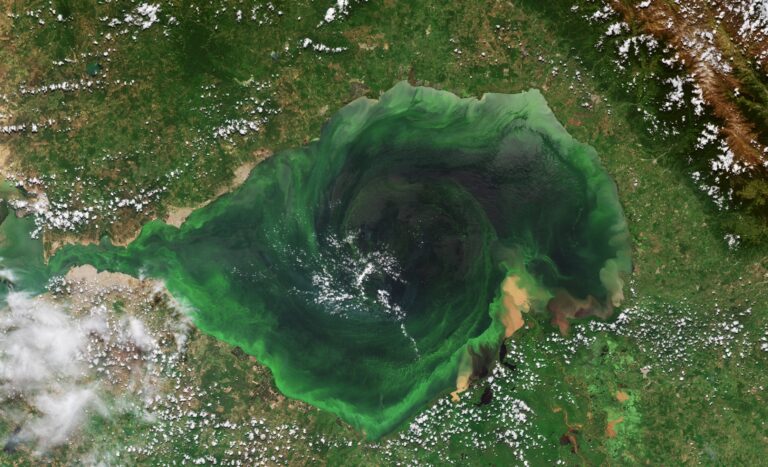
Researchers discover the evolution of seasonal anticipation in cyanobacteria
New research led by recent Vanderbilt Ph.D. alumna Maria Luísa Jabbur from the Johnson Lab and BBSRC Discovery Fellow at the John Innes Centre, in the UK has uncovered that even cyanobacteria—tiny organisms with a generation time of just five to six hours—can sense and respond to changes in light availability, or photoperiod, to gear up for winter. Read MoreSep 12, 2024
-
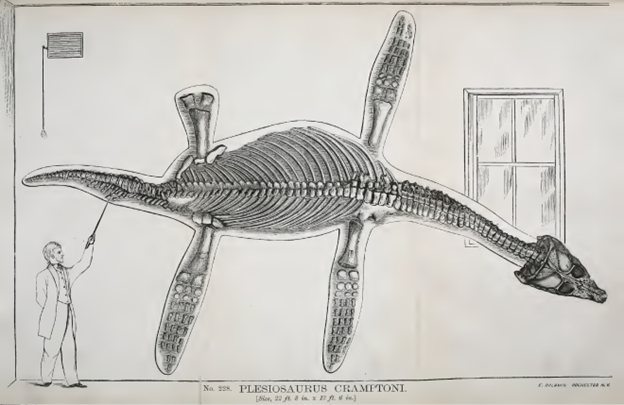
Restoring Vanderbilt’s Natural History Museum: Rediscovering the lost plesiosaur (cast)
Embarking on a new research project often brings unexpected discoveries—some intriguing, some novel, but rarely a find of a lifetime. Such a remarkable discovery occurred when university archivist and associate director Kathy Smith stumbled upon a pile of plaster, hidden away for 60 years in a dim, cluttered closet of the Branscomb Quad basement. This plaster turned out to be the long-lost Crampton’s Plesiosaur Cast from the 1870s, missing for nearly six decades. Read MoreSep 3, 2024
-
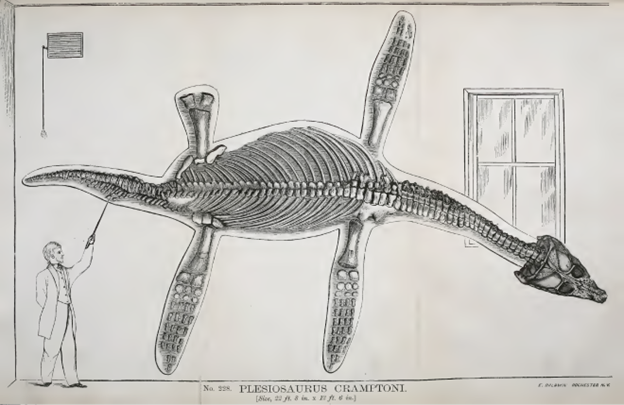
Rediscovering the Lost Plesiosaur (Cast): Restoring Vanderbilt’s Natural History Museum
Research projects investigating the history of evolution at Vanderbilt University led to the rediscovery of a long-lost Crampton’s Plesiosaur Cast from the 1870s. Read MoreAug 29, 2024
-

The physicist who wants to build a telescope bigger than Earth
Vanderbilt professor Alex Lupsasca plans to extend Earth's largest telescope network beyond the atmosphere with a space-based dish. It could spot part of a black hole we've never seen before – and perhaps discover new physics. Read MoreJul 17, 2024
-
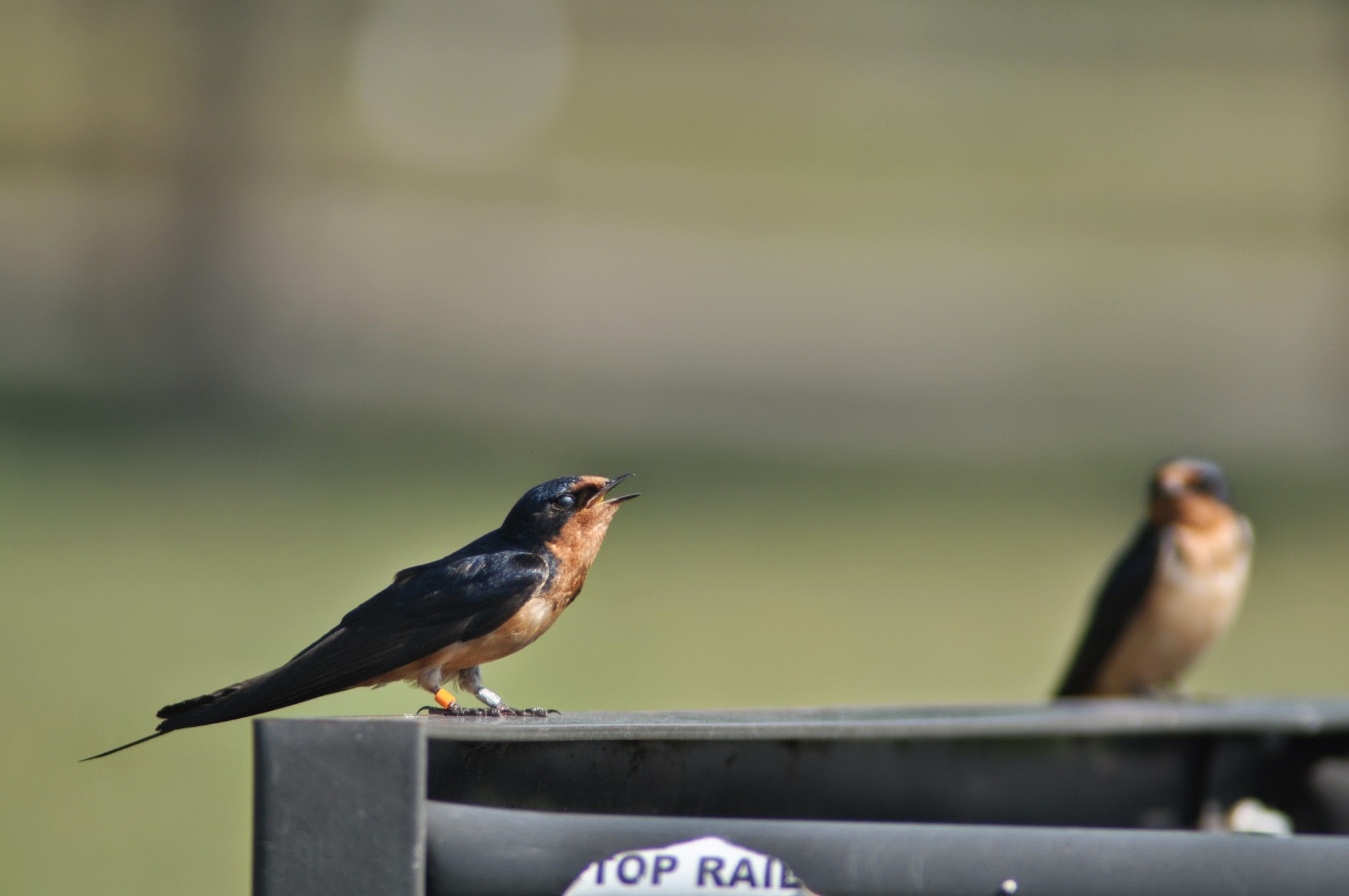
Heard that Bird: Creanza Lab develops free curriculum to teach birdsong identification
The Creanza Lab, along with alumnus Matt Wilkins, BA’06, created a birdsong identification lesson plan for middle and high school students. The game show lets participants identify which birds they can hear in various pop culture media, such as movies, music, or video games. Read MoreJul 2, 2024
-
Gilligan awarded spot in American Geophysical Union’s Voices for Science program
Jonathan Gilligan was awarded admittance to the American Geophysical Union’s 2024-2025 Voices for Science program to hone their communication and advocacy skills to increase understanding and support of science. The program trains scientists to communicate the value of Earth and space science to key decision makers, journalists, and the public, with the hope of solving some of the most critical climate-related challenges facing society. Read MoreJun 21, 2024
-
Vanderbilt scientists develop an algae time machine, advancing biomedicine
A Vanderbilt scientific team has succeeded in adjusting the daily biological clock of cyanobacteria, making the blue-green algae a more prolific producer of renewable fuels, chemicals, and pharmaceuticals, like insulin. Read MoreMay 14, 2024
-
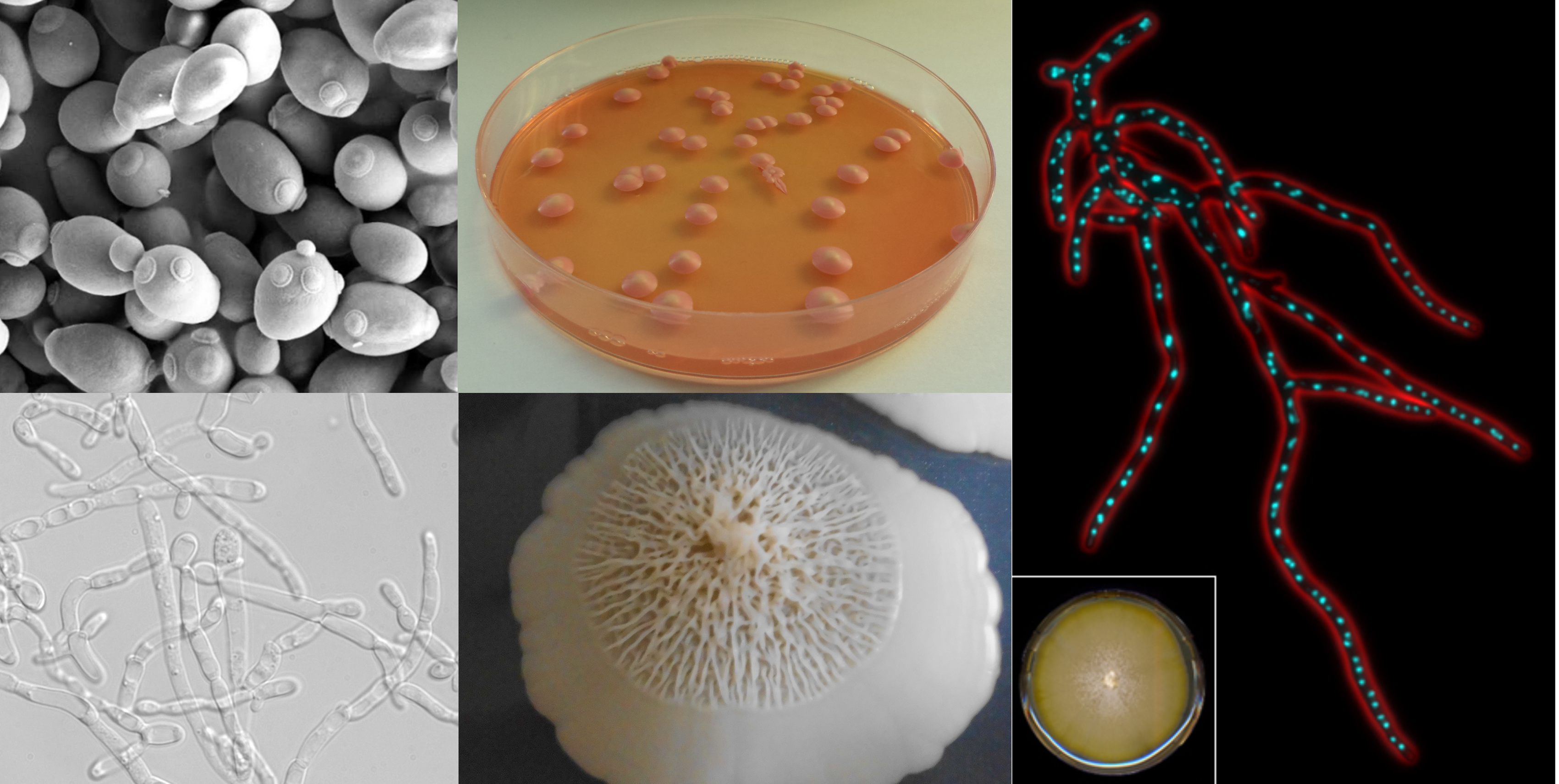
Vanderbilt researchers flip the script on yeast ecological diversity
A mere decade ago, decoding the genome of every organism in a major branch of the tree of life and deciphering their diets was a pipe dream. In a groundbreaking study, a team of researchers from Vanderbilt University, the University of Wisconsin-Madison and other institutions worldwide have done just that for the first time ever. Led by Abigail LaBella, a postdoctoral researcher in the Rokas Lab, an international research team used the genomes and diets of nearly all known species from an ancient lineage of yeasts to understand the evolution of generalists and specialists. Read MoreMay 8, 2024
-
Tapping Into The Past
With a prestigious new grant, archaeologist Ari Caramanica will explore what ancient people can teach us about dealing with the most pressing environmental issue of our time. Read MoreApr 25, 2024
-
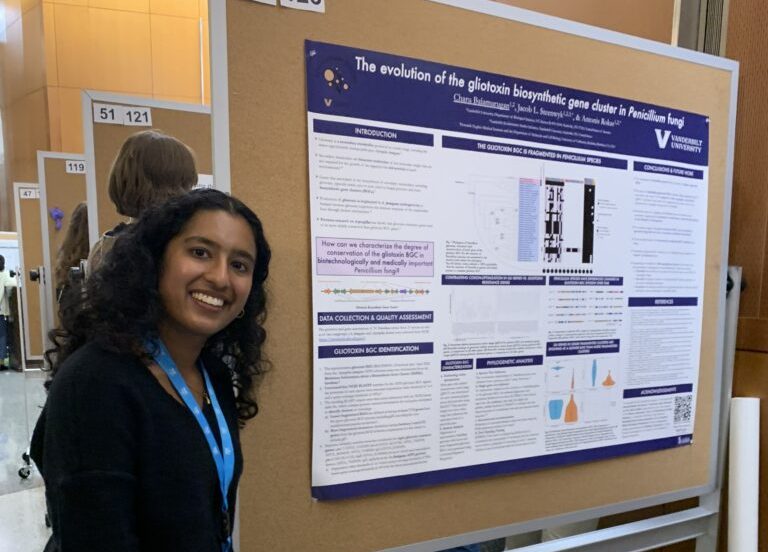
Beckman Scholar Charu Balamurugan unveils evolutionary insights into Penicillium secondary metabolites
Beckman Scholar Charu Balamurugan, an undergraduate researcher in the Rokas lab at Vanderbilt University, has shed light on the intricate evolutionary patterns governing secondary metabolite biosynthesis in fungi. Balamurugan delved deep into the genomes of Penicillium species, uncovering fascinating insights into the conservation and evolution of biosynthetic gene clusters and associated resistance genes. Read MoreApr 4, 2024
-
Insect immune insights: Researchers unveil immune system dynamics
Justin Critchlow, a recent Ph.D. student in Ann Tate’s lab, just published a paper with the labmates Arun Prakash, Katherine Zhong, and Tate, uncovering the intricacies of beetle immune dynamics. This paper sheds light on the dynamics of survival, resilience, and the profound complexities inherent in evolutionary adaptations. Read MoreApr 4, 2024
-

Vanderbilt creates Center for Sustainability, Energy and Climate
Vanderbilt University will harness its global expertise in scientific discovery, technological innovation, public policy, law and education to launch the Vanderbilt Center for Sustainability, Energy and Climate (VSEC). The multimillion-dollar investment follows a recommendation by an interdisciplinary working group to address the crucial societal challenge of ensuring a sustainable world. Read MoreApr 1, 2024