Research
-
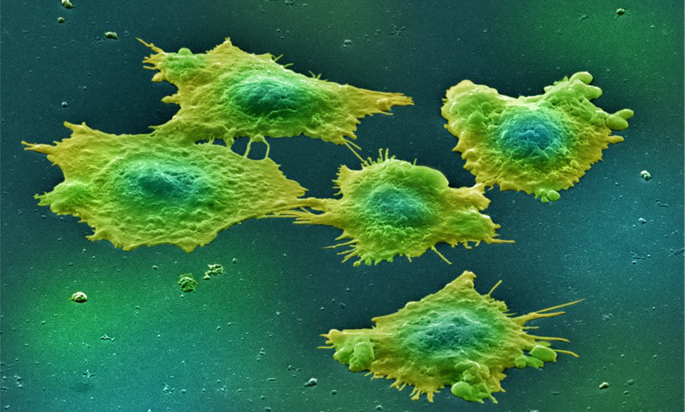
Colon cancer’s protein signatures identified
A Vanderbilt University-led research team has identified protein “signatures” of genetic mutations that drive colorectal cancer, the nation’s second leading cause of cancer deaths after lung cancer. Read MoreJul 24, 2014
-
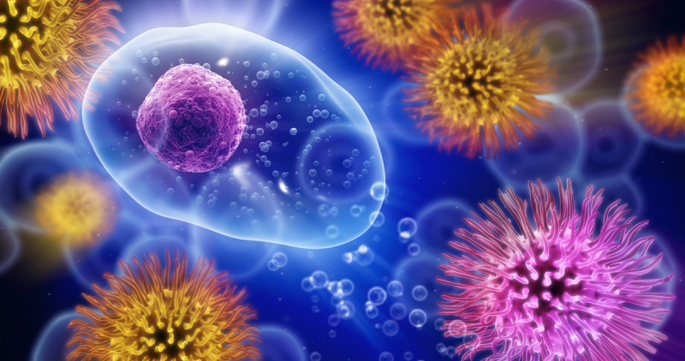
Natural killer cells don’t clear HMPV
Understanding how the immune system responds to the respiratory virus HMPV is crucial for developing vaccines and anti-viral treatments. Read MoreJul 23, 2014
-

Reversing stress-induced anxiety
Augmenting the signals of natural “endocannabinoids” in the brain may be a promising approach for treating mood and anxiety disorders. Read MoreJul 21, 2014
-

Mothers of children with autism benefit from peer-led intervention: study
Peer-led interventions that target parental well-being can significantly reduce stress, depression and anxiety in mothers of children with disabilities. Read MoreJul 21, 2014
-
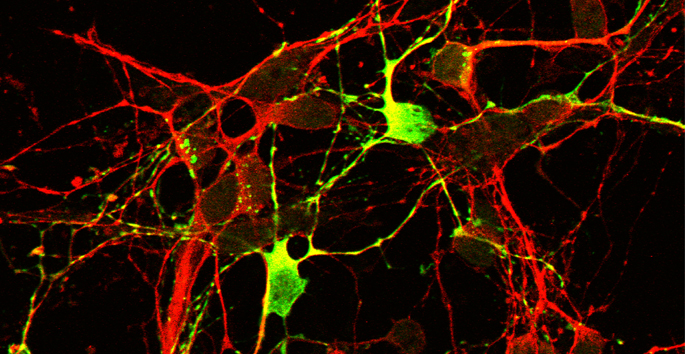
Neural receptor for reovirus
A newly identified receptor allows mammalian reovirus to infect neurons, shedding light on factors important for viral encephalitis. Read MoreJul 18, 2014
-
Breast tissue growth protein may promote cancer: study
A protein essential for growth of normal breast tissue also may play a role in breast cancer, Vanderbilt University researchers have found. Read MoreJul 17, 2014
-
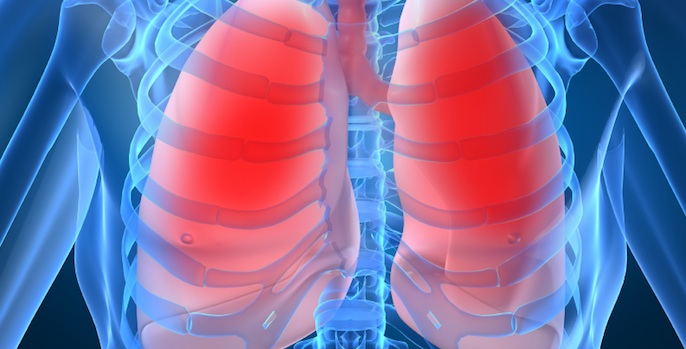
Study identifies antibody that may fight MPV, RSV
New Vanderbilt-led research published in the Journal of Infectious Diseases has identified an antibody that shows promise in preventing and treating human metapneumovirus (MPV) and respiratory syncytial virus (RSV) — the two leading causes of respiratory infections in young children. Read MoreJul 17, 2014
-
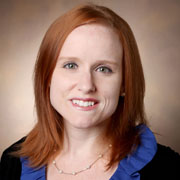
Lovly’s research bolstered by lung cancer foundation
The LUNGevity Foundation has awarded a 2014 Career Development Award for Translational Research to Christine Lovly, M.D., Ph.D., assistant professor of Medicine and Cancer Biology. Read MoreJul 17, 2014
-

Care for newborns with drug withdrawal uneven: study
In the United States, one infant is born each hour with drug withdrawal, known as neonatal abstinence syndrome (NAS), after being exposed to opioid medications like oxycodone in utero. Read MoreJul 17, 2014
-
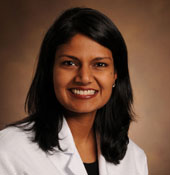
VICC’s Abramson lands breast cancer clinical research award
Vandana Abramson, M.D., assistant professor of Medicine and a breast cancer specialist at Vanderbilt-Ingram Cancer Center, has received the Advanced Clinical Research Award in Breast Cancer from the Conquer Cancer Foundation (CCF). Read MoreJul 17, 2014
-

Regulating immune regulators
Understanding how to control the generation of regulatory T cells could have important implications for treating autoimmunity and cancer. Read MoreJul 17, 2014
-
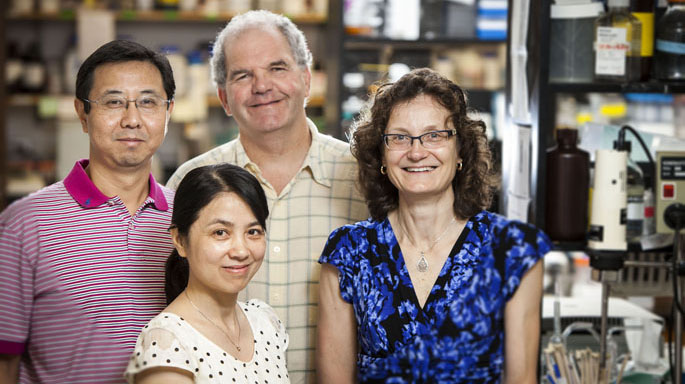
Molecular ‘chat’ holds kidney fibrosis clues
A novel molecular “conversation” regulates kidney fibrosis – the final result of end-stage chronic kidney disease – suggesting new treatment options for this currently irreversible process. Read MoreJul 10, 2014
-

VU, Celgene announce research partnership
Vanderbilt University has formed a scientific partnership with Celgene Corporation to investigate new uses for the company’s anti-inflammatory drugs that are already on the market. Read MoreJul 10, 2014
-

Touted benefits of new EPA emissions limits may be misleading
A Vanderbilt researcher says the EPA is being too expansive in how it measures carbon dioxide emissions. Read MoreJul 9, 2014
-
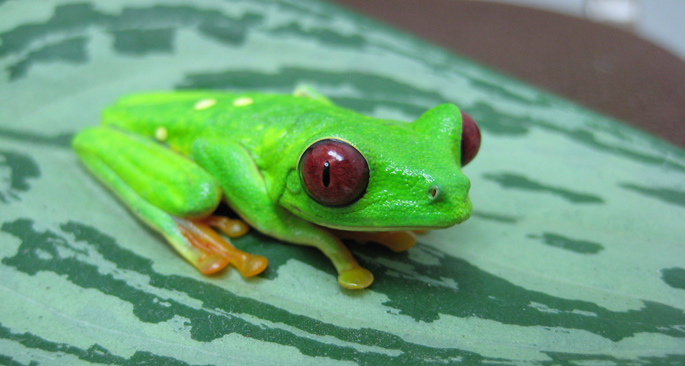
Study finds ‘hot’ frogs fight off fungal pathogen
Simple heat treatments may give the frog immune system a boost and help it fight off a deadly fungal pathogen, according to a new study published July 10 in the journal Nature. Read MoreJul 9, 2014
-
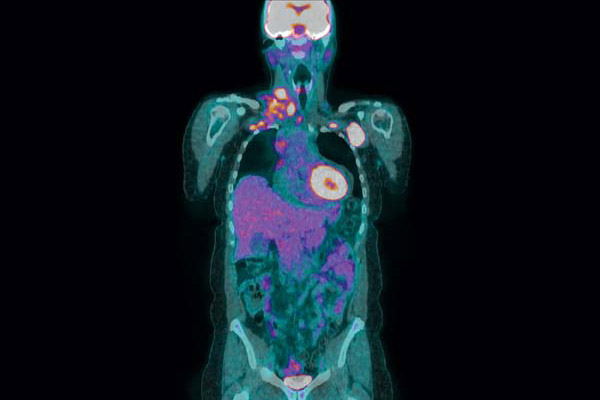
Bringing Cancer to Light: Radiology’s invisible energies play lead role in cancer care
It all started with a faint glow. It was November 1895, and the German physicist Wilhelm Roentgen was experimenting with an early cathode ray tube—a vacuum tube with a contained electric current. During his experiments he noticed an odd fluorescence in crystals on a nearby table. Surprisingly, the glow continued even… Read MoreJul 7, 2014
-

Wall Street Journal: Selling health insurance at Christmas is bad idea
Asking lower-income people to contemplate buying coverage around the holiday season is a bad idea because they are too financially stressed, but a good time is tax refund season, says new research co-authored by John Graves, assistant professor of health policy. Read MoreJun 26, 2014
-

Rousseau appointed to NIH study group
Vanderbilt researcher Bernard Rousseau, Ph.D., is being appointed to the Motor Function, Speech and Rehabilitation Study Section at the Center for Scientific Review, National Institutes of Health, for the term beginning July 1 and ending June 30, 2020. Read MoreJun 26, 2014
-

Aliyu receives alumnus award from UAB
Muktar Aliyu, M.D., MPH, Dr.P.H., associate director for Research at the Vanderbilt Institute for Global Health, is the recipient of the 2014 Alumnus Award for Scientific Excellence from the University of Alabama at Birmingham School of Public Health. Read MoreJun 26, 2014
-
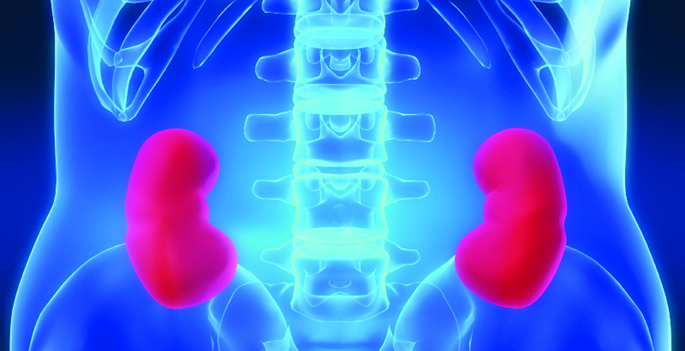
VU study shows common diabetes drug can slow chronic kidney disease progression
Vanderbilt investigators have demonstrated in two studies that metformin-based treatments delay the onset and progression of chronic kidney disease (CKD) compared with other treatments for diabetes. Read MoreJun 26, 2014