Research
-

Protein interaction protects against neurodegeneration
Two proteins interact to maintain selenium levels in the brain, and protect neurons from degeneration. Read MoreSep 2, 2014
-

Are college football coaches overpaid?
Two Vanderbilt professors compared salaries and contracts of more than 950 college football coaches to top CEOs. The research found that college football coaches are not overpaid. Read MoreSep 2, 2014
-

Skin biopsy to diagnose depression?
It may be possible to use skin cells as biomarkers to diagnose and manage depression. Read MoreAug 29, 2014
-

Limiting breast cancer metastasis
Vanderbilt researchers have identified a new target for blocking breast cancer metastasis. Read MoreAug 28, 2014
-

VU receives grant renewal from Autism Speaks
Autism Speaks is renewing Vanderbilt University as an Autism Treatment Network (ATN) site with a three-year, $420,000 grant. Read MoreAug 28, 2014
-

Ascano seeks to shed light on cellular stress response
Ebola. Chikungunya. Influenza. What’s to be done about these headline-grabbing, debilitating, often lethal viruses? Read MoreAug 28, 2014
-

Fighting bureaucracy by improving it
Everybody hates being caught up in bureaucracy. Ed Rubin at Vanderbilt Law School says things could work a lot better. Read MoreAug 26, 2014
-

Major grant spurs deeper look into ‘good cholesterol’
In some cases, HDL, the "good cholesterol," may not function properly and may actually accelerate atherosclerosis. Read MoreAug 21, 2014
-

Transfusions ease strokes for children with sickle cell
Vanderbilt-led research found regular blood transfusion therapy significantly reduces the recurrence of strokes in children with sickle cell anemia who have previously had "silent" strokes. Read MoreAug 21, 2014
-

Study examines factors that boost suicide risk for doctors
A retrospective analysis of Tennessee physicians who underwent fitness-for-duty evaluations by Vanderbilt found an “astoundingly” high rate of suicide among physicians who were found unfit to practice, were in solo practice, or if they were taking anti-anxiety drugs. Read MoreAug 21, 2014
-
Research Staff Awards nominations sought
Vanderbilt University Medical Center is accepting nominations for the 2014 Research Staff Awards in the following categories: Read MoreAug 21, 2014
-

New technique accelerates genome editing process
It sounds like a potato chip. But CRISPR is actually the acronym for a new genome editing technique that, by many accounts, is accelerating the study of genes and disease. Read MoreAug 21, 2014
-
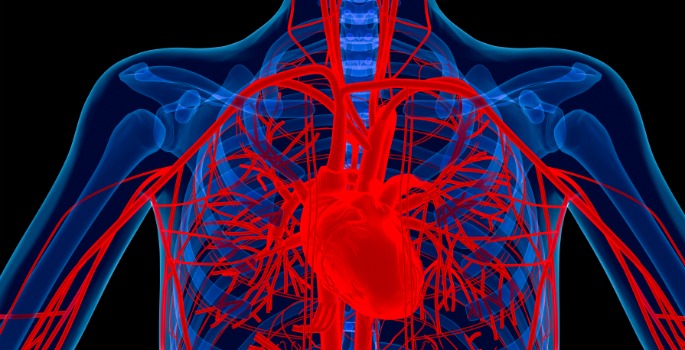
Study finds coronary arteries hold heart-regenerating cells
Endothelial cells residing in the coronary arteries can function as cardiac stem cells to produce new heart muscle tissue, Vanderbilt University investigators have discovered. Read MoreAug 20, 2014
-

Combined drugs and therapy most effective for severe nonchronic depression
The odds that a person who suffers from severe, nonchronic depression will recover improve substantially when treated by drugs and therapy. Read MoreAug 20, 2014
-

Enzyme holds the door for influenza
Compounds developed at Vanderbilt University may offer a new way to block influenza infection. Read MoreAug 20, 2014
-

Keeping an eye on blast trauma
Understanding the cellular and molecular responses of the eye to blast injury could guide new treatment development. Read MoreAug 19, 2014
-

Vanderbilt enrolling children with autism in medication-related weight gain study
Vanderbilt University is one of four sites in the United States and Canada to enroll children with autism in a study to examine weight gain commonly experienced while taking antipsychotic medication. Read MoreAug 15, 2014
-

Weight regain after gastric bypass
Early weight regain after gastric bypass surgery does not reverse metabolic improvements, and the "hunger hormone" ghrelin might indicate who is susceptible to weight regain. Read MoreAug 15, 2014
-

Team takes 4-D look at brain receptor’s role
Reporting last week in the journal Cell, researchers from Oregon Health and Science University, Harvard Medical School and Vanderbilt University describe the first “four-dimensional” picture of a brain receptor that plays a key role in learning and memory. Read MoreAug 14, 2014
-
Growth factor blockade targets breast tumors
Inhibition of BMP growth factor signaling reduces breast tumor burden and metastasis. Read MoreAug 14, 2014