Research
-

4D printed thermite could make welding in space and combat zones easier, safer
A recent mechanical engineering doctoral graduate has created a material for welding in extreme conditions that could minimize equipment needed and operator hazards. Read MoreJul 20, 2020
-
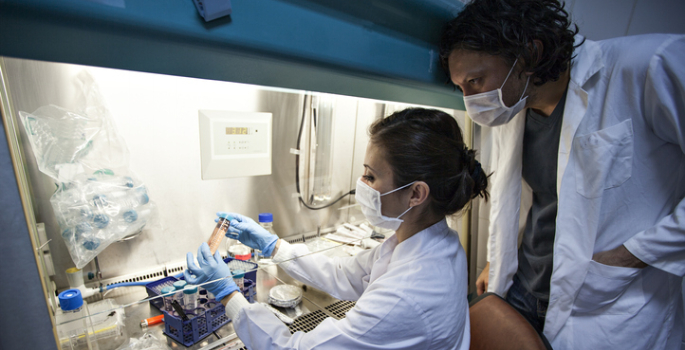
BME junior selected for inaugural NIH program to pursue biomedical graduate degree
Lucy Britto is one of six Vanderbilt undergraduates selected as a MARC scholar in the inaugural 2020 cohort of an innovative National Institutes of Health program. Read MoreJul 15, 2020
-
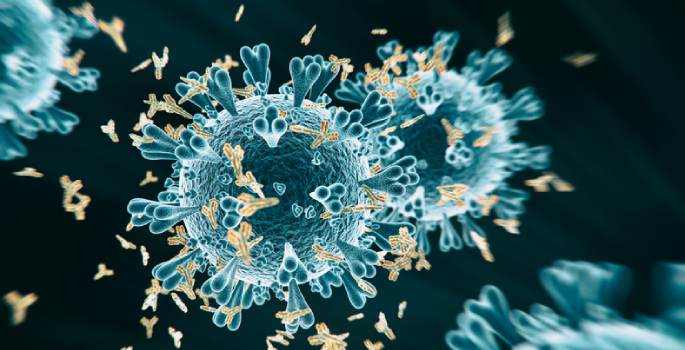
Antibody research at Vanderbilt University Medical Center shows promise in fight against COVID-19
Based on positive results in preclinical studies reported today, potently neutralizing antibodies identified by researchers at Vanderbilt University Medical Center are showing promise as a potential therapy for preventing and treating COVID-19. Read MoreJul 15, 2020
-
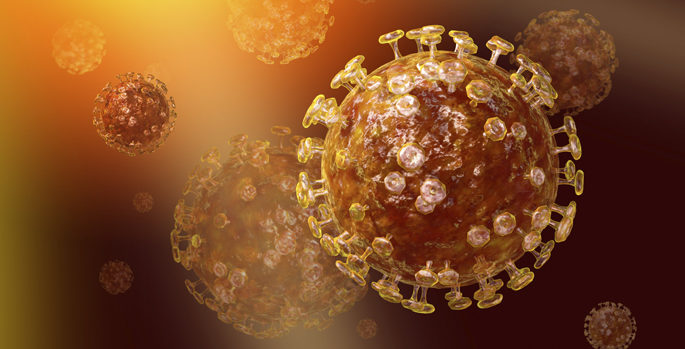
VUMC studies provide key positive results for COVID-19 vaccine in early-stage clinical trial
An experimental coronavirus vaccine stimulated robust immune responses against SARS-CoV-2, the virus that causes COVID-19, and raised no serious safety concerns in an early-stage clinical trial. Read MoreJul 14, 2020
-
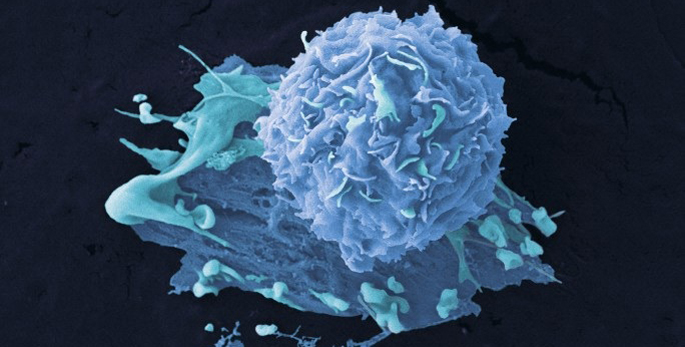
Vanderbilt bioengineer’s trailblazing cancer research receives $1M W. M. Keck Foundation grant
A bold engineering approach by a Vanderbilt University researcher to sort breast cancer cells based on their behavior first has produced compelling data that show less migratory cells create more metastases, contradicting the prevailing hypothesis on how cancer spreads. Read MoreJul 14, 2020
-
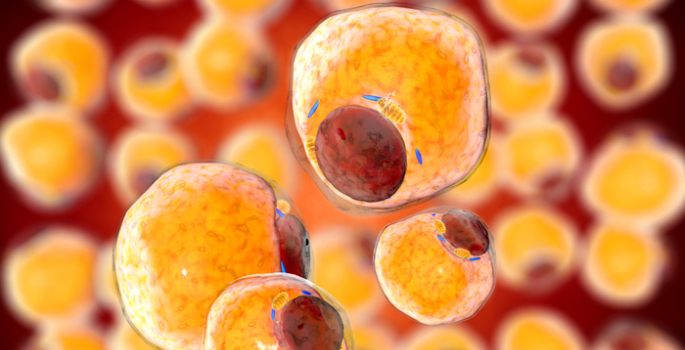
New tools to study bioactive lipids
Vanderbilt researchers have identified and characterized inhibitors of an enzyme that synthesizes lipid signaling molecules with roles in energy balance, inflammation and addiction. Read MoreJul 14, 2020
-

PhD student illuminates science one T-shirt at a time
Necessity as much as aesthetics drove Wilson Adams' interest in graphic design. Read MoreJul 13, 2020
-

“Nur” target may aid arthritis treatment
Vanderbilt immunologists have discovered that the protein Nur77 is part of a control mechanism that guards against autoimmunity in natural killer T cells. Read MoreJul 13, 2020
-
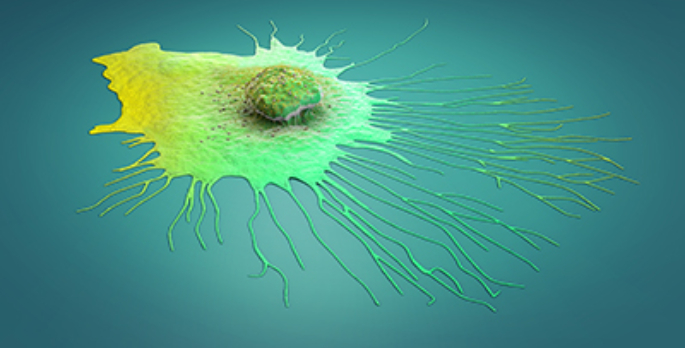
A cell’s breadcrumb trail: Exosomes mediate cell migration
By Sarah Glass Scientists once dismissed the small, membrane-bound particles packed with proteins, nucleic acids, and lipids that are expelled by cells as mere cellular debris. In recent years, however, researchers have discovered that the particles, known as exosomes, serve as chemical signaling packets and play a vital role in intercellular communication. In a... Read MoreJul 12, 2020
-
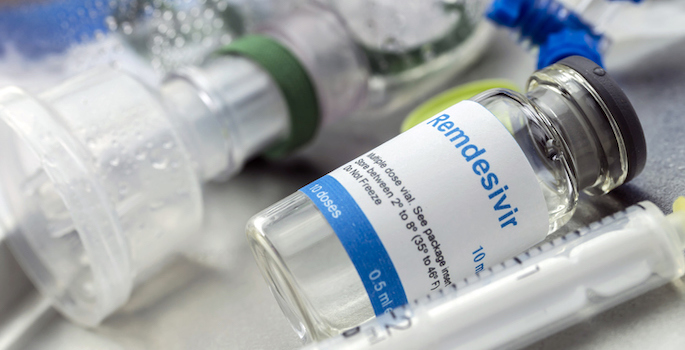
New study supports remdesivir as COVID-19 treatment
This week researchers at Vanderbilt University Medical Center (VUMC), the University of North Carolina at Chapel Hill and Gilead Sciences reported that remdesivir potently inhibited SARS-CoV-2, the virus which causes COVID-19, in human lung cell cultures and that it improved lung function in mice infected with the virus. Read MoreJul 9, 2020
-

Recurrent UTIs linked to hidden reservoir
Bacterial invasion of vaginal cells sets up a protective niche and a reservoir for recurrent urinary tract infections, Vanderbilt researchers demonstrated. Read MoreJul 9, 2020
-

Engineering graduate student wins distinguished ORNL fellowship
Marm B. Dixit, a Ph.D. candidate in the Department of Mechanical Engineering, is a recipient of a Weinberg Distinguished Staff Fellowship in the Energy and Environmental Sciences Directorate at Oak Ridge National Laboratory. “The Weinberg fellowship is a highly competitive, prestigious early-career research opportunity that will enable Marm to create independent research paths, said Flowers Family Faculty... Read MoreJul 9, 2020
-
New space bolsters infectious disease and immunology discovery
The Vanderbilt Institute for Infection, Immunology and Inflammation (VI4) recently moved into its new research and administrative home. Read MoreJul 9, 2020
-
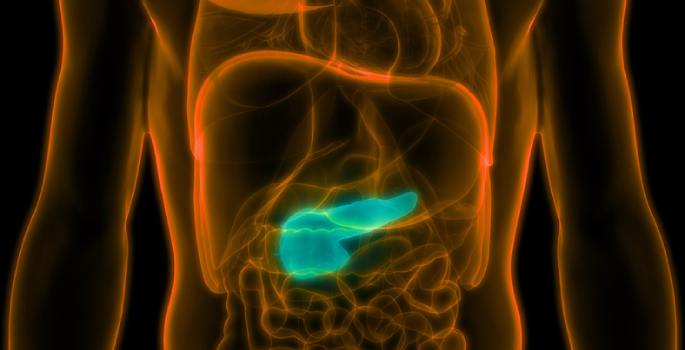
Keeping beta cells “fit”
Vanderbilt cell biologists are defining the factors that help beta cells in the pancreas stay healthy, secrete insulin and prevent diabetes initiation and progression. Read MoreJul 9, 2020
-

Kripalani to lead Center for Health Services Research
Sunil Kripalani, MD, MSc, professor of Medicine at Vanderbilt University Medical Center, has been appointed director of the Vanderbilt Center for Health Services Research. Read MoreJul 9, 2020
-
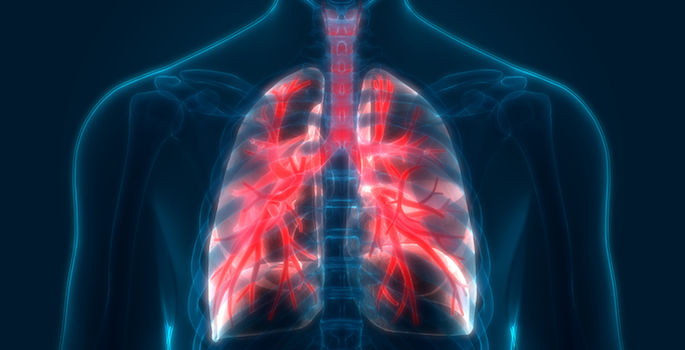
New clues to lung-scarring disease may aid treatment
Scientists at Vanderbilt University Medical Center and the Translational Genomics Research Institute (TGen) in Phoenix, Arizona, have discovered previously unreported genetic and cellular changes that occur in the lungs of people with pulmonary fibrosis (PF). Read MoreJul 8, 2020
-

Software suite expedites reproducible computer simulations
Science moves forward when researchers verify their and others' results. Read MoreJul 8, 2020
-

Dan Work’s Transportation Lab Predicts Extreme Traffic For Some Cities Following COVID-19
What will traffic look like if transit riders become car drivers? A new article, published online by the Work Research Group at Vanderbilt, takes a hard look at transportation modes during and after the COVID-19 pandemic. Read MoreJul 8, 2020
-
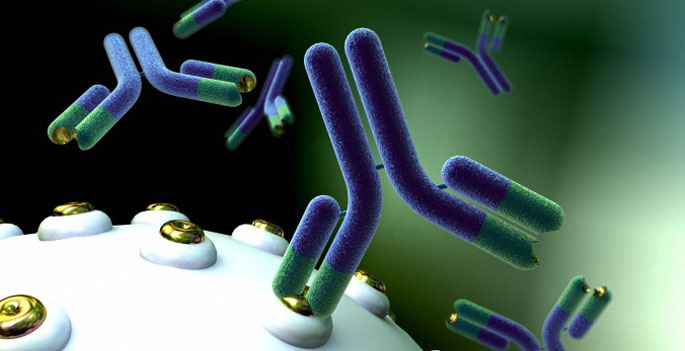
Research team isolates antibodies that may prevent rare polio-like illness in children linked to a respiratory infection
Researchers at Vanderbilt University Medical Center, Purdue University and the University of Wisconsin-Madison have isolated human monoclonal antibodies that potentially can prevent a rare but devastating polio-like illness in children linked to a respiratory viral infection. Read MoreJul 3, 2020
-

Kidambi receives ECS-Toyota Young Investigator fellowship for fuel cell research
Piran Kidambi, assistant professor of chemical and biomolecular engineering, is one of three recipients of an Electrochemical Society Toyota 2020-21 Young Investigator Fellowship awarded for projects in green energy technology. The fellowship is a partnership between the ECS and Toyota Research Institute of North America, a division of Toyota Motor North America. Read MoreJul 3, 2020