Research
-

Opinion: Time to step up local university-industry collaboration in IT
Our shared concern about growing our IT talent pool is undeniably on-target and it's no surprise that recruiting and retaining talented IT professionals in our region is harder than we'd like, writes Doug Schmidt, professor of computer science. Read MoreFeb 13, 2012
-

Opinion: Scientific research is essential to state’s economic health
In this Tennessean opinion piece, Vice Chancellor for Health Affairs Jeff Balser discusses the impact scientific research has in Tennessee and the critical importance of continued federal investment in this research. Read MoreFeb 10, 2012
-
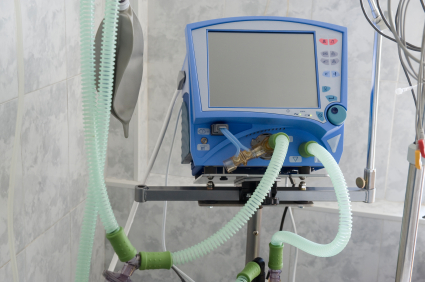
Cutting calories doesn’t reduce ventilator use: study
A new study found that lower-calorie tube feedings do not reduce a patient’s ventilator use. Read MoreFeb 10, 2012
-

Psychology Today: Must cutting calories lead to binge eating?
Vanderbilt psychologist David Schlundt weighs in on the issue of whether or not cutting calories is bound to lead to binge eating and explains why we need to "personalize" our diets. Read MoreFeb 10, 2012
-

Women who eat fish have lower colon polyp risk
Women who eat at least three servings of fish per week have a reduced risk of developing some types of colon polyps according to a new study by Vanderbilt-Ingram Cancer Center investigators. Read MoreFeb 9, 2012
-

Practice of defensive orthopaedic medicine costs U.S. $2 billion annually
A Vanderbilt study suggests unnecessary costs associated with the practice of defensive medicine play a substantial role in the nation’s rising cost of health care. Read MoreFeb 9, 2012
-

Matchmaker for clinical studies
ResearchMatch.org is a web-based registry that is connecting participants and researchers for clinical studies. Read MoreFeb 8, 2012
-

Tool finds connections in genome data
A new analytical tool points to genes that act together to increase disease risk. Read MoreFeb 8, 2012
-

Adding to the periodic table
Nuclear physicist Joseph Hamilton (Daniel Dubois / Vanderbilt) The year has gotten off to a good start for modern-day alchemists like Vanderbilt physicists Joe Hamilton and A.V. Ramayya who are engaged in the extremely challenging scientific endeavor of extending the periodic table by creating new… Read MoreFeb 7, 2012
-

Prostate size may help in predicting cancer severity
Severity of cancer could be predicted by prostate size. Read MoreFeb 3, 2012
-
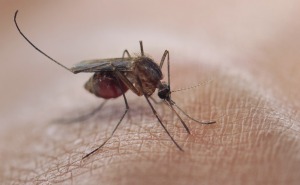
VU researcher has personal motive for investigating malaria
Vanderbilt researcher and Gabon, Africa, native is working to discover ways to kill malaria-spreading mosquitoes. Read MoreFeb 3, 2012
-

Treatment window for genetic disorder
Treatment with a drug used to prevent organ rejection partially reverses the course of tuberous sclerosis, research in mice suggests. Read MoreFeb 1, 2012
-
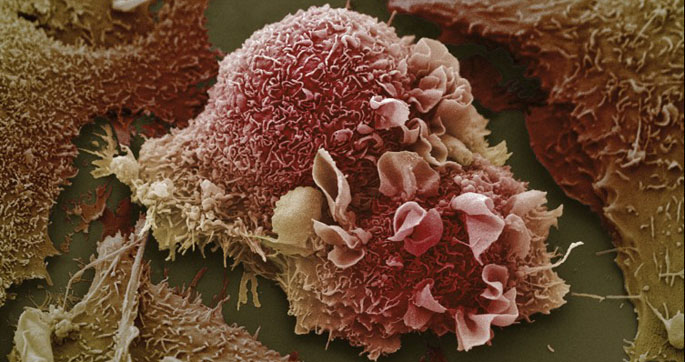
Drugs reverse lung cancer cell changes
Drugs that target “epigenetic” changes may help treat or slow the progression of lung cancer. Read MoreFeb 1, 2012
-

Spirit of Innovation
The Center for Technology Transfer and Commercialization is taking Vanderbilt researchers’ inventions to new heights An array of instruments and gadgets found in the Olin Hall laboratory of Professor of Mechanical Engineering Michael Goldfarb. (John Russell/Vanderbilt) Use the term “inventor,” and what pops to mind? The wild-haired Dr. Emmett… Read MoreFeb 1, 2012
-

Education policies in Appalachian region focus of new Peabody research
A $28 million, five-year grant from the Institute for Education Sciences will fund Peabody research on education policies in the Appalachian region. Read MoreJan 31, 2012
-

Pathways to STEMM professions explored in upcoming issue of Peabody Journal of Education
The latest issue of the Peabody Journal of Education examines pathways to STEMM professions through a collection of articles. Read MoreJan 31, 2012
-
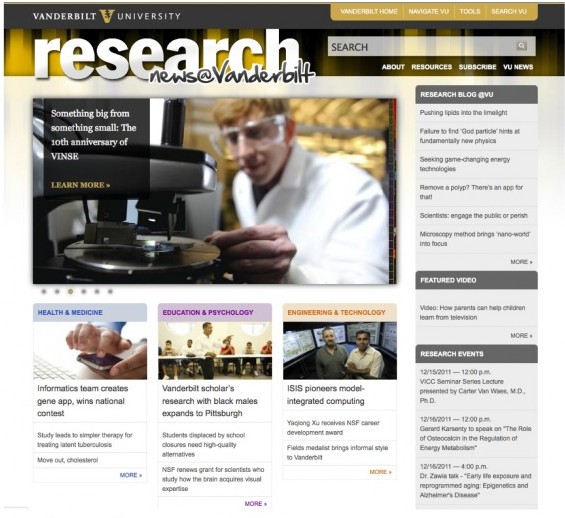
Research News wins CASE award
Research News @ Vanderbilt has been recognized with a CASE District III Award of Excellence in the Electronic Newsletters, Blogs and Tabloids category. Judges pointed to the great photography and headlines on the site in their remarks. Not bad for our first year of operation!… Read MoreJan 27, 2012
-
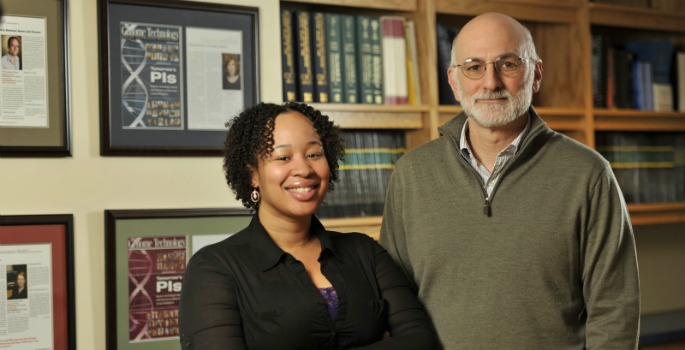
Colorectal cancer risk related to gene’s expression
Individuals who are outside the normal range of expression for the adenomatous polyposis coli (APC) gene have an increased risk of colorectal cancer, according to a study published in the January issue of Gastroenterology. Read MoreJan 27, 2012
-

Investigators seek clues to resistance to melanoma drug
Investigators at Vanderbilt-Ingram Cancer Center and several other centers may be one step closer to finding out why some melanoma patients relapse after treatment with a promising new drug. Read MoreJan 26, 2012
-

Protein repairs esophageal DNA damage
A protein involved in repairing DNA damage associated with gastric reflux may play a tumor suppressor role in the esophagus and could represent a target for therapies to combat esophageal cancer. Read MoreJan 25, 2012