Research
-

Vanderbilt expert: Corker taking judicious approach toward Iran
Media Note: Vanderbilt has a 24/7 TV and radio studio. The studio is free for Vanderbilt experts, other than reserving fiber time. More information » Bruce Oppenheimer U.S. Sen. Bob Corker of Tennessee is working to protect congressional prerogative on any nuclear agreement with Iran while avoiding the… Read MoreApr 8, 2015
-

Micelle “packets” deliver cancer drugs
Vanderbilt researchers designed micelle “packets” to selectively deliver anti-cancer drugs to breast cancer cells. Read MoreApr 8, 2015
-

California’s solar incentive program has had only modest impact on adoption rates
California's aggressive incentive program for installing rooftop solar-electric systems has not been as effective as generally believed according to a new analysis. Read MoreApr 7, 2015
-

Computer science student receives Symantec Graduate Fellowship
Computer science graduate student Bo Li has been awarded a Symantec Research Labs Graduate Fellowship. She is one of three recipients nationwide of the prestigious fellowship. Read MoreApr 6, 2015
-

New player in heart cell growth
Vanderbilt researchers have identified a new protein involved in heart cell growth, which could improve understanding of pathologic cardiac hypertrophy. Read MoreApr 6, 2015
-

Expert: Stop complaining about the moral decline of Western society
Morality is not declining in the modern world, says Edward Rubin, University Professor of Law and Political Science, in a new book. Instead, a new morality is replacing the previous one. Read MoreApr 3, 2015
-

Cancer signaling pathway blocker
Researchers at Vanderbilt University have discovered a new way to inhibit Hedgehog (Hh) signaling, an important regulatory pathway for vertebrate development – and cancer. Read MoreApr 3, 2015
-

Gene variant, environment can boost RSV severity
A particular genetic mutation combined with an urban environment increases the risk of severe disease in children infected with respiratory syncytial virus (RSV), an international team of investigators has found. Read MoreApr 2, 2015
-

Aging insights from budding yeast
The proteins that control entry and exit from the cell nucleus influence aging, Vanderbilt researchers have discovered. Read MoreApr 2, 2015
-
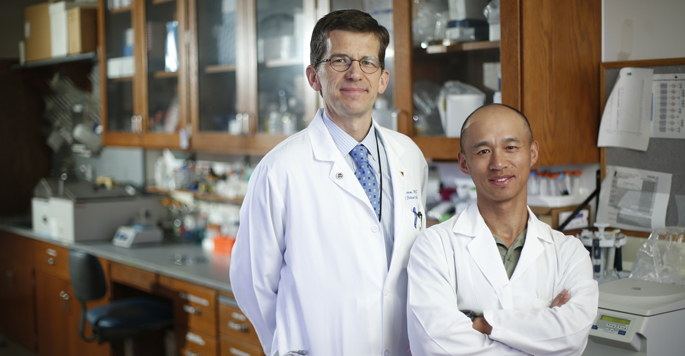
Study explores driver behind lung cancer tumor progression
Vanderbilt-Ingram Cancer Center investigators have identified the mechanisms used by a gene and its binding protein to drive tumor growth in several forms of cancer, including non-small cell lung cancer. Read MoreApr 2, 2015
-

Game theory reveals new ways to protect de-identified data
A new study from Vanderbilt introduces an adroit and flexible strategy to quash attacks on patient privacy and aid the flow of vital research data. Read MoreApr 2, 2015
-

Uruguayans skeptical as government takes control of marijuana market
Nearly 60 percent of Uruguayans disapprove of their governments move to take over the marijuana market, according to a LAPOP survey. Read MoreMar 31, 2015
-

Four ways to improve U.S. tax system
VIDEO» The United States tax system could be improved by going back to its constitutional roots as a tax on upper classes that doesn’t apply to working class families, says a tax expert from Vanderbilt Law School. Read MoreMar 30, 2015
-

‘College of the future’ topic of engineering lecture April 7
As technological advances ‘evolutionize’ higher education, award-winning author and speaker Jeffrey Selingo imagines what the college of the future will look like. Read MoreMar 27, 2015
-
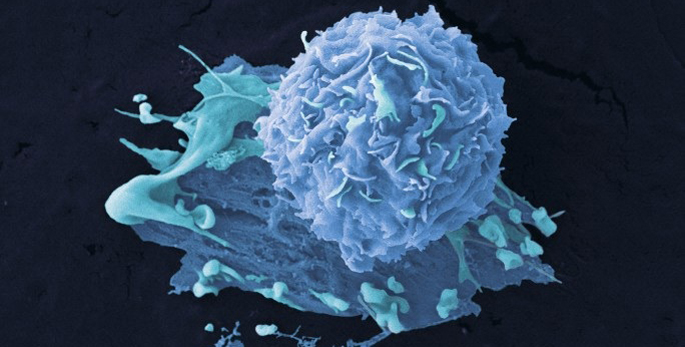
‘Docking stations’ on chromosomes new anti-cancer target
Vanderbilt University researchers have discovered a cleft in a chromosome-binding protein that may hold the key to stopping most cancers in their tracks. Read MoreMar 26, 2015
-

ResearchMatch adds new clinical trials feature
Patients seeking to participate in clinical trials have a new option in online tools for finding studies that might offer hope for their problem or condition. Read MoreMar 26, 2015
-
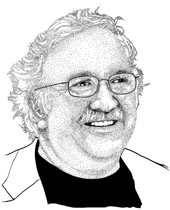
Discovery Lecturer O’Rahilly to explore obesity, insulin resistance
Sir Stephen O’Rahilly, M.D., an expert in metabolic and endocrine diseases, will deliver the next Flexner Discovery Lecture on Thursday, April 2. Read MoreMar 26, 2015
-

Nominations for Vanderbilt Prize Scholar sought
Nominations for this year’s Vanderbilt Prize Scholar are now being accepted. The deadline is April 24. Read MoreMar 26, 2015
-

Vanderbilt and Pittsburgh to lead new center to identify toxic chemicals
EPA is establishing a new center at Vanderbilt University and the University of Pittsburgh to develop an alternative approach for toxicity testing to help evaluate the safety of the 80,000-plus chemicals in general commerce. Read MoreMar 25, 2015
-

Nearly half of Brazilians support coup if corruption is high: LAPOP
A survey in Brazil by Vanderbilt's LAPOP project shows that the public there is open to a military coup in times of high government corruption. Read MoreMar 25, 2015