Health And Medicine
-
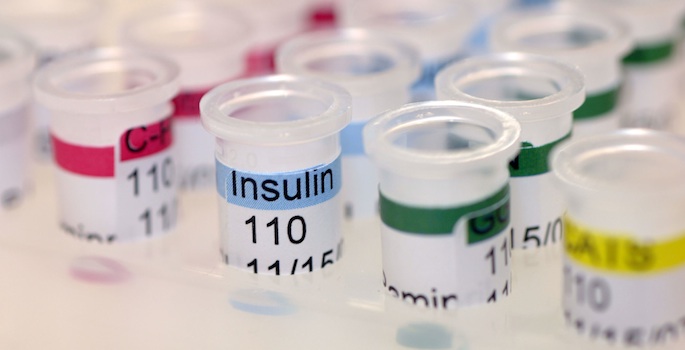
Study tracks insulin’s risks as second-line diabetes medication
In an observational study by researchers at Vanderbilt University Medical Center, adults with type 2 diabetes who take insulin in addition to the recommended first-line drug therapy, metformin, had a 30 percent higher risk of heart attack, stroke or death when compared to similar patients who instead augment their metformin regimen with a sulfonylurea. Read MoreJun 12, 2014
-

Men’s health issues In Tennessee vary widely based on race, ethnicity and geographic region; 2014 Report Card shows progress
White men are more apt to commit suicide or die from a drug overdose or in a car wreck. Black men are more prone to suffer from chronic diseases and HIV. Hispanic men are disproportionately affected by colorectal cancer. Men in rural and urban areas seem to face different health challenges too. Read MoreJun 10, 2014
-

Rising tobacco epidemic in Asia linked to elevated risk of death
A new study estimates that tobacco smoking has been linked to approximately 2 million deaths among adult men and women in Asia in recent years and predicts a rising death toll. Read MoreJun 9, 2014
-
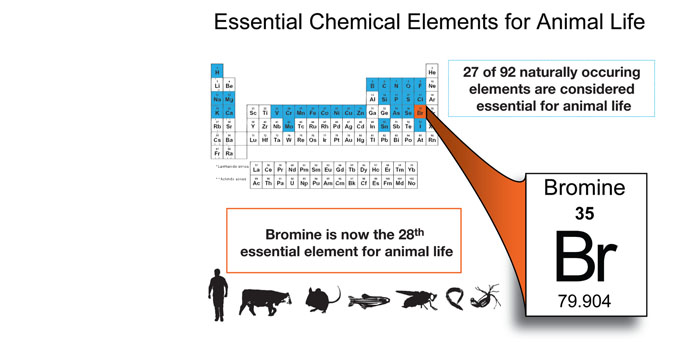
VU investigators confirm bromine’s critical role in tissue development
Twenty-seven chemical elements are considered to be essential for human life. Now there is a 28th — bromine. Read MoreJun 5, 2014
-

Health literacy added to transplant outcomes survey
A Vanderbilt University Medical Center postdoctoral research fellow in the area of transplant outcomes research has added health literacy as a metric to an existing battery of surveys that assess patient-reported outcomes in Vanderbilt transplant patients. Read MoreMay 29, 2014
-

Pioneers of Discovery: Investigator taps into artistic side to reveal cells’ secrets
Dylan Burnette, Ph.D., points to one of the many striking photographs on his office walls. It’s a picture of a cell — a microscopic image showing yellow squiggles, bright purple lines and a turquoise oval on a black background, and it looks like abstract art. Read MoreMay 29, 2014
-

Exploring Wilms tumor race disparity
Unique molecular "fingerprints" could explain the disparity in Wilms tumor incidence and point to novel, race-specific therapeutic targets. Read MoreMay 29, 2014
-

Respiratory virus vaccine candidate
Virus-like particles containing a protein from human metapneumovirus are a promising vaccine candidate for this respiratory virus. Read MoreMay 27, 2014
-

Repair protein’s DNA recognition motif
Insights into the workings of DNA damage response proteins such as SMARCAL1 could suggest new ways to improve genome integrity and prevent cancer. Read MoreMay 23, 2014
-

Urologic cancer studies point to need for referral education
Women with blood in their urine (hematuria) were less than half as likely as men with the same issue to be referred to a urologist for further tests, according to a new VUMC study. Read MoreMay 22, 2014
-
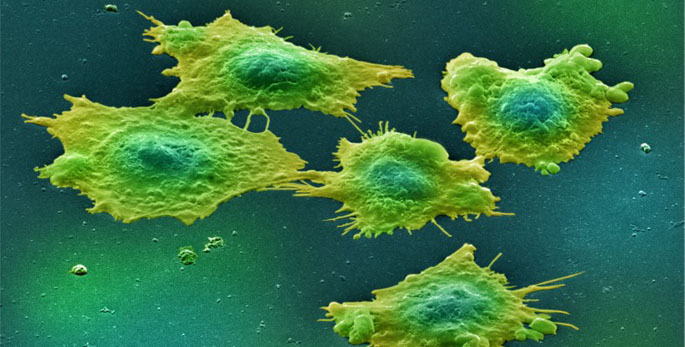
Cellular forces aid tumor invasion
The contractile machinery inside tumor cells increases invasive properties, suggesting it might be a good target to inhibit cancer cell spread. Read MoreMay 22, 2014
-
CaMKII enhances insulin secretion
The protein CaMKII acts as a calcium sensor in a positive feedback pathway that enhances glucose-stimulated insulin secretion. Read MoreMay 14, 2014
-

Normalizing calcium flux to treat atrial fibrillation
A particular anti-arrhythmia drug provides a targeted treatment for certain forms of atrial fibrillation. Read MoreMay 12, 2014
-

Bypassing DNA damage
Studies of a human polymerase that replicates DNA have provided a complete kinetic and structural framework for understanding how the enzyme accurately bypasses DNA damage. Read MoreMay 9, 2014
-

PET probe detects dying tumor cells
A novel PET imaging probe detects tumor cell death in vivo and could be useful for personalizing cancer medicine. Read MoreMay 8, 2014
-
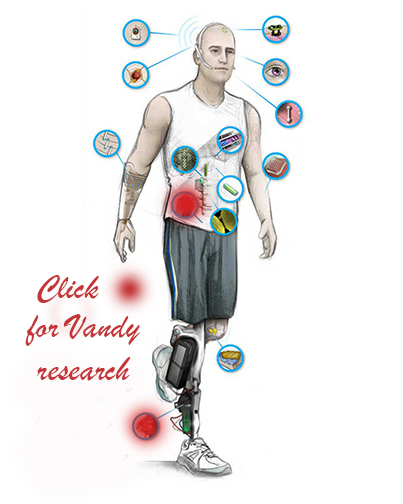
Two Vanderbilt projects featured in new NIBIB “Bionic Man” web tool
The prosthetics research of Michael Goldfarb is featured in "The NBIB Bionic Man," an interactive web tool that helps students and the public learn about innovative federally-funded biomedical research. Read MoreMay 6, 2014
-
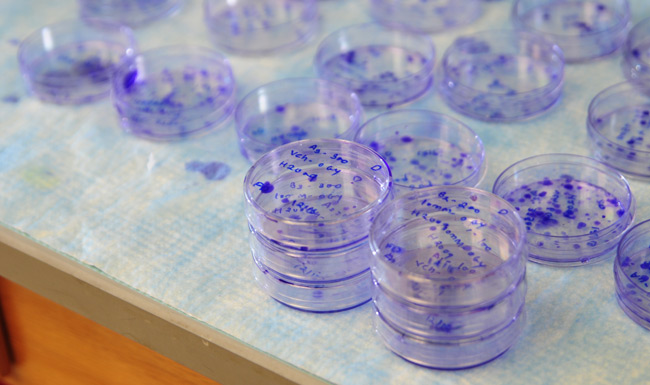
Cutting-edge research to be showcased in May
(Vanderbilt University) Potentially “game-changing” research at Vanderbilt University on infectious diseases, population health and health policy will be showcased during two interactive presentations May 15 and May 22. A segment of the Flexner Discovery Lecture Series, the new “Vanderbilt Cutting-edge Discovery” discussions are highlights of recent presentations… Read MoreMay 1, 2014
-
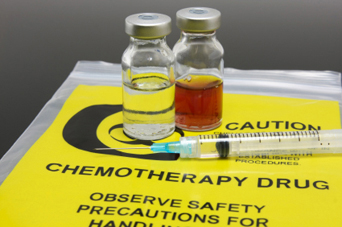
Potential mechanism for myeloma drug’s variable toxicity
A genetic variant is associated with toxicity of the chemotherapy drug melphalan, and could guide individualized dosing for the medication. Read MoreApr 30, 2014
-
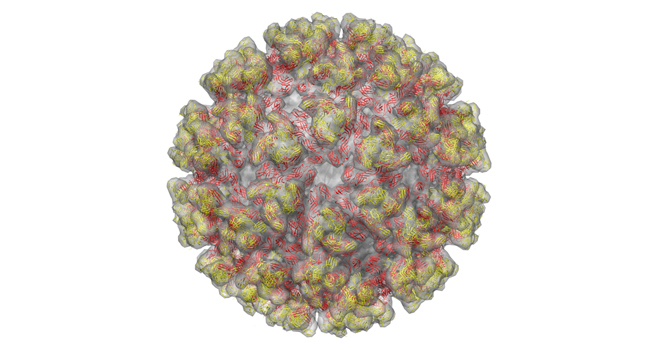
Target cell entry to halt Chikungunya virus
Understanding how chikungunya virus binds to and enters cells offers a new target for antiviral medications. Read MoreApr 28, 2014
-

Increased cell permeability may protect from colitis
Having a “leaky” gut may protect against colitis, a paradoxical finding that alters understanding of the role of cell permeability in intestinal homeostasis and immune regulation. Read MoreApr 25, 2014