Health And Medicine
-

Mindfulness training for parents of children with ASD studied
Amy Weitlauf, Ph.D., assistant professor of Pediatrics, will be leading a study among parents of children with autism spectrum disorder (ASD) to examine the effectiveness of mindfulness training as part of early interventions for children with ASD. Read MoreOct 30, 2014
-
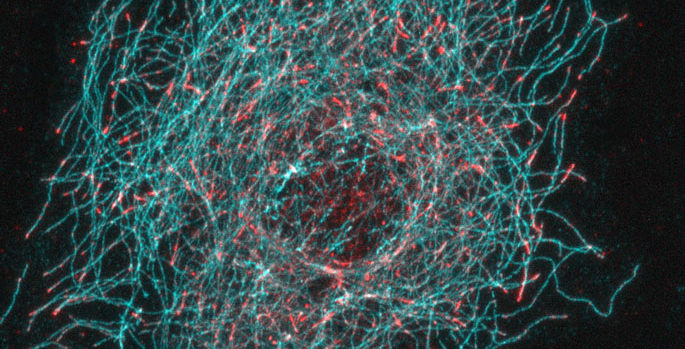
VU study reveals factor’s new role in cell division, migration
Vanderbilt University investigators have discovered a new molecular mechanism that regulates microtubule dynamics. The unexpected finding, reported in Developmental Cell, has implications for cancer drug discovery. Read MoreOct 30, 2014
-
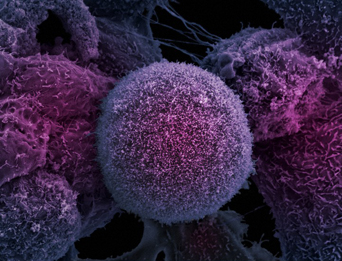
Key to prostate cancer resistance
A combination of two types of therapy may be more effective in treating castration-resistant prostate cancer. Read MoreOct 29, 2014
-

Peptide quells “genomic storm”
A cell-penetrating peptide developed at Vanderbilt blocks the signaling pathways that lead to lethal shock caused by bacterial infection. Read MoreOct 28, 2014
-
Immune cells’ role in hypertension
Vanderbilt researchers have discovered that certain immune cells contribute to the development of hypertension, suggesting novel targets for treating the disease. Read MoreOct 24, 2014
-
ResearchMatch database includes sub-registry for rare sarcoidosis
All ResearchMatch volunteers who self-report as having sarcoidosis will be prompted to answer additional questions to enhance the matching of volunteers with research teams who are studying this condition. Read MoreOct 23, 2014
-

VICC investigators earn breast cancer grants
The grants, which total $830,000, are part of the non-profit organization’s commitment to young scientists, as well as established investigators who are searching for more effective breast cancer therapies. Read MoreOct 23, 2014
-
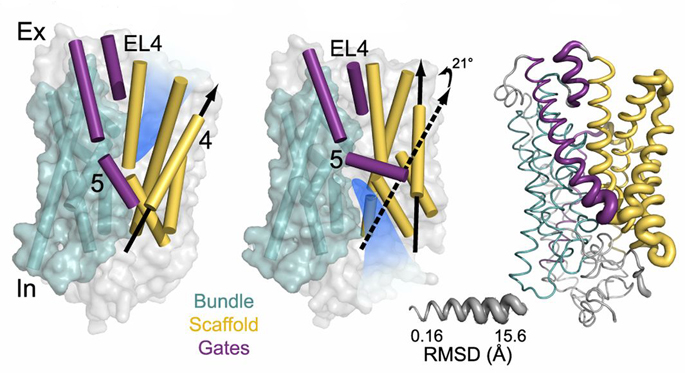
New view of transporter dynamics
New insights to the workings of a protein that moves neurotransmitters across the nerve cell membrane could aid the design of more effective antidepressants. Read MoreOct 23, 2014
-
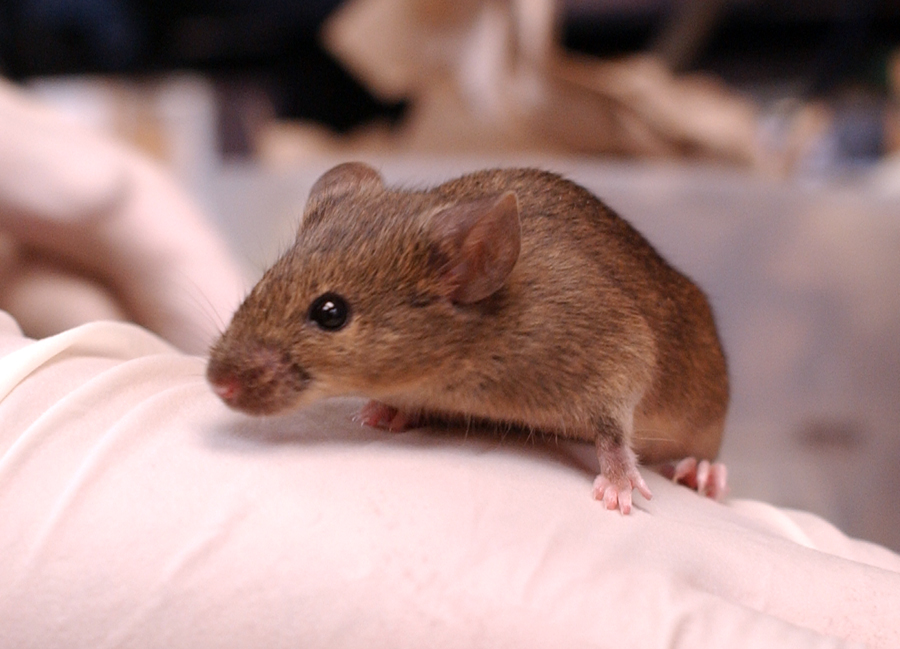
‘Darting’ mice may hold clues to ADHD, autism and bipolar disorder
The transgenic mouse, into which was inserted a rare human genetic variation in the dopamine transporter, could lead to improvements in the diagnosis and treatment of these all-too-common brain disorders. Read MoreOct 23, 2014
-

Staph ‘gangs’ share nutrients during infection: study
Antibiotic-resistant bacteria can share resources to cause chronic infections, Vanderbilt investigators have discovered. The findings shed light on a long-standing question in infectious diseases and may inform new treatment strategies. Read MoreOct 16, 2014
-

VUSN study seeks to improve lymphedema care
A new Vanderbilt University School of Nursing (VUSN) study may lead to earlier detection and better outcomes for the 20-30 percent of breast cancer patients with lymphedema, the painful and stigmatizing arm swelling that often results from treatment. Read MoreOct 16, 2014
-

Lymphocyte study reveals obesity clues
Vanderbilt University researchers are closer to understanding the link between obesity, chronic inflammation and type 2 diabetes. Read MoreOct 16, 2014
-

Antibiotics, fetal vessel defect linked
Certain antibiotics increase the risk of a congenital heart disorder called patency of the ductus arteriosis. Read MoreOct 15, 2014
-

Neuronal culprit in genetic disease
A particular neuronal cell population is involved in the pathogenesis of a rare neurological disorder, Vanderbilt researchers have discovered. Read MoreOct 14, 2014
-

Aspirin and allergies
Drugs such as aspirin and indomethacin may increase sensitivity to airborne allergens by suppressing production of the signaling molecule PGI2, which in turn may offer a new treatment for allergies. Read MoreOct 10, 2014
-

Neuert receives New Innovator Award from NIH
Vanderbilt University biophysicist Gregor Neuert, Ph.D., M.Eng., is among 50 recipients of the 2014 National Institutes of Health (NIH) Director’s New Innovator Award. Each award provides up to $1.5 million in direct research support over five years. Read MoreOct 9, 2014
-

Study finds college athletes more likely to harbor MRSA
College athletes who play contact sports are more than twice as likely to carry the deadly superbug methicillin-resistant Staphylocuccus aureus (MRSA) than peers who play non-contact sports, according to a Vanderbilt study released at IDWeek 2014. Read MoreOct 9, 2014
-

Immune cells that guard against ingested pathogens discovered
Vanderbilt investigators have discovered a new type of immune cell residing in the intestinal epithelium that may function as a first line of defense against ingested pathogens. Read MoreOct 9, 2014
-
Long-range signaling to stem cells
The potential for long-range signaling factors – such as those identified in the current study – to regulate stem cell behaviors has implications in tumor progression and metastasis. Read MoreOct 9, 2014
-

Low-dose aspirin’s protective effect in cancer explained
For years, scientists have known that regular aspirin use may reduce the risk of cancer. Read MoreOct 2, 2014