Health And Medicine
-

Targeting immune suppression to overcome melanoma resistance
For patients with advanced melanoma without BRAF mutation who no longer respond to immune checkpoint inhibitors, treatment options remain frustratingly limited. A new study from Vanderbilt researchers led by Professor Emerita of Pharmacology Ann Richmond outlines a promising therapeutic strategy that may re-sensitize these resistant tumors to immunotherapy. Read MoreFeb 26, 2026
-

Frist Center for Autism and Innovation staff members receive prestigious Nimoy-Knight Foundation Award
Two staffers at the Frist Center for Autism and Innovation have received Live Long and Prosper Tribute Awards from the Nimoy-Knight Foundation. Director of Communications Jessica Schonhut-Stasik, founder of The Neuroverse Initiative, works to create pathways for neurodivergent people in the space sciences. Project manager and author Dave Thompson champions the unique perspectives and talents of the neurodivergent community. The LLAP award recognizes people who embody the values of Star Trek: exploration, diversity and the pursuit of a better future for all. Read MoreFeb 13, 2026
-

Vanderbilt announces fall 2025 internal research funding award recipients
Vanderbilt University has announced its fall 2025 recipients of the Seeding Success, Scaling Success and Rapid-Advancement MicroGrant Program awards, providing internal funding to help faculty launch new research directions, strengthen proposals and compete for major external grants. Read MoreFeb 9, 2026
-
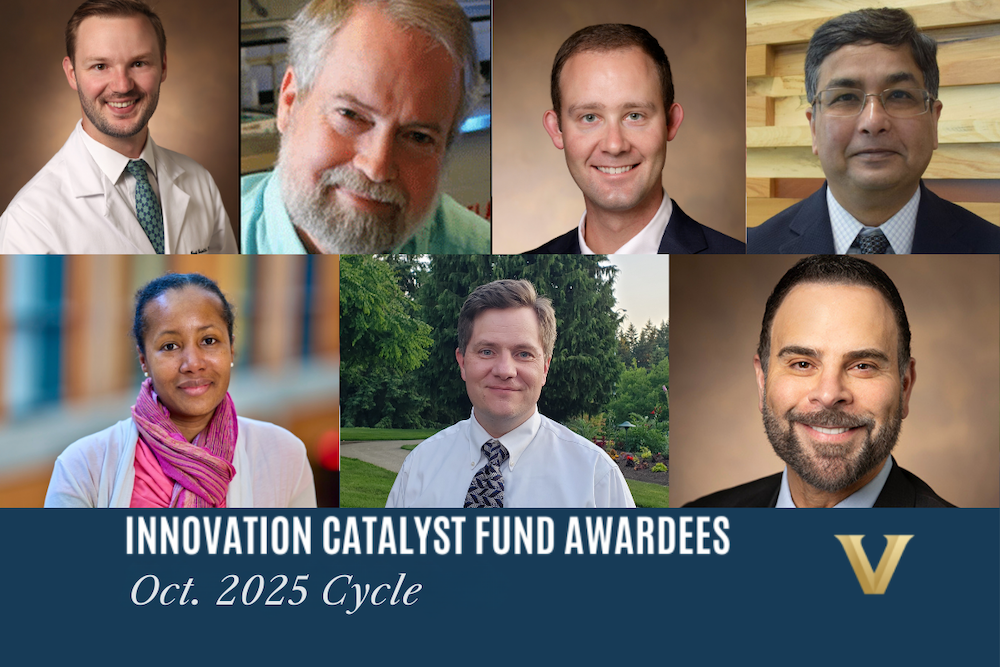
Innovation Catalyst Funds awarded to seven faculty from October 2025 cycle
Vanderbilt University announced seven recipients of the Innovation Catalyst Fund awards for the October 2025 cycle. The awards offer strategic pre-seed funding to help faculty across a wide range of disciplines turn promising research concepts into tangible solutions that address fundamental societal needs. Read MoreFeb 2, 2026
-

A more realistic way to study cocaine use could accelerate addiction research
Research into combating cocaine addiction has been limited by the difficulty in structuring accurate animal models; standard practice relies on implanting IV catheters that the animals can use to self-dose. Now Assistant Professor Cody Siciliano's lab has devised a method that more closely mimics cocaine use in humans—effectively, a way for the animals to snort cocaine. This makes the animal model more analogous to human experience, and it reduces surgical and intravenous procedures for the animals. "This model provides a powerful framework for linking motivated drug use with real-time neural activity, offering new opportunities to study the circuitry underlying reinforcement and decision-making," Siciliano said. Read MoreJan 30, 2026
-
Vanderbilt Institute for Therapeutic Advances launches to redefine drug discovery and biomedical innovation
New drug discovery institute brings together AI, genomics, systems biology and translational research to accelerate cures for major diseases. Read MoreJan 21, 2026
-
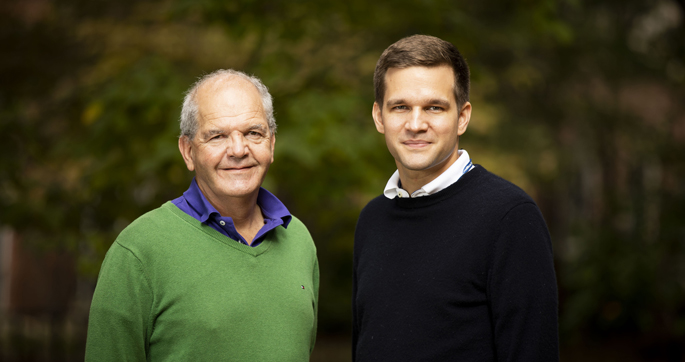
Vanderbilt researchers find protein plays dual roles in repairing damaged kidney
Cells lining crucial structures in the kidney are full of mitochondria—parts of the cell that help it do its job. The cost of doing that job, though, can be damage to the mitochondria, which then cripples the cells and leads to poor kidney function. Researchers at Vanderbilt University Medical Center have found that the protein Rac1 kicks cell repair into high gear to help the body remove and replace damaged mitochondria. Their work was recently published in the Proceedings of the National Academy of Sciences; Assistant Professor Fabian Bock is among the paper’s authors. Read MoreJan 16, 2026
-

Vanderbilt Kennedy Center announces 2025–26 Nicholas Hobbs Discovery Award recipients
The Vanderbilt Kennedy Center has announced its latest Nicholas Hobbs Discovery Awards, which recognize innovative research to improve the lives of people with intellectual and developmental disabilities. Colleen Niswender, Dr. Bill Nobis, Audrey Bowden and Laurie Cutting are the recipients for 2025–26, earning support for projects that address Rett syndrome, Dravet syndrome and other developmental epilepsies, and reading difficulties like dyslexia. Read MoreDec 4, 2025
-
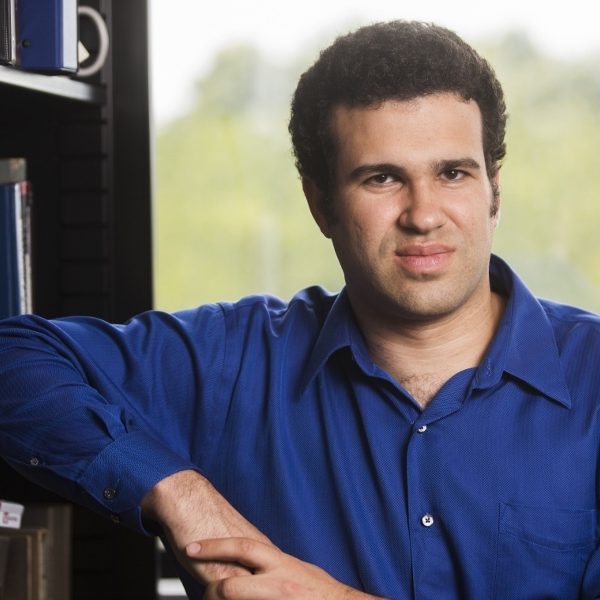
Innovative drug delivery mechanism triggered by cooling could provide targeted pain relief
While using an ice pack to ease pain is nothing new, a Vanderbilt team has taken the concept high-tech. Associate Professor Leon Bellan leads the group that has developed a cold-triggered “depot”—an implantable device that releases medication from within the body on demand. This shows promise on two fronts: Patients can release the medication simply by putting an ice pack over the implant, and locally effective NSAID drugs can be used instead of more addictive opioids. Read MoreDec 4, 2025
-

Second schizophrenia treatment discovered at Vanderbilt’s Warren Center enters phase I clinical trial
A new potential treatment for schizophrenia discovered through the Warren Center for Neuroscience Drug Discovery has entered phase 1 clinical trials, marking the fifth WCNDD therapeutic to advance into human testing. Read MoreNov 20, 2025
-

New technique pioneered at Vanderbilt can identify new risk genes for schizophrenia
Schizophrenia has been proven to be heritable, but typical analyses so far haven’t been able to pinpoint what, genetically, is going wrong in the brain. A new paper by Professor Bingshan Li and research instructor Rui Chen outlines how to improve on existing genetic screening for schizophrenia risk by expanding the areas of the chromosome scanned for genetic signals. Their results point to a “tangible biological pathway—and potential treatment target—linking genetic risk to the pathogenesis of schizophrenia,” Chen said. Read MoreNov 13, 2025
-

Pharmacologist Shan Meltzer receives Edward Mallinckrodt, Jr. Foundation Award to uncover how our sense of touch and pain develops
Shan Meltzer has been awarded a prestigious Edward Mallinckrodt, Jr. Foundation Award to advance her pioneering research that seeks to determine how the body’s sensory circuits form and function. Her work seeks to answer a fundamental question in neuroscience: how do the brain and spinal cord organize their intricate networks to perform such a wide range of functions? Read MoreNov 13, 2025
-

Galvanizing Impact: Vanderbilt’s Catalyst Grants fuel research
At Vanderbilt, research doesn’t just live in the lab. It moves into the world in the shape of new tools, treatments and technologies that improve lives, support communities and expand what’s possible. Read MoreNov 11, 2025
-

Wolters Kluwer and Vanderbilt’s Heard Libraries collaborate on transformative medical research agreement
Wolters Kluwer Health and Vanderbilt University’s Jean and Alexander Heard Libraries have announced a new collaboration that will help support medical breakthroughs and improve access to scholarly research. The agreement, which is an expansion of Wolters Kluwer’s read-and-publish offerings in North America, will run through 2028. Read MoreOct 27, 2025
-
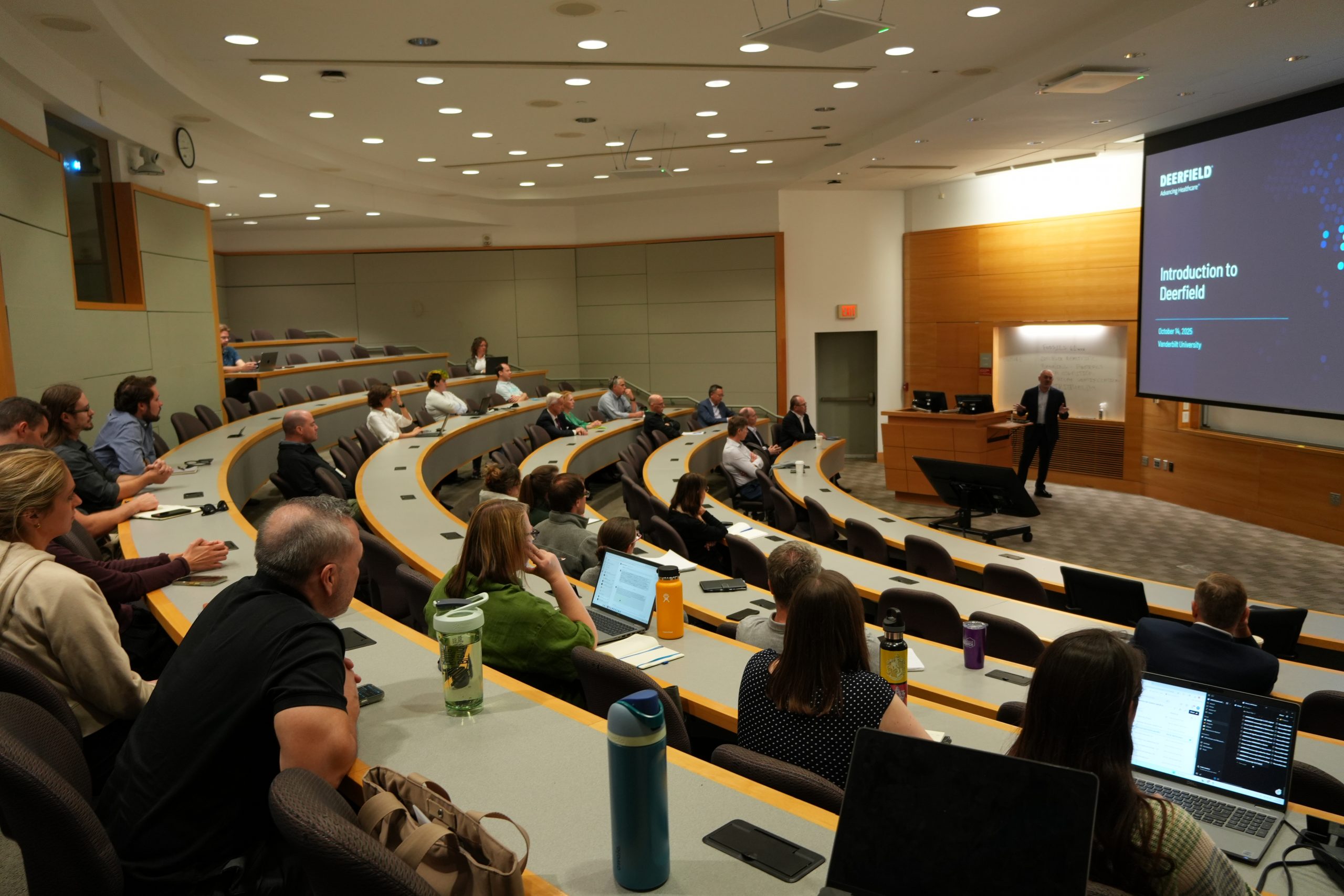
Vanderbilt’s Ancora Partnership: A collaborative journey toward health care innovation
Since the inception of the Ancora Innovations partnership in 2018, Vanderbilt and Deerfield Management have enjoyed a robust collaboration. Deerfield’s commitment includes significant support for advancing translational research and sponsorship of various events across Vanderbilt University and Vanderbilt University Medical Center. Recently, key members of Deerfield's leadership team spent two days at Vanderbilt to engage faculty in discussions about potential projects of mutual interest. Read MoreOct 27, 2025
-

Kristina Thomas Dreifuerst: Teaching nurses to reason and reflect in patient care
RESEARCH SPARK: Learn a key tool new faculty leader Kristina Thomas Dreifuerst is using to prepare the next generation of nurses. Read MoreOct 27, 2025
-
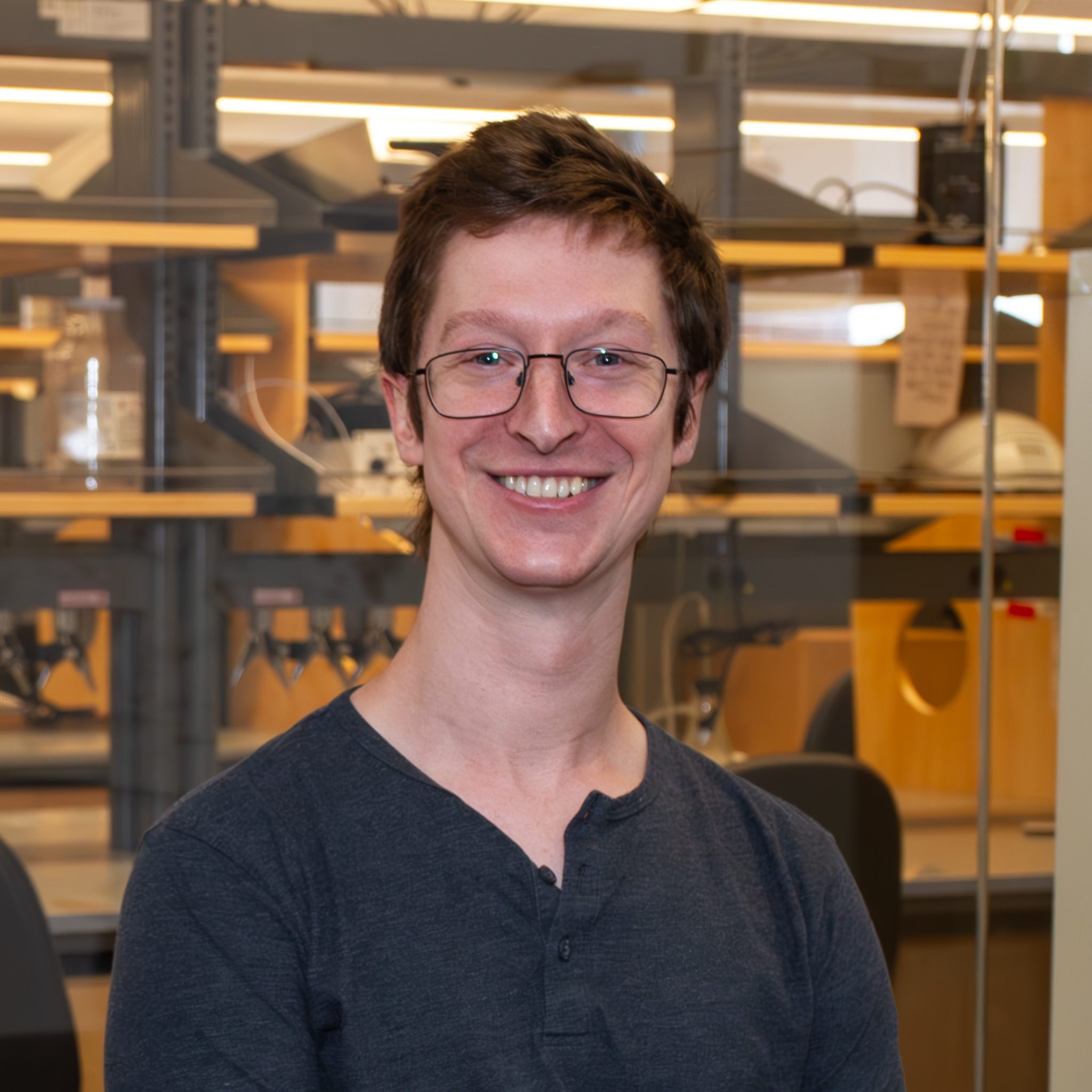
Vanderbilt scientist tackles key roadblock for AI in drug discovery
The role of artificial intelligence in drug discovery has been limited by machine learning methods that fail when they encounter chemical structures they weren’t “trained” on. Assistant Professor Benjamin Brown has written a paper suggesting a more targeted approach: using a task-specific model architecture that’s intentionally restricted to learn from a representation of the interaction space between a protein and a drug molecule and be better able to generalize and figure out which compound might best interact with that protein. That’s important, because identifying those compounds early cuts the costs and time involved in developing drugs. Read MoreOct 24, 2025
-
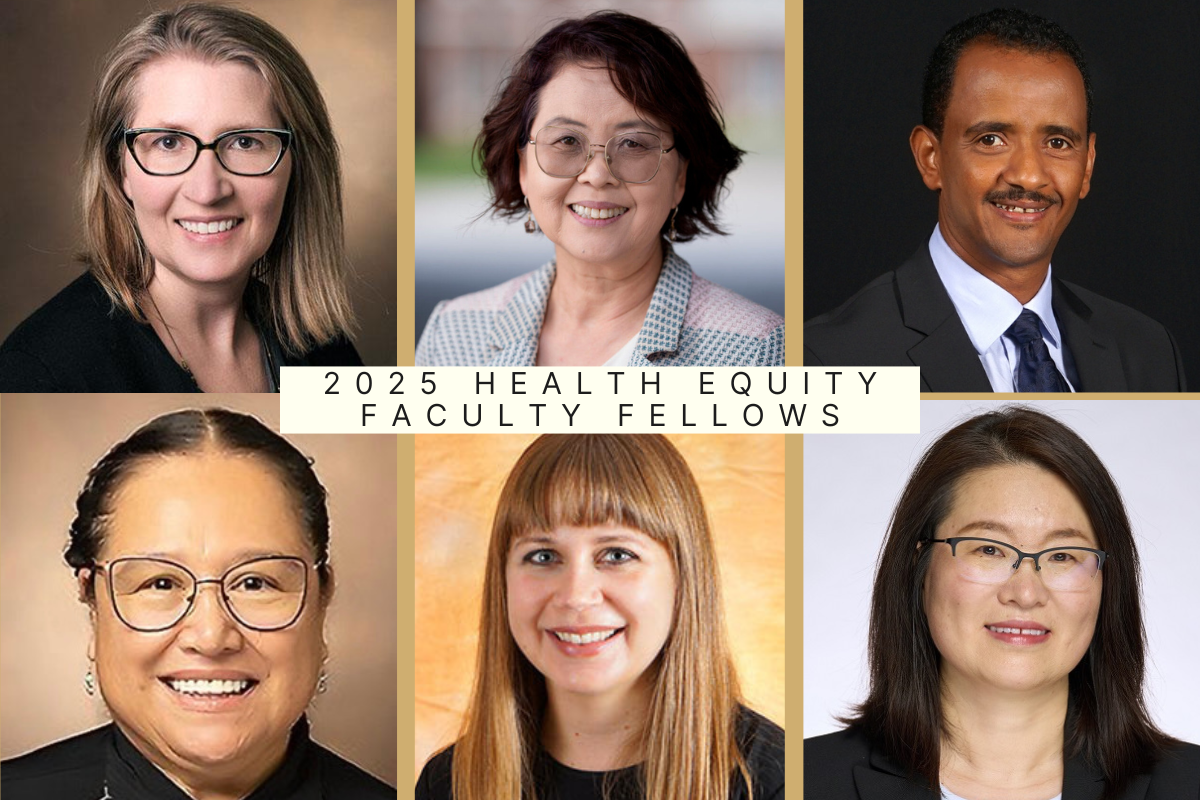
School of Nursing announces 2025 Health Equity Faculty Fellows
Health inequity is one of the greatest problems facing people across the U.S., and the School of Nursing Health Equity Faculty Fellows program is designed to fight it. “I am confident that the work of our Faculty Fellows will both find solutions and inspire further research that addresses the very real issues faced by our communities,” Dean Pamela R. Jeffries said. This year’s cohort of six scholars, and their research projects, were announced late last month. Read MoreOct 24, 2025
-
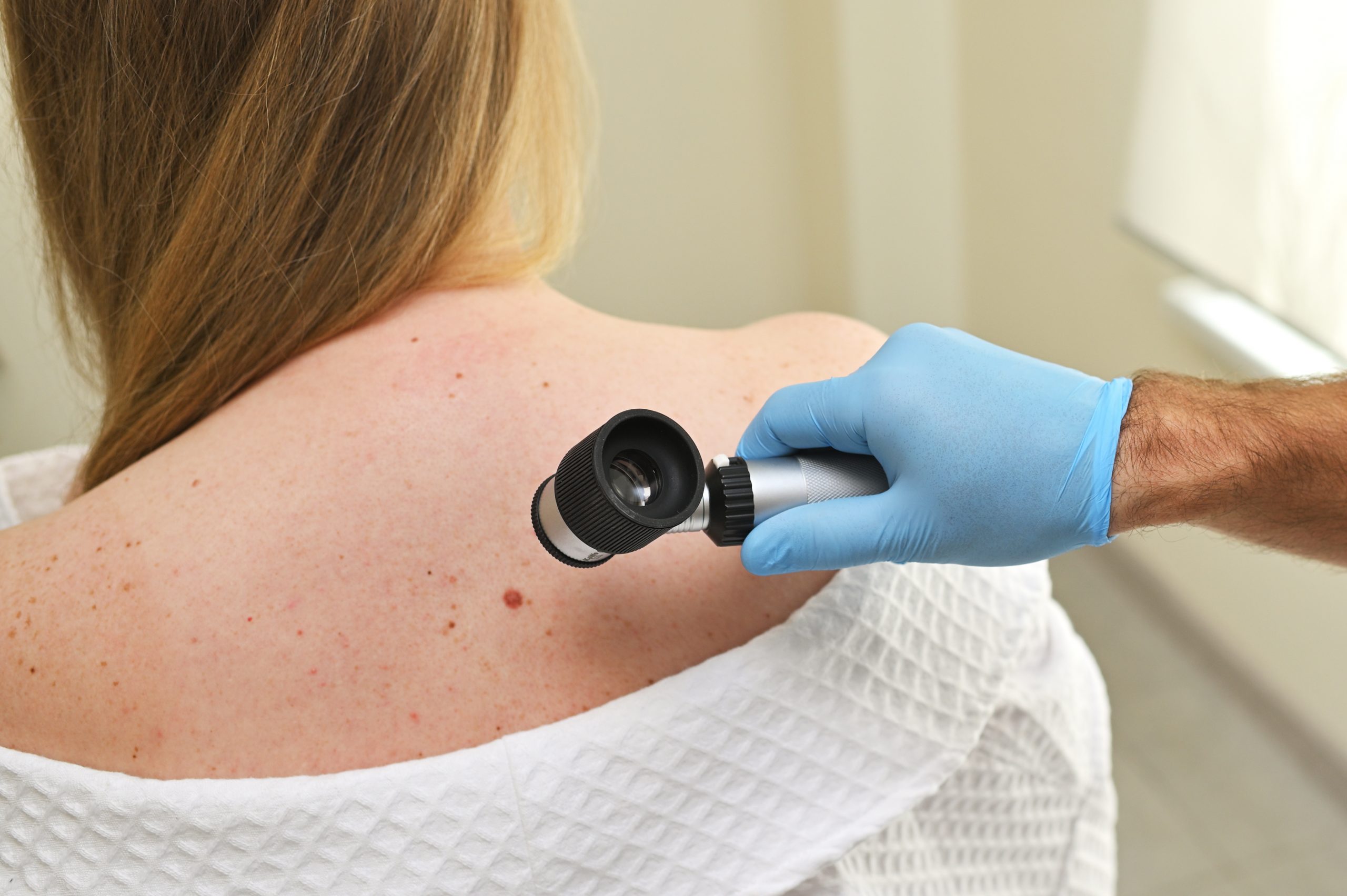
Promising new drug combination may help melanoma patients resistant to treatment respond once again to the body’s immune defenses
Advanced melanoma can be notoriously resistant to standard immunotherapy, but a new drug combination might hold some hope for patients with this most common form of skin cancer. Professor Emerita of Pharmacology Ann Richmond and her team, in preclinical work, created a “tumor microenvironment more receptive to immune challenge.” The treatment slowed tumor growth, showed stronger immune responses and increased helpful T cells. It could be on a faster-than-typical track to human studies because all the drugs are already involved in other clinical trials. Read MoreOct 24, 2025
-
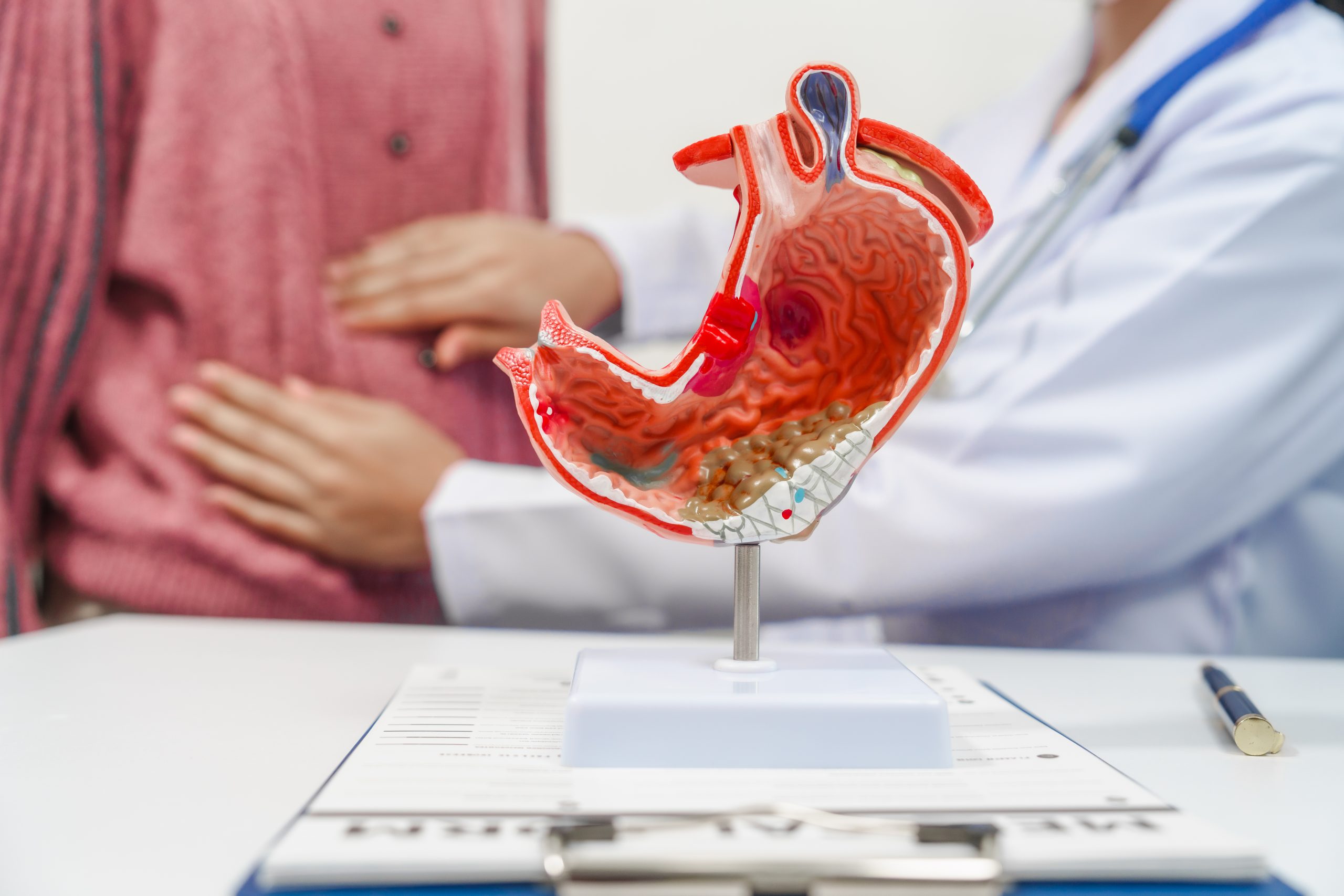
Vanderbilt researcher leads development of novel robotic valve to address acid reflux, other organ system disorders
Gastroesophageal reflux disease, or GERD, plagues millions of people. Vanderbilt researchers led by Assistant Professor Xiaoguang Dong have developed a soft robotic valve that can seal off the lower esophagus from the stomach, keeping gastric acid where it belongs. Then when the patient eats or drinks, the valve, which is implanted in concert with a stent, can be opened with a wearable external magnet. “This platform holds promise not only for treating GERD, but also for managing other sphincter-related disorders,” said co-author and Assistant Professor Yuxiao Zhou. Read MoreOct 24, 2025