Health And Medicine
-

Breakthrough study shows how brain-to-computer ‘electroceuticals’ can help restore cognition
Just like electrical stimulation of heart muscles can restore a regular heartbeat, new research led by Thilo Womelsdorf suggests that "electroceutical" intervention in the brain can improve memory and other cognitive functions wrought by behavioral health disorders and diseases like Alzheimer's and Parkinson's. Womelsdorf, professor of psychology and biomedical engineering at the Vanderbilt Brain Institute, said, “For these cognitive disabilities, brain-computer interfaces promise to become next-generation electroceutical treatment options.” Read MoreJul 10, 2025
-
Nanobody hitchhikers boost immunotherapy potency in cancer treatment
A collaboration among VUMC, the College of Arts and Science, the School of Medicine and the School of Engineering has led to some higher-order “hitchhikers” that can make immunotherapy cancer treatments more effective. Associate Professor John Wilson’s lab devised a way to piggyback cancer-fighting nanobodies onto molecules that naturally accumulate around tumors—getting the treatment where it needs to go. Read MoreJul 10, 2025
-
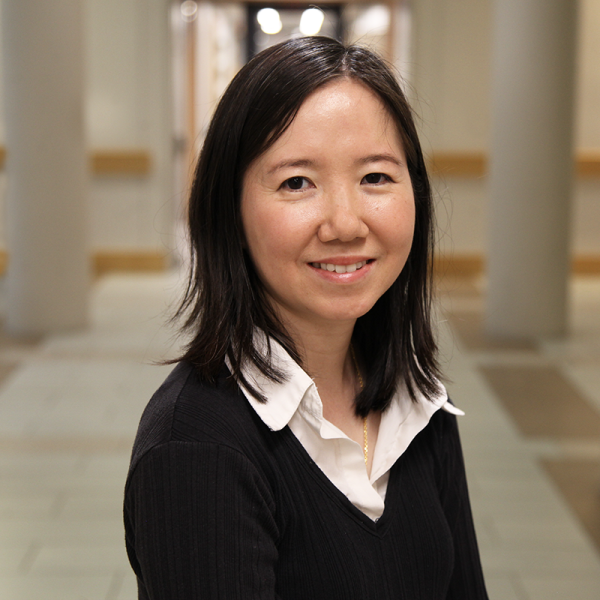
Quynh Anh Nguyen awarded prestigious Klingenstein Fellowship to study mechanisms of epilepsy
Quynh Anh Nguyen, assistant professor of pharmacology, is the first Vanderbilt faculty member to be awarded the highly competitive Klingenstein Fellowship in Neuroscience since 1985. Her research aims to unravel the mysteries of epilepsy by focusing on how specific cells in the brain contribute to or suppress the hyperexcitability in neural circuits that are thought to be involved in the disorder’s spontaneous seizures. Read MoreJul 10, 2025
-
Vanderbilt researchers develop new approach to boost immunotherapy potency in cancer treatment
Researchers led by John T. Wilson, associate professor of chemical and biomolecular engineering and biomedical engineering, have developed a new approach using a molecularly designed nanobody platform that seeks to make immunotherapy more effective in the treatment of cancer. Read MoreJun 17, 2025
-
New research offers promise for treatment-resistant cystic fibrosis patients
A recent study from the labs of Lars Plate and Jens Meiler, published in the Proceedings of the National Academy of Sciences of the United States of America, analyzed both selectively responsive and poorly responsive variants of cystic fibrosis and revealed the molecular determinants of drug response. Read MoreJun 12, 2025
-
A Package Deal: Diagnosing and treating breast cancer with a single complex
A group of researchers from the lab of Larry Marnett, the Mary Geddes Stahlman Professor of Cancer Research, recently paired a precisely targeted imaging agent to an anticancer agent and found that they could specifically attack cancer cells and not normal cells with it. Their work was performed in collaboration with School of Engineering faculty members Craig Duvall and Rebecca Cook, and was published in Molecular Pharmaceutics in April 2025. Read MoreJun 12, 2025
-
New ketamine study promises extended relief for depression
In a new study published in Science, Lisa Monteggia’s and Ege Kavalali’s labs show that it is feasible to substantially extend the efficacy of a single dose of ketamine from its current duration of up to a week to a longer period of up to two months. Read MoreJun 12, 2025
-

Quantum Potential Podcast Episode 8: Rewiring the brain and rethinking pain with Craig Lindsley
In this episode of Quantum Potential, Craig Lindsley, William K. Warren, Jr. Professor of Medicine, University Distinguished Professor of Biochemistry, Chemistry and Pharmacology and executive director of the Warren Center for Neuroscience Drug Discovery, joins Provost C. Cybele Raver to discuss transformative research exploring how subtle tweaks to brain chemistry could change the way we treat neurodegenerative diseases and chronic pain. Read MoreMay 28, 2025
-

Research pediatricians Orr and Heerman prep study for Tennessee toddlers
The trial, which is funded by a K23 Career Development Award from the National Institute of Diabetes and Digestive and Kidney Diseases, is expected to begin this summer and will assign peer-parent coaches to families to determine whether their having support to navigate the medical system and other challenges means their children will be healthier. Read MoreMay 22, 2025
-
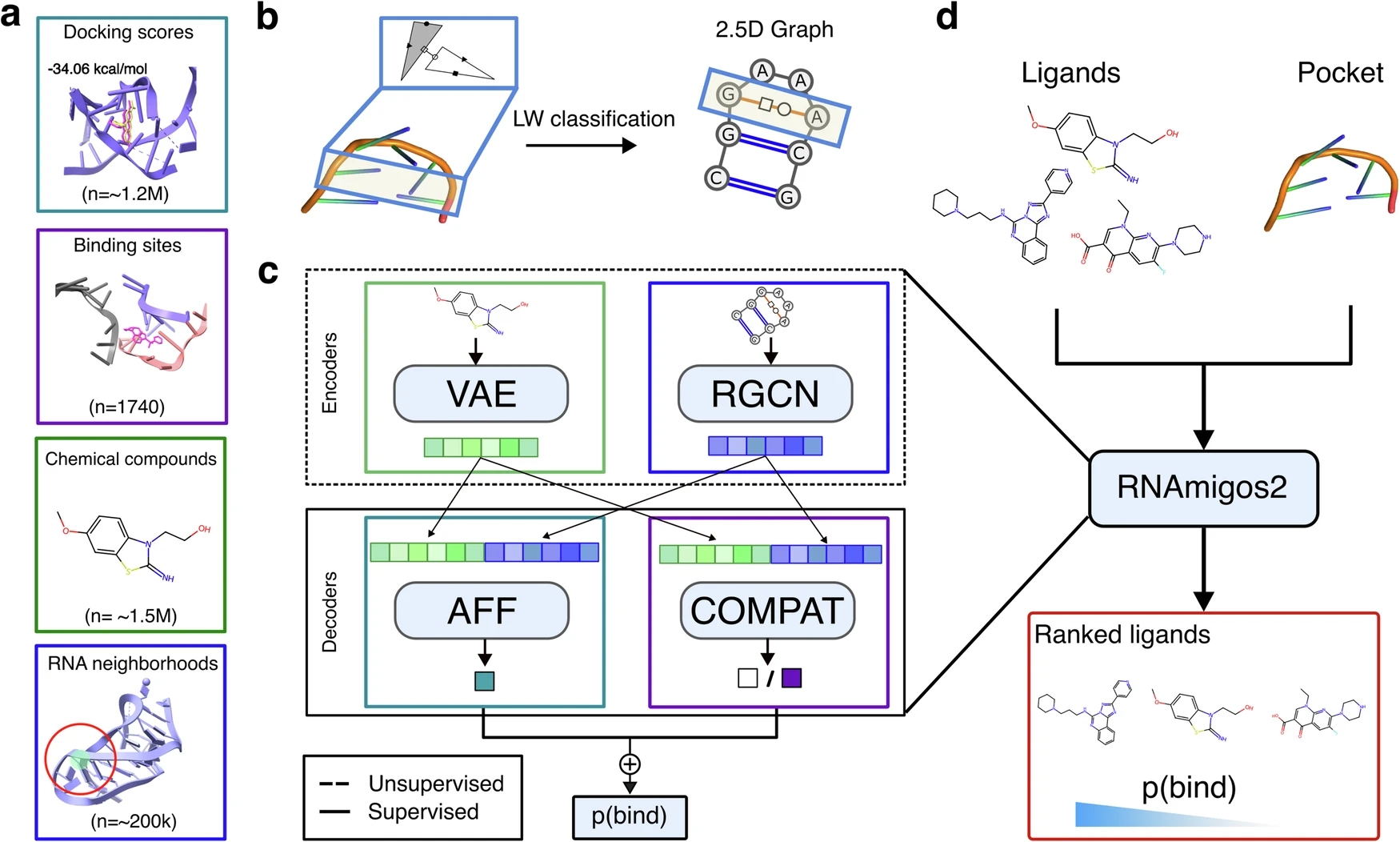
Vanderbilt scientists pioneer an AI-driven drug discovery tool targeting RNAs
Targeting ncRNAs with drugs presents a much larger therapeutic opportunity than targeting proteins, but the currently available drug discovery tools are slow and computationally intensive. Assistant Professor of Molecular Physiology and Biophysics and core member of the Center for Applied AI in Protein Dynamics Carlos Oliver is working with collaborators to unlock the untapped potential of ncRNAs, as they are a promising family of targets for the development of novel small-molecule therapeutics. Read MoreMay 9, 2025
-
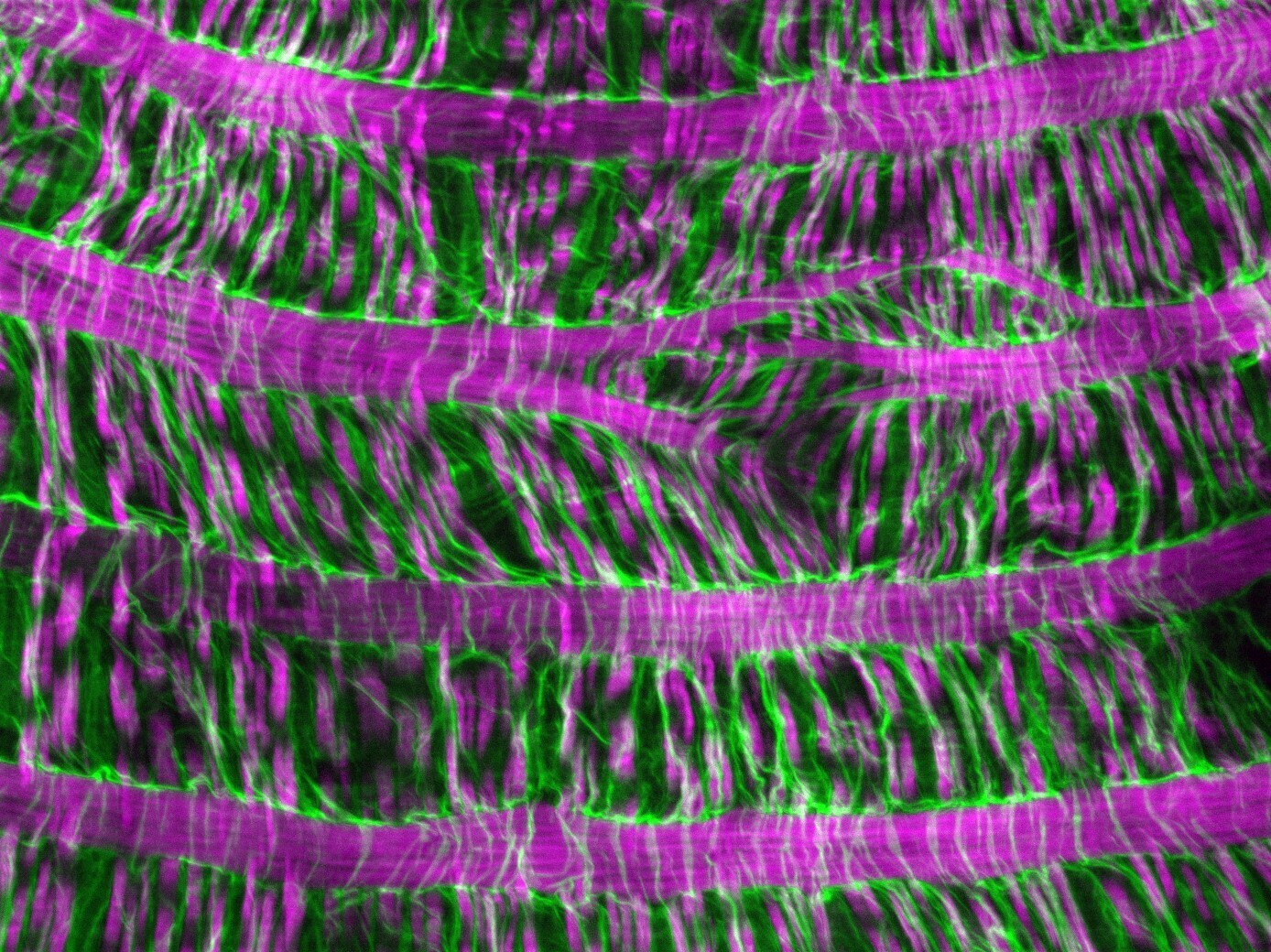
How tissues detect and repair damage to the body’s hidden support system
A new study by Vanderbilt investigators uncovered a previously unknown biological mechanism: how tissues detect and respond to damage in basement membranes, the thin layers of extracellular matrix that surround and support nearly every organ in the body. The research, published in Developmental Cell, is the first to show how local cells sense and respond to changes in basement membrane stiffness caused by damage—and how they activate a previously unknown set of “matrix mender” cells to repair the tissue. Read MoreMay 9, 2025
-
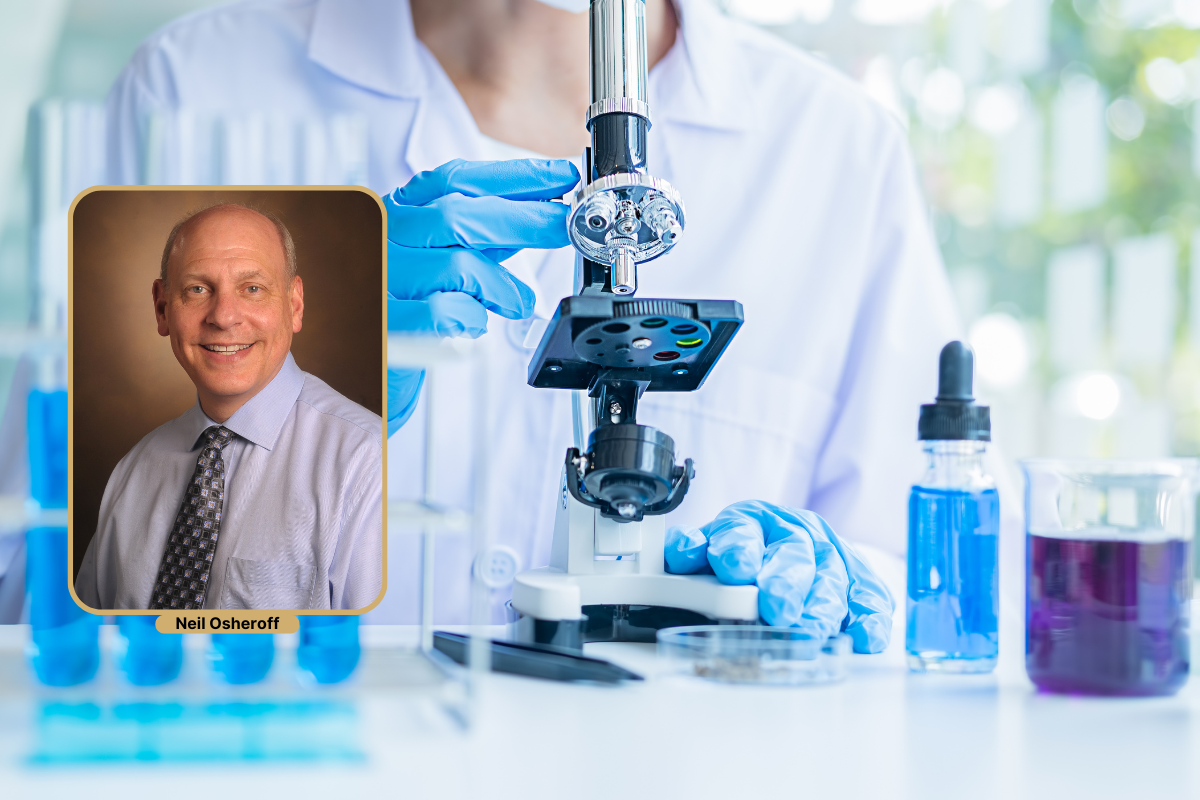
Osheroff Lab contributed data leading to FDA approval of treatment for gonorrhea
Crucial research by Neil Osheroff and his lab led to FDA approval of the first new class of antibacterial drugs in decades. The drug, gepotidacin, developed by GlaxoSmithKline under the brand name Blujepa, is now approved to treat uncomplicated urinary tract infections and gonorrhea. Read MoreApr 28, 2025
-

Seeing the unseen: How AI and medical imaging are changing health care
Bennett Landman who holds a Stevenson Chair, has more than 2,000 collaborations globally that look at all sorts of different diseases, from the head down to the shins. But the heart of his work remains medicine and the promise of a world where AI-driven imaging leads to earlier diagnoses and better patient outcomes. Read MoreApr 14, 2025
-
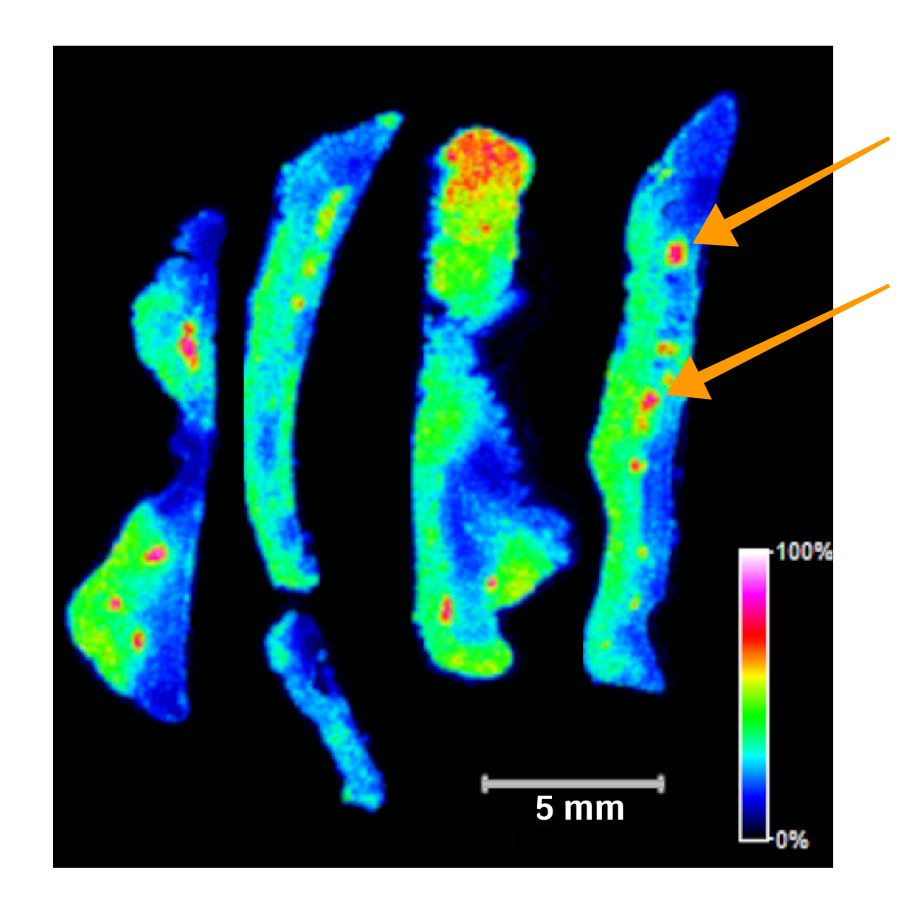
To cause cancer or not to cause cancer: What leads to H. pylori-induced stomach malignancies
Though Helicobacter pylori lives in the guts of about half of the world's adults, infections can go undetected for decades. The problem: the bacteria is the primary risk factor for gastric cancer, and one strain of the germ carries a higher risk. Vanderbilt researchers Tim Cover and Jennifer Shuman analyzed how the genetic makeup of H. pylori strains affects how they change the molecular makeup of gut tissues and lead to gastric cancer. Read MoreApr 8, 2025
-
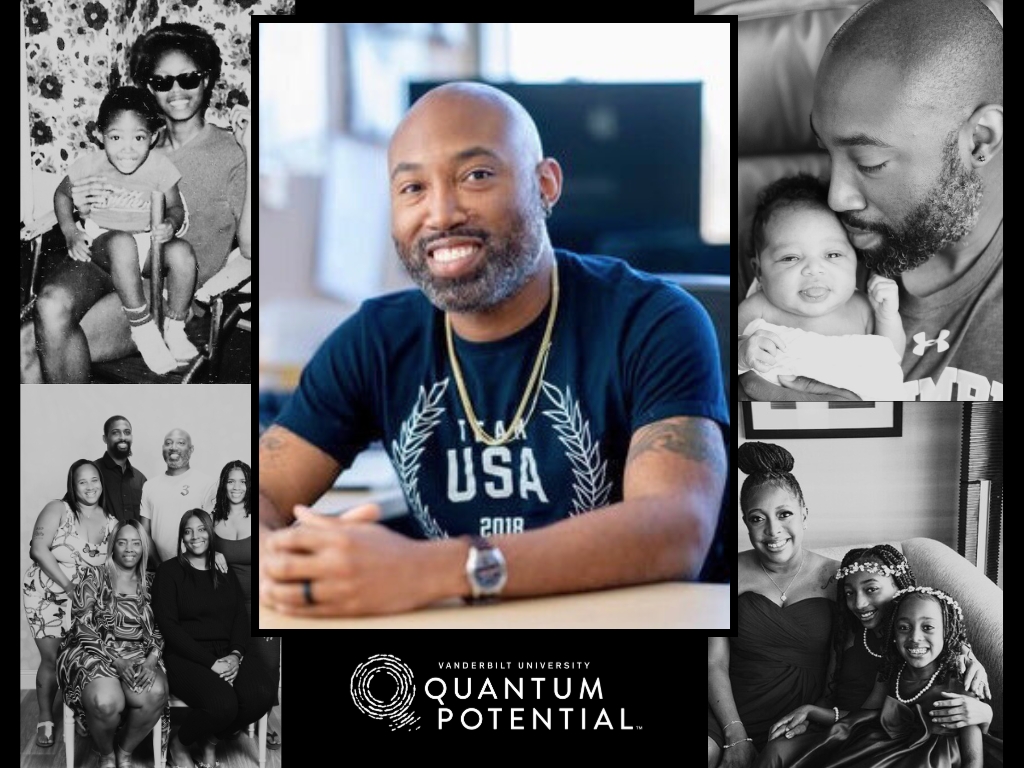
Inspired chemist uncovers a scientific superpower in women
Learn about the women who inspire Steven Townsend in his breakthrough research that puts a spotlight on women, their health and discoveries around the healing powers of breast milk. Read MoreApr 3, 2025
-
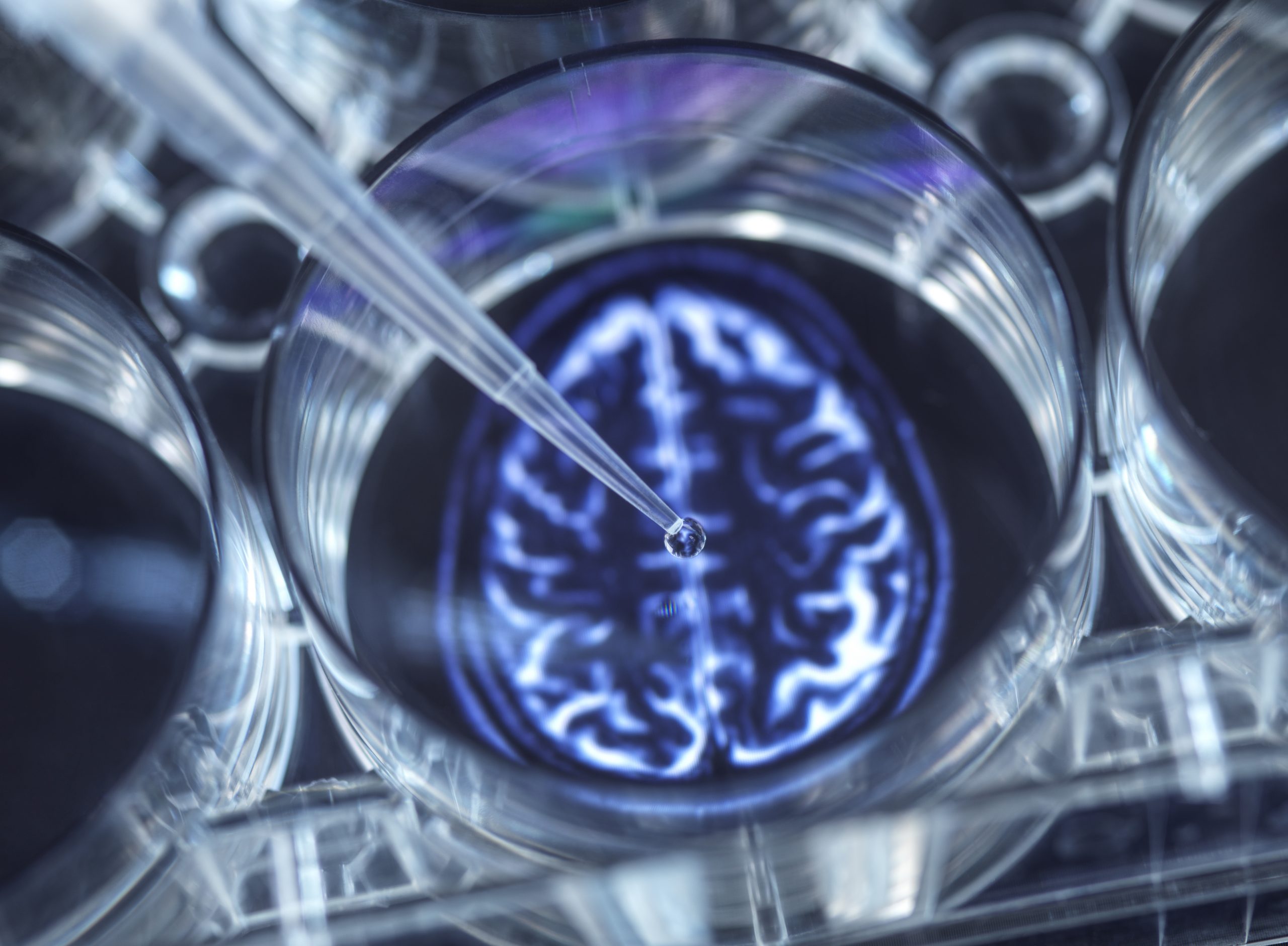
Jackson Lab reveals relationship between transport proteins and brain disease
Fat and protein molecules are essential to human brain health, and there are microscopic transport hubs that make sure the right molecules get to the right cells. If the proteins aren’t interacting properly, they can wind up in the wrong places—a problem that’s been linked to diseases like Alzheimer’s, Parkinson’s and ALS. Research in Associate Professor Lauren Jackson’s lab has uncovered how those proteins interact. Read MoreMar 27, 2025
-
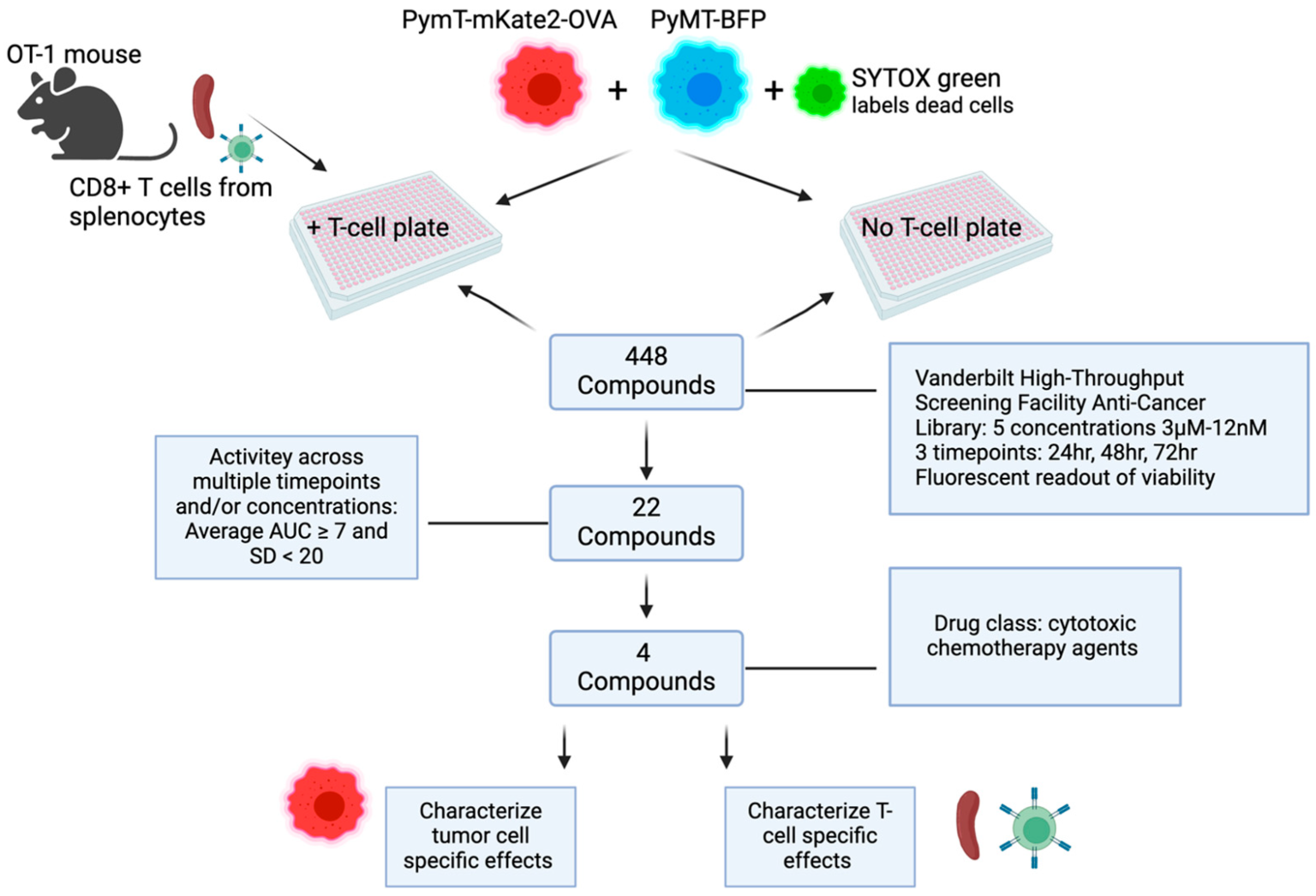
Vanderbilt researchers identify potential drug combinations to improve breast cancer treatment
Kevin Murphy, Andrew W. Mellon Chair in the Humanities and professor of history of art and architecture, and Mary Anne Hunting, BA’80, have uncovered the histories of female architects in the American Modernism period of the U.S. in new research. Read MoreMar 26, 2025
-
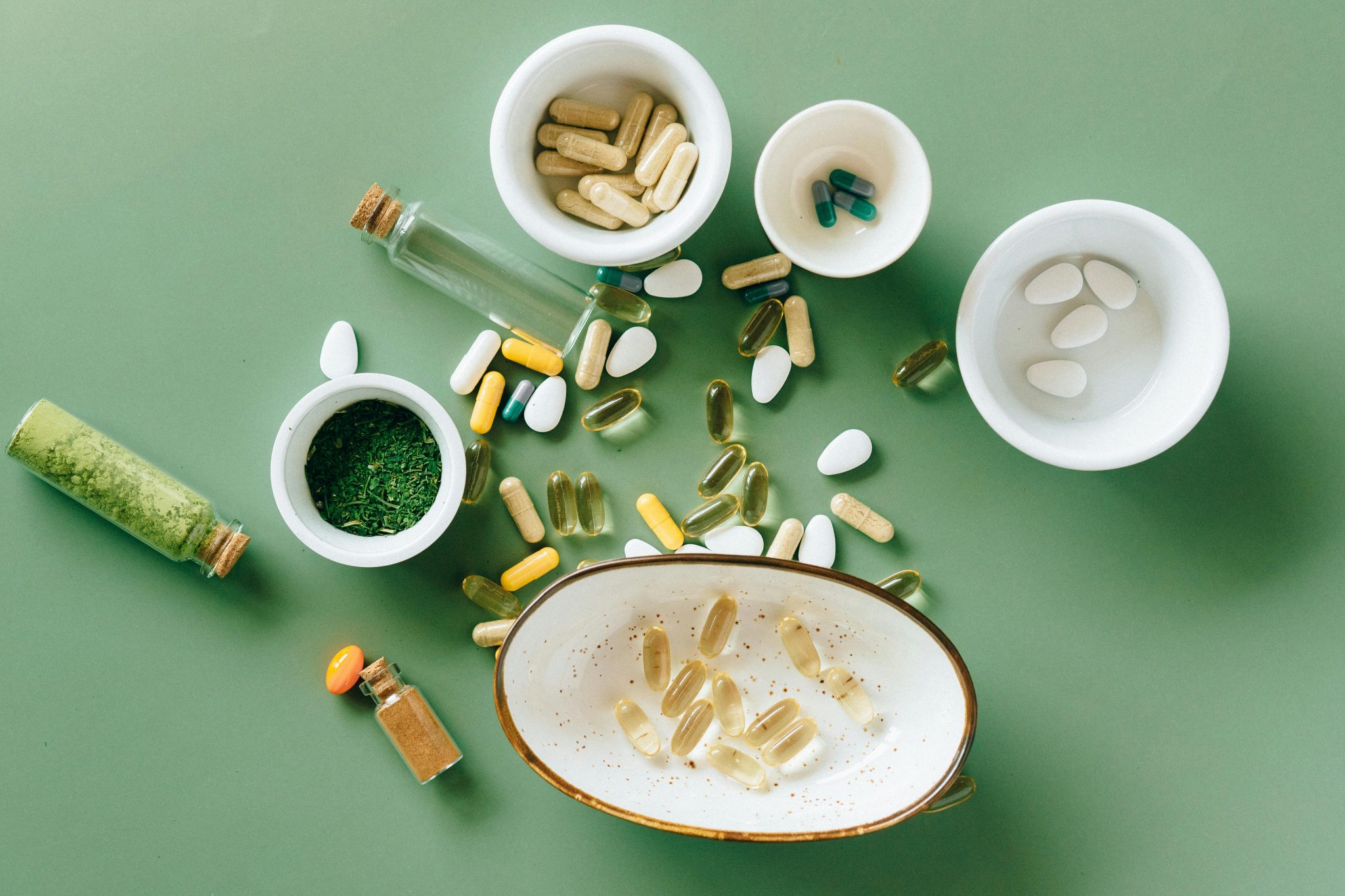
Study uncovers significant differences in a dietary supplement’s key ingredient
A recent study by Paula Luis and Claus Schneider, researchers in the Vanderbilt University School of Medicine Basic Sciences Department of Pharmacology and the Vanderbilt Institute of Chemical Biology, has uncovered substantial inconsistencies in the alkaloid content of Corydalis yanhusuo dietary supplements. Read MoreMar 26, 2025
-
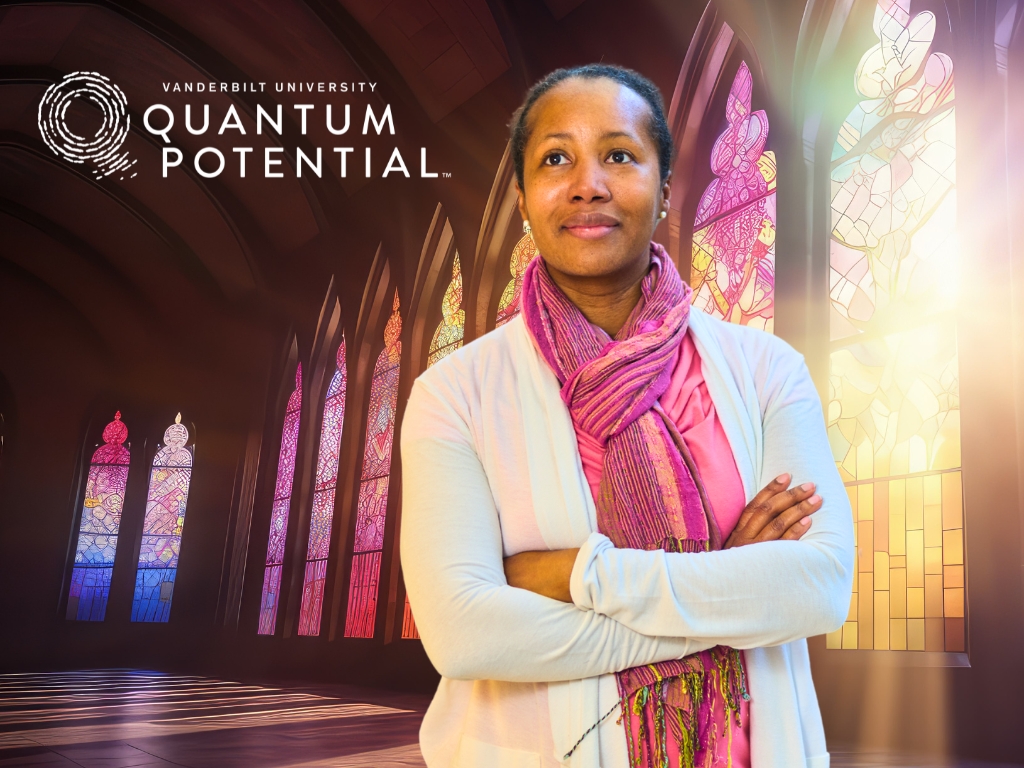
Audrey Bowden’s science and faith illuminate invisible diseases
Learn about the inspiration that drives biomedical engineer Audrey Bowden in her work using light towards breakthroughs in medical issues from cancers to jaundice to ADHD. Read MoreMar 24, 2025
-
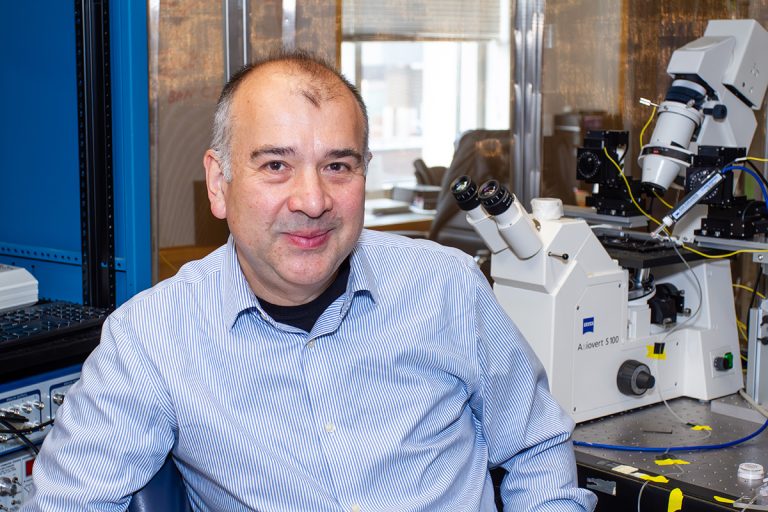
How do you maintain a cellular structure without a membrane? Researchers find that synapses can use liquids to create functional separations
The laboratory of Ege Kavalali, professor and chair of the Department of Pharmacology, published a new paper in Nature Communications that determined that liquid-liquid phase separation plays a key role within the nanostructure of synapses, and that its disruption affects evoked but not spontaneous neurotransmission. Read MoreMar 6, 2025