External Story
-

NPR: Who’s hit hardest by COVID-19? Why obesity, stress and race all matter
Renã Robinson, associate professor of chemistry, is quoted. Read MoreApr 13, 2020
-
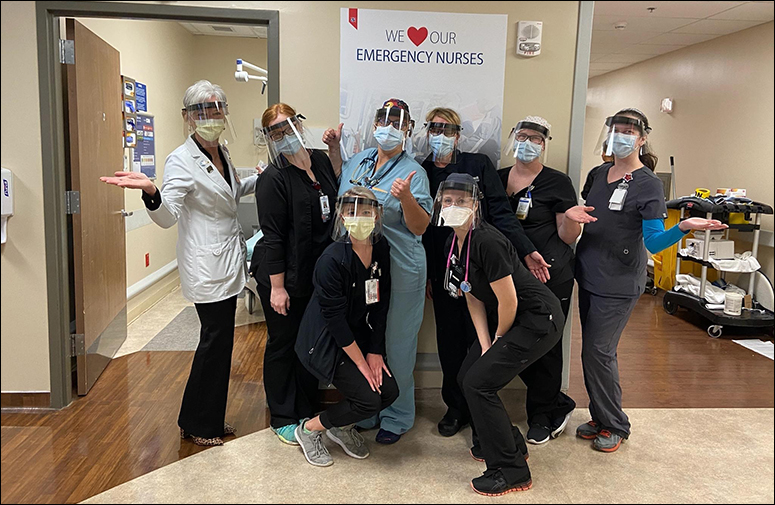
Engineering alum leads DENSO’s effort to donate face shields to Tennessee hospitals
In mid-March, as automakers across the world slowed production of vehicles due to the coronavirus crisis, Britt Autry, BE’92, and other executives at DENSO Manufacturing Tennessee, Inc., in Maryville came together to chart a course for their employees and their plant operations. Read MoreApr 13, 2020
-
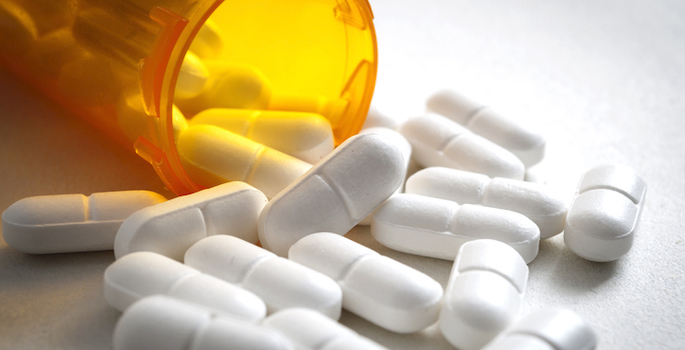
Study launched to test hydroxychloroquine as treatment for COVID-19
Vanderbilt University Medical Center is leading a clinical trial to understand if a well-known drug used for malaria and rheumatologic conditions is safe and effective in treating hospitalized adults with COVID-19. Read MoreApr 10, 2020
-
The Tennessean: Safer at home? What if your home is not safe?
Claire Sisco King, associate professor of communications studies, writes about coping with both the March tornadoes that impacted Middle Tennessee and the coronavirus crisis. Read MoreApr 8, 2020
-
The Tennessean: Decarceration as strategy to support prisoners during COVID-19 pandemic
Jennifer Gaddy, assistant professor of medicine, writes about decarceration as a way to combat the spread of the coronavirus in prisons. Read MoreApr 7, 2020
-

Dean Paschal helps collect medical supplies locally to help fight pandemic
Cynthia Paschal, Vanderbilt senior associate dean for undergraduate education and a biomedical engineering professor, volunteered at a Nashville drive to collect PPE for medical workers to use when treating coronavirus patients. Read MoreMar 31, 2020
-
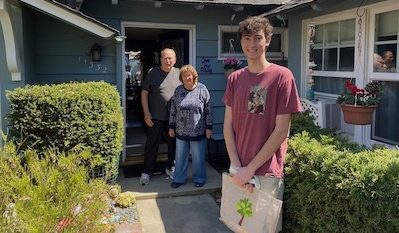
Sophomore sets up volunteer grocery shopping and delivery service
Even as Vanderbilt’s residence halls were closing and the business of educating moved online, Connor put the word out – he was willing to buy and deliver groceries for people who could not or should not leave their homes due to COVID-19. Read MoreMar 30, 2020
-
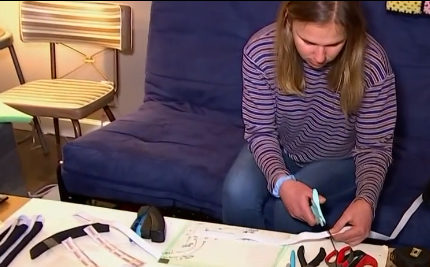
Engineering student makes face shields to help boost dwindling supply during coronavirus crisis
When Vanderbilt University Medical Center resident Ashley Nassiri asked Katy Riojas how to get the School of Engineering involved in the coronavirus crisis, Riojas had an idea, create face shields. Read MoreMar 26, 2020
-
The Conversation: Coronavirus: A new type of vaccine using RNA could help defeat COVID-19
Sanjay Mishra, postdoctoral fellow, and Robert Carnahan, associate professor of pediatrics, write about efforts to create a COVID-19 vaccine using RNA-based antibodies. Read MoreMar 26, 2020
-
Employee Assistance Program ConnectCARE offers teleconsulting sessions via phone, Zoom
Work/Life Connections-Employee Assistance Program ConnectCARE now offers teleconsulting sessions via phone or Zoom telehealth videoconferencing. Read MoreMar 26, 2020
-
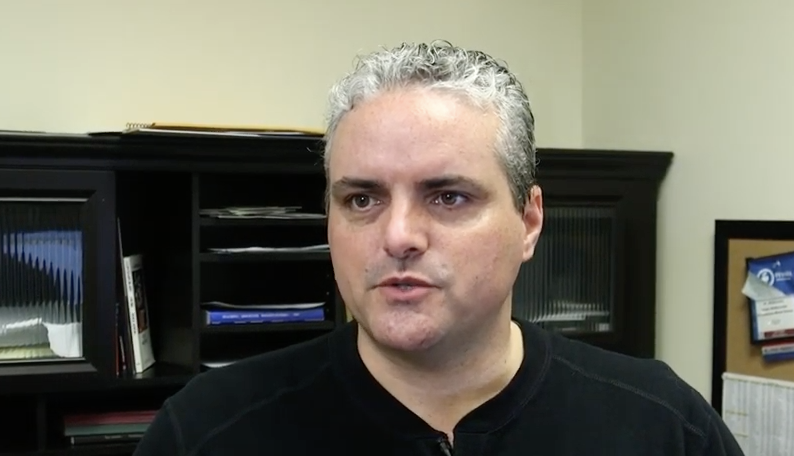
Blair School of Music professor Tucker Biddlecombe teaches his conducting class online during the COVID-19 outbreak
Blair School of Music professor Tucker Biddlecombe teaches his conducting class online during the COVID 19 outbreak. Read MoreMar 23, 2020
-
The Tennessean: 5 ways to stay socially connected through the coronavirus pandemic
Autumn Kujawa, assistant professor of psychology and human development, provides ideas for maintaining social connections while social distancing. Read MoreMar 18, 2020
-
Study links Medicaid expansion and recipients’ health status
In Southern states that expanded their Medicaid programs under the Affordable Care Act, adults experienced lower rates of decline in both physical and mental health, according to a new Vanderbilt analysis. Read MoreJan 10, 2020
-

Impact of weight gain from early to middle adulthood explored
A new analysis finds that people who become overweight in midlife have significantly higher rates of obesity-linked cancers. Read MoreJan 10, 2020
-
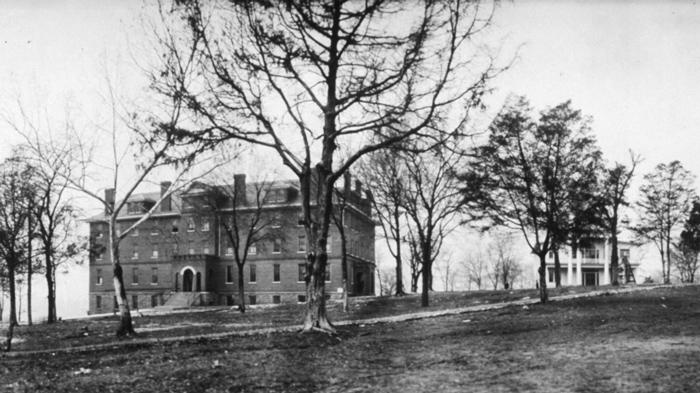
From ‘Vanderbilt Magazine’: A Blaze of History
Roger Williams University, a prominent black university that endured two fires, once was located on the present-day Peabody College campus. Read MoreNov 24, 2019
-
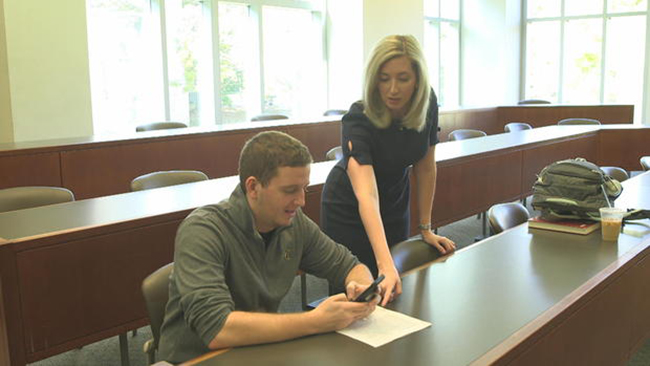
CBS News: Veterans in graduate school pay it forward to younger students
Seven veterans have been awarded $25,000 scholarships to Vanderbilt graduate schools through the Bass Military Scholars Program. The money both rewards veterans for their service and attracts role models to the campus. They are expected to share lessons of military service with their younger classmates. Read MoreNov 13, 2019
-
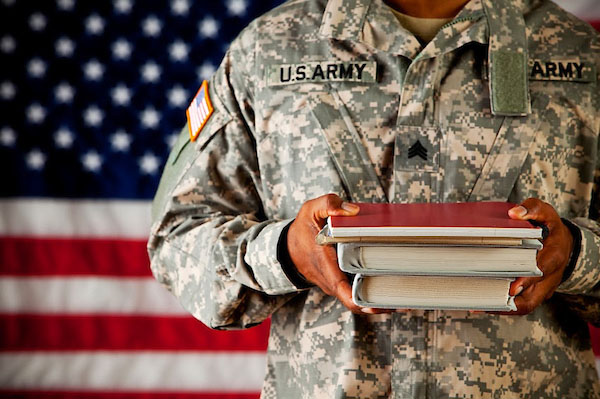
Vanderbilt Business Offers Unlimited Yellow Ribbon Funding for Veterans
Effective August 1, 2019, Vanderbilt Owen Graduate School of Management began offering unlimited Yellow Ribbon funding for students who are eligible for the Yellow Ribbon Program under Post-9/11 GI Bill® benefits. Read MoreNov 11, 2019
-

Cracker Barrel Old Country Store Foundation Supports Veterans Through a $100,000 Endowment at Vanderbilt University’s Owen Graduate School of Management
To continue its long-running support of veterans, the Cracker Barrel Old Country Store Foundation pledged a $100,000 endowment to Vanderbilt University’s Owen Graduate School of Management to help the brave men and women who have served our nation pursue a graduate degree from the elite institution. Read MoreNov 11, 2019
-

Breaking Barriers: $2.5 million grant from Facebook CEO boosts researcher’s investigation into neurodegenerative disease
Vanderbilt researcher Ethan Lippmann, assistant professor of chemical and biomolecular engineering, learned in December that he’d won $2.5 million as part of a wider grant from the Chan Zuckerberg Initiative to fund his work on neurodegenerative diseases. Read MoreNov 5, 2019
-
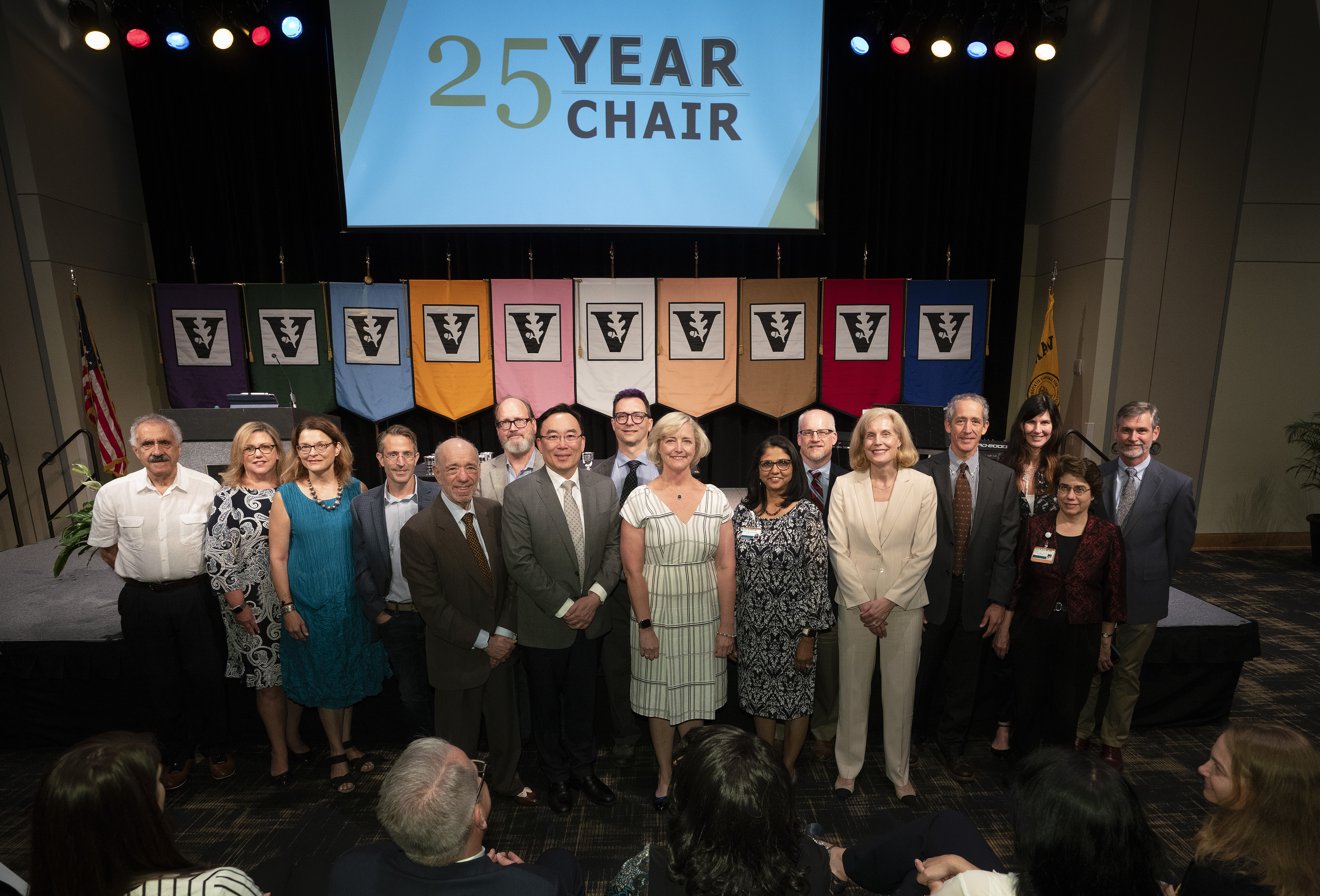
University faculty celebrate 25 years of service in 2019
Each year, Vanderbilt University recognizes those members of the faculty who have just completed 25 years of full-time service. Vanderbilt honors these 25-year veterans with the presentation of a chair bearing brass plates engraved with the professor’s name and the Vanderbilt logo. Read MoreAug 22, 2019