Leigh MacMillan
-
Reversing lipid woes in cystic fibrosis
Abnormal levels of fatty acids in the blood and tissues of patients with cystic fibrosis may be reversed by supplementation with the fatty acids DHA and EPA. Read MoreMar 3, 2012
-
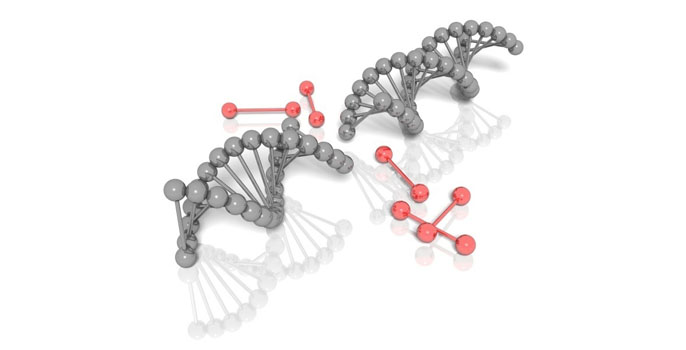
‘Detangler’ binds, bends and cuts DNA
New details on the DNA-cutting activity of topoisomerase II, a target of anti-cancer drugs, could lead to better chemotherapeutic agents. Read MoreMar 2, 2012
-
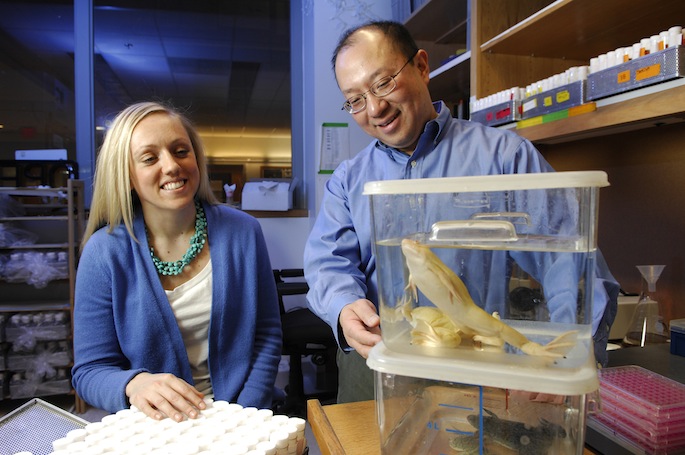
Studies pinpoint new anti-cancer drug target
Vanderbilt researchers have discovered a new molecular participant in the Wnt signaling pathway, which plays important roles in cell growth, development and cancer. Read MoreFeb 23, 2012
-

Stem cells take heart
Signaling pathway discoveries suggest ways to induce stem cells to become cardiac muscle cells, which could be useful for regenerating damaged heart muscle. Read MoreFeb 20, 2012
-

Memory intact in early psychosis
Brain deficits are not present in the early stages of schizophrenia, suggesting it may be possible to delay or prevent the development of brain abnormalities. Read MoreFeb 16, 2012
-

Matchmaker for clinical studies
ResearchMatch.org is a web-based registry that is connecting participants and researchers for clinical studies. Read MoreFeb 8, 2012
-

Tool finds connections in genome data
A new analytical tool points to genes that act together to increase disease risk. Read MoreFeb 8, 2012
-

Colorectal cancer risk related to gene’s expression
Individuals who are outside the normal range of expression for the adenomatous polyposis coli (APC) gene have an increased risk of colorectal cancer, according to a study published in the January issue of Gastroenterology. Read MoreJan 27, 2012
-

Alcohol’s molecular mediators
Therapeutic agents focusing on the brain region involved in stress-induced relapse may be effective in preventing relapse in patients with alcohol use disorders. Read MoreJan 23, 2012
-

Studies shed new light on how nitric oxide is produced
The discovery of a previously unrecognized and pivotal role of enzyme ASL in nitric oxide production could potentially lead to new therapies for babies with pulmonary hypertension. Read MoreJan 20, 2012
-

Pumping up the pancreas in pregnancy
A strain of mutant mice provide a novel model for studying glucose intolerance and gestational diabetes during pregnancy and suggest that certain molecules may be useful for therapeutic applications. Read MoreJan 20, 2012
-

Fishing for heart attack repair tools
Managing myocardial infarction – and the resulting heart failure – remains a clinical challenge. To search for chemicals that can stimulate cardiac muscle cell production, Vanderbilt Institute of Chemical Biology investigators led by Tao Zhong, Ph.D., Terri Ni, Ph.D., and Eric Rellinger, M.D., turned to a novel drug discovery tool:… Read MoreJan 5, 2012
-
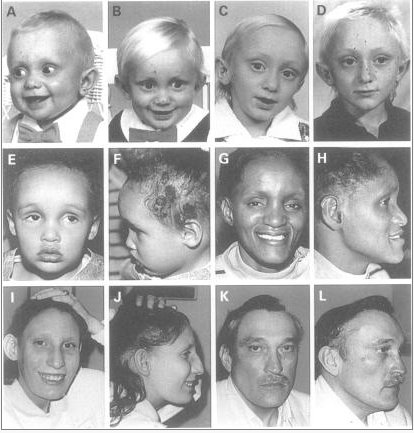
Clues to flattened faces
Images of individuals with Alagille syndrome (National Institutes of Health) Mutations in the Jagged1 gene cause Alagille syndrome, an inherited disorder that affects the liver, heart, kidneys and facial structure. Patients with Alagille syndrome often have a prominent forehead, a flattened midface and a prominent chin; some have a cleft… Read MoreJan 5, 2012
-

Clues to skeletal form in ‘feelgood’ fish
Ela Knapik, associate professor of medicine, and colleagues are using zebrafish to explore the molecular and cellular mechanisms that cause birth defects of the face and skeleton. Read MoreDec 16, 2011
-
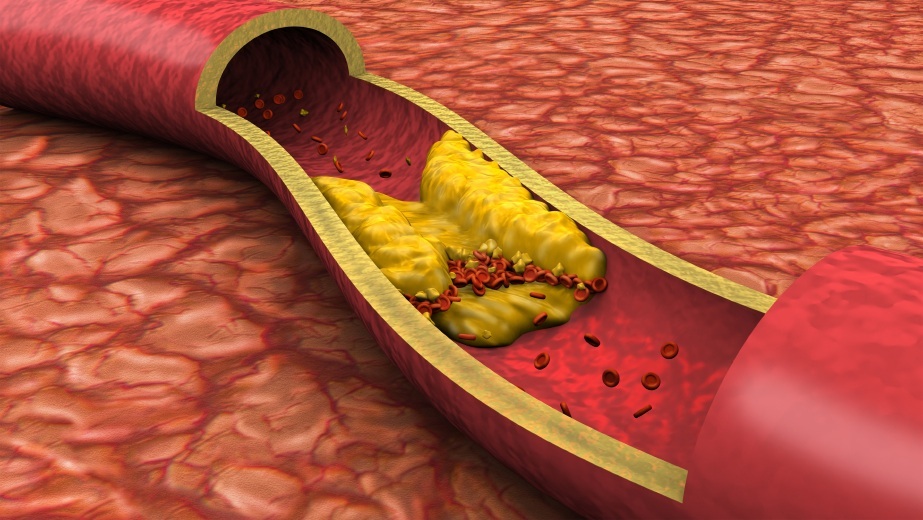
Move out, cholesterol
Compounds developed at Vanderbilt could offer a whole new way to treat atherosclerosis. Read MoreDec 8, 2011
-

Ecstasy drug produces lasting toxicity in the brain
Recreational use of the "rave" drug Ecstasy is associated with chronic changes in the human brain. Read MoreDec 6, 2011
-
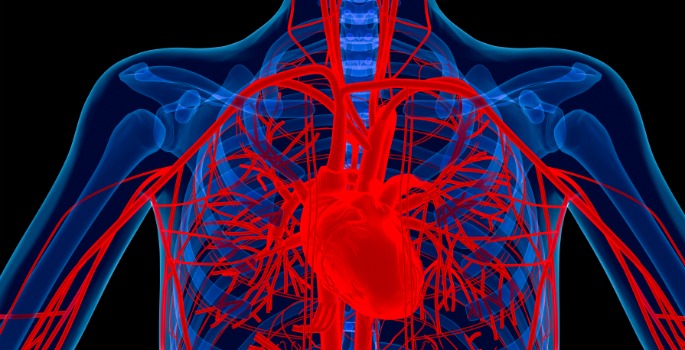
Drug target for deadly heart infection
Structural biology studies of a bacterial protein suggest a new target for treating life-threatening heart infection. Read MoreDec 1, 2011
-

Skeletal defects in genetic disorder
A new mouse model provides a tool for testing novel therapeutic approaches for neurofibromatosis. Read MoreNov 18, 2011
-

Averting a future oncologist shortage
Providing increased mentorship, research opportunities and a nurturing, intellectual environment during fellowship training may help reduce a projected shortage of academic hematologists and oncologists. Read MoreNov 11, 2011
-
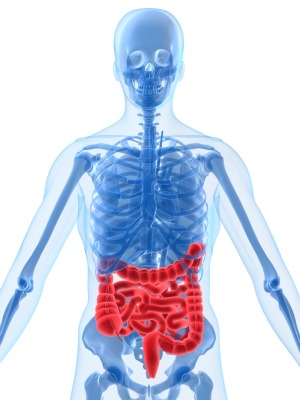
Balancing act in the gut
Vanderbilt researchers have identified an antigen important to balancing the immune response to bacteria in the gut. Read MoreNov 11, 2011