Heidi Hall
-

They call it puppy love, but what is it really?
Even if animals have ulterior motives for teaming up, they teach humans a lot about love, says Vanderbilt University animal biologist Patrick Abbot. Read MoreFeb 12, 2019
-

Women’s hormones play role in drug addiction, higher relapse rates
But long before female-specific medications are available, treatment centers could use the information in this study to educate women about their stronger mental connections to places and objects. Read MoreFeb 8, 2019
-
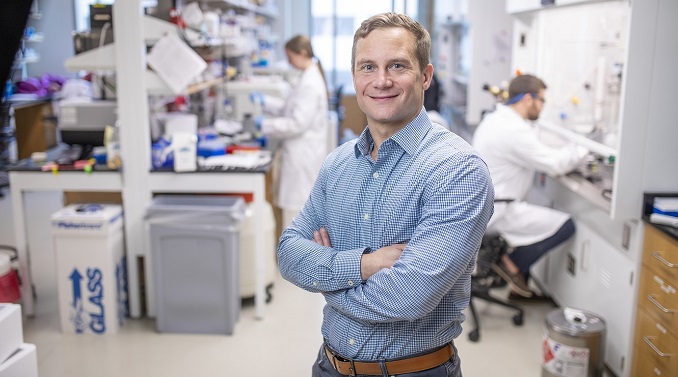
Nanoparticle targets tumor-infiltrating immune cells, flips switch telling them to fight
A team of Vanderbilt University bioengineers announced a major breakthrough: designing a nanoscale particle that flips on cells' defenses to fight cancer. Read MoreJan 21, 2019
-
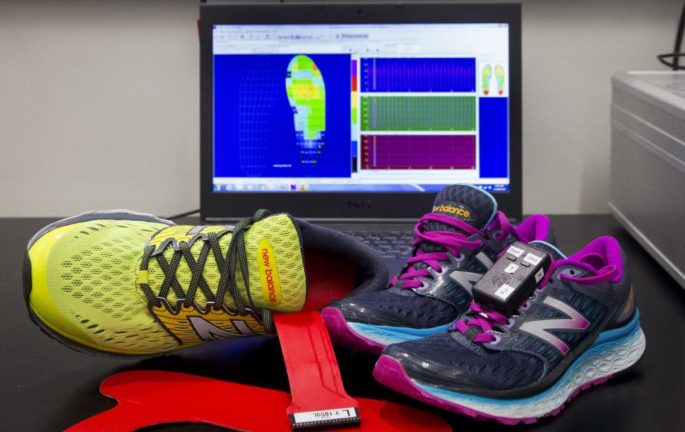
Stress fractures and running wearables: The mistake that could mean injuries
Working with an orthopedic specialist who advises the NFL Players Association, Assistant Professor of Mechanical Engineering Karl Zelik discovered that sensors only measuring the impact of the foot hitting pavement tell users little about the forces on bones that lead to stress fractures. Read MoreJan 17, 2019
-

Findings on eye-signal blending re-examine Nobel-winning research
Knowing which neurons are involved in the eye signal blending process also opens the door to targeted brain therapies that reach well beyond eye patches. Read MoreJan 17, 2019
-
Team finds how error and reward signals are organized within cerebral cortex
Psychiatrists diagnose people with schizophrenia, ADHD, bipolar disorder and other mental illnesses by spending time with them, looking for the particular behavior symptoms of each. What follows can be a hit-or-miss series of medications and dosages until disruptive behaviors go away. By deciphering the circuitry of the medial frontal cortex… Read MoreJan 14, 2019
-

Vanderbilt, Boehringer Ingelheim announce partnership to develop therapies for psychiatric disorders
Boehringer Ingelheim and Vanderbilt Center for Neuroscience Drug Discovery today announced two new global agreements to investigate, develop and commercialize novel small molecules targeting two distinct G-protein coupled receptors known to engage in the modulation of certain brain circuitries, which are altered in neuropsychiatric conditions such as schizophrenia. Read MoreJan 3, 2019
-
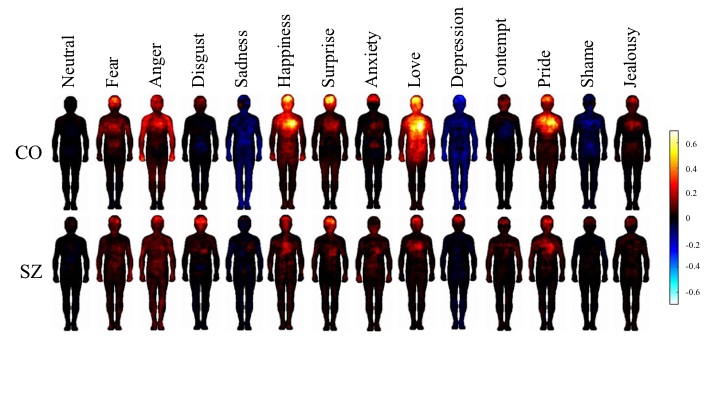
People with schizophrenia experience emotion differently from others, ‘body maps’ show
Vanderbilt University researchers are working to understand how people with schizophrenia experience emotion through their bodies. Read MoreDec 21, 2018
-
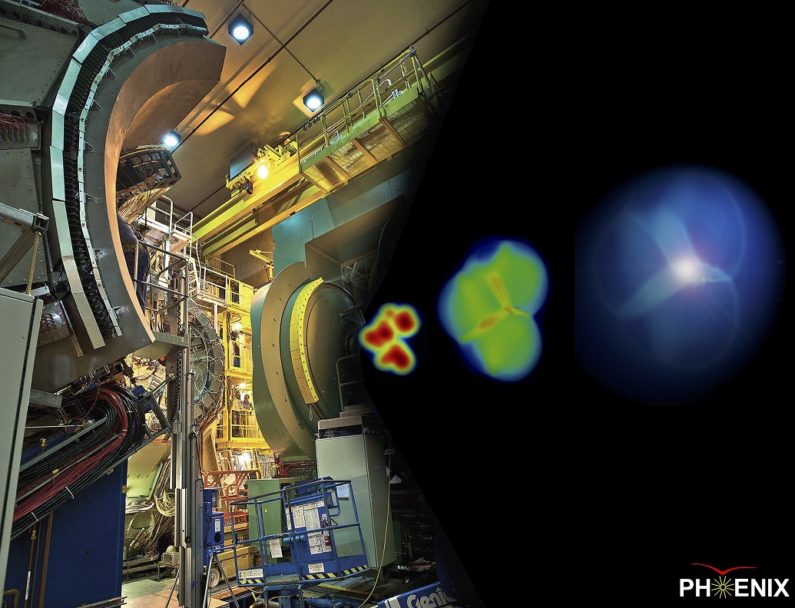
Vanderbilt physicists help find compelling evidence for small drops of perfect fluid
PHENIX publishes new particle-flow measurements to support their case that tiny projectiles create specks of quark-gluon plasma. Read MoreDec 10, 2018
-
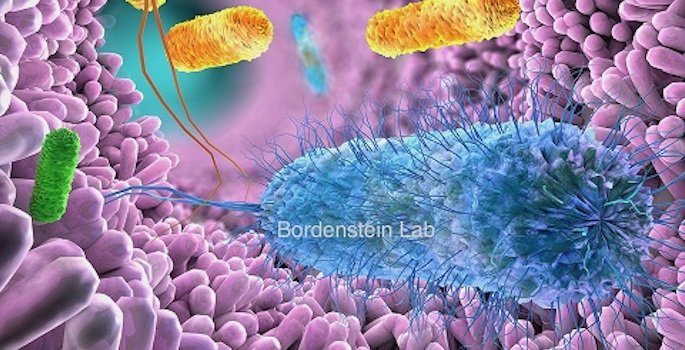
Ethnicity proves reliable indicator of what microbes thrive in the gut
Changing the gut microbiome to beat illness really does hold great potential, but first scientists must answer what constitutes a healthy gut microbiome and in whom. Read MoreDec 4, 2018
-

Phase change materials demonstrate promise in propagating photons for data transmission
A team learned that the broad gradient in the infrared optical properties of vanadium dioxide, as it transitions from insulating to metallic, offers distinct implications for nanophotonics. Read MoreNov 19, 2018
-

Climate change the likely killer of Australian marsupial lion
The extinction of one of Australia’s top predators, the marsupial lion, was likely a result of changing weather patterns and loss of habitat rather than human impacts, a study led by Vanderbilt University paleontologist Larisa DeSantis has found. Read MoreOct 19, 2018
-

What Google can learn from your Android phone
Vanderbilt computer scientist Doug Schmidt has found that Google collects data around the clock from the phones of Android users in particular – their location, shopping habits, music, searches and more. Read MoreSep 7, 2018
-

Immune system emerges as partner in opioid cravings fight
There’s promise in specific immune system peptides—amino acid compounds that signal cells how to function. In this case, they may be affecting brain activity and, by extension, drug cravings. Read MoreSep 5, 2018
-
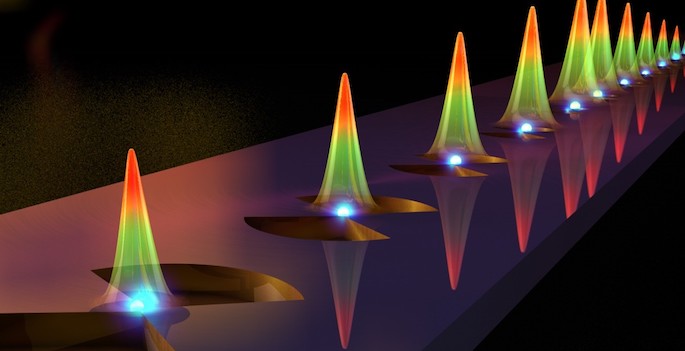
Bowtie-funnel combo best for conducting light; team found answer in undergrad physics equation
Running computers on virtually invisible beams of light would make them faster, lighter and more energy efficient. A Vanderbilt team found the answer in a familiar formula. Read MoreAug 24, 2018
-

High-speed atomic force microscopy reveals clock protein interactions
Prof. Carl Johnson and his team discovered on-and-off interactions between KaiA and KaiC take only seconds but combine to create a 24-hour oscillation of phosphorylation in a test tube. Read MoreAug 20, 2018
-
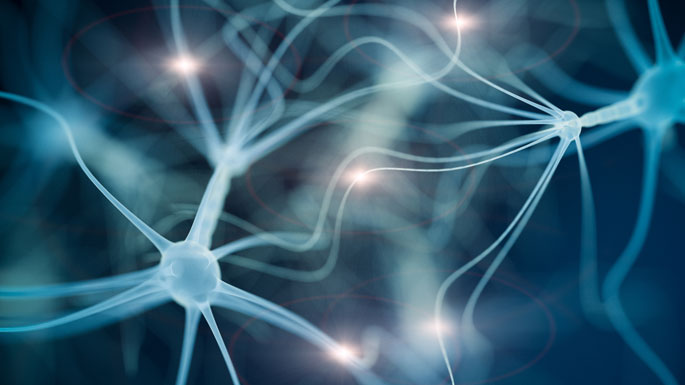
Enzyme helps build motor that drives neuron death
The process, discovered in the axons of neurons, is implicated in Alzheimer’s, amyotrophic lateral sclerosis, traumatic brain injury and other diseases or injuries to the nervous system. Read MoreAug 6, 2018
-
Vanderbilt licenses compound to Nashville’s Appello to advance Parkinson’s therapies
Appello was established with major investment from New York-based Deerfield Management, which specializes in accelerating drug development projects at universities and other nonprofits. Read MoreJun 29, 2018
-
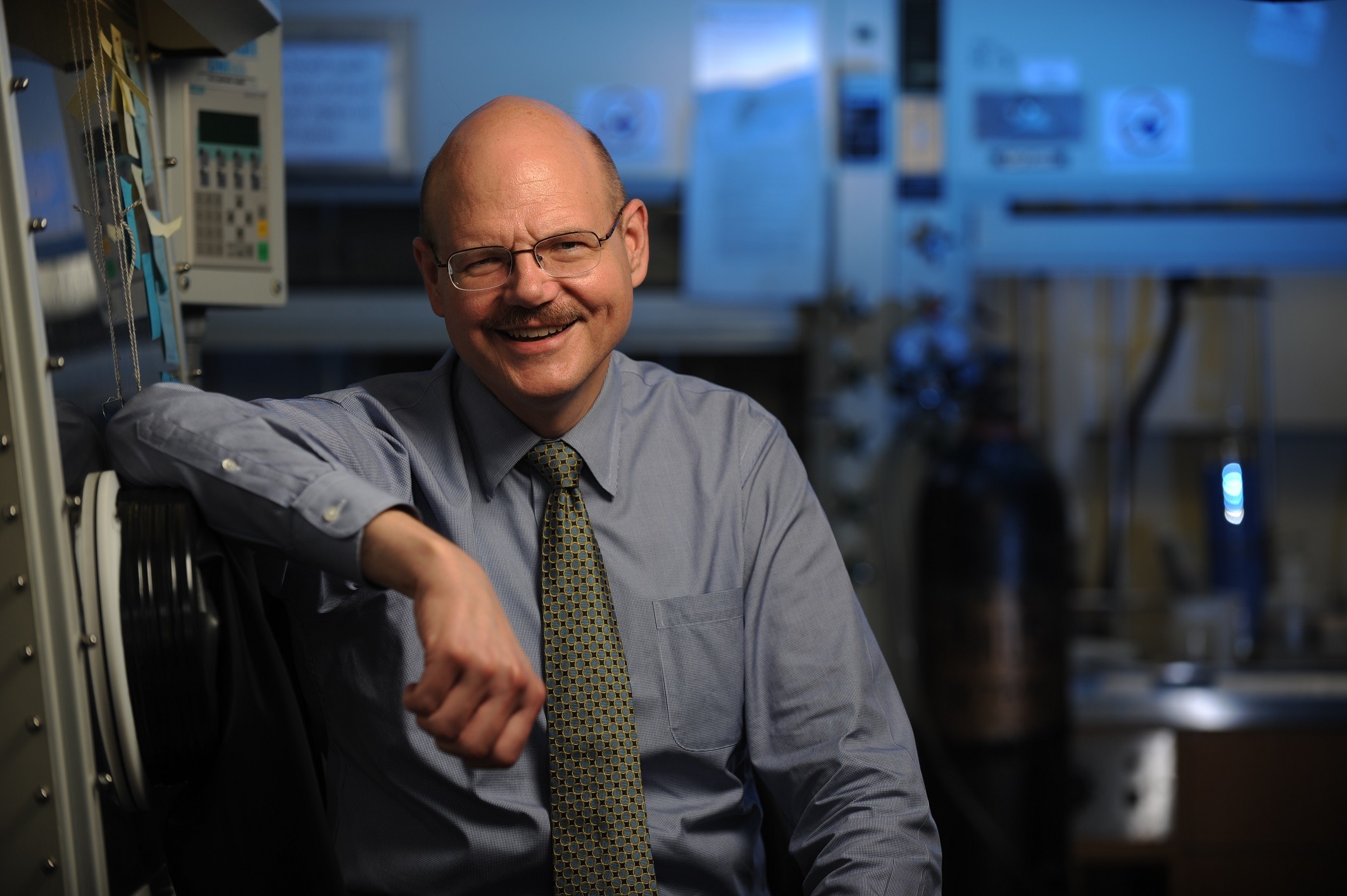
New research explains why some molecules have irregular forms
There’s one bond that had scientists stumped: the one between some types of metals and carbon. Professor of Chemistry Timothy Hanusa set out to replicate this unique type of bond using modeling. Read MoreJun 29, 2018
-
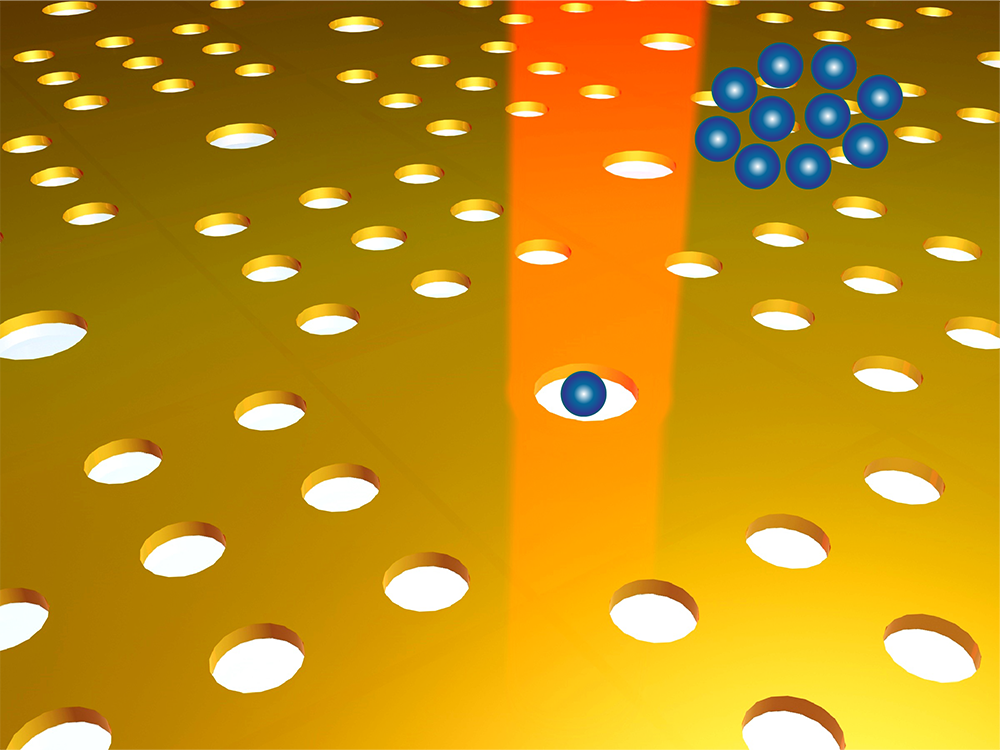
Faster, more precise lab-on-a-chip holds promise of early cancer diagnosis
Justus Ndukaife, who won the 2017 Chorafas Foundation Prize in Physics for his nanotweezers work, also recently was selected for the Carnegie African Diaspora Fellowship Program. Read MoreJun 25, 2018