Month: January 2019
-

Signals from the “conveyor belt”
Carlos Lopez, Tina Iverson and Vsevolod Gurevich propose that a conveyer belt best describes the mechanism by which cellular signals are handed off from enzyme to enzyme in the brain. Read MoreJan 18, 2019
-
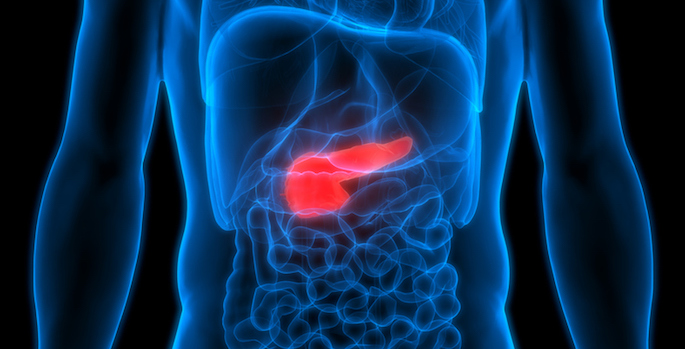
Building a pancreas
Ken Lau and Guoqiang Gu have identified a critical biomarker in determining how a pancreatic progenitor cell will develop. Read MoreJan 17, 2019
-
Study points to alternate therapy for rare form of diabetes
An unexpected finding by Rachana Haliyur during the cellular analysis of human pancreatic tissue has revealed new information about a rare type of diabetes and underscores the importance of genetic testing for some individuals diagnosed with type 1 diabetes. Read MoreJan 17, 2019
-
Research explores link between stem cell transplant, diabetes
Brian Engelhardt is studying why as many as 50 percent of stem cell transplant recipients develop diabetes. Read MoreJan 17, 2019
-

Pain relievers a risk for C. diff?
David Aronoff and colleagues report an increased risk of the serious gastrointestinal infection C. diff following the use of NSAID pain relievers. Read MoreJan 17, 2019
-
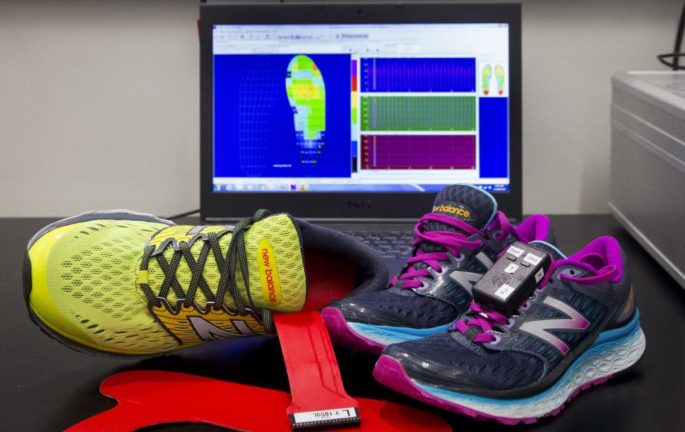
Stress fractures and running wearables: The mistake that could mean injuries
Working with an orthopedic specialist who advises the NFL Players Association, Assistant Professor of Mechanical Engineering Karl Zelik discovered that sensors only measuring the impact of the foot hitting pavement tell users little about the forces on bones that lead to stress fractures. Read MoreJan 17, 2019
-

Findings on eye-signal blending re-examine Nobel-winning research
Knowing which neurons are involved in the eye signal blending process also opens the door to targeted brain therapies that reach well beyond eye patches. Read MoreJan 17, 2019
-

Courts must not ignore explicit bias in discrimination claims, says Vanderbilt law professor
Too often, courts will exclude or minimize evidence of explicit bias when considering discrimination claims out of an overabundance of caution, but that approach only further entrenches the inequality that gave rise to the claim in the first place, finds law professor Jessica Clarke. Read MoreJan 17, 2019
-

Trans-institutional team documents potential new treatment path for breast cancer
A team led by biomolecular engineer John Wilson and cancer biologist Rebecca Cook have found a way to trigger an immune response that targets breast cancer cells. Read MoreJan 16, 2019
-
Team finds how error and reward signals are organized within cerebral cortex
Psychiatrists diagnose people with schizophrenia, ADHD, bipolar disorder and other mental illnesses by spending time with them, looking for the particular behavior symptoms of each. What follows can be a hit-or-miss series of medications and dosages until disruptive behaviors go away. By deciphering the circuitry of the medial frontal cortex… Read MoreJan 14, 2019
-
My Southern Health: Ideas for healthier office meeting food
Stacey Kendrick, health educator at Vanderbilt Health, recommends ideas for healthier eating while meeting. Read MoreJan 11, 2019
-

Study identifies novel genetic factors for colorectal cancer risk
A large-scale study conducted among East Asians and led by Vanderbilt researchers has identified multiple, previously unknown genetic risk factors for colorectal cancer. Read MoreJan 10, 2019
-

Bile acids mediate metabolic benefits of weight-loss surgery
A team of Vanderbilt investigators has pinpointed the role of bile acids and a specific signaling pathway in the positive metabolic effects of weight-loss surgery. Read MoreJan 10, 2019
-

New analysis suggests lepers may not have been pariahs in Jesus’ time
New insights into how disease and impurity were viewed in first-century Jewish society suggests scholars may need to reevaluate how they interpret Jesus' interaction with people affected by leprosy. Read MoreJan 10, 2019
-

Risk modeling, data integration drive NASA next-gen air travel safety project
Sankaran Mahadevan is leading a team of Vanderbilt engineers in an ambitious NASA effort to revolutionize air traffic control. Read MoreJan 9, 2019
-

Anti-Semitic vandalism under investigation
On Tuesday, Jan. 8, Vanderbilt University Police responded to a report of anti-Semitic vandalism in a Furman Hall classroom – a swastika carved into the back of a classroom chair. The symbol has been removed and VUPD is investigating the incident. At this point it is unclear whether the vandalism… Read MoreJan 8, 2019
-

Lindsley named fellow of National Academy of Inventors
Craig Lindsley, co-director of the Vanderbilt Center for Neuroscience Drug Discovery, has been named a fellow of the National Academy of Inventors. Read MoreJan 4, 2019
-

Hundreds of new blood pressure gene variations discovered
In one of the largest studies of its kind, an international research team led by 20 Vanderbilt University scientists has discovered more than 200 new genetic variations associated with high blood pressure. Read MoreJan 4, 2019
-

Study uses IT to prevent early childhood obesity
A research team led by Russell Rothman has been approved for a $7 million research funding award from the Patient-Centered Outcomes Research Institute to conduct a trial comparing clinic and consumer information technology approaches to promote healthy behaviors and prevent early childhood obesity. Read MoreJan 4, 2019
-

Vanderbilt, Boehringer Ingelheim announce partnership to develop therapies for psychiatric disorders
Boehringer Ingelheim and Vanderbilt Center for Neuroscience Drug Discovery today announced two new global agreements to investigate, develop and commercialize novel small molecules targeting two distinct G-protein coupled receptors known to engage in the modulation of certain brain circuitries, which are altered in neuropsychiatric conditions such as schizophrenia. Read MoreJan 3, 2019