Vanderbilt Microbiome Initiative
-

Invasive strep can defy zinc toxicity
Vanderbilt researchers find that invasive Group B Streptococcus strains, a significant risk to pregnant patients and infants, can grow in presence of toxic zinc levels. Read MoreFeb 28, 2022
-
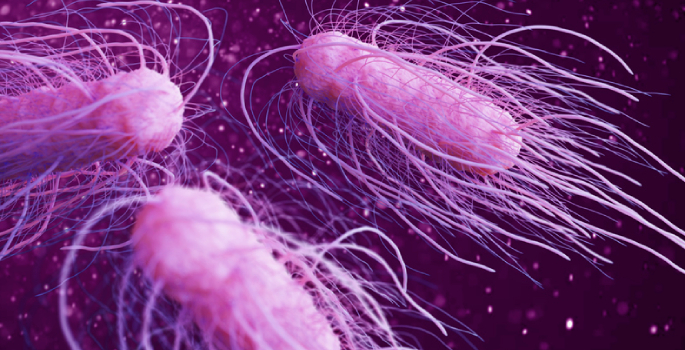
Salmonella overcomes host resistance
The invading pathogen Salmonella, a common cause of food poisoning, can change its metabolism to overcome host resistance to its colonization. Read MoreJan 13, 2022
-
Seeing the unseen: Vanderbilt science hub helps set a standard for innovative microbiome research, education
The Vanderbilt Microbiome Initiative is receiving attention for its role as a standard bearer for other microbiome programs, thanks to a new article on the importance and emergence of microbiome centers – academic hubs of microbiome-related research. Read MoreDec 19, 2019
-
Host-microbe interactions in the gut
Vanderbilt investigators demonstrated that intestinal cells promote beneficial microbe behavior — the findings support developing microbiota-based therapies for intestinal health. Read MoreAug 13, 2019
-
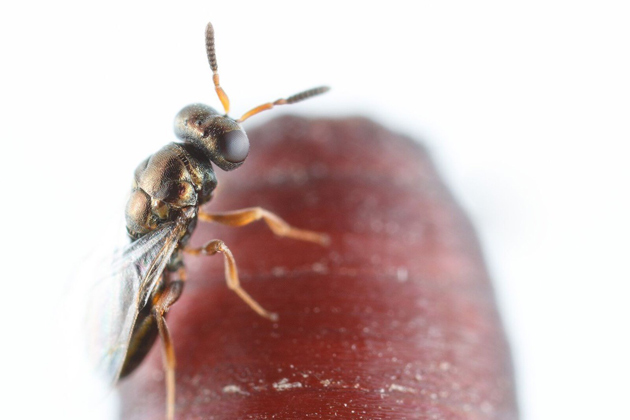
Insect gene allows reproductive organs to cope with harmful bacteria
Bordenstein’s team studied Nasonia parasitic wasps, which are about the size of a sesame seed, and they serve as one of the best models to dissect and characterize the evolution of insect genomes. Read MoreMay 17, 2018