Vanderbilt Institute Of Chemical Biology
-
Innovation Ignition Fund launches a pilot program to support early-stage therapeutic projects with translational viability
The School of Medicine Basic Sciences and the Office of the Vice Provost for Research and Innovation launch the Innovation Ignition Fund. This pilot program offers up to $500,000 in funding and drug development mentorship from Vanderbilt scientists with expertise in translational research. Read MoreJan 11, 2024
-
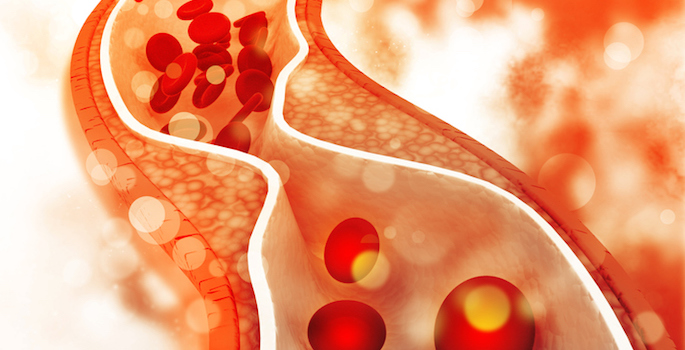
A new contributor to atherosclerosis
Sean Davies and colleagues are exploring lipid aldehydes produced during oxidative stress and their contribution to HDL dysfunction and atherosclerosis. Read MoreJan 27, 2020
-

Founders’ Celebration for Institute of Chemical Biology set for March 28
The Vanderbilt Institute of Chemical Biology (VICB) will hold a Founders’ Celebration mini-symposium on March 28 to acknowledge the contributions of its founders, Lawrence Marnett, PhD, and Ned Porter, PhD, and to celebrate 15-plus years of success as a trans-institutional scientific incubator. Read MoreMar 22, 2018
-

A spicy finding
Vanderbilt researchers have discovered that curcumin — the active ingredient in the spice turmeric — needs to be metabolically activated to exert anti-inflammatory effects. Read MoreJan 16, 2018
-
Oxidative stress in tumors
Vanderbilt investigators have developed a new method for measuring oxidative stress in human tumors, which provides insight into cancer development. Read MoreMay 18, 2017
-
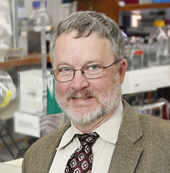
Brown named interim director of Institute of Chemical Biology
H. Alex Brown, Ph.D., the Bixler-Johnson-Mayes Professor in the Department of Pharmacology, has been named interim director of the Vanderbilt Institute of Chemical Biology (VICB). Read MoreNov 3, 2016
-

Transcription factor evolution
Vanderbilt researchers have discovered a novel model of evolution for factors that control gene expression. Read MoreAug 11, 2016
-
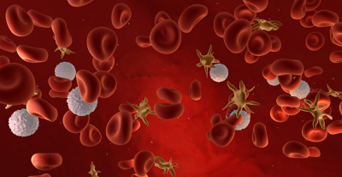
How strep grabs on to platelets
New structural details of the binding of the bacterium Streptococcus sanguinis to platelets may offer new therapeutics for life-threatening cardiovascular infections. Read MoreApr 20, 2016
-

Purdue’s Low set for next Flexner Discovery Lecture
Philip Low, Ph.D., director of the Purdue Center for Drug Discovery, will deliver the next Flexner Discovery Lecture on April 14. Read MoreApr 7, 2016
-
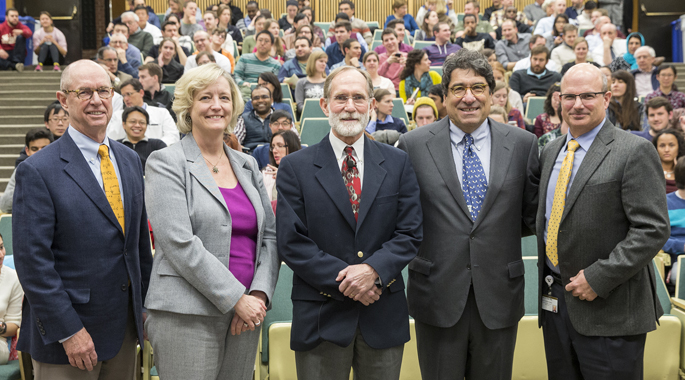
Nobel laureate’s lecture highlights impact of science
“Stay with science,” Nobel laureate Peter Agre, M.D., advised dozens of medical and graduate students who attended his lecture at Vanderbilt University Medical Center last week. “It will take you to fascinating places.” Read MoreJan 28, 2016
-

The yin and yang of COX-2
New findings add to the understanding of how the enzyme COX-2 works, which is critical to the development of COX-2-targeted anti-inflammatory drugs. Read MoreOct 2, 2015
-
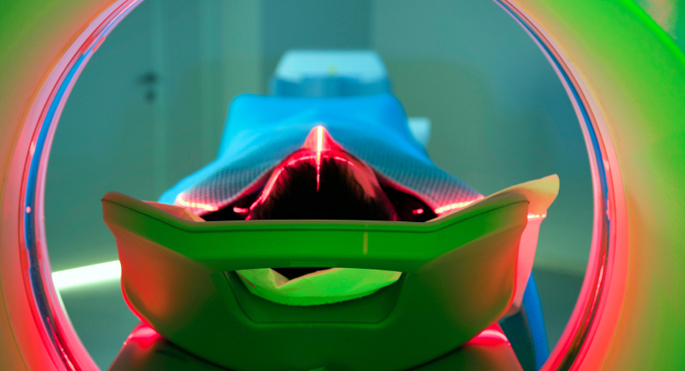
Lit up COX-2 cancer probe
A new imaging probe developed by Vanderbilt investigators enhances tumor visibility and has broad applications in diagnosing and monitoring patients with cancer. Read MoreJun 17, 2015
-

Genome-editing pioneer next up in Discovery Lecture series
Jennifer Doudna, Ph.D., recipient of a 2015 Breakthrough Prize in Life Sciences, will deliver the next Flexner Discovery Lecture on Thursday, Jan. 8. Read MoreJan 2, 2015
-
Channel drug restores glucose balance
A new compound that activates potassium channels could be used to treat disorders of glucose homeostasis. Read MoreApr 16, 2014
-
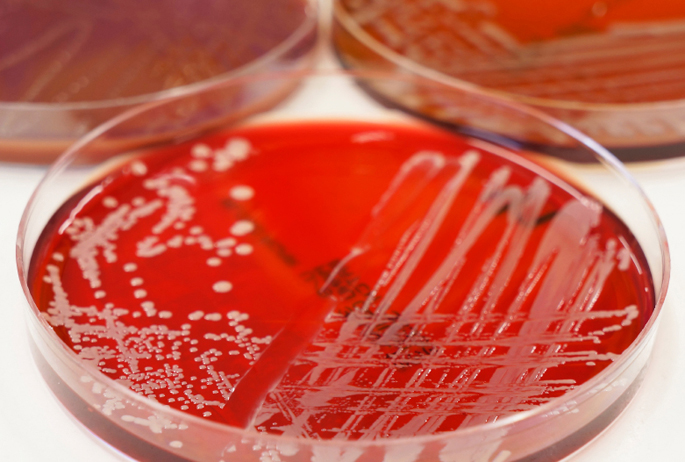
Anthrax bacteria’s signaling systems
Vanderbilt researchers have identified a new signaling system that anthrax bacteria uses to infect its host. Read MoreApr 15, 2014
-

Antioxidants promising for rare disorder
The antioxidant vitamin E prevented the buildup of toxic products in a model of a rare genetic disorder, suggesting new strategies for therapeutic development. Read MoreFeb 6, 2014
-
Fishing for new anti-cancer drugs
Vanderbilt investigators used an in vivo screen in zebrafish to identify a potential new anti-cancer drug. Read MoreSep 18, 2013
-
Studies outline new model for staph bone infections
Osteomyelitis, a debilitating bone infection most frequently caused by Staphylococcus aureus (“staph”) bacteria, is particularly challenging to treat. Read MoreJun 20, 2013
-
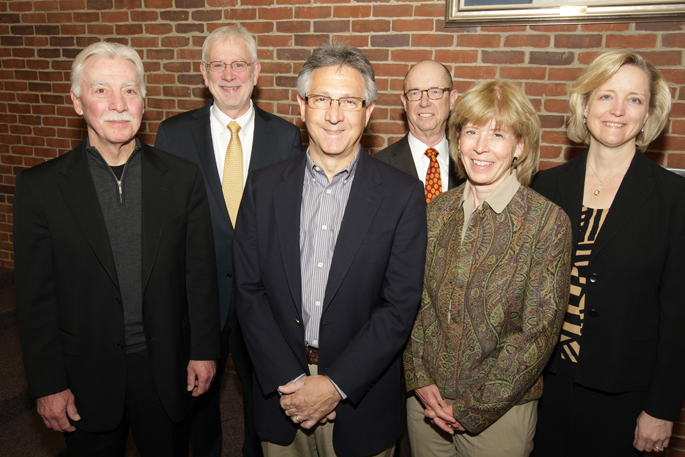
Photo: VICB anniversary
The Vanderbilt Institute of Chemical Biology (VICB) celebrated its 10th anniversary Tuesday with a daylong research symposium. Read MoreMar 14, 2013
-

Bacteria expert Hultgren to deliver Discovery Lecture
Scott Hultgren, Ph.D., an expert on the interactions between bacteria and human hosts, will deliver the next Flexner Discovery Lecture on Thursday, March 7. Read MoreFeb 28, 2013