Stomach Cancer
-

H. pylori, lipid loss and stomach cancer
H. pylori infection — a strong risk factor for stomach cancer — changes the composition of stomach lipids, which could offer new biomarkers for detecting premalignant changes, Vanderbilt researchers discovered. Read MoreJan 17, 2022
-
Stomach bug hit-and-run
The H. pylori machinery that “injects” an oncoprotein into stomach cells contributes to the development of gastric cancer, Vanderbilt researchers demonstrate. Read MoreJul 23, 2020
-
Powering H. pylori pathogenesis
Timothy Cover and colleagues report new insights into the sources of energy used by a bacterial “machine” linked to the pathogenesis of stomach cancer. Read MoreFeb 6, 2020
-
A step toward gastric cancer
New research findings provide insight into the detrimental events that develop in response to H. pylori infection. Read MoreOct 3, 2019
-

Toxin floats on lipid rafts
The bacterium H. pylori is a leading cause of stomach cancer, and Vanderbilt researchers are studying how one of its toxins gets into cells. Read MoreApr 23, 2018
-
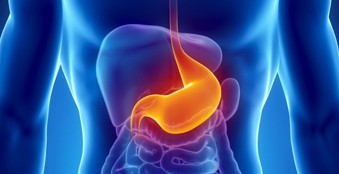
Early drivers of gastric cancer
Using bioinformatics approaches, Vanderbilt investigators have identified gene expression networks that are deregulated in mouse and human stomach cancers. Read MoreAug 8, 2017
-

Study seeks to reverse precancerous stomach lesions
Vanderbilt University Medical Center cancer researcher James Goldenring, M.D., Ph.D., has received a two-year, $200,000 grant from the DeGregorio Family Foundation in Pleasantville, New York, to begin clinical trials of a potential approach for reversing precancerous stomach lesions. Read MoreMay 4, 2017
-
A DARPP role in gastric cancer
Vanderbilt researchers have discovered a link between Helicobacter pylori infection, inflammation and gastric cancer that could suggest new anti-cancer therapies. Read MoreNov 3, 2016
-
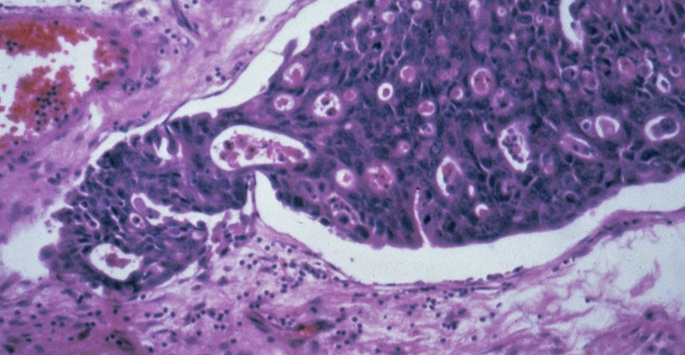
Stomach cancer cues
Vanderbilt scientists have discovered a new molecular mechanism that promotes stomach cancer development, findings that could provide new opportunities for treatment. Read MoreAug 6, 2015
-
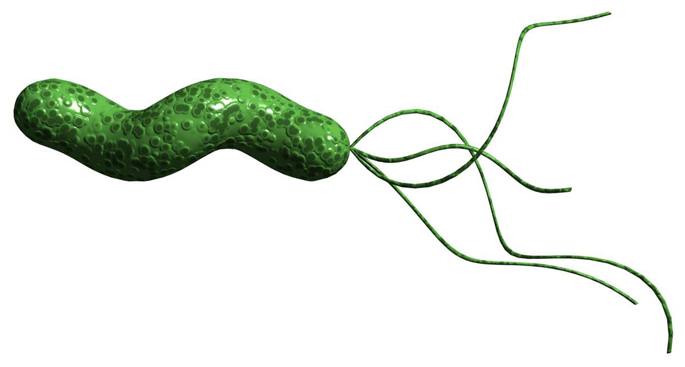
Host sequesters zinc to control stomach bug
Understanding how zinc and the host’s immune response control H. pylori’s cancer-causing potential could suggest new therapeutic strategies to reduce infection and cancer risk. Read MoreNov 21, 2014
-
Therapeutic target for gastric cancer
A protein kinase linked to inflammation and tumor development may be a good target for gastric cancer therapies. Read MoreDec 12, 2013
-
Cell changes en route to stomach cancer
Molecular characterization of pre-cancerous changes in cells lining the stomach could point to lesions with a greater risk of progression to cancer. Read MoreSep 26, 2013
-
Noninvasive test detects stomach bug
A noninvasive test can be used to identify the presence of Helicobacter pylori and evaluate its virulence, which will be useful in areas with high rates of H. pylori-associated gastric cancer. Read MoreAug 12, 2013
-

Berlin earns stomach cancer foundation award
Jordan Berlin, M.D., professor of Medicine and Ingram Professor of Cancer Research at Vanderbilt-Ingram Cancer Center, has received the Tree of Life award from Debbie’s Dream Foundation: Curing Stomach Cancer (DDF). Read MoreMay 30, 2013
-

Salt revs stomach bug’s cancer impact
A high-salt diet worsens the carcinogenic effects of Helicobacter pylori, a bacterium that colonizes the stomachs of half of the world’s population. Read MoreMay 13, 2013
-
Cancer markers from archived tissue
Archived tissue samples are yielding new disease biomarkers. Read MoreDec 20, 2012
-

Green tea found to reduce rate of some GI cancers
Green tea may lower risk of some digestive cancers. Read MoreOct 31, 2012