Solar Eclipse
-
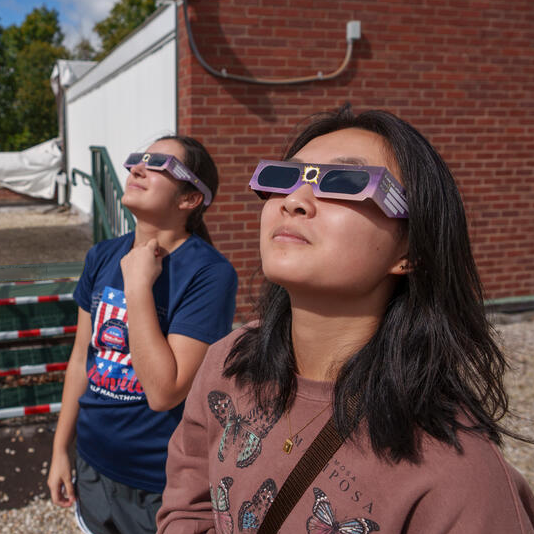
Vanderbilt’s Dyer Observatory gears up for April 8 solar eclipse: what you need to know
Much of Middle Tennessee will see about 95% of the sun covered on April 8, providing us with a grand partial solar eclipse. The Sun will begin to disappear at 12:45 p.m., reach maximum eclipse by 2:02 p.m., and completely reappear at 3:20 p.m. For those who crave the experience of a total solar eclipse, all is not lost. The path of totality extends across much of the eastern United States, making it accessible by just a few hours' drive from Nashville. Read MoreApr 1, 2024
-
Vanderbilt Dyer Observatory launches 2024 season with a new look
Vanderbilt Dyer Observatory welcomes astronomy enthusiasts to its 2024 season, marked this year by the unveiling of a new logo. Read MoreMar 22, 2024
-
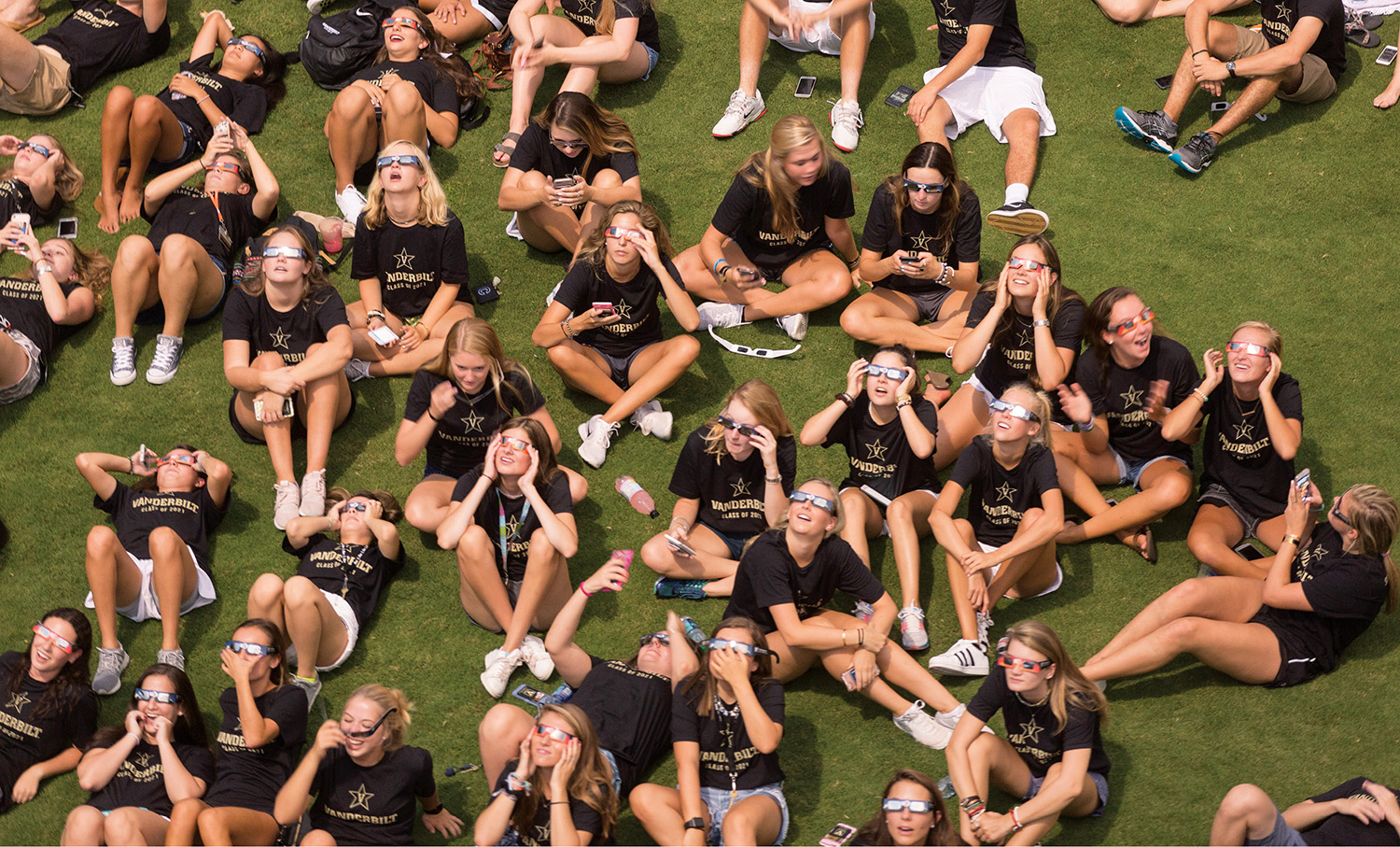
Star Struck: Vanderbilt’s front-row seat to the total solar eclipse
Vanderbilt’s newest first-year students will likely remember Aug. 21, 2017, for a long time to come. Not only did the date mark their official welcome to the university, but the approximately 1,600 students also donned safety glasses on The Commons Lawn to witness the total solar eclipse that appeared in Nashville that day—the first time in 538 years that such a sight had been visible in Middle Tennessee. Read MoreNov 21, 2017
-
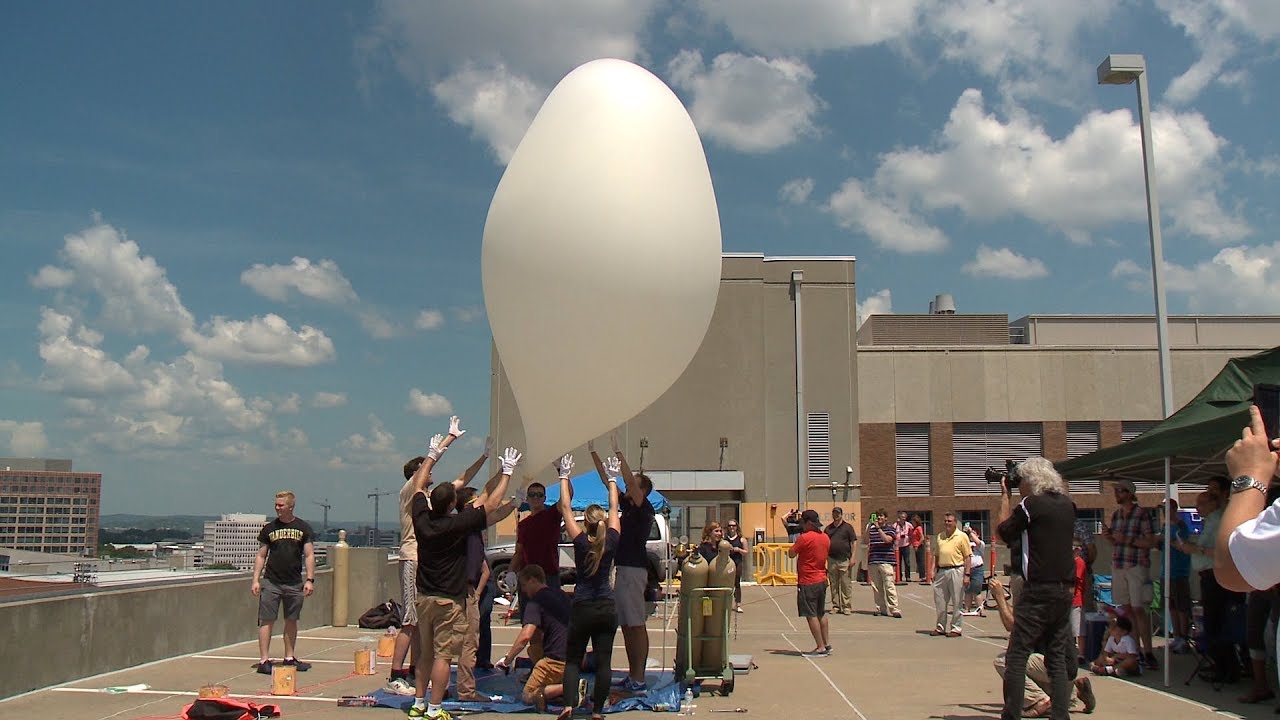
Vanderbilt joins NASA in eclipse balloon launch
Vanderbilt University researchers joined a national NASA weather balloon project giving scientists and people around the world a view of the total solar eclipse from the edge of space. Read MoreAug 24, 2017
-
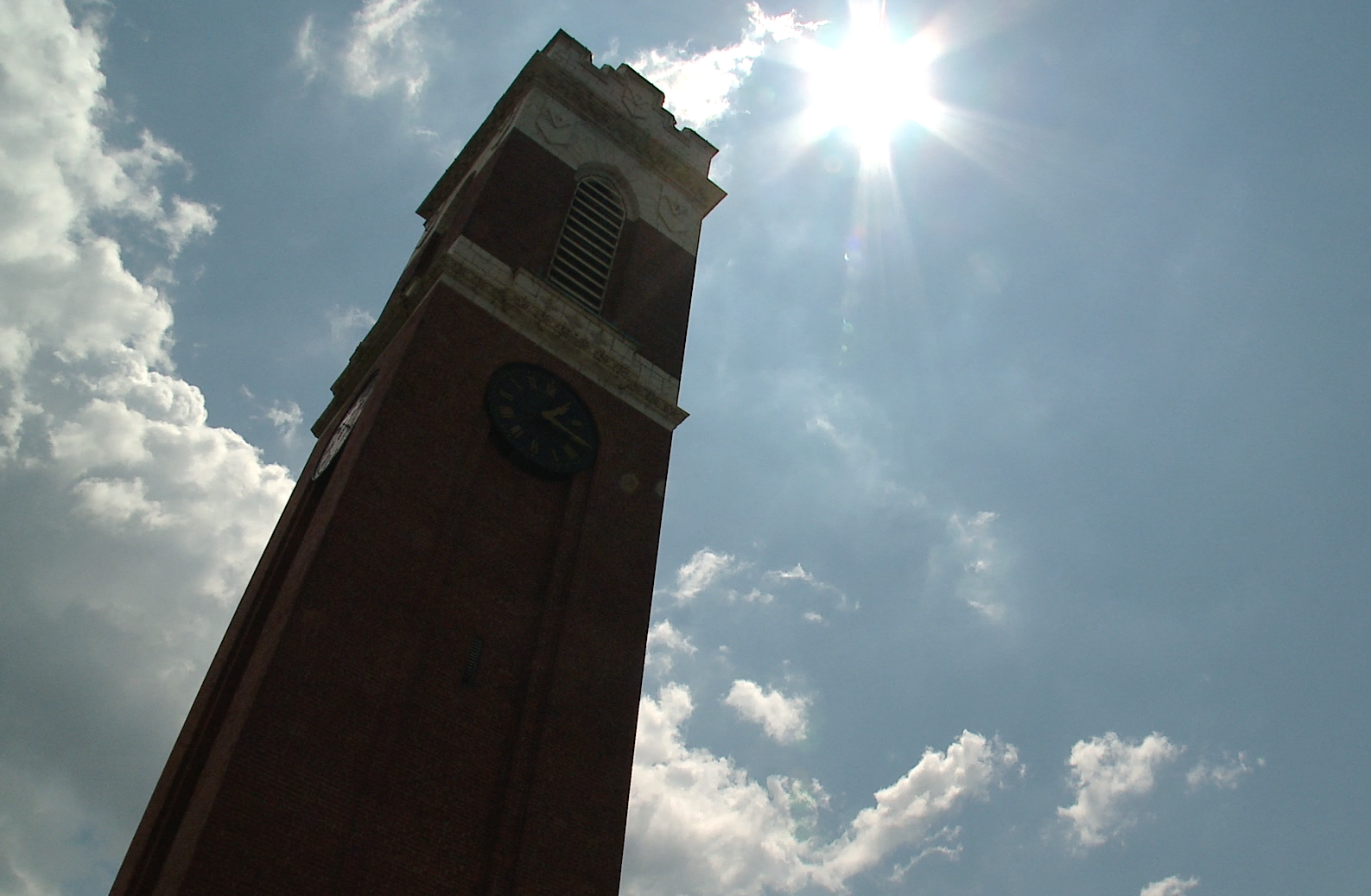
Eclipse Timelapse Montage
Enjoy this montage of time-lapsed videos from across the campus of Vanderbilt University during Eclipse 2017. Read MoreAug 24, 2017
-
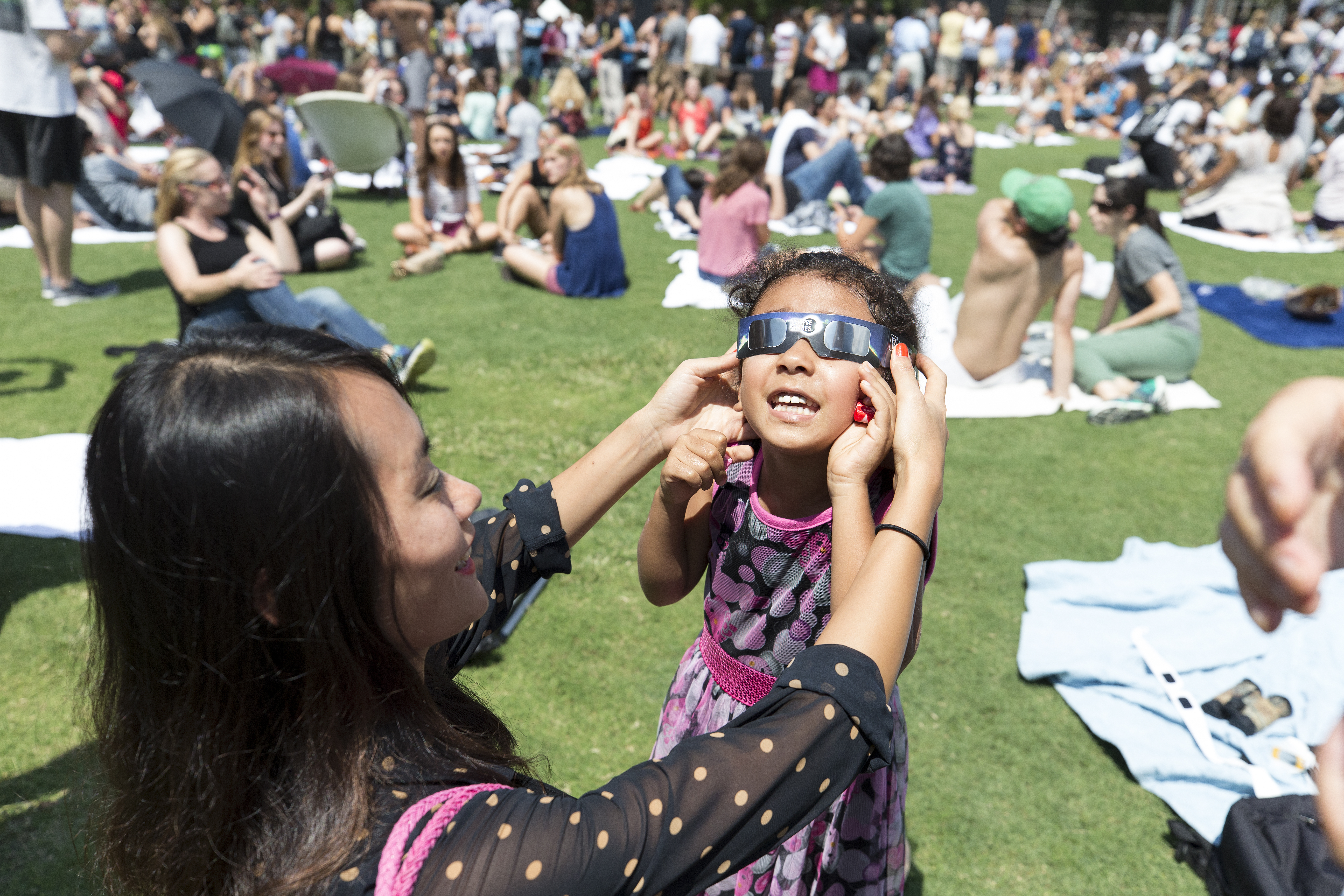
Vanderbilt University community gathers for VU Eclipse 2017
Vanderbilt University students, faculty, and staff joined together to witness a once-in-a-lifetime event: a total solar eclipse. Read MoreAug 24, 2017
-
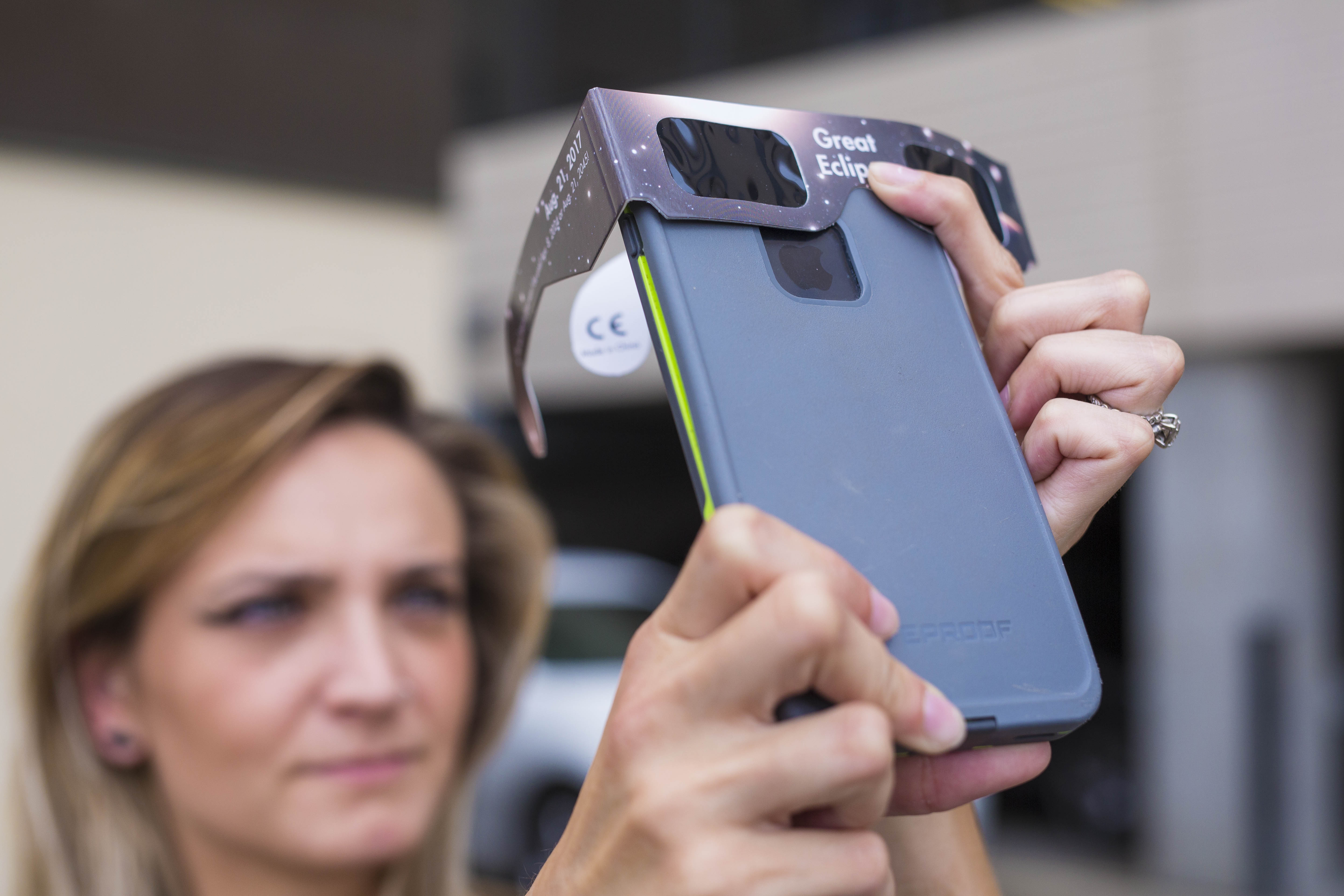
There’s good news and bad news when photographing the upcoming solar eclipse
Vanderbilt’s director of photography says there are conflicting views about possible damage to your smartphone when photographing the eclipse. Read MoreAug 15, 2017
-
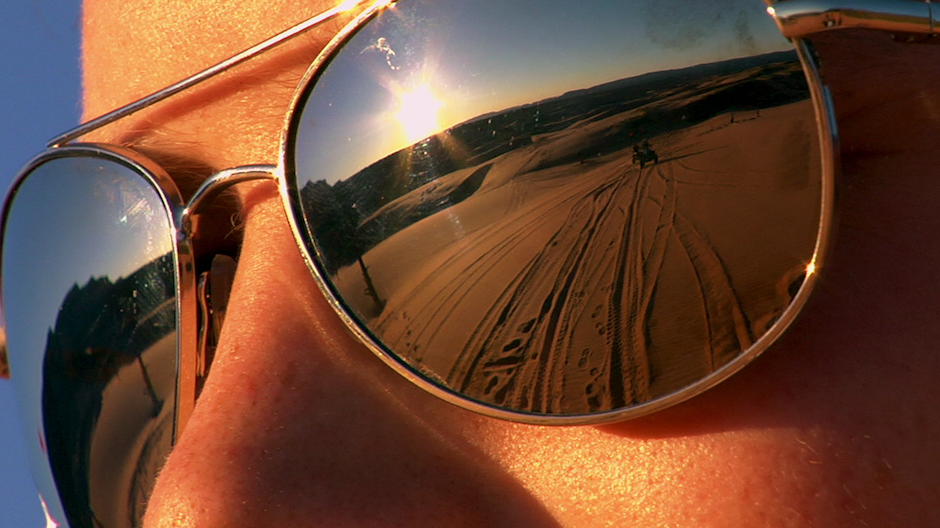
A solar eclipse can hurt your eyesight without you knowing it – here’s why.
While agreeing that viewing a total solar eclipse is a chance of a lifetime, Vanderbilt Eye Institute Research Director David Calkins urges us to not look at the sun without special eclipse glasses. Catkins explains how certain spectrums of sunlight can damage your eyesight without you knowing it, until it… Read MoreAug 15, 2017
-
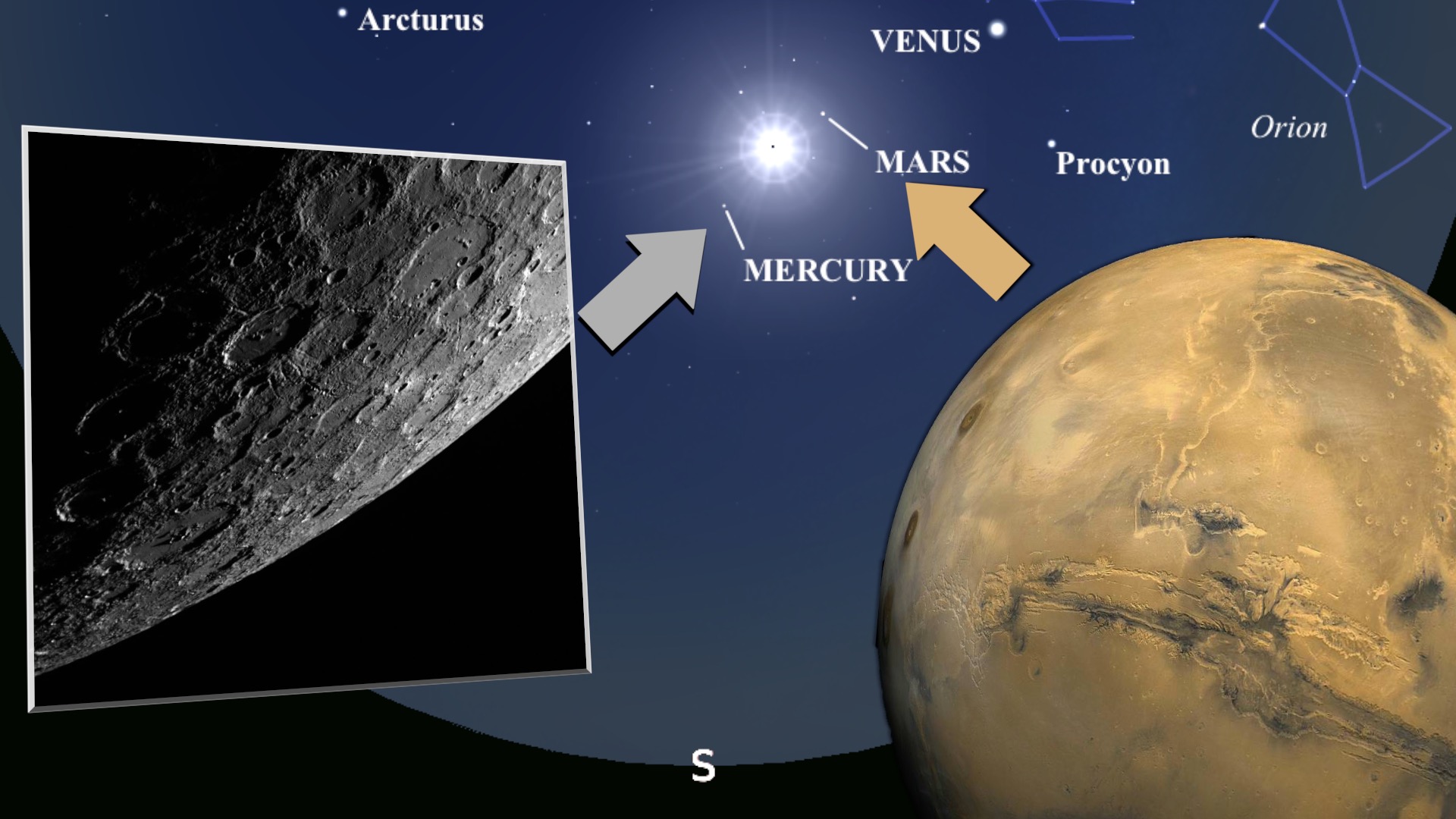
What else can you see during the total solar eclipse?
Don’t forget to look around the sky during the historic total solar eclipse. Vanderbilt Dyer Observatory astronomer Billy Teets says several planets will be brightly visible as the solar eclipse occurs. Venus will be the brightest thing in the sky, besides the sun and the moon. Tests tells where to… Read MoreAug 14, 2017
-
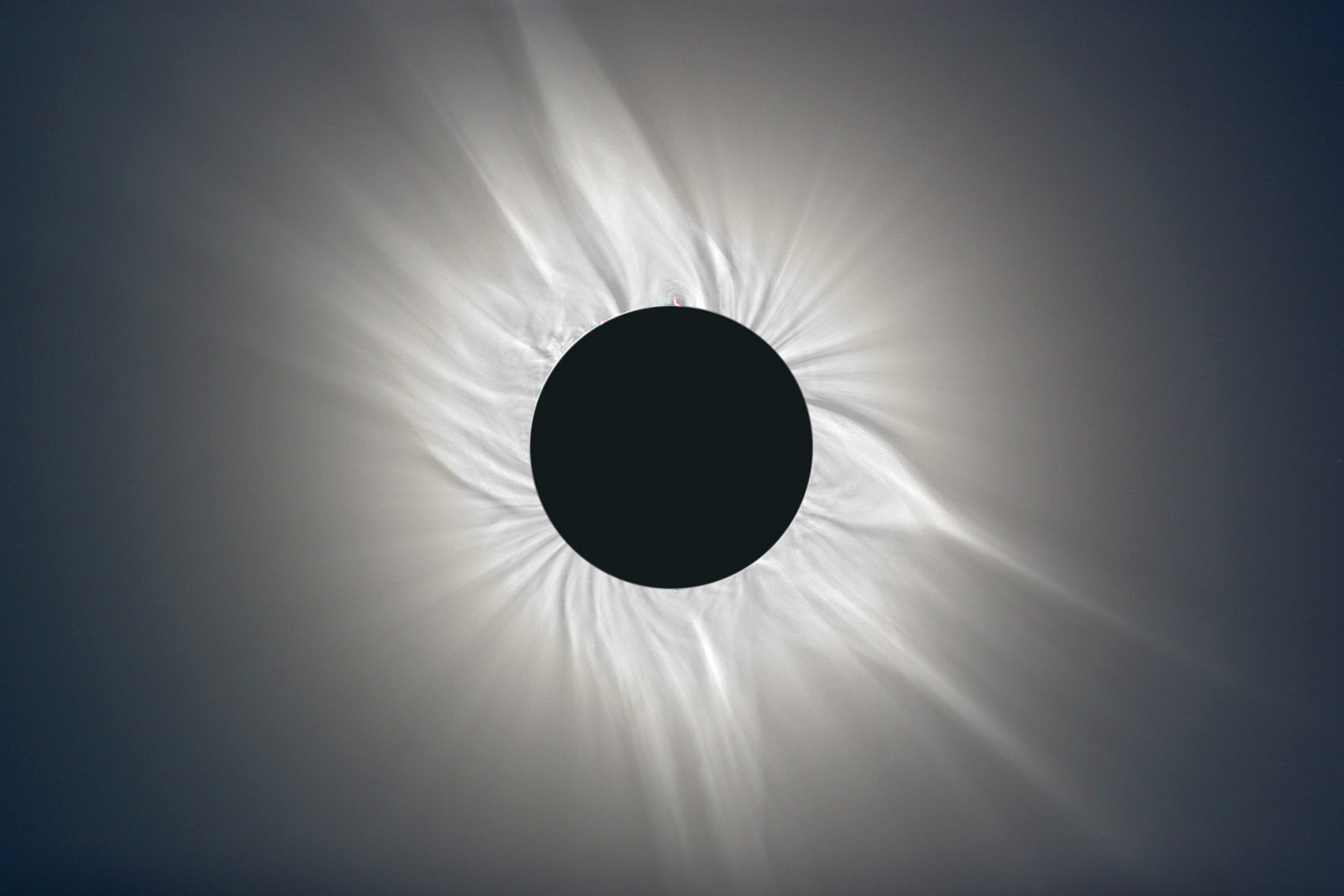
Vanderbilt astronomer says the Solar Corona is the most exciting part of a total solar eclipse
The Sun’s corona is the outer atmosphere of the sun. A total solar eclipse is the only time the suns’s corona, all the way to the surface of the sun is visible. Vanderbilt astronomer Susan Stewart says a total solar eclipse gives scientists the ability to study the structure of… Read MoreAug 14, 2017
-
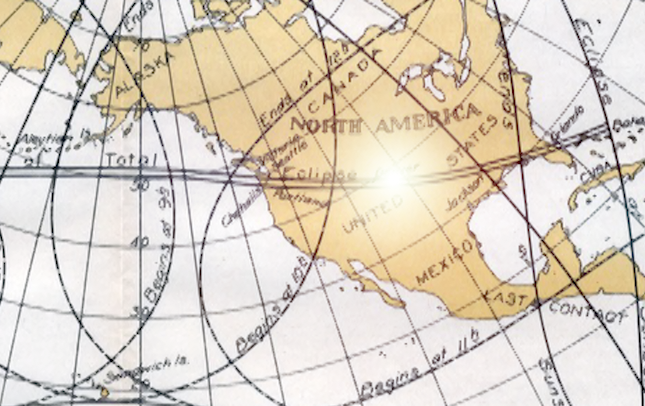
Upcoming total solar eclipse is the first visible across the U.S. in 99 years
Vanderbilt University astronomer Billy Teets explains the historic path of the total solar eclipse on Aug. 21. Teets says the eclipse will only be viewable along a 70-mile-wide path from the West Coast to the East Coast. Read MoreAug 14, 2017
-
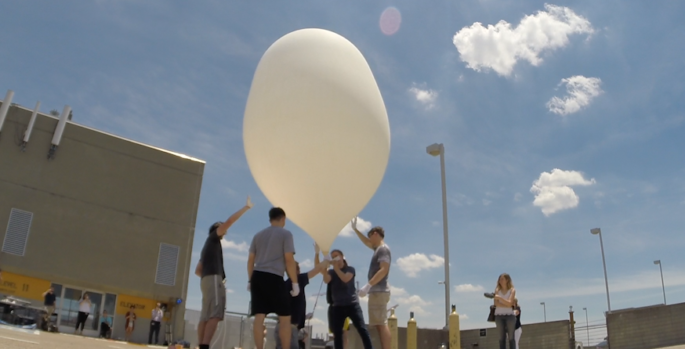
Vanderbilt launches test balloon in preparation for total solar eclipse research
Vanderbilt University is part of a national NASA project to give scientists a view of the eclipse from the edge of space. The high altitude balloon, launched by Vanderbilt, will carry a 12 pound payload or scientific instruments for research and a camera for live streaming. Follow Vanderbilt on Twitter:… Read MoreAug 14, 2017