School Of Engineering
-

Vanderbilt chemical engineering researchers contribute to significant advance in 2D materials
Some of the most ideal building blocks in technology are 100,000 times thinner than a human hair. An international collaboration involving co-principal investigator De-en Jiang could result in a new class of these “2-D” materials for use in electronics, energy storage and other applications. Jiang, H. Eugene McBrayer Professor of Chemical Engineering, leads the Computational Chemical Sciences and Materials Laboratory. Read MoreSep 26, 2025
-
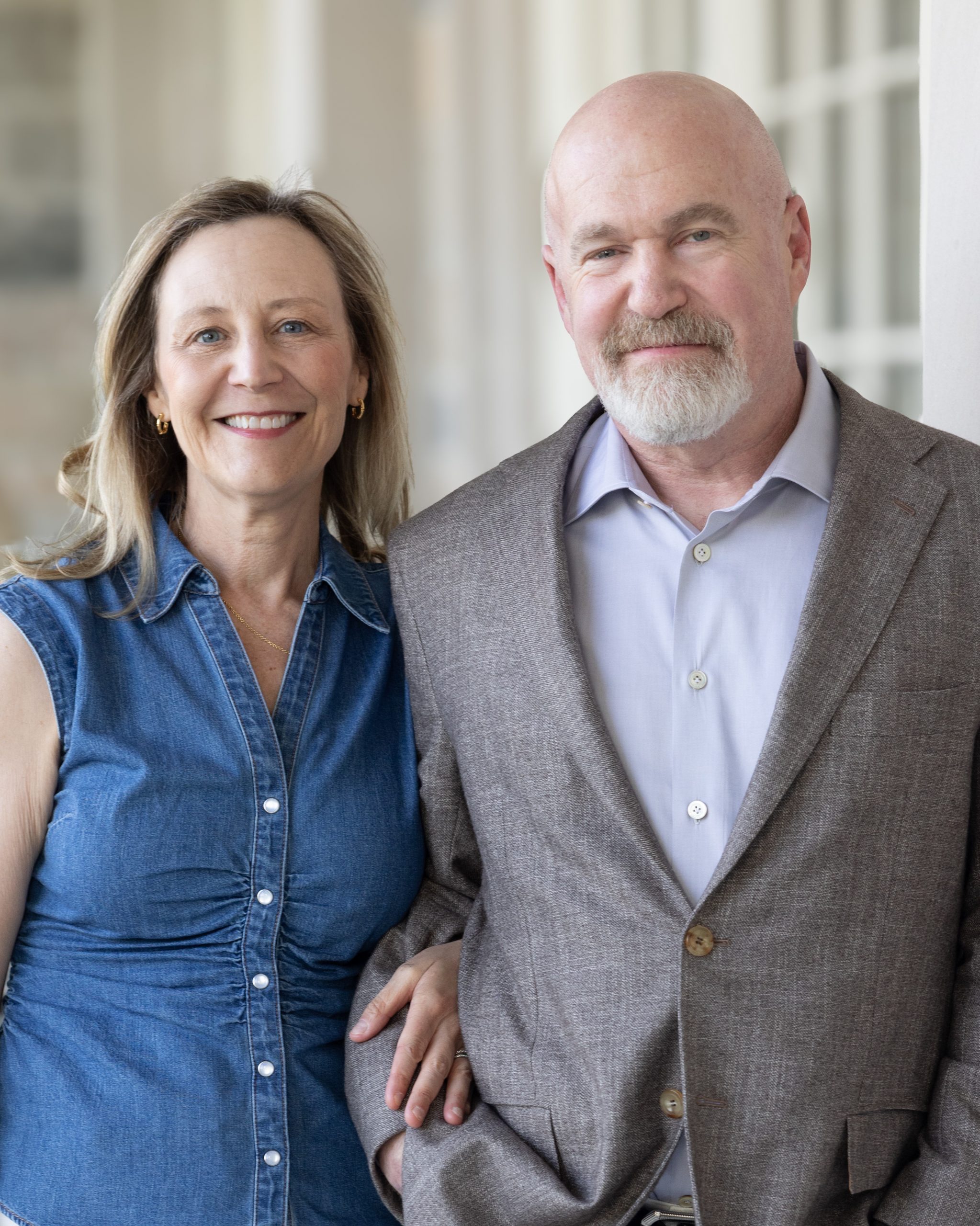
$11.25M gift will propel efforts in national security research and neurodiverse innovation
A transformative gift from Vanderbilt parents Laurel and Cliff Asness of Greenwich, Connecticut, to the Vanderbilt Institute of National Security and the Frist Center for Autism and Innovation will have a significant impact on the future of national security and neurodiversity. The gift highlights the extraordinary support of the Vanderbilt community and underscores the ongoing momentum of the university’s historic Dare to Grow campaign which surpassed its original goal of $3.2 billion 20 months ahead of schedule. Read MoreSep 25, 2025
-

Connected Computing’s David Hyde receives $1.6 million NSF grant to develop open-source software platform for ‘physical intelligence’
David Hyde, assistant professor of computer science at Vanderbilt University’s College of Connected Computing, has received a $1.6 million grant from the National Science Foundation to develop a new, open-source software platform for “physical intelligence,” which is the combination of traditional physics simulation algorithms with artificial intelligence for addressing complex real-world applications. Read MoreSep 4, 2025
-
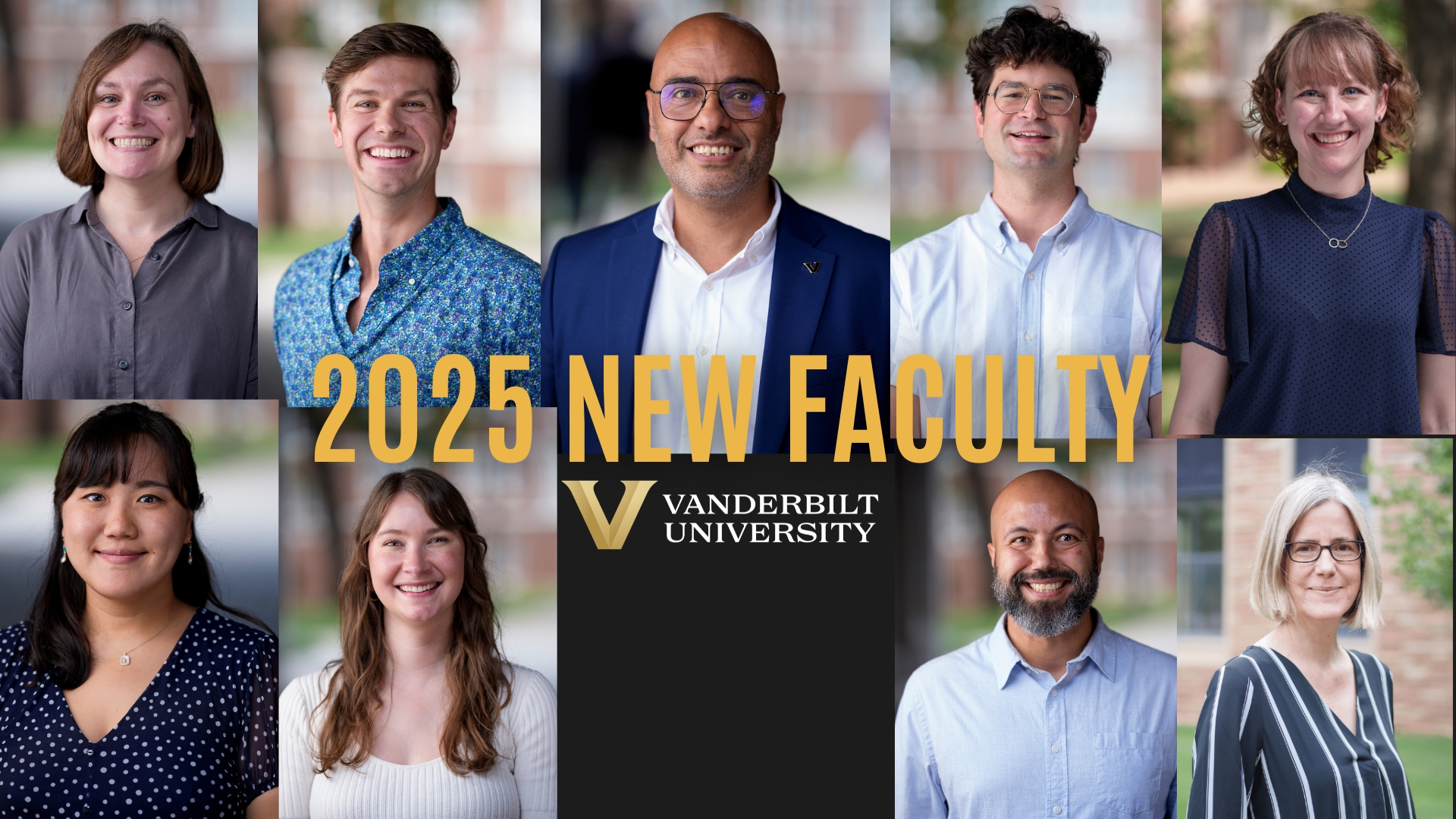
NEW FACULTY: New professors on why they’re excited to be part of Vanderbilt
Meet some of Vanderbilt's newest faculty as they explain why Vanderbilt is the right academic home for them. Read MoreAug 27, 2025
-

AI propaganda has arrived; Vanderbilt experts call for action
Vanderbilt researchers uncovered evidence of a Chinese government-linked AI propaganda campaign, revealing unprecedented scale and precision in influence operations. The work reflects the university’s growing role in addressing urgent global security challenges. Read MoreAug 25, 2025
-

Engineering professor receives $3.1M NIH grant to develop augmented reality surgery system for precision cochlear implant procedures
Jack Noble, assistant professor of electrical and computer engineering, is working with clinical colleagues to develop and validate an augmented reality vision guidance system to help surgeons place cochlear implants more precisely. The guidance system leverages emerging artificial intelligence technology and uses inexpensive, commonly available equipment, making it practical for many operating rooms. Read MoreAug 22, 2025
-

Center for Sustainability, Energy and Climate enters next phase with official launch
Discovery Vanderbilt officially launched its Vanderbilt Center for Sustainability, Energy and Climate, building on a year of development. The interdisciplinary center advances solutions in energy transformation, climate adaptation, infrastructure resilience and sustainable resource use. Read MoreAug 18, 2025
-
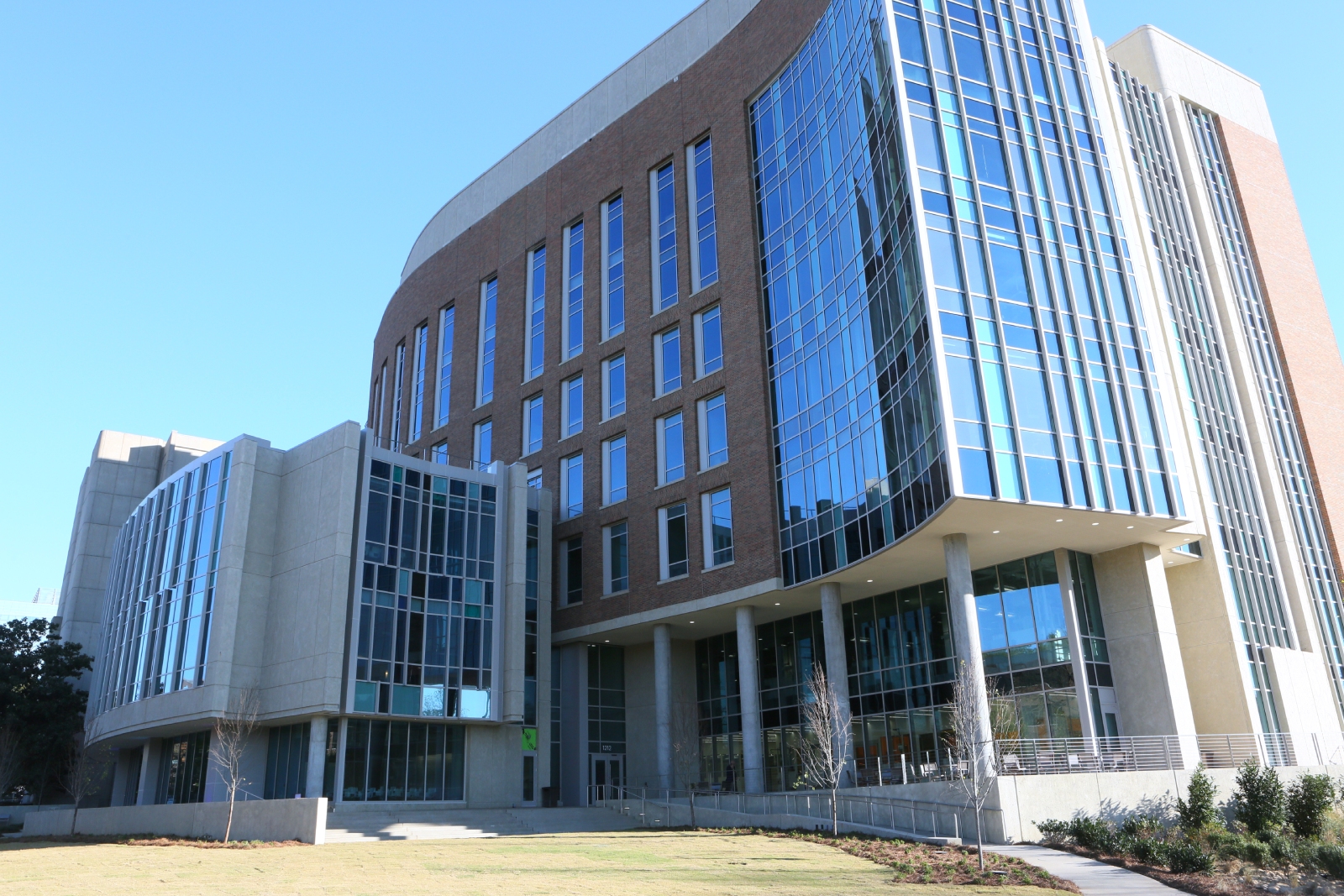
A. James & Alice B. Clark Foundation invests $16.5M to enhance impact at School of Engineering
In a powerful capstone to its legacy, the A. James & Alice B. Clark Foundation is investing an additional $16.5 million in Vanderbilt’s School of Engineering and the Clark Scholars Program—building on a transformational partnership that began with the program’s founding in 2017. The Clark Foundation’s generosity also fuels Vanderbilt’s historic Dare to Grow fundraising campaign Read MoreAug 14, 2025
-
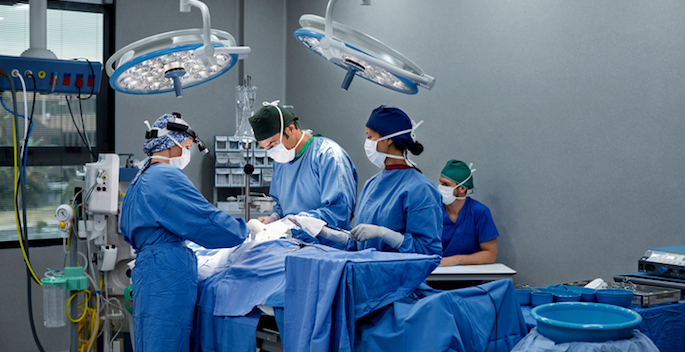
Multicenter trial confirms near-infrared autofluorescence increases detection of parathyroid glands
The Vanderbilt Biophotonics Center, led by Professor Anita Mahadevan-Jansen, developed a device called the PTeye that can help surgeons see patients' parathyroid glands—which have unpredictable locations—better during neck surgery by making the tissue glow! A large, multicenter clinical trial has provided evidence of its effectiveness, which the team hopes will improve the accuracy of endocrine neck surgery and improve patient outcomes. Clinical implementation of the device was pioneered by Dr. Carmen Solórzano, director of Vanderbilt Endocrine Surgery at VUMC. Read MoreAug 7, 2025
-

Hussam Mahmoud named director of the Vanderbilt Center for Sustainability, Energy and Climate
The Vanderbilt Center for Sustainability, Energy and Climate has a new director—Hussam Mahmoud. Mahmoud, professor of civil and environmental engineering, joins Vanderbilt from Colorado State. VSEC's mission is to investigate energy, infrastructure, climate and systems to address the grand social and scientific challenges to ensuring a sustainable planet. The center was established in 2024 as a part of Discovery Vanderbilt; Associate Professor Hiba Baroud was the inaugural and interim director. Read MoreAug 7, 2025
-

Micro-robotics specialist receives NSF CAREER Award for research advancing magnetic miniature soft robots in precision medicine
Xiaoguang Dong, assistant professor of mechanical engineering, has been awarded a National Science Foundation CAREER Award that will support research on magnetic miniature soft robots for precision medicine that could facilitate early disease detection and treatment. Read MoreJul 21, 2025
-

Researchers receive $1.2 million NSF grant to develop smart microscope system
Vanderbilt researchers have received a $1.2 million grant from the National Science Foundation to develop a smart microscope system that uses artificial intelligence to help scientists better understand how cells behave, particularly in diseases like cancer. Read MoreJul 17, 2025
-

Breakthrough study shows how brain-to-computer ‘electroceuticals’ can help restore cognition
Just like electrical stimulation of heart muscles can restore a regular heartbeat, new research led by Thilo Womelsdorf suggests that "electroceutical" intervention in the brain can improve memory and other cognitive functions wrought by behavioral health disorders and diseases like Alzheimer's and Parkinson's. Womelsdorf, professor of psychology and biomedical engineering at the Vanderbilt Brain Institute, said, “For these cognitive disabilities, brain-computer interfaces promise to become next-generation electroceutical treatment options.” Read MoreJul 10, 2025
-
Nanobody hitchhikers boost immunotherapy potency in cancer treatment
A collaboration among VUMC, the College of Arts and Science, the School of Medicine and the School of Engineering has led to some higher-order “hitchhikers” that can make immunotherapy cancer treatments more effective. Associate Professor John Wilson’s lab devised a way to piggyback cancer-fighting nanobodies onto molecules that naturally accumulate around tumors—getting the treatment where it needs to go. Read MoreJul 10, 2025
-
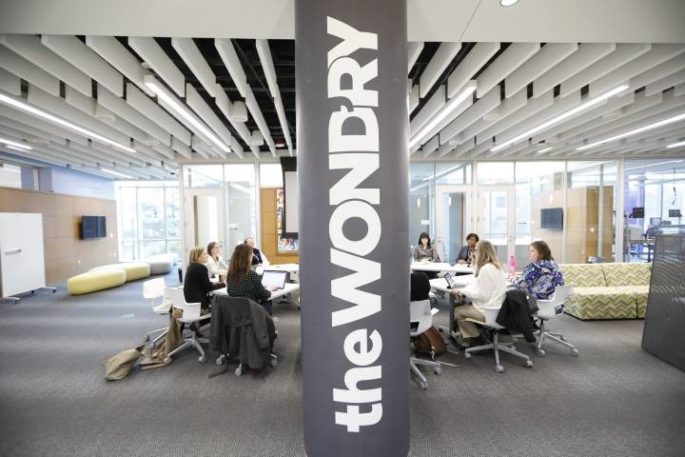
New campus collaboration promises heightened opportunities for innovation and entrepreneurship
On July 1, the Wond’ry was integrated into the School of Engineering, expanding access to valuable innovation resources. As part of this realignment, entrepreneurship efforts have transitioned to the Owen School, where a dedicated team is set to bring those innovations to market. Read MoreJul 9, 2025
-
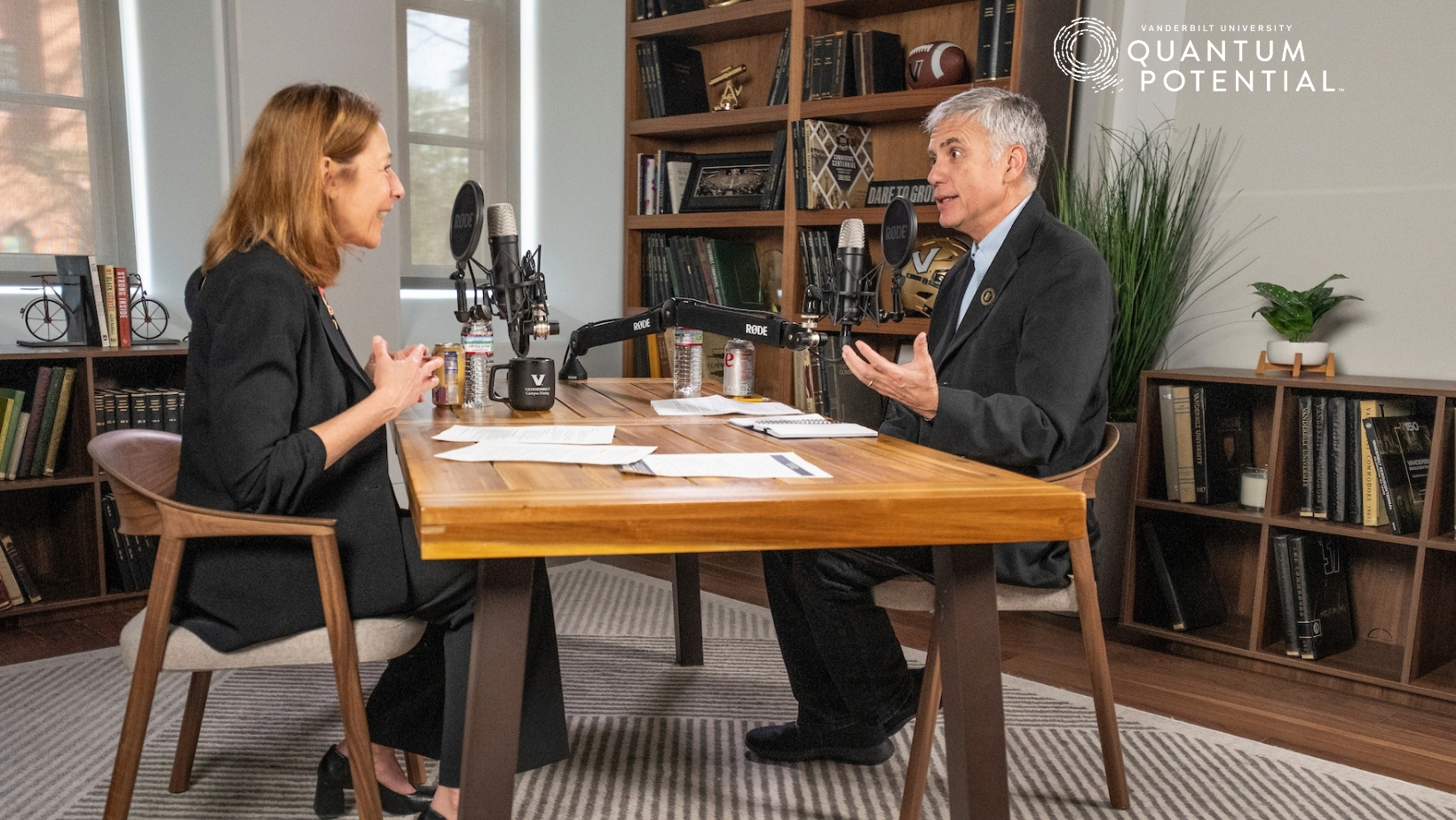
Quantum Potential Podcast Episode 10: Securing the 21st century with Ret. Gen. Paul Nakasone
In this episode of Quantum Potential, Gen. Nakasone, former NSA director, founding director of Vanderbilt’s Institute of National Security, Distinguished Research Professor of Engineering Science and Management, and special advisor to the chancellor, joins Provost C. Cybele Raver to discuss the challenges of national security in the 21st century and academia’s role in training the next generation of multifaceted national security professionals. Read MoreJul 1, 2025
-
Vanderbilt researchers develop new approach to boost immunotherapy potency in cancer treatment
Researchers led by John T. Wilson, associate professor of chemical and biomolecular engineering and biomedical engineering, have developed a new approach using a molecularly designed nanobody platform that seeks to make immunotherapy more effective in the treatment of cancer. Read MoreJun 17, 2025
-
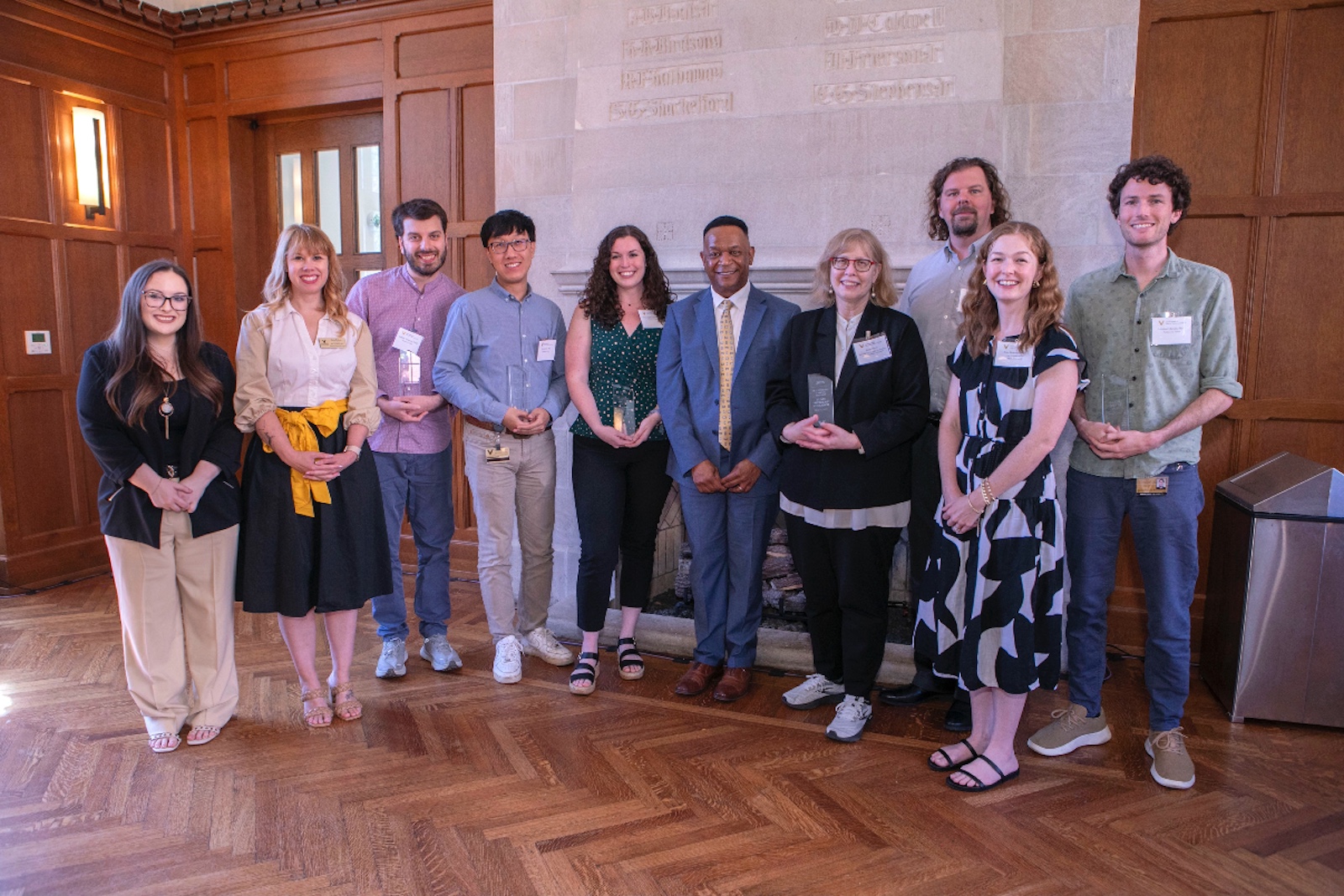
Vanderbilt postdoctoral fellows recognized at 2025 Spring Postdoc Awards Ceremony
The Office of Postdoctoral Affairs, in partnership with the Vanderbilt Postdoctoral Association, announced the 2025 award winners at the Spring Postdoc Awards Ceremony on May 21. The event highlighted the vital contributions that postdocs make across various disciplines at the university. Read MoreJun 17, 2025
-

A Package Deal: Diagnosing and treating breast cancer with a single complex
A group of researchers from the lab of Larry Marnett, the Mary Geddes Stahlman Professor of Cancer Research, recently paired a precisely targeted imaging agent to an anticancer agent and found that they could specifically attack cancer cells and not normal cells with it. Their work was performed in collaboration with School of Engineering faculty members Craig Duvall and Rebecca Cook, and was published in Molecular Pharmaceutics in April 2025. Read MoreJun 12, 2025
-
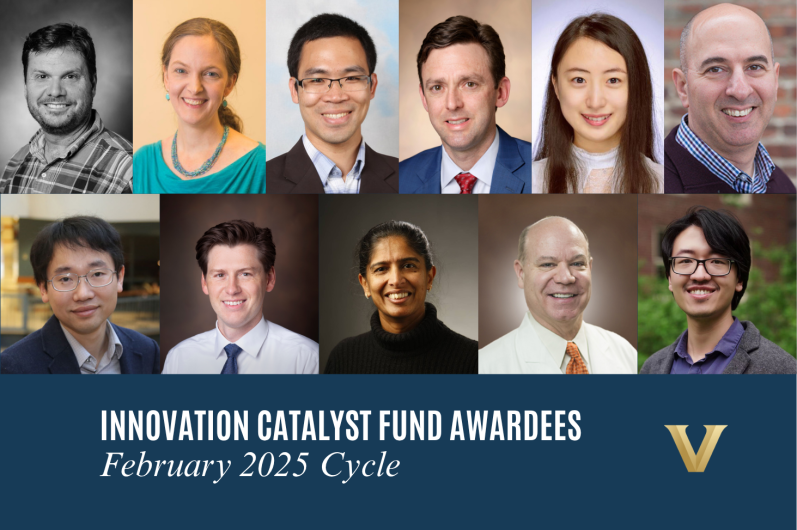
Vanderbilt announces Innovation Catalyst Fund awardees for February 2025 cycle
Vanderbilt has announced eleven awardees in the latest round of its Innovation Catalyst Fund, an initiative that supports translational research that has promising commercial potential. Read MoreJun 10, 2025