Sachin Patel
-
Turning Heads: The Vanderbilt Brain Institute has emerged as a hub of discovery as neuroscience’s influence expands
The VBI recently marked its 20th anniversary, a span that has seen the institute’s wide-ranging missions—including administering the university’s Neuroscience Graduate Program, as well as postdoctoral training and community outreach—steadily coalesce under a single umbrella. Read MoreAug 5, 2020
-

Study finds ‘frozen’ fear response may underlie PTSD
To explore how fear becomes entrenched, VUMC researchers traveled down the precise neuronal pathways in the brains of mice that trigger fear responses, and which normally extinguish the behaviors once the danger has passed. Read MoreNov 27, 2019
-

In the Weeds: Vanderbilt alumni and researchers are working to understand the wider implications of marijuana use
Bernie Ellis, BA’71, heard the helicopters before he saw them. Within minutes they converged, whirring, over his blueberry farm south of Nashville, as 10 federal agents drove up in four-wheelers. The moment he had always feared had arrived: He was being raided. Read MoreMay 23, 2019
-

Reversing stress-related anxiety
Inhibiting COX-2 — an enzyme associated with inflammation — could provide a novel therapeutic approach for stress-related psychiatric disorders. Read MoreFeb 14, 2019
-

Six Vanderbilt physicians honored by medical societies
Four faculty members of Vanderbilt University School of Medicine were among 78 physician-scientists inducted into The American Society for Clinical Investigation (ASCI), an elite honor society of physician-scientists from the upper ranks of academic medicine and industry. They are: Read MoreMay 3, 2018
-
Regulating anxiety in the brain
Two brain signaling pathways have overlapping functions in regulating anxiety, suggesting that therapeutics aimed at one or the other will impact both. Read MoreApr 28, 2017
-
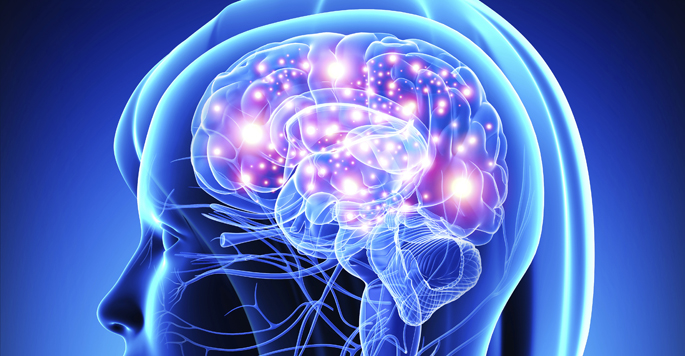
Vanderbilt study finds natural chemical helps brain adapt to stress
A natural signaling molecule that activates cannabinoid receptors in the brain plays a critical role in stress-resilience — the ability to adapt to repeated and acute exposures to traumatic stress, according to researchers at Vanderbilt University Medical Center. Read MoreMar 28, 2017
-
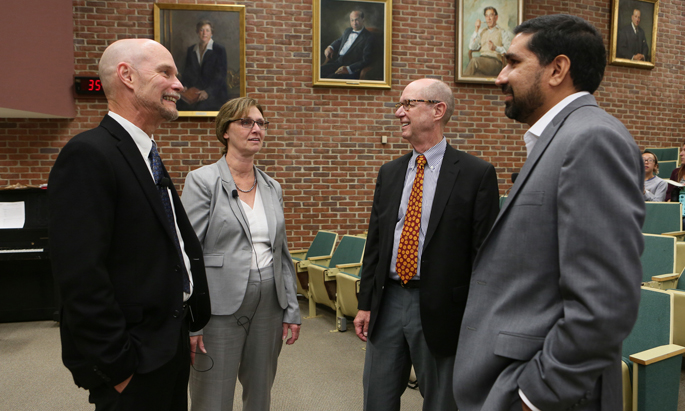
Cutting-edge research
Lawrence Marnett, Ph.D., second from right, talks with three Vanderbilt scientists prior to their presentations during last week’s Flexner Discovery Lecture on cutting-edge research. The speakers were, from left, Mark Wallace, Ph.D., Laura Dugan, M.D., and Sachin Patel, M.D., Ph.D. Read MoreNov 10, 2016
-
Vanderbilt’s Dugan, Patel, Wallace set for Discovery Lecture
Three Vanderbilt University neuroscientists on the forefront of research in autism, addiction and Alzheimer’s disease will discuss their cutting-edge investigations during the next Flexner Discovery Lecture on Thursday, Nov. 3. Read MoreOct 27, 2016
-
VUMC symposium to explore risks, impact of opioids
The risks of taking opioids during pregnancy or to manage chronic pain, and the impact this frequently prescribed class of pain relievers has on the adolescent brain will be discussed Wednesday, July 13, during a “bedside-to-bench” symposium at Vanderbilt University Medical Center. Read MoreJul 7, 2016
-

COX-2 blocker could help PTSD
COX-2 inhibitors – used clinically to reduce inflammation and pain – may find new applications for treating PTSD and other stress-related psychiatric disorders like major depression. Read MoreMay 12, 2016
-
School of Medicine’s Patel receives Presidential Early Career Award
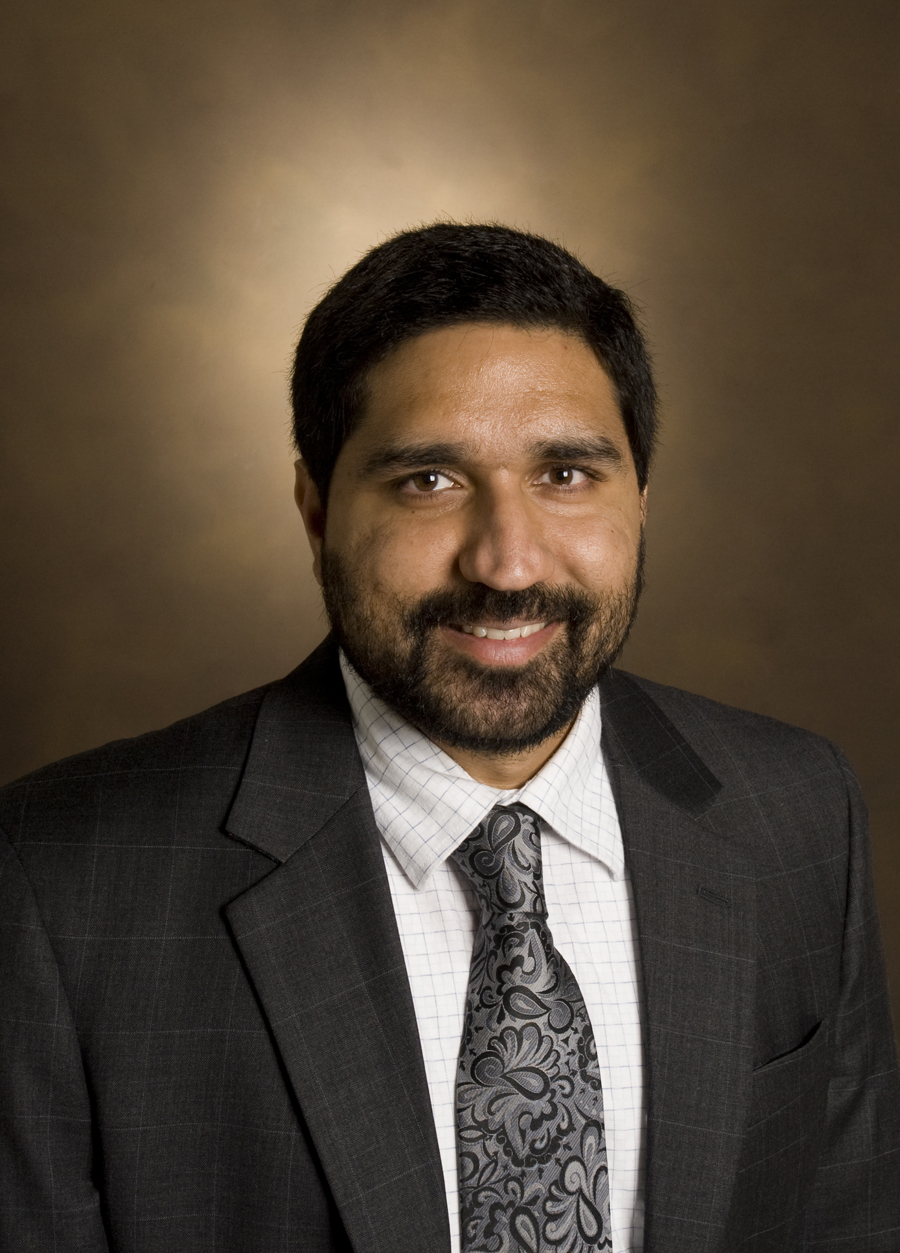
Vanderbilt University Medical Center’s Sachin Patel, associate professor of Psychiatry and of Molecular Physiology and Biophysics, is one of 106 researchers named today by President Obama as a recipient of the Presidential Early Career Award for Scientists and Engineers, the highest honor bestowed by the United States government on science and engineering professionals in the early stages of their independent research careers. Read MoreFeb 19, 2016
-

Natural ‘high’ could avoid chronic marijuana use, Vanderbilt study finds
Replenishing the supply of a molecule that normally activates cannabinoid receptors in the brain could relieve mood and anxiety disorders and enable some people to quit using marijuana. Read MoreDec 1, 2014
-

Reversing stress-induced anxiety
Augmenting the signals of natural “endocannabinoids” in the brain may be a promising approach for treating mood and anxiety disorders. Read MoreJul 21, 2014
-
Discovery sheds new light on marijuana’s anxiety relief effects
An international group led by Vanderbilt University researchers has found cannabinoid receptors, through which marijuana exerts its effects, in a key emotional hub in the brain involved in regulating anxiety and the flight-or-fight response. Read MoreMar 6, 2014
-

Vanderbilt scientists discover potential new way to treat anxiety
Chemically modified inhibitors of the COX-2 enzyme relieve anxiety behaviors in mice by activating natural “endocannabinoids” without gastrointestinal side effects, Vanderbilt University scientists will report next week. Read MoreAug 5, 2013
-
Novel push-pull action clue to brain disorders
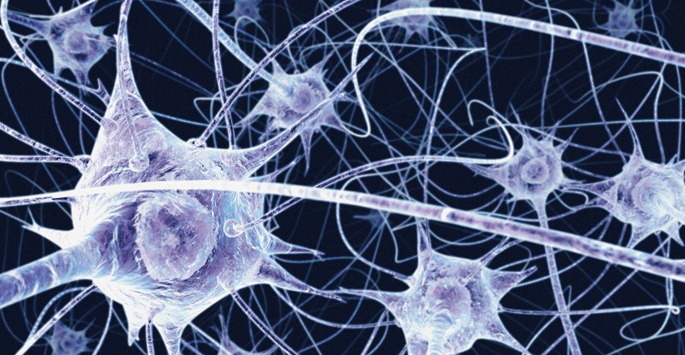
Researchers at Vanderbilt University have discovered a new “push-pull” mechanism in the brain that one day could lead to new treatments for movement disorders such as Parkinson’s disease, as well as stress-related disorders and addiction. Read MoreMar 21, 2013