Roger Colbran
-

Protein interactions and brain function
Roger Colbran and colleagues have discovered new molecular details about the function of an enzyme with a key role in shaping learning and memory. Read MoreFeb 20, 2020
-

Faculty meeting recognizes excellence in education, research and clinical service
During Wednesday’s Spring Faculty Meeting, Jeff Balser, M.D., Ph.D., dean of Vanderbilt University School of Medicine and President and CEO of Vanderbilt University Medical Center, highlighted the medical school’s rising stature among the country’s top-tier institutions. Read MoreMay 24, 2018
-
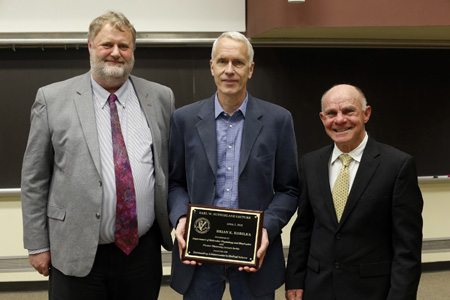
Nobel laureate Kobilka’s talk explores receptor activation
Brian Kobilka, MD, who received the 2012 Nobel Prize in Chemistry for his studies of G protein-coupled receptors (GPCRs), shared his team’s progress in understanding receptor activation — and how that might guide drug development — at last week’s Flexner Discovery Lecture. Read MoreApr 12, 2018
-

Study helps map signaling system in brain linked to ASD
Researchers at Vanderbilt University have worked out part of the “wiring diagram” of a signaling system in the brain that has been linked to autism spectrum disorder (ASD). Read MoreFeb 8, 2018
-

Forming memories through CaMKII
Vanderbilt researchers have identified an interaction between two proteins that play a role in learning and memory. Read MoreDec 19, 2017
-

Gene mutation discovery may hold autism clues: study
Researchers at Vanderbilt have identified what may be a genetic “smoking gun” for autism spectrum disorder (ASD) — a mutation in the gene for the critical neuronal protein CaMKII. Read MoreFeb 2, 2017
-
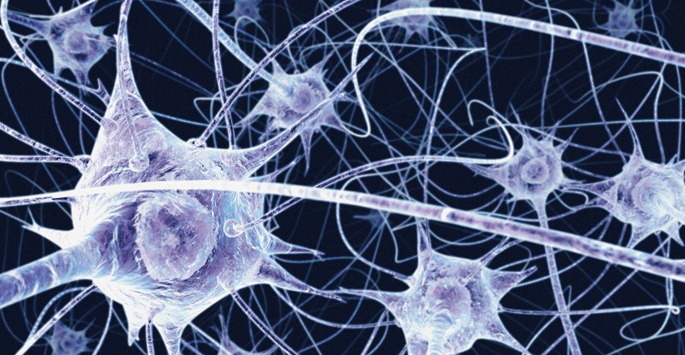
Novel push-pull action clue to brain disorders
Researchers at Vanderbilt University have discovered a new “push-pull” mechanism in the brain that one day could lead to new treatments for movement disorders such as Parkinson’s disease, as well as stress-related disorders and addiction. Read MoreMar 21, 2013
-
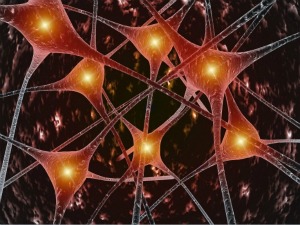
Fine-tuned protein makes memories
Researchers discover new wrinkles in how proteins build memories. Read MoreJun 24, 2011
-
Spying on shape-shifting enzyme
New molecular views of an enzyme may inform therapies for neurological, psychiatric or cardiac diseases. Read MoreMar 18, 2011