Richard Caprioli
-
Jeffrey Spraggins named director of Vanderbilt University Mass Spectrometry Research Center
Jeffrey Spraggins, associate professor of cell and developmental biology, biochemistry, and chemistry, has been named director of the Mass Spectrometry Research Center. He succeeds Richard Caprioli, Stanford Moore Chair in Biochemistry, who established the MSRC in 1998 and who is retiring this summer. Read MoreJul 17, 2024
-
The Caprioli Way
Richard Caprioli, Stanford Moore Professor of Biochemistry at the School of Medicine Basic Sciences, is retiring from Vanderbilt in August 2024. Caprioli’s work has created new possibilities for understanding the relationships between molecular and cellular organization in tissue microenvironments, ultimately providing a precision medicine toolbox for uncovering the molecular underpinnings of normal aging and disease.Caprioli is best known for developing matrix-assisted laser desorption/ionization imaging mass spec. Read MoreJul 9, 2024
-
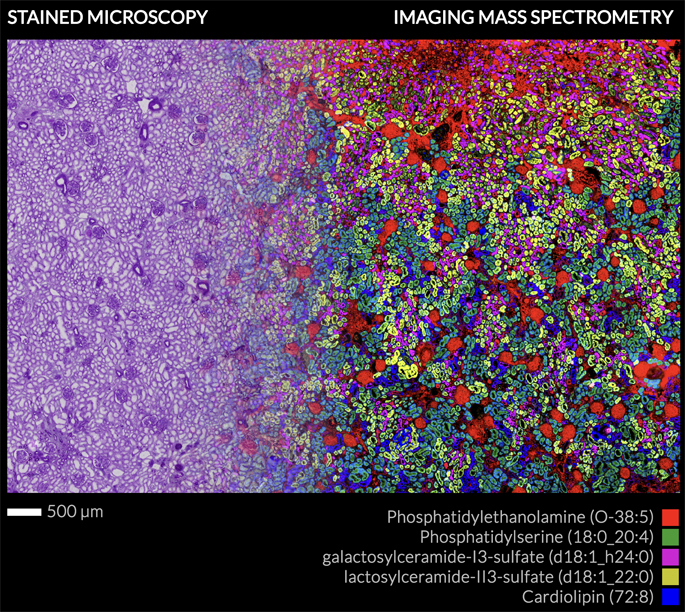
Spraggins, Caprioli win $13.6M from NIH to create “atlases” of the brain, kidney and eye
Researchers in the Vanderbilt University School of Medicine have received three grants totaling $13.6 million from the National Institutes of Health to develop molecular “atlases” of the brain, kidney, eye and other tissues. Read MoreNov 18, 2022
-
Imaging host-pathogen battle for metal
An unprecedented view of bacterial products within infected tissues opens new opportunities to explore infection biology and devise novel therapeutic strategies. Read MoreOct 31, 2019
-
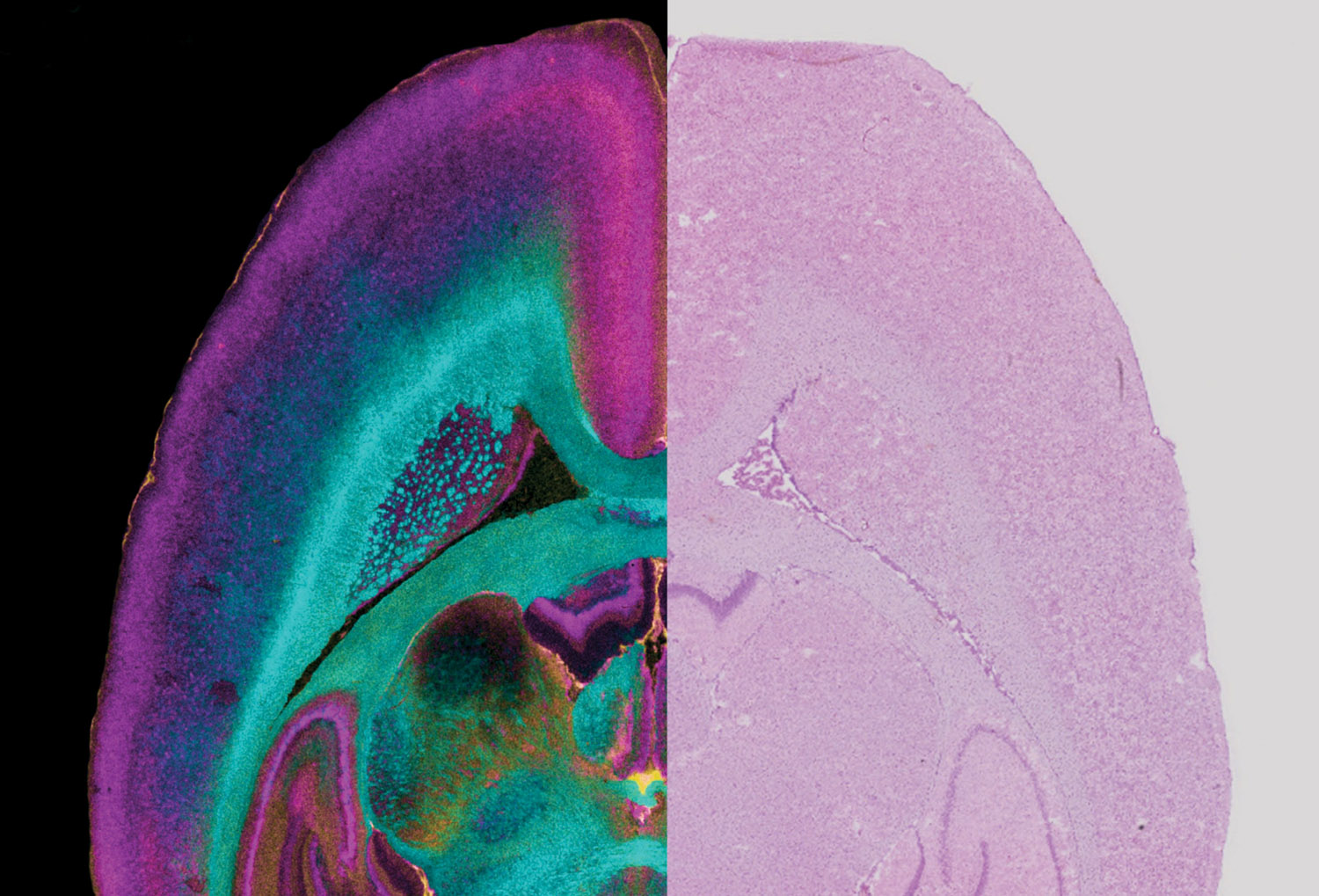
Up Close and Personal: Vanderbilt explores the frontiers of imaging technology
Recent advances in imaging technology are enabling Vanderbilt scientists to gain unprecedented views of how molecules, cells and tissues work together, yielding radical new insights into the causes, treatment and prevention of disease. Read MoreJun 8, 2018
-
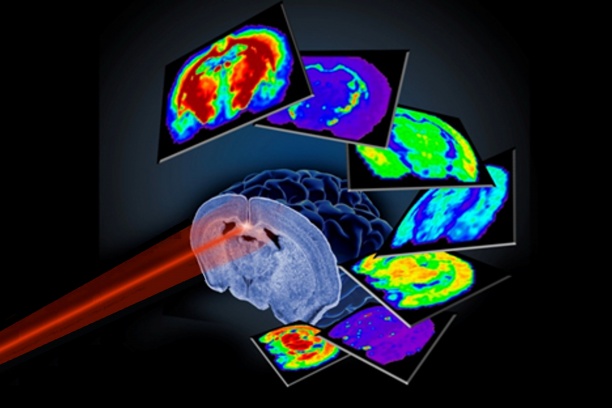
What protein is that?
An improved technology enables high-throughput protein identification in imaging mass spectrometry, aiding proteomics research. Read MoreMar 28, 2018
-
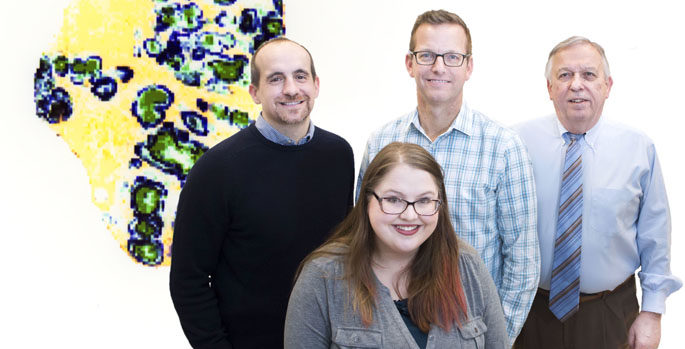
New imaging approach offers unprecedented views of staph infection
A new integrated imaging approach makes it possible to probe the molecules involved in invasive infections and can be broadly applied to any health or disease state. Read MoreMar 15, 2018
-

VUMC investigators find pathogens work together to infect host
Pseudomonas aeruginosa and Staphylococcus aureus — two pathogens that frequently co-infect the lungs of patients with cystic fibrosis — appear to cooperate with each other, Vanderbilt investigators have discovered. When pseudomonas is starved for metal by the host, it shuts down the production of factors that would normally kill staph, promoting a co-infection. Read MoreNov 3, 2016
-
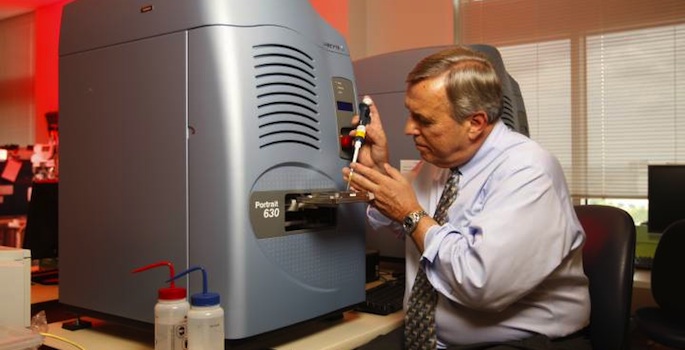
NIH grant bolsters mass spectrometry research initiatives
The National Institutes of Health (NIH) has awarded a major renewal grant to continue the National Research Resource for Imaging Mass Spectrometry at Vanderbilt University School of Medicine. Read MoreAug 11, 2016
-
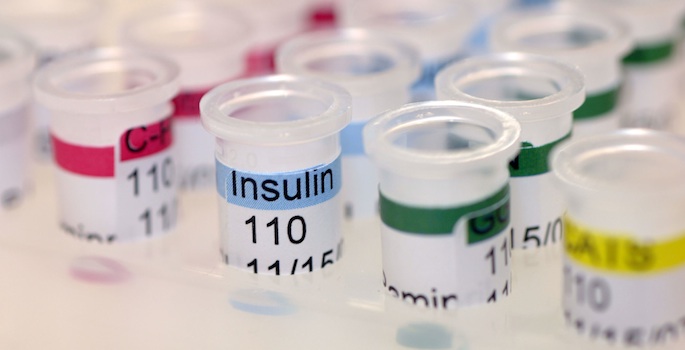
Major grants bolster VUMC diabetes research
Researchers at Vanderbilt University Medical Center have received more than $11 million in new grant support aimed at slowing the growing burden of diabetes. Read MoreJan 14, 2016
-

VUMC Academic Enterprise Faculty Award winners announced
The 2015 Vanderbilt University Medical Center Academic Enterprise Faculty Awards, which were presented during the May 19 Spring Faculty meeting, included awards for Excellence in Teaching and Outstanding Contributions to Research. Read MoreMay 26, 2015
-
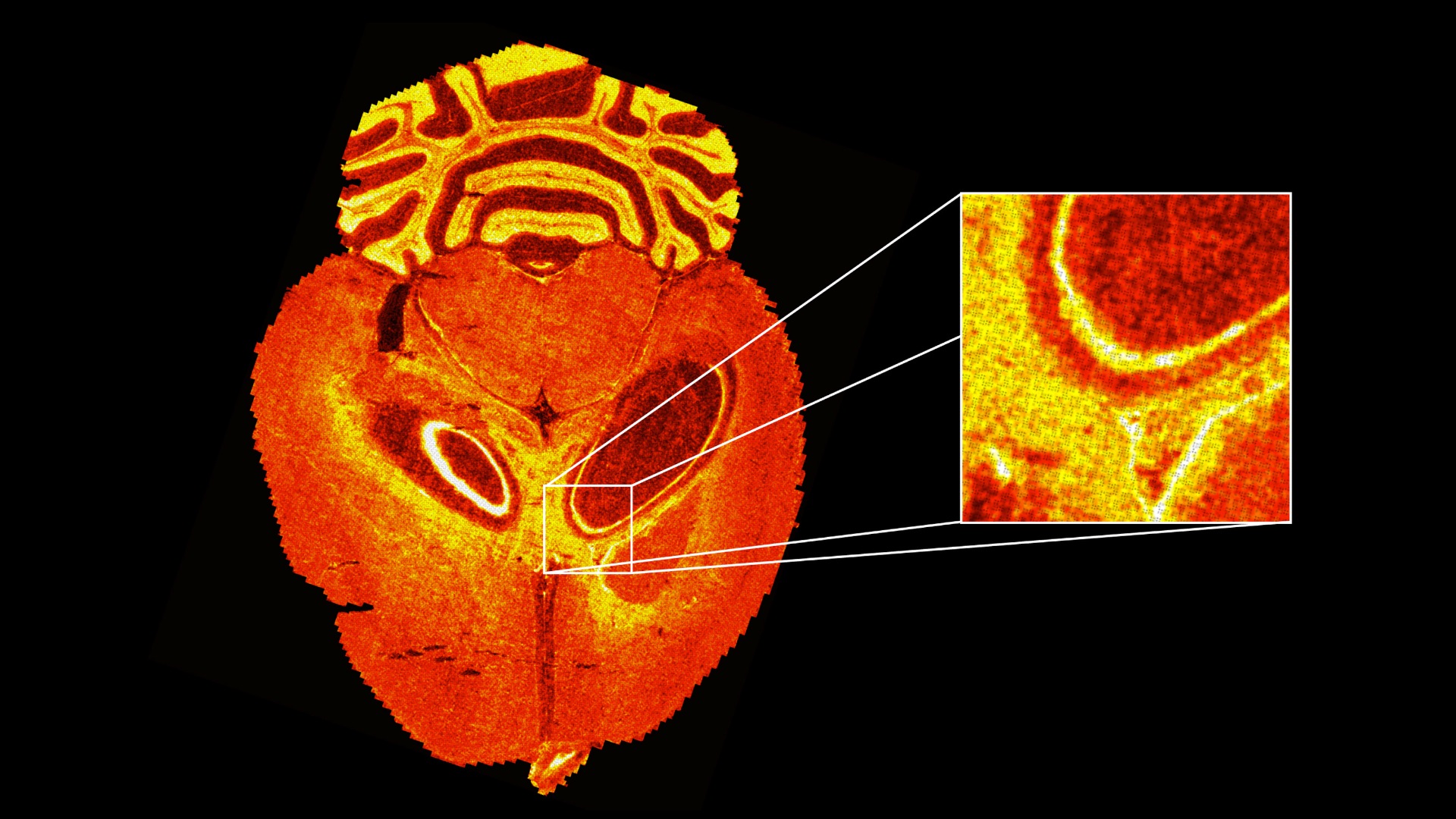
QuickVU Science! Cancer imaging breakthrough
In the latest QuickVU: See the imaging breakthrough that could transform cancer treatment; find out which snack could save your heart; and learn how magnets could make recovery from surgery easier and faster. Watch now! Read MoreMar 12, 2015
-
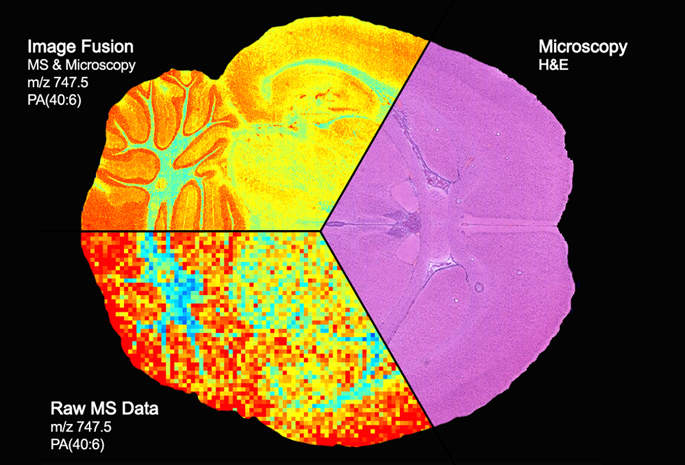
Vanderbilt team first to blend high-end imaging techniques
Vanderbilt University researchers have achieved the first “image fusion” of mass spectrometry and microscopy — a technical tour de force that could, among other things, dramatically improve the diagnosis and treatment of cancer. Read MoreMar 5, 2015
-

Study tracks new way to fight HIV infection in women
Vanderbilt University’s Richard Caprioli, Ph.D., is participating in a national, federally funded collaboration to develop an intravaginal ring capable of delivering antiretroviral drugs to women at risk for HIV infection. Read MoreSep 11, 2014
-

Caprioli honored for mass spectrometry contributions
Richard Caprioli, Ph.D. Vanderbilt University’s Richard Caprioli, Ph.D., has received the 2014 Award for a Distinguished Contribution to Mass Spectrometry from the American Society for Mass Spectrometry (ASMS). Caprioli, the Stanford Moore Professor of Biochemistry and director of the Mass Spectrometry… Read MoreJun 19, 2014
-
Vanderbilt awarded $16.5 million agreement to determine how toxic agents affect human cells
Vanderbilt University has been awarded a Cooperative Agreement with the Defense Advanced Research Projects Agency and the Army Research Office that is worth up to $16.5 million over five years. Read MoreMar 3, 2014
-

Mapping brain membrane proteins
New mass spectrometry imaging methods will enable studies of the distribution and identification of membrane proteins directly within tissues. Read MoreSep 16, 2013
-
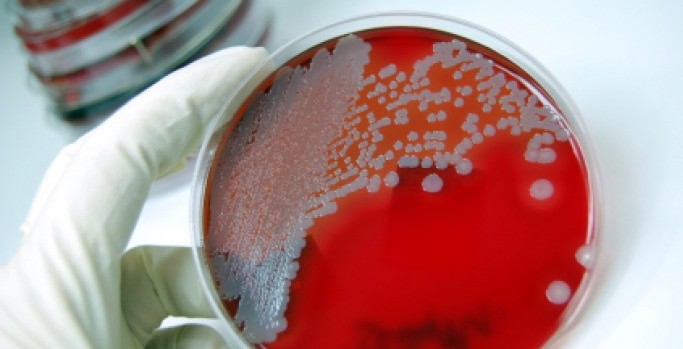
Zinc: a new antibiotic target?
It may be possible to fight hospital-acquired pathogens like Acinetobacter baumannii by targeting the bacterium’s need for the nutrient metal zinc. Read MoreJan 17, 2013
-
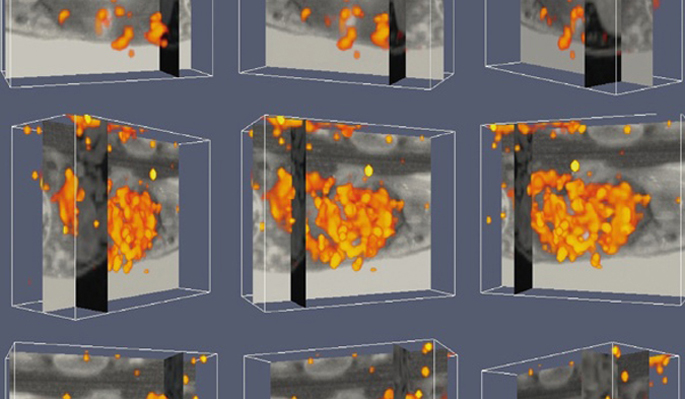
Team creates new view of body’s infection response
A new 3-D view of the body’s response to infection — and the ability to identify proteins involved in the response — could point to novel biomarkers and therapeutic agents for infectious diseases. Read MoreAug 9, 2012
-
Digestive disease research bolstered by grant renewal
The Vanderbilt Digestive Disease Research Center celebrates its 10th anniversary this year with a second five-year renewal of its federal research grant. Read MoreJan 20, 2012