Regenerative Medicine
-
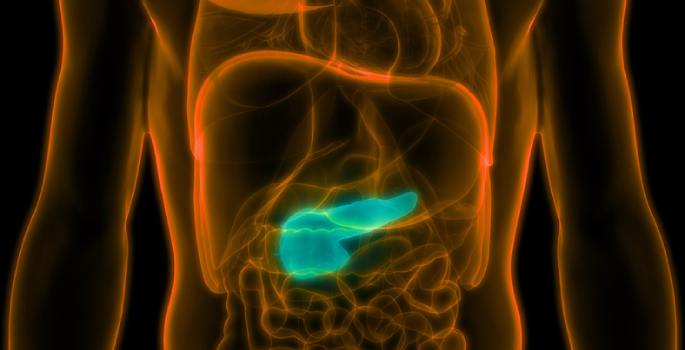
Beta cell regeneration
Vanderbilt researchers dissected the complex microenvironment of the pancreatic islet to discover the signals that drive beta cell regeneration — as a possible treatment for diabetes. Read MoreMay 20, 2021
-

Cell-cell signals in developing heart
Scott Baldwin and colleagues have discovered early signaling events during heart development, findings that could guide cell replacement therapies for heart disease. Read MoreJun 10, 2019
-

Healing without scarring
Drugs that inhibit the Wnt signaling pathway can regenerate injured skin and may be useful in treating fibromatosis, degenerative joint disease and cancer. Read MoreOct 16, 2015
-

Boosting cell-based heart repair
A metabolic change in adult stem cells makes them less “fit” for regenerative heart therapies, suggesting that strategies to prevent this response may boost the therapeutic usefulness of the cells. Read MoreMay 15, 2015
-
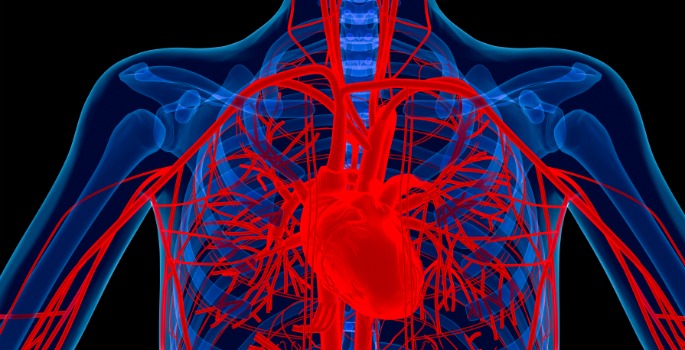
Study finds coronary arteries hold heart-regenerating cells
Endothelial cells residing in the coronary arteries can function as cardiac stem cells to produce new heart muscle tissue, Vanderbilt University investigators have discovered. Read MoreAug 20, 2014
-
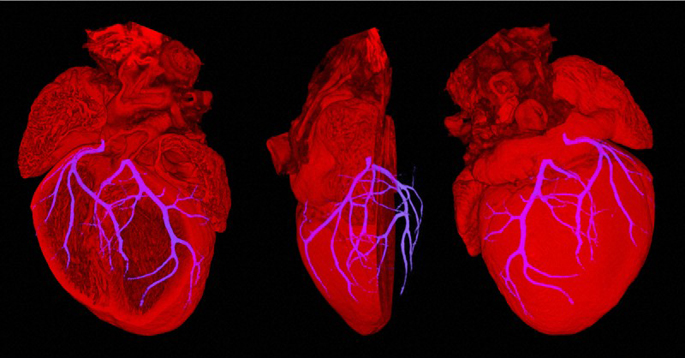
Cell source of heart’s blood vessels
An unexpected group of cells generates the coronary arteries and may be useful for regeneration therapies following injury to the heart. Read MoreFeb 1, 2013
-
Long live the therapeutic stem cells
Enhancing stem cell survival is key to improving cell-based therapies for regenerative medicine, and a new drug could help. Read MoreMay 17, 2012
-

Stem cells take heart
Signaling pathway discoveries suggest ways to induce stem cells to become cardiac muscle cells, which could be useful for regenerating damaged heart muscle. Read MoreFeb 20, 2012