Neurology
-

New NIH grant funds novel brain network approach to improve epilepsy surgery
A multidisciplinary group of investigators from Vanderbilt University Medical Center, Vanderbilt University, and the University of Pennsylvania received a $3.2 million grant to develop novel brain network-based measures to guide surgical decisions and improve outcomes in the field of epilepsy surgery. Read MoreJan 18, 2024
-
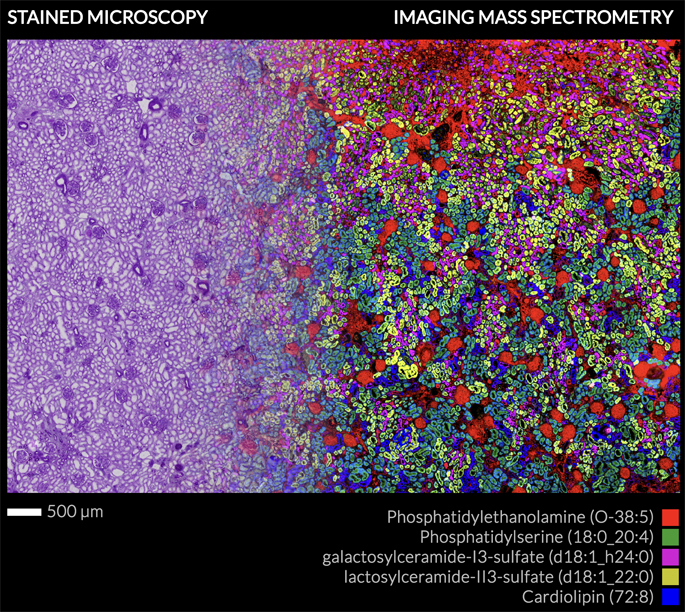
Spraggins, Caprioli win $13.6M from NIH to create “atlases” of the brain, kidney and eye
Researchers in the Vanderbilt University School of Medicine have received three grants totaling $13.6 million from the National Institutes of Health to develop molecular “atlases” of the brain, kidney, eye and other tissues. Read MoreNov 18, 2022
-
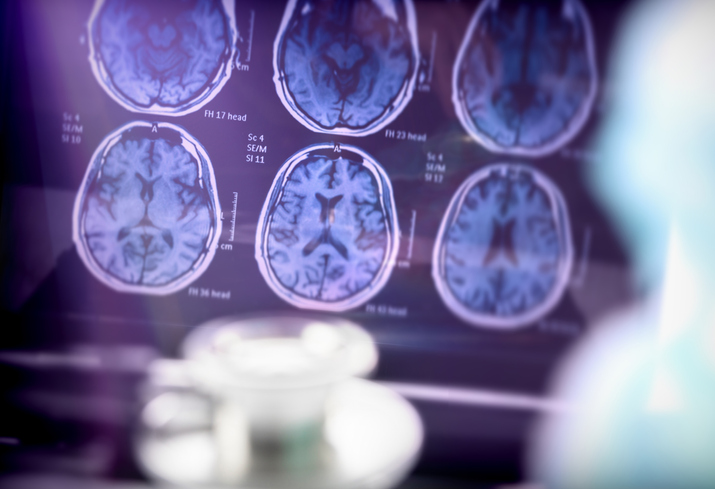
Vanderbilt, international collaborators discover treatment to slow neurodegenerative diseases
Warren Center for Neuroscience Drug Discovery lead researchers discover a therapy that may treat memory loss and slow the progression of Alzheimer’s disease. Read MoreNov 15, 2022
-
Study measures Alzheimer’s risk reductions associated with healthy lifestyles
Reported June 13 in Neurology, an Alzheimer’s disease risk study from Vanderbilt University Medical Center measures significantly reduced risk associated with healthy lifestyles, including non-smoking, leisure-time exercise, low-to-moderate alcohol consumption, adequate sleep and healthy diet. Read MoreJun 13, 2022
-

Treating core Rett syndrome symptoms
A new study published in Neurology reports the drug trofinetide has proven safe and effective in treating core symptoms of Rett syndrome in female children and adolescents. Read MoreJun 6, 2019
-
DBS treatment may slow tremor progression in early-stage Parkinson’s patients
Analysis of data from a clinical trial conducted at Vanderbilt suggests that deep brain stimulation (DBS) administered to patients with very early-stage Parkinson’s disease slowed the progression of rest tremor. The study, published June 29 in Neurology, is significant because it is the first evidence of a treatment that may… Read MoreJun 29, 2018
-
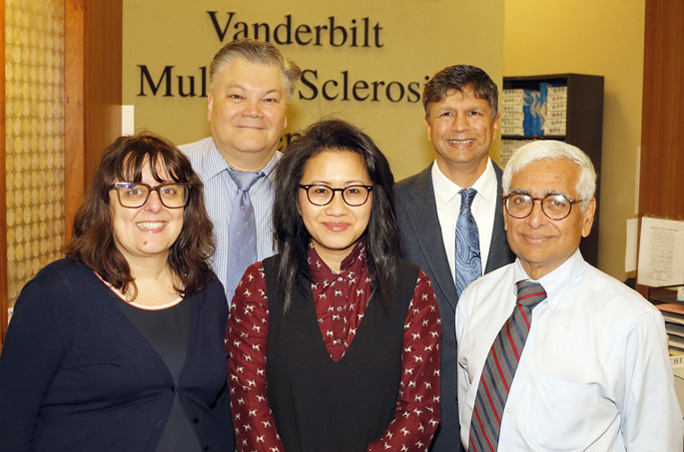
Drug’s effectiveness for neurosarcoidosis studied
A drug commonly prescribed for Crohn’s disease and rheumatoid arthritis is also effective for treating neurosarcoidosis, according to new research led by Vanderbilt neurologists. Read MoreNov 16, 2017
-

Research links heart function to brain’s memory center
Research by a team of Vanderbilt University Medical Center (VUMC) scientists suggests that older people whose hearts pump less blood have blood flow reductions in the temporal lobe regions of the brain, where Alzheimer’s pathology first begins. Read MoreNov 8, 2017
-
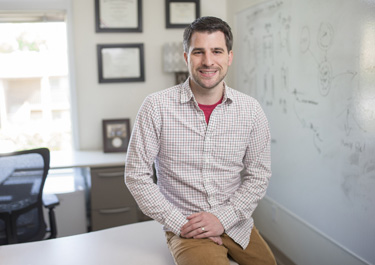
Alzheimer’s study establishes way to measure resilience
Vanderbilt researchers have established a new measure of resilience to cognitive impairment in people with asymptomatic Alzheimer’s disease. Read MoreNov 10, 2016
-

Iadecola set for Oates Lectureship in Clinical Pharmacology
Costantino Iadecola, M.D., an expert in the molecular pathology of ischemic brain injury and neurodegeneration at Weill Cornell Medical College in New York, will present the 10th annual Meredith S. and John A. Oates Lectureship in Clinical Pharmacology on Nov. 3. Read MoreOct 27, 2016
-
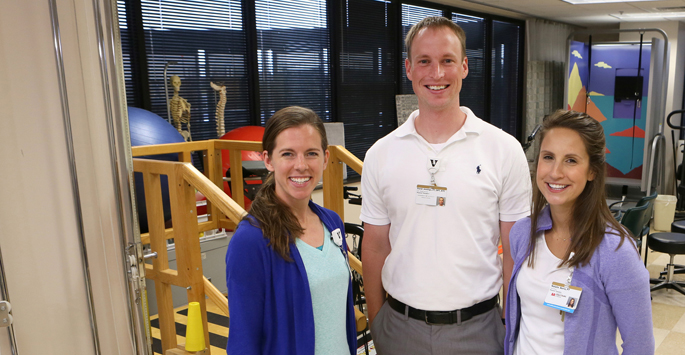
New Physical Therapy residency programs debut
Vanderbilt University Medical Center has launched specialized Physical Therapy (PT) residency programs in Orthopaedics (Sports) and Pediatrics in addition to an existing Neurological program, making Vanderbilt one of a handful of hospital systems in the country to offer three or more physical therapy residencies. Read MoreOct 15, 2015
-

Protein ‘clumping’ linked to severe form of genetic epilepsy
Researchers at Vanderbilt University for the first time have demonstrated in a mouse model that aggregation, the “clumping together” of abnormal proteins, can contribute to a severe form of genetic epilepsy. Read MoreAug 13, 2015
-
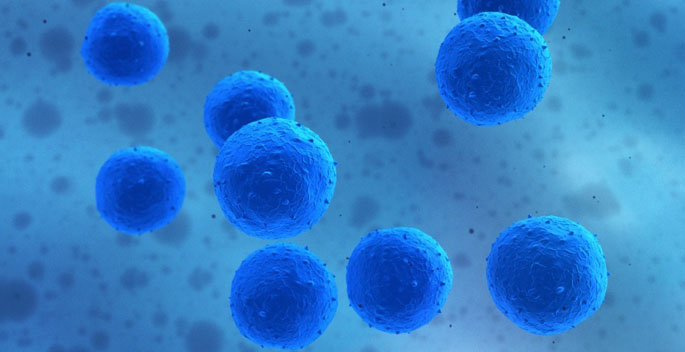
Insights on lysosomal storage diseases
A novel mechanism could point to new therapies for a group of inherited diseases that share pathological features. Read MoreMay 14, 2015
-

Copper toxicity and Parkinson’s
A genetic predisposition to Parkinson’s disease makes neurons more vulnerable to the toxicity of heavy metals such as copper. Read MoreFeb 5, 2015
-
New tools to probe manganese biology
Vanderbilt researchers have developed tools to probe the role of the essential metal manganese in neurons, and which offer a started point for developing therapeutic agents for manganese-related neurological disorders. Read MoreNov 26, 2014
-
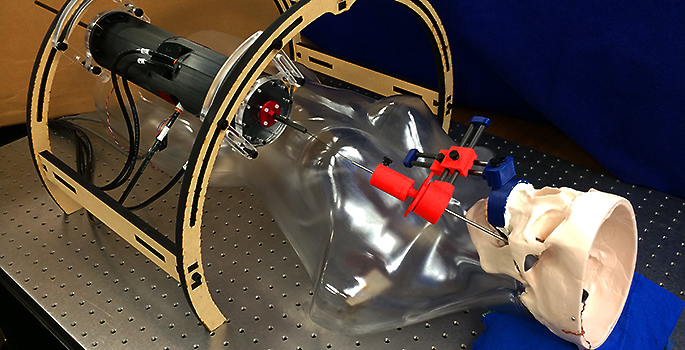
Brain surgery through the cheek
Vanderbilt engineers have developed a surgical robot designed to perform brain surgery by entering through the cheek instead of the skull. Read MoreOct 15, 2014
-

Seizure mutation impairs receptor
Defects in the production of certain receptors are linked to the pathogenesis of genetic epilepsies and fever-induced seizures. Read MoreSep 30, 2014
-
Teleneurology services at Williamson Medical Center see success
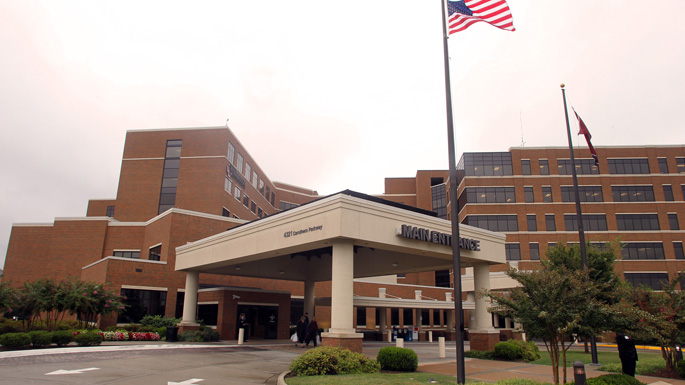
A new telemedicine partnership between Vanderbilt University Medical Center (VUMC) and Williamson Medical Center (WMC) is allowing more patients with acute neurological conditions to stay in their community. Eight VUMC neurologists are on call 24 hours a day to provide remote consultations for patients at WMC with urgent neurological conditions,… Read MoreJun 19, 2014
-
Number of neurointensivists grows nationally and at VUMC
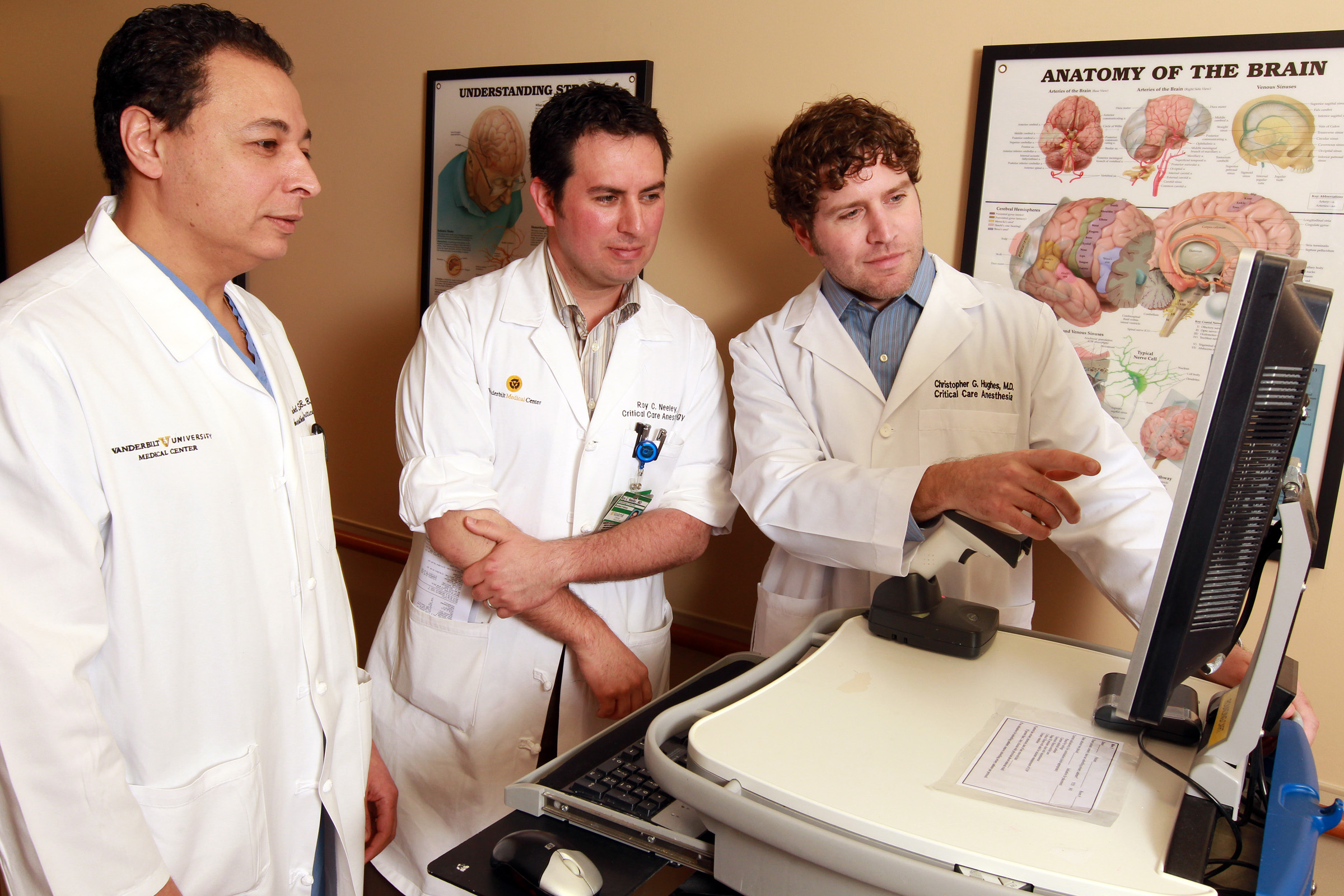
Vanderbilt anesthesiologists who recently received board certification as neurointensivists include (from left) Nahel Saied, M.D., Roy Neeley, M.D., and Christopher Hughes, M.D. Not pictured are Nathan Ashby, M.D., John Barwise, M.D., Stuart McGrane, M.D., Tracy McGrane, M.D., and Sheena Weaver, M.D. (Photo by Steve Green) After eight… Read MoreMay 1, 2014
-
Myelin junctions key to conduction
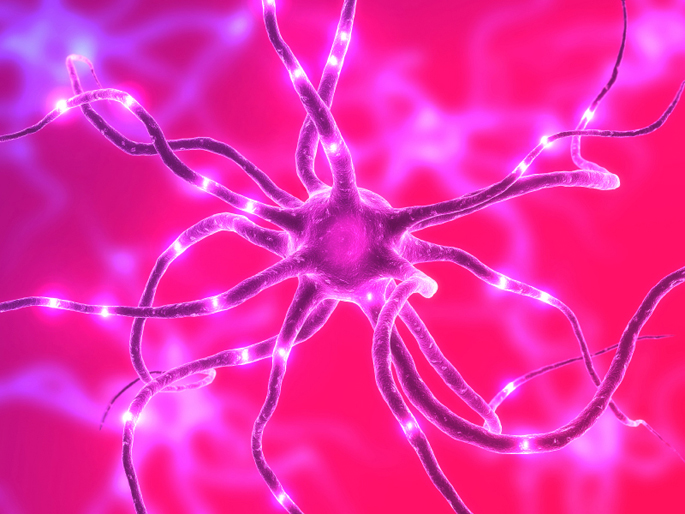
A protein in the myelin coating on nerves helps form a “seal” that enables effective nerve conduction; loss of the protein causes inherited neuropathies. Read MoreApr 11, 2014