Neil Osheroff
-

Graduate students, postdoctoral fellows and faculty honored for excellence at Graduate Education Honors Banquet
The annual Graduate Education Honors Banquet honored doctoral students, postdoctoral fellows and faculty members who have demonstrated exceptional leadership, excellence in academics, innovation and mentorship. The March 19 banquet recognized the outstanding achievements taking place across more than 50 graduate programs and departments. Read MoreApr 2, 2026
-
Osheroff Lab contributed data leading to FDA approval of treatment for gonorrhea
Crucial research by Neil Osheroff and his lab led to FDA approval of the first new class of antibacterial drugs in decades. The drug, gepotidacin, developed by GlaxoSmithKline under the brand name Blujepa, is now approved to treat uncomplicated urinary tract infections and gonorrhea. Read MoreApr 28, 2025
-

Vanderbilt biochemists contribute to breakthrough discovery of first new antibacterial class in decades
Led by Neil Osheroff, Vanderbilt researchers are the first to undertake a systematic analysis of the mechanism of action of gepotidacin, a first-in-class triazaacenaphthylene antibacterial, against its targets in Escherichia coli—the type II topoisomerases gyrase and topoisomerase IV—and the mechanistic basis for drug resistance. E. coli is the etiological agent of most urinary tract infections. Read MoreMar 28, 2024
-
Osheroff receives Distinguished Teacher Award from Association of American Medical Colleges
As a professor of biochemistry and medicine at Vanderbilt University School of Medicine for more than 40 years, Osheroff is the longest serving course director currently teaching medical students. He also codirects the preclerkship phase of the medical school curriculum and leads the Master Science Teachers cohort, a role established in 2007 to recognize VUSM’s outstanding basic science educators. Through his teaching, he has helped medical students at VUSM and across the globe acquire the basic science skills and knowledge they need to thrive in clinical practice, according to the AAMC. Read MoreOct 31, 2023
-
Crowe, Osheroff honored by AAMC
Vanderbilt's James E. Crowe, Jr, MD, and Neil Osheroff, PhD, are among 12 individuals honored by the Association of American Medical Colleges during its 2023 Awards Recognition Event. Read MoreOct 30, 2023
-
Osheroff wins prestigious MILES Award
Neil Osheroff received the Mentoring, Innovation, and Leadership in Educational Scholarship Award at the annual Asia Pacific Medical Education Conference that took place in May. Read MoreJul 7, 2023
-

Vanderbilt biochemists join international researchers in discovery of the first new antibiotic for urinary tract infections in more than 20 years
Neil Osheroff and his lab provide foundational research for new Urinary Tract Infection antibiotic. UTIs affect half of all women. Read MoreJan 18, 2023
-

Correctly copying DNA
New research into the enzyme topoisomerase II sheds light on how it helps DNA replicate properly. Read MoreMar 14, 2019
-
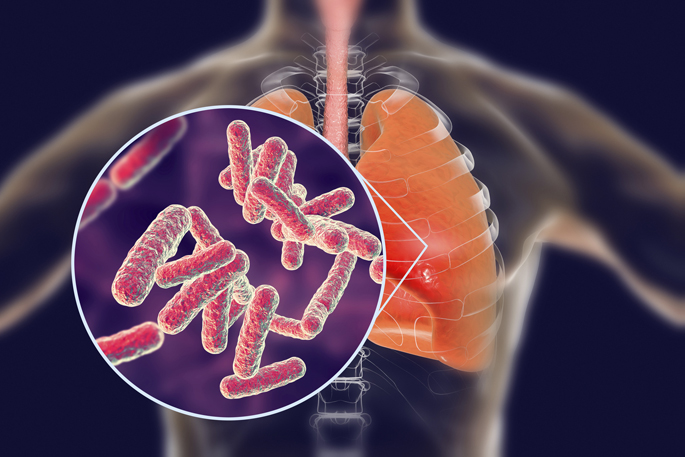
Confronting TB resistance
Vanderbilt researchers describe how certain tuberculosis treatments work and suggest these medications may overcome the threat of drug-resistant tuberculosis. Read MoreJun 11, 2018
-
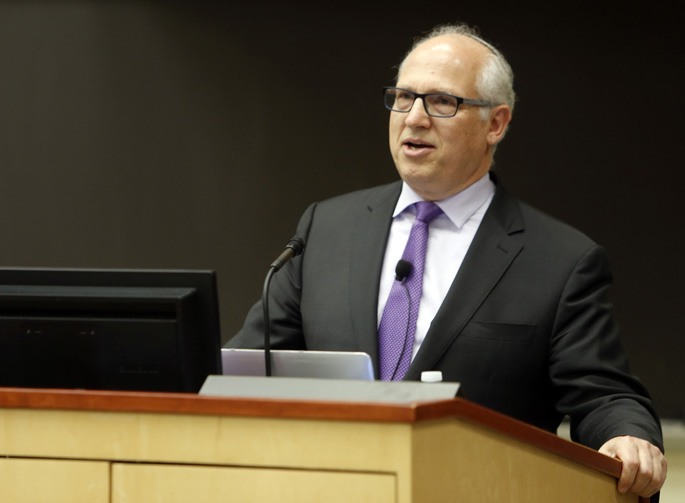
Self care, mindfulness key to decreasing burnout: speaker
It’s not often that a keynote speaker will ask his audience to close their eyes and tune him out, but that’s what Aviad “Adi” Haramati, PhD, did when delivering the 2018 John E. Chapman Lecture. Read MoreApr 26, 2018
-

Novel insights to antibiotic targets
New mechanistic details about the DNA-unwinding activity of antibacterial protein targets could lead to the design of better antibiotic medicines. Read MoreSep 29, 2017
-
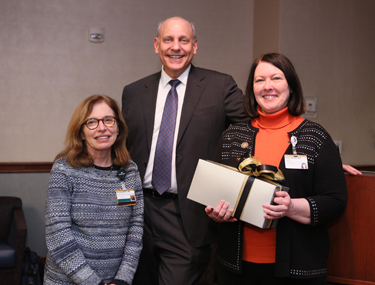
School of Medicine’s newest teaching award honors Nanney
Vanderbilt University School of Medicine (VUSM) recently established the Academy for Excellence in Education Lillian B. Nanney Award for Outstanding Service to the VUSM/Vanderbilt University Medical Center (VUMC) Community of Educators. Read MoreNov 17, 2016
-
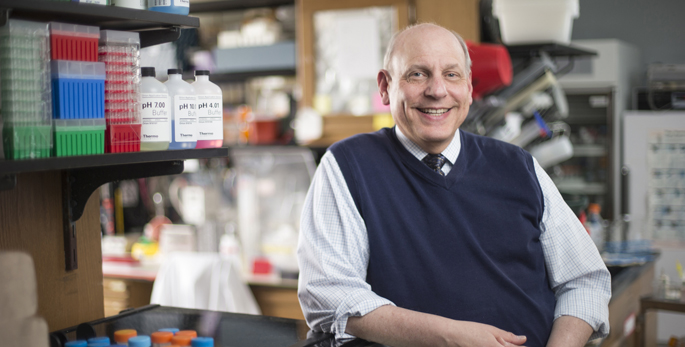
Osheroff to direct Academy for Excellence in Education
Neil Osheroff, Ph.D., has been named director of the Academy for Excellence in Education. He succeeds Lillian Nanney, Ph.D., who served as director since the Academy’s inception in 2007. Read MoreJul 21, 2016
-

Slight chemical change may improve TB treatments: study
One small chemical change to an existing antibacterial drug results in a compound that is more effective against its target enzyme in tuberculosis, Vanderbilt researchers have discovered. Read MoreFeb 11, 2016
-

Anticancer olive compounds
Compounds found in olives and olive oil have anticancer activity, which may contribute to the cancer preventive properties attributed to the Mediterranean diet. Read MoreJul 27, 2015
-
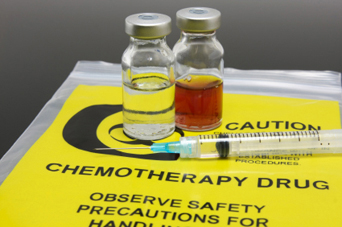
Antibiotics with anticancer potential
A series of experimental antibiotics may be a good starting point for developing new anticancer drugs. Read MoreFeb 25, 2015
-
Bacterial resistance breaks bridges
Understanding how bacteria become resistant to quinolone antibiotics could guide strategies for developing new antibacterial drugs. Read MoreMar 14, 2013
-
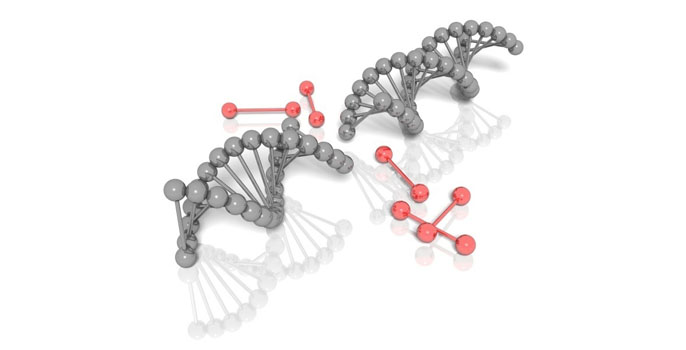
‘Detangler’ binds, bends and cuts DNA
New details on the DNA-cutting activity of topoisomerase II, a target of anti-cancer drugs, could lead to better chemotherapeutic agents. Read MoreMar 2, 2012