National Science Foundation
-
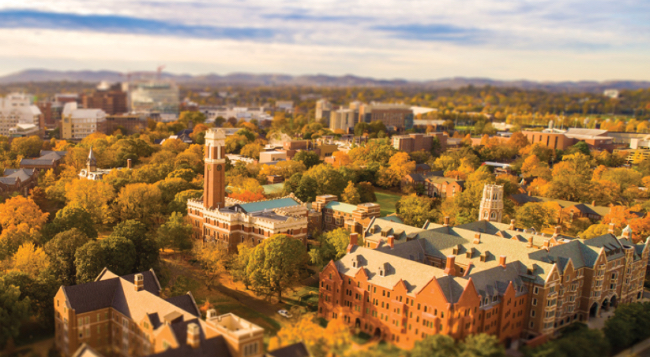
Vanderbilt 10th among private research universities for research investments
Vanderbilt University and Vanderbilt University Medical Center rank 24th nationally in the National Science Foundation’s 2024 Higher Education Research and Development Survey, with combined research and development expenditures of $1.33 billion. The ranking places Vanderbilt 10th among private research universities. Read MoreFeb 16, 2026
-

Vanderbilt joins Planetary Society’s Hill Day to champion federal science funding
What does it take to listen to the universe and ensure the U.S. stays at the forefront of that discovery? For Vanderbilt University researchers, part of the answer lies in continued federal support for science, particularly through agencies like NASA and the National Science Foundation. Read MoreNov 6, 2025
-

University of Arkansas joins Mid-South Hub, expanding network of innovation-driven institutions
The Mid-South I-Corps Hub, one of the U.S. National Science Foundation’s Innovation Corps Hubs led by Vanderbilt, is proud to welcome the University of Arkansas as its newest participating institution, marking the next stage in a regional partnership built on innovation and shared vision. Read MoreSep 17, 2025
-

Connected Computing’s David Hyde receives $1.6 million NSF grant to develop open-source software platform for ‘physical intelligence’
David Hyde, assistant professor of computer science at Vanderbilt University’s College of Connected Computing, has received a $1.6 million grant from the National Science Foundation to develop a new, open-source software platform for “physical intelligence,” which is the combination of traditional physics simulation algorithms with artificial intelligence for addressing complex real-world applications. Read MoreSep 4, 2025
-

Micro-robotics specialist receives NSF CAREER Award for research advancing magnetic miniature soft robots in precision medicine
Xiaoguang Dong, assistant professor of mechanical engineering, has been awarded a National Science Foundation CAREER Award that will support research on magnetic miniature soft robots for precision medicine that could facilitate early disease detection and treatment. Read MoreJul 21, 2025
-
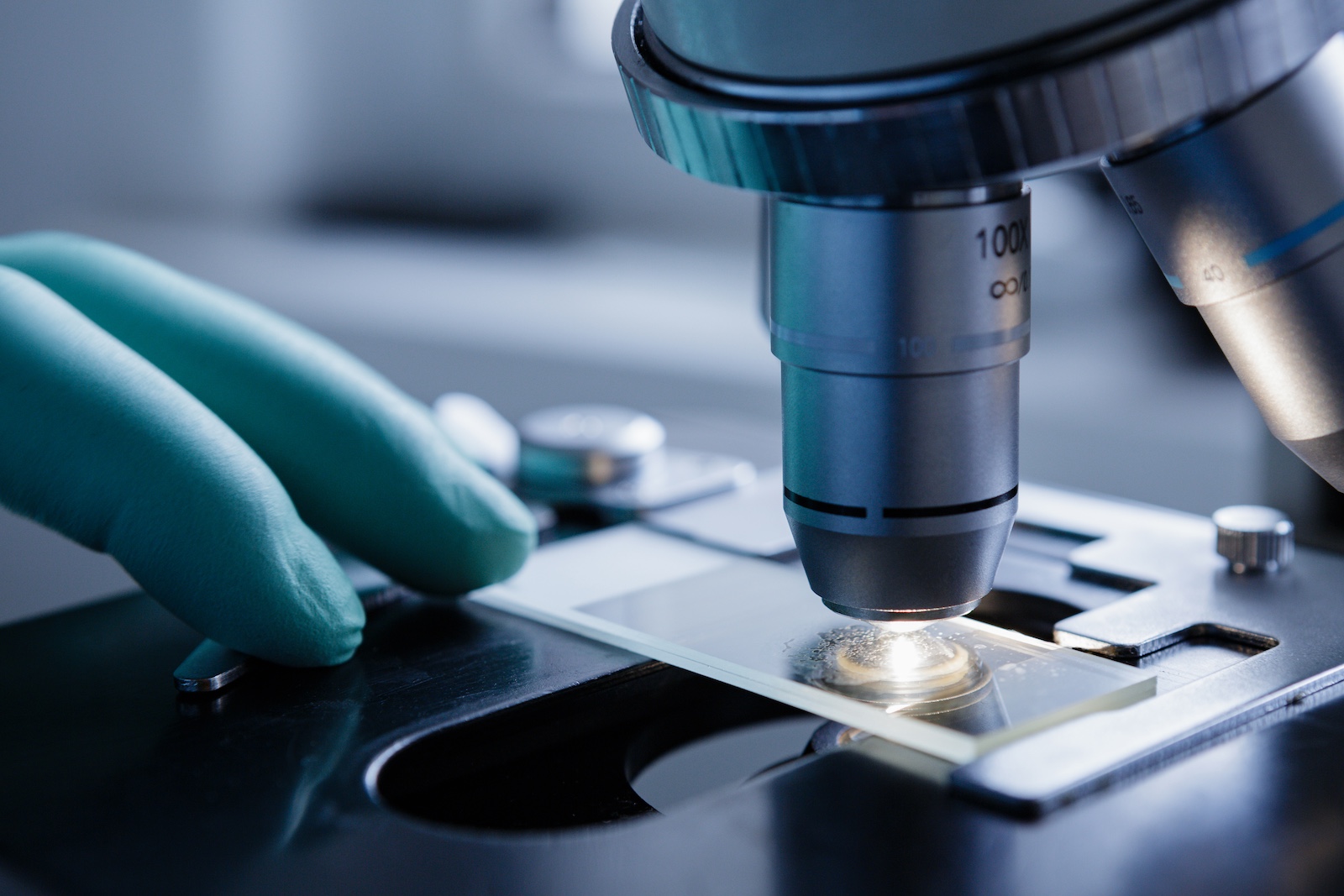
Researchers receive $1.2 million NSF grant to develop smart microscope system
Vanderbilt researchers have received a $1.2 million grant from the National Science Foundation to develop a smart microscope system that uses artificial intelligence to help scientists better understand how cells behave, particularly in diseases like cancer. Read MoreJul 17, 2025
-

Scientists discover new evidence of intermediate-mass black holes
While we know that intermediate-mass black holes should exist, little is known about their origins or characteristics—they are considered the rare “missing links” in black hole evolution. However, four new studies have shed new light on the mystery. The research was led by a team in the lab of Assistant Professor of Physics and Astronomy Karan Jani, who also serves as the founding director of the Vanderbilt Lunar Labs Initiative. Read MoreJun 12, 2025
-
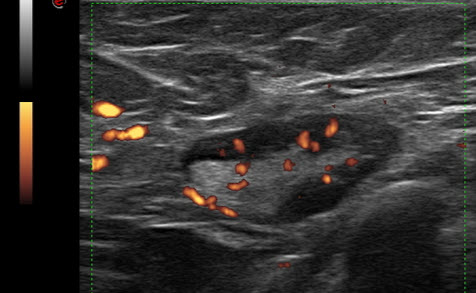
Ultrasound imaging of breast cancer tumors offers non-invasive monitoring of radiation and immunotherapy response effectiveness
In the ongoing battle against triple negative breast cancer, Vanderbilt researchers have uncovered a promising non-invasive method to track how tumors respond to radiation and immunotherapy, which uses the body’s own immune system to fight cancer. Read MoreFeb 13, 2025
-
When curiosity meets leadership: Cybele Raver’s ‘Quantum Potential’ podcast explores solutions for humanity’s greatest challenges
Cybele Raver’s ‘Quantum Potential’ podcast explores solutions for humanity’s greatest challenges. Read MoreJan 15, 2025
-

NSF grant to fund Vanderbilt-led research to develop world’s first custom GenAI 911 training system
Meiyi Ma, assistant professor of computer science at Vanderbilt, is leading research to develop what’s considered the world’s first Generative Artificial Intelligence training system for 911 call takers and dispatchers. Read MoreNov 21, 2024
-

Vanderbilt professors Wernke, Huo win $625K NSF grant for largest-ever archaeological survey
Professor Steven Wernke's groundbreaking archaeological mapping project has secured its most substantial funding yet: a $625,000 grant from the National Science Foundation. Using satellite imagery and artificial intelligence, Wernke and his team are mapping archaeological sites across the Andes Mountain Range to build a detailed inventory that will improve our understanding of Andean settlement systems and human-modified landscapes. Read MoreSep 19, 2024
-
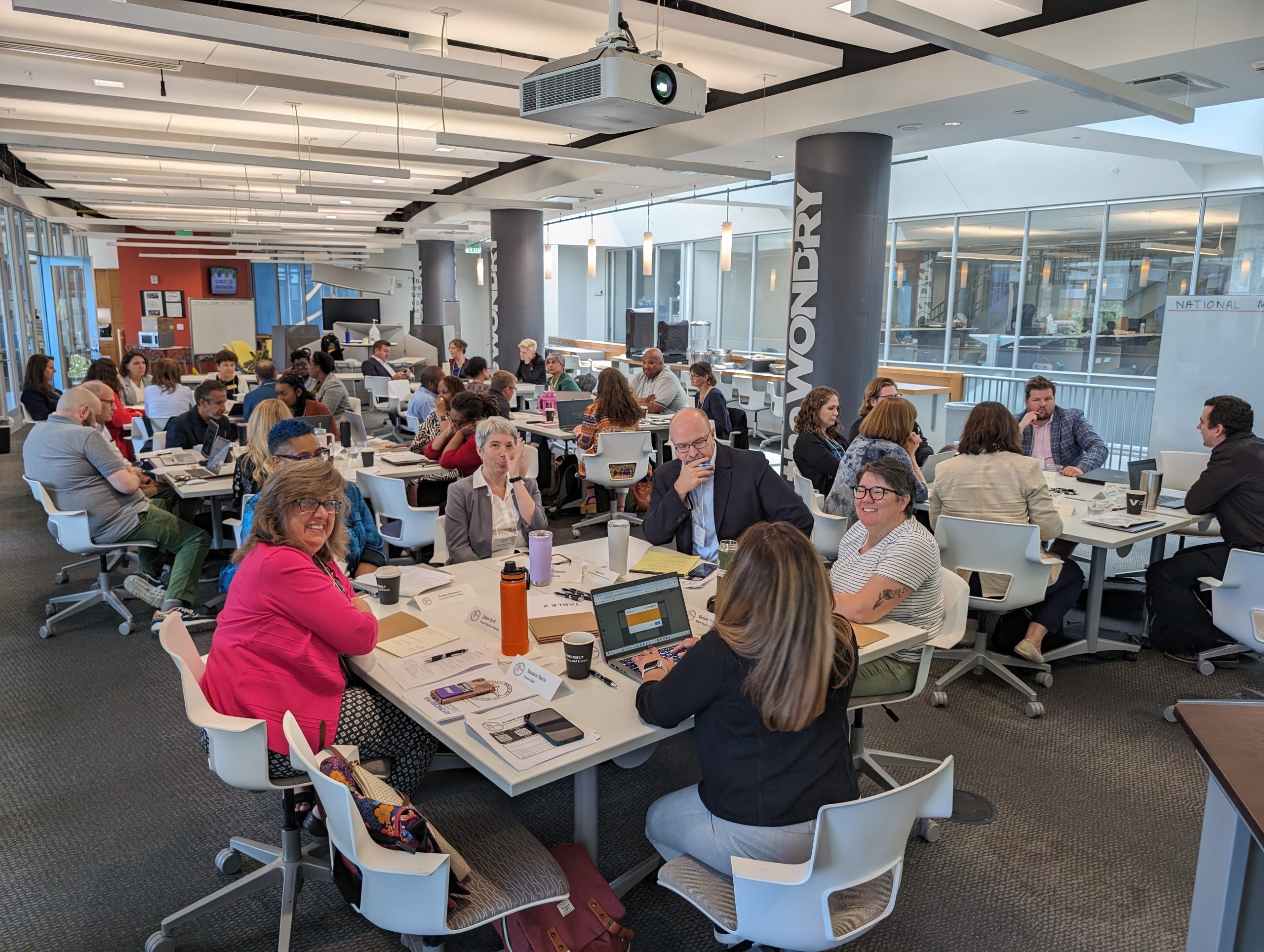
Final M-TRAIN workshop focuses on sustaining and growing regional research administration
Vanderbilt recently hosted the final M-TRAIN workshop at the Wond’ry. Funded by a $100,000 NSF grant, the workshop series engaged 70 people and 20 institutions, focusing on research administration, compliance and public-private partnerships, and held out a vision for sustained regional collaboration. Read MoreJul 30, 2024
-
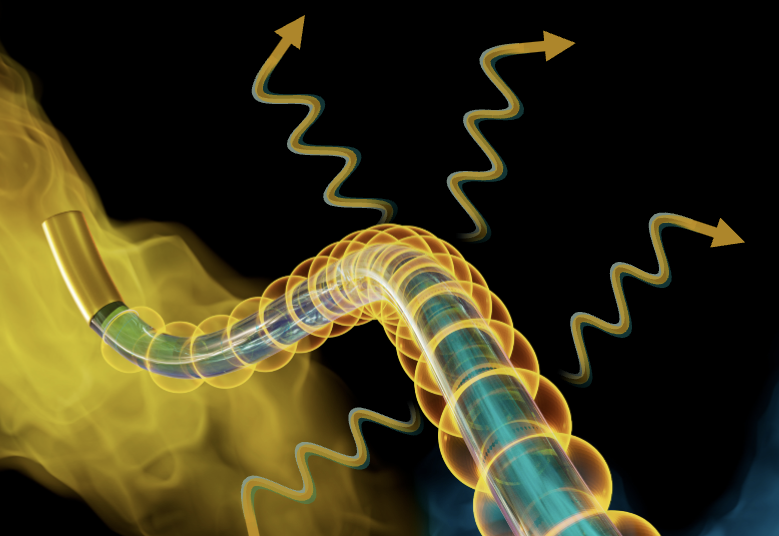
Vanderbilt engineer wins inaugural $3M NSF Trailblazer Award to revolutionize radiative cooling technology
Professor of Mechanical Engineering Deyu Li has been awarded an inaugural National Science Foundation TRAILBLAZER Engineering Impact Award to extend Max Planck’s theory of thermal radiation from equilibrium thermal sources to a regime where non-equilibrium energy carriers can lead to significantly enhanced radiative heat dissipation. Read MoreJul 29, 2024
-

Spring 2024 Scaling Success awardees announced
Vanderbilt's Spring 2024 Scaling Success Grant awards support four innovative research projects, empowering faculty to secure expanded external funding. The grant program, initiated in 2022, has already helped its inaugural awardees obtain prestigious grants. Read MoreJul 23, 2024
-
NSF names 34 Vanderbilt students and alumni as 2024 graduate research fellows
The prestigious fellowship program assists exceptional graduate students pursuing research-based master’s and doctoral degrees across various fields, including science, technology, engineering, mathematics, STEM education and social sciences supported by NSF. Read MoreJun 17, 2024
-

Novel approach to safeguard patient data included among NSF-led National AI Research Resource Pilot
The U.S. National Science Foundation and the Department of Energy recently announced that a team comprised of Vanderbilt’s newly created ADVANCE center and VALIANT lab is among the first round of 35 projects that will be supported with computational time through the National Artificial Intelligence Research Resource Pilot. Read MoreMay 16, 2024
-
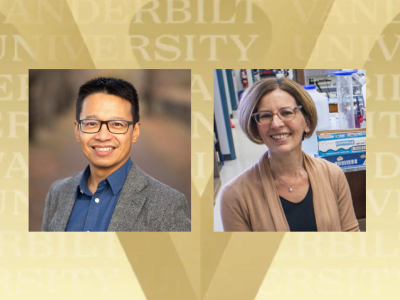
Vanderbilt scientists receive National Science Foundation grant to explore RNA behavior
Manuel Ascano, associate professor of biochemistry and pathology, microbiology and immunology, and Dr. Alissa Weaver, Cornelius Vanderbilt Chair and director of the Vanderbilt Center for Extracellular Vesicle Research, are one of nine U.S. research teams awarded funding from the National Science Foundation to more fully understand the potential biotechnological uses of RNA, ranging from crop disease protection to treatments that combat cancer. Read MoreMar 18, 2024
-

Breaking the mold: postdoctoral fellow’s research challenges ecological norms in yeast communities
Kyle David, an NSF postdoctoral fellow in the Rokas lab, and co-authors published a new paper, 'Saccharomycotina yeasts defy longstanding macroecological patterns' in the high-impact journal PNAS. This paper, which looks at the ecology of 186 species of yeast, provides evidence that not all life-forms follow the rules. Read MoreMar 5, 2024
-
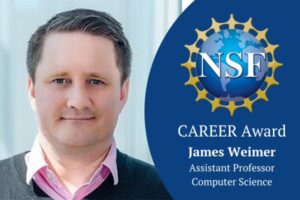
Weimer receives NSF CAREER Award to improve safety and efficacy of machine learning, AI systems
James Weimer, assistant professor of computer science and noted medical-device entrepreneur, has received a National Science Foundation CAREER Award to improve the safety and efficacy of systems that use advanced machine learning and artificial intelligence techniques. Read MoreFeb 7, 2024
-
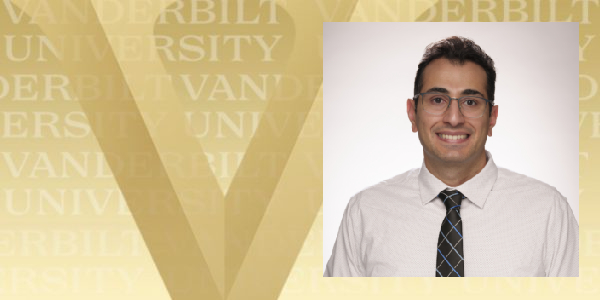
Soheil Kolouri receives NSF CAREER Award to enhance machine learning
Soheil Kolouri, assistant professor of computer science at Vanderbilt University, has received a National Science Foundation CAREER Award to explore ways to make machine learning more efficient and possibly impact the next generation of such methods. Read MoreJan 8, 2024