National Institues Of Health
-

Vanderbilt scientist collaborates with Cajal Institute in Spain to train a bank of AI models to identify memory formation signals in the brain
The researchers, including Vanderbilt’s team led by Kari Hoffman, focused their efforts on the detection of hippocampal ripples, which are considered biomarkers of memory and are affected by epilepsy and Alzheimer’s disease. Read MoreApr 15, 2024
-

NIH honors Vanderbilt with prestigious research prize
Vanderbilt University has been awarded a prize from the National Institutes of Health for its creation of the LGBTQ+ Policy Lab, which advances a culture of inclusion for sexual and gender minority individuals through interdisciplinary research and collaboration. Read MoreMar 29, 2024
-

Vanderbilt biochemists discover breakthrough evolution-resistant compound to combat antibiotic resistance
Vanderbilt scientist Houra Merrikh led a team of researchers who discovered the first evolution-resistant chemical compound that prevents drug resistance development in bacteria. The compound is also a drug development platform that targets antimicrobial resistance during treatment of infections with antibiotics and evolution in general, Merrikh said. Read MoreMar 1, 2024
-

Fauchet urges Congress to support engineering education and research
Philippe Fauchet, the Bruce and Bridgitt Evans Dean of Engineering at Vanderbilt University, met with members of Congress last week while in Washington, D.C., to emphasize the integral role that engineering research plays in strengthening the United States’ competitiveness and security. Read MoreFeb 16, 2023
-

Research Snapshot: Discovery shows how synapses are built and function in the nervous system
Discovering a signaling pathway’s influence on brain development in a nematode sheds light on human nervous systems. Est. reading time: 2 mins. Read MoreNov 8, 2021
-
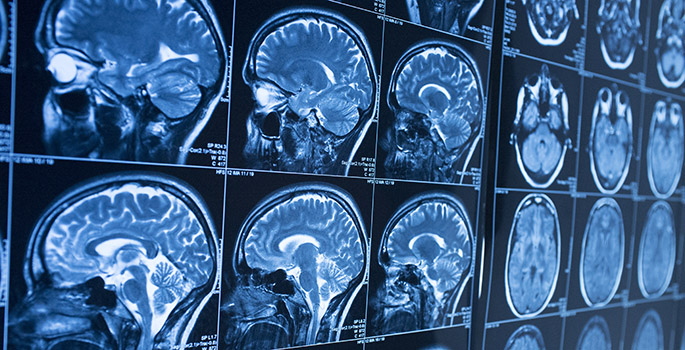
Research Snapshot: Professor discovers signaling pathway that lets ketamine act as a rapid antidepressant
Lisa Monteggia and her lab have identified how specific neurons in the hippocampus work to produce ketamine’s antidepressant action. Est. reading time: 2 mins. Read MoreOct 27, 2021
-
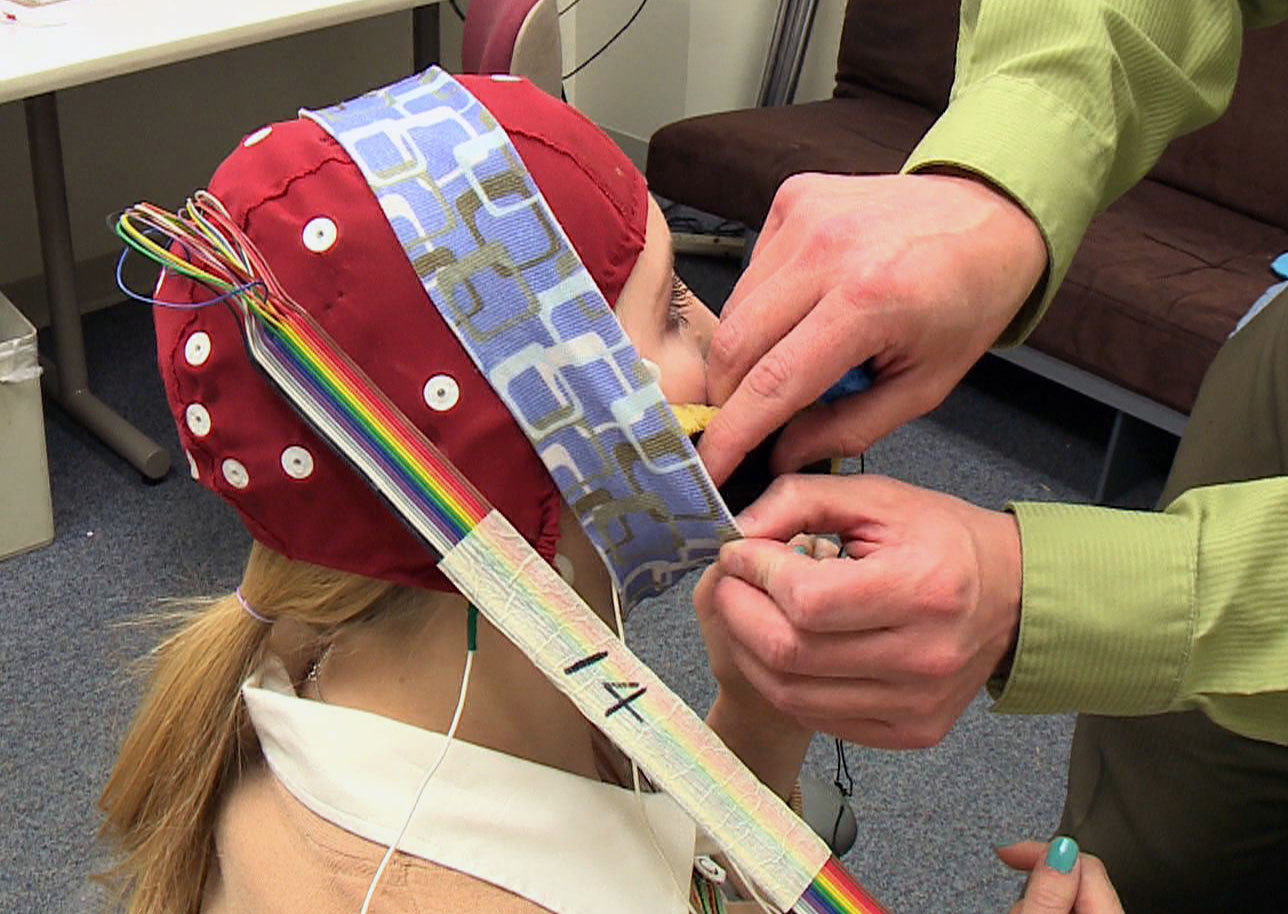
Electric “thinking cap” controls learning speed
In a new study published in the Journal of Neuroscience, Vanderbilt psychologists Robert Reinhart, a Ph.D. candidate, and Geoffrey Woodman, assistant professor of psychology, show that it is possible to selectively manipulate our ability to learn through the application of a mild electrical current to the brain, and that this… Read MoreApr 11, 2014