Molecular Physiology And Biophysics
-

Amish aid search for Alzheimer’s genes
An analysis of Amish populations revealed novel risk genes for late-onset Alzheimer disease. Read MoreOct 11, 2012
-
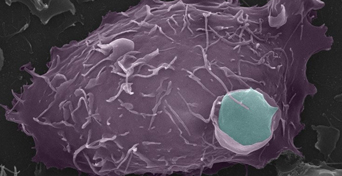
Cells with LIP eat their neighbors
A transcription factor called LIP is capable of causing one cell to consume another. Read MoreSep 13, 2012
-

Vanderbilt physicist promotes hands-on science research in the developing world
Biophysicist Erin Rericha spent 12 days in Shanghai this summer demonstrating inexpensive methods for studying cell migration to graduate students and young faculty members from developing countries as part of an annual meeting organized by The Hands-on Research in Complex Systems School. Read MoreAug 23, 2012
-

High school student speeds anti-obesity research at VU
A California high school student helped accelerate an anti-obesity drug discovery program at Vanderbilt University this summer — and provided the proof-of-principle for a new technique that could save the lab an estimated $250,000 in the process. Read MoreJul 26, 2012
-

Receptor’s role in nutrition brain circuitry
New findings point to brain circuitry that communicates about the body’s nutritional status and regulates how nutrients are mobilized. Read MoreJul 3, 2012
-
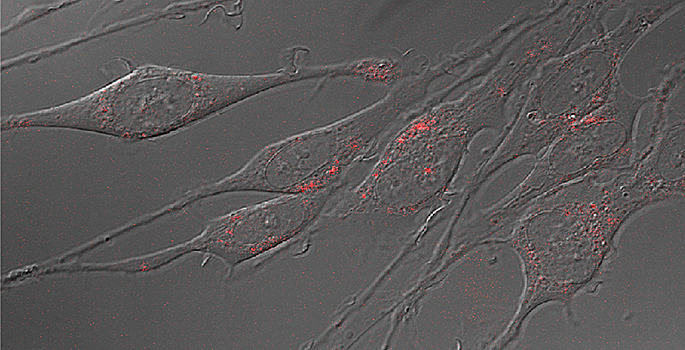
Probing the roots of depression by tracking serotonin regulation at a new level
An interdisciplinary team of scientists have successfully tagged a protein that regulates the neurotransmitter serotonin with tiny fluorescent beads, allowing them to track the movements of individual molecules for the first time. This capability makes it possible to study the manner in which serotonin regulates mood, appetite and sleep at a new level of detail. Read MoreJun 27, 2012
-
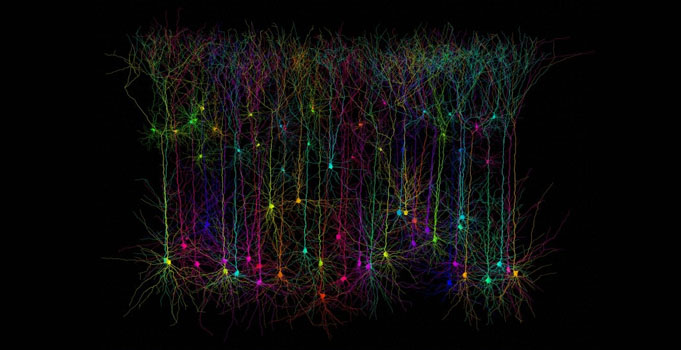
New clue to ADHD
A rare genetic change adds support to the idea that altered dopamine signaling is a key risk factor for ADHD. Read MoreMay 15, 2012
-
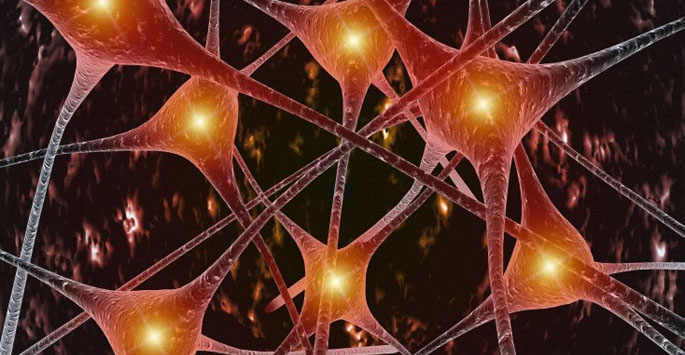
Probing epilepsy’s molecular sparks
Understanding how mutations in neuronal receptors contribute to epilepsy could lead to improved therapies. Read MoreMay 10, 2012
-

Academic Minute: The neurology of alcohol addiction
In this Academic Minute podcast, Danny Winder, associate professor of molecular physiology and biophysics, explains why the effects of alcohol can vary widely among individuals. Read MoreApr 17, 2012
-
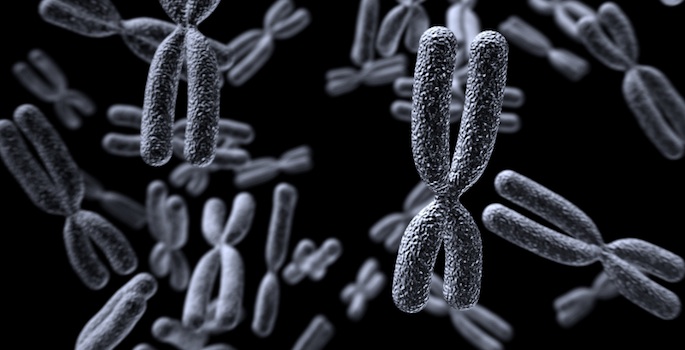
Vanderbilt researchers help reveal complex role of genes in autism
Mutations in hundreds of genes involved in wiring the brain may contribute to the development of autism spectrum disorders (ASD). Read MoreApr 4, 2012
-

Obesity turns “good” cholesterol bad
Studies offer new insights into how obesity impairs the function of HDL, the “good” cholesterol. Read MoreMar 21, 2012
-

Colorectal cancer risk related to gene’s expression
Individuals who are outside the normal range of expression for the adenomatous polyposis coli (APC) gene have an increased risk of colorectal cancer, according to a study published in the January issue of Gastroenterology. Read MoreJan 27, 2012
-

Alcohol’s molecular mediators
Therapeutic agents focusing on the brain region involved in stress-induced relapse may be effective in preventing relapse in patients with alcohol use disorders. Read MoreJan 23, 2012
-
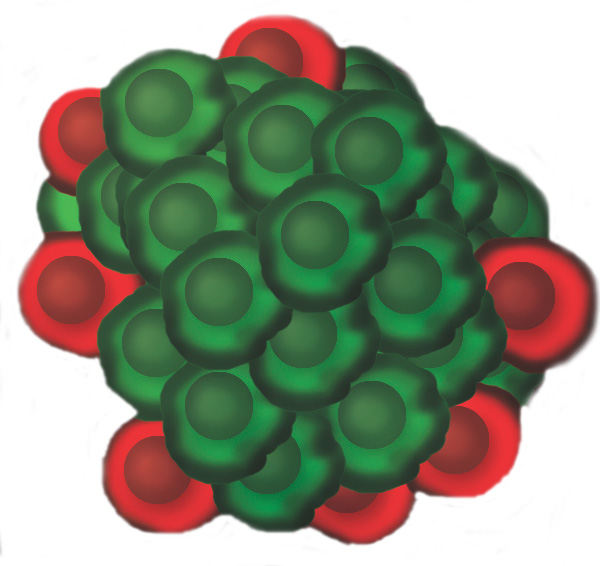
Growth factor boosts beta cells
A growth factor may help grow transplantation-quality pancreas cells for treating diabetes. Read MoreOct 21, 2011
-

Stress circuitry key to drug relapse
Brain systems involved in the body’s stress response may drive drug relapse. Read MoreJul 22, 2011
-

Real science in X-Men
First appearance from "Uncanny X-Men" #96. Art by Dave Cockrum. Via Wikipedia. Here’s another reason to love the X-Men: real science. Listen carefully to the dialogue between Professor Charles Xavier and CIA agent Dr. Moira MacTaggart in the new movie, “X-Men: First Class,” and you’ll hear a… Read MoreJun 21, 2011
-
Evolution of cell’s power plant genome
Vanderbilt researchers provide new information about how the genome inside our cellular “power plants” – the mitochondria – has evolved. Read MoreMay 18, 2011
-

Mouse study offers clues for childhood obesity
An obesity-associated genetic variation makes fatty food more rewarding yet less satisfying, new research in mice suggests. Read MoreApr 13, 2011
-
Spying on shape-shifting enzyme
New molecular views of an enzyme may inform therapies for neurological, psychiatric or cardiac diseases. Read MoreMar 18, 2011
-

New faculty endowed chairs celebrated
Ten Vanderbilt University faculty members who have been named to new endowed chairs were recognized for their remarkable achievements and contributions on Feb. 28. Read MoreMar 3, 2011