Molecular Physiology And Biophysics
-
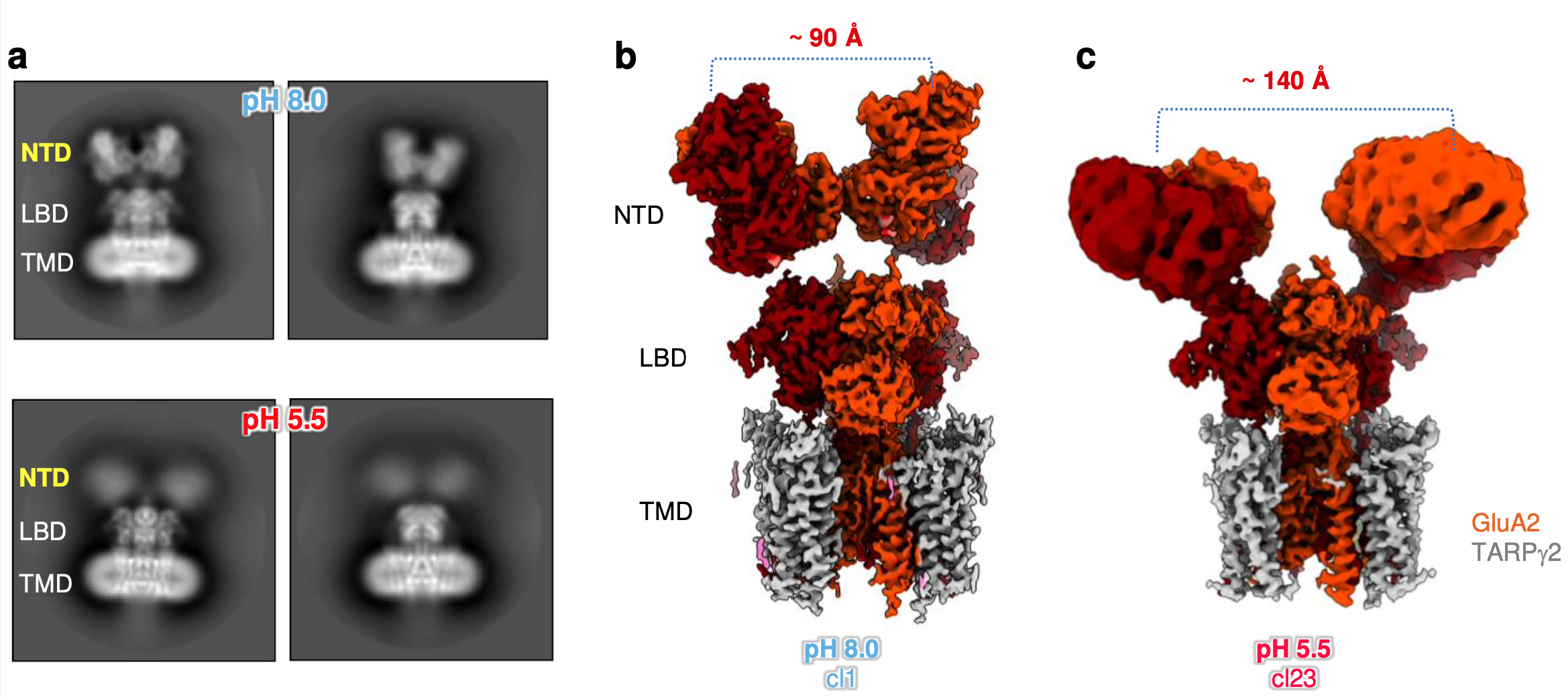
Research Snapshot: Protons can tune synaptic signaling by changing the shape of a protein receptor
Research from Teru Nakagawa, professor of molecular physiology and biophysics, describes intricacies of normal brain function with implications for our understanding of brain injury and recovery: A decrease in pH can modify a neurotransmitter receptor’s structure, thereby modulating its location and kinetics. Read MoreAug 14, 2024
-
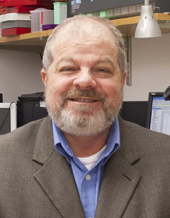
David H. Wasserman, esteemed scientist and professor of molecular physiology and biophysics, has died
A fellow of the American Association for the Advancement of Science, David Wasserman led groundbreaking research studies on the role of physical exercise, insulin-stimulation and diet in metabolism Read MoreJun 25, 2024
-
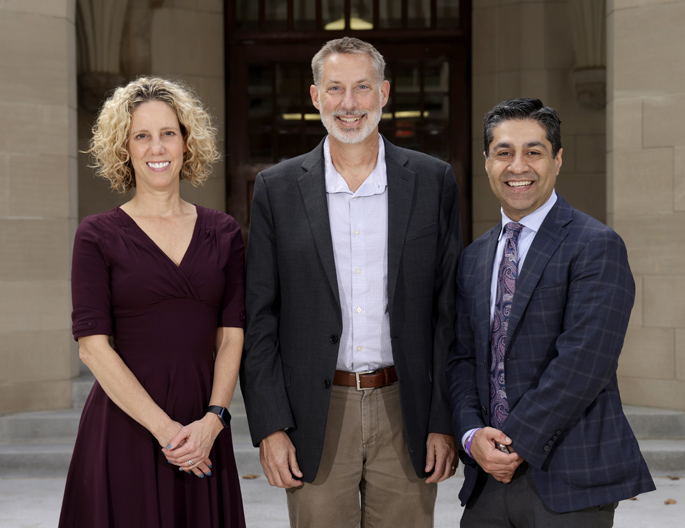
Vanderbilt-led team receives 2023 Endeavor Award from The Mark Foundation for Cancer Research
A multidisciplinary team of investigators has received a 2023 Endeavor Award from The Mark Foundation for Cancer Research to support four closely linked projects exploring the fundamental mechanisms that drive the obesity-cancer connection, Read MoreOct 24, 2023
-

Study reveals genomic code for sepsis in the lungs and kidneys
Researchers at Vanderbilt University Medical Center and the Nashville Veterans Affairs Medical Center have “cracked” the genomic code for sepsis in the lungs and kidneys. Read MoreAug 21, 2023
-
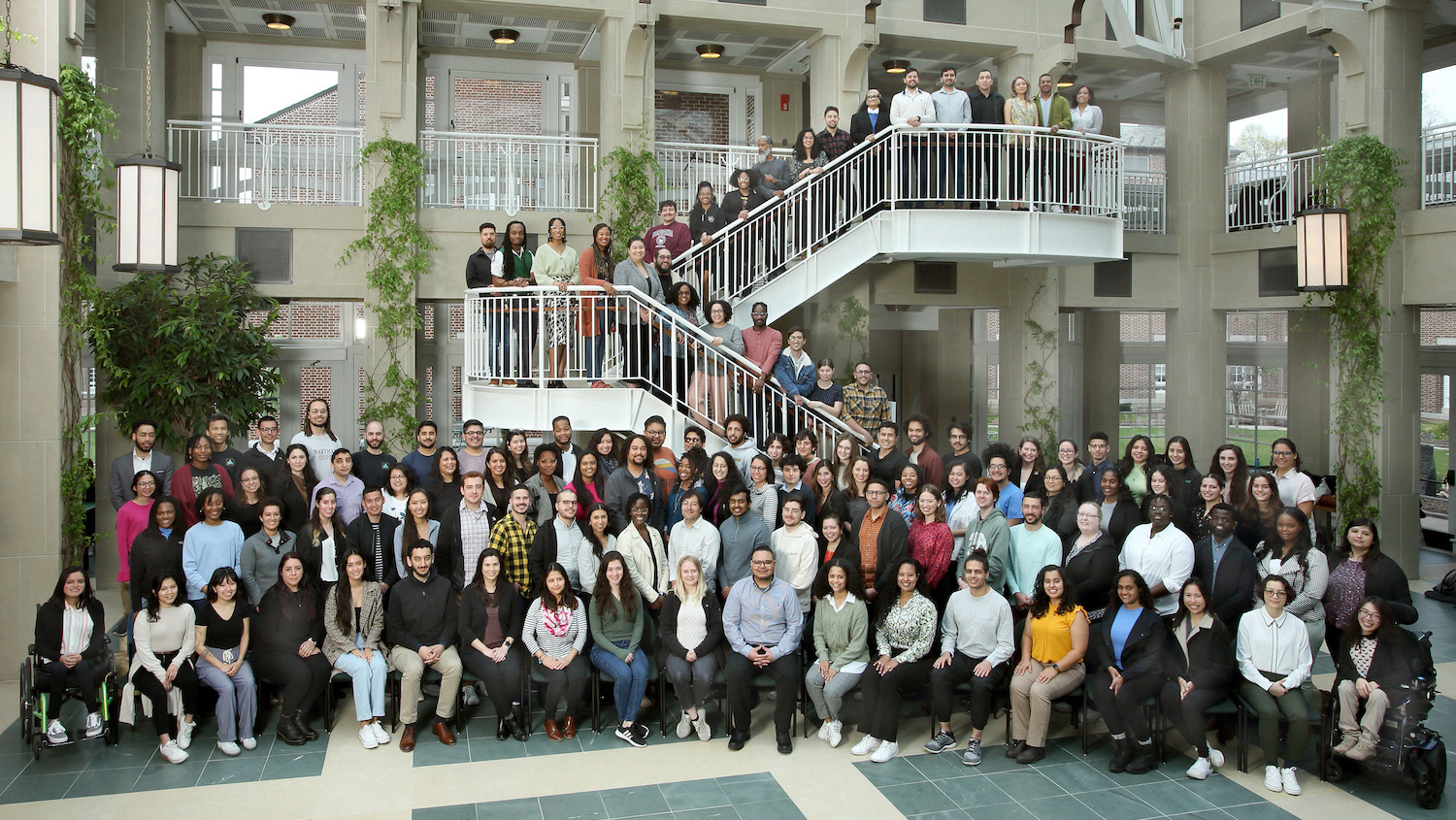
Two Vanderbilt School of Medicine Ph.D. students, their faculty advisers selected for HHMI Gilliam Fellows Program
Four Vanderbilt graduate students, faculty advisers named to Howard Hughes Medical Institute Gilliam Fellows Program for their leadership in science and commitment to advancing equity and inclusion in science. Read MoreAug 4, 2023
-
Study explores possible drug target for neurological problems
A team at Case Western Reserve University and Vanderbilt University Medical Center has determined with atomic-level precision how two established drugs bind to and alter the conformation of a cell membrane transporter protein called NKCC1, shutting down its activity. Read MoreNov 3, 2022
-
Study sheds light on the development of inflammation, high blood pressure and resulting kidney damage.
Researchers at Vanderbilt University Medical Center have found that the change in a single letter of the genetic code promotes, in a mouse model, the development of inflammation, high blood pressure and resulting kidney damage. Read MoreOct 20, 2022
-

Vanderbilt University anti-inflammatory therapy licensed to Amytrx is now in clinical trials for eczema treatment
Jacek Hawiger’s anti-inflammatory peptide therapy, licensed by Amytrx and now in clinical trials, has the potential to safely and effectively treat a multitude of inflammatory and metabolic diseases. Read MoreOct 27, 2020
-

Vanderbilt researchers develop publicly available COVID-19 animal susceptibility prediction tool; suggests increased risk to horses
All-remote collaboration results in free animal susceptibility tool to help prioritize research and closer examination of at-risk species. Read MoreOct 6, 2020
-
Protein study may be key to treating fibrotic diseases
A protein linked to amyotrophic lateral sclerosis (ALS), a progressive neurological disease that causes muscle weakness, may be a key to treating fibrotic disease of the kidneys and other organs, researchers at Vanderbilt University Medical Center reported recently. Read MoreJul 30, 2020
-

Insights on diabetic retinopathy
A drug that targets multiple pathogenic steps in diabetic retinopathy may be an ideal therapeutic strategy for the disease, Vanderbilt researchers report. Read MoreJan 23, 2020
-
Study reveals mysteries of critical brain receptor complex
Poorly functioning AMPARs have been linked to a wide range of neurological and psychiatric disorders including seizures, Alzheimer’s disease, major depression and autism spectrum disorder. Understanding how AMPARs are formed and operate is essential for the rational design of pharmacological compounds that, by tuning AMPAR activity up or down, could improve treatment of these conditions. Read MoreDec 5, 2019
-

Study details regulation of a multi-drug transporter
Vanderbilt University researchers have discovered how a protein pump distinguishes between chemicals that it will expel from a cell and inhibitors that block its action. The new findings could guide the development of more efficient inhibitors to prevent cancer cell resistance to chemotherapy. Read MoreMay 30, 2019
-

Shaping reward circuits
Using techniques to control and monitor the activities of individual neurons, Vanderbilt investigators are probing the brain’s reward circuitry. Read MoreMay 18, 2018
-

Toxin floats on lipid rafts
The bacterium H. pylori is a leading cause of stomach cancer, and Vanderbilt researchers are studying how one of its toxins gets into cells. Read MoreApr 23, 2018
-
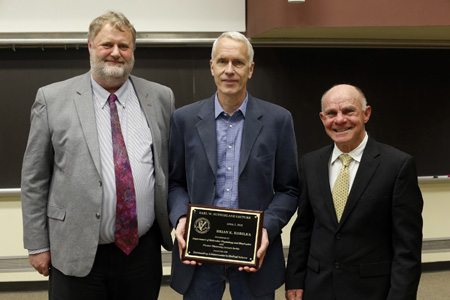
Nobel laureate Kobilka’s talk explores receptor activation
Brian Kobilka, MD, who received the 2012 Nobel Prize in Chemistry for his studies of G protein-coupled receptors (GPCRs), shared his team’s progress in understanding receptor activation — and how that might guide drug development — at last week’s Flexner Discovery Lecture. Read MoreApr 12, 2018
-
Nobel laureate Kobilka set to deliver Flexner Discovery Lecture on April 5
Brian Kobilka, MD, who shared the 2012 Nobel Prize in Chemistry for his studies of G protein-coupled receptors (GPCRs), will deliver the next Flexner Discovery Lecture on April 5. Read MoreMar 29, 2018
-
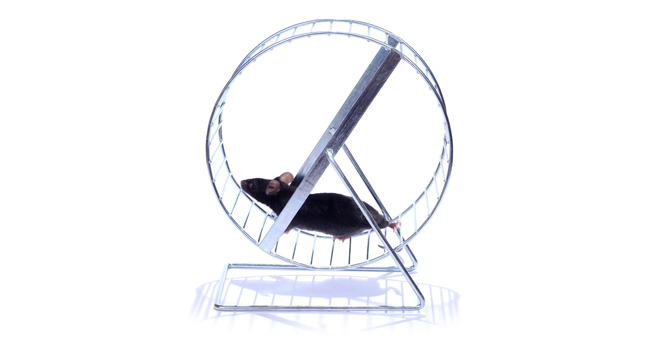
Voluntary exercise and energy balance
Non-exercise physical activity has a measurable energy expenditure, which goes down when animals engage in voluntary exercise, Vanderbilt researchers have discovered. Read MoreMar 23, 2018
-
Noted neuroscientist Gouaux set for Discovery Lecture
Eric Gouaux, PhD, whose work has helped reveal the molecular mechanisms by which nerve cells communicate, will deliver the next Flexner Discovery Lecture Thursday, Feb. 22. Read MoreFeb 15, 2018
-

Study helps map signaling system in brain linked to ASD
Researchers at Vanderbilt University have worked out part of the “wiring diagram” of a signaling system in the brain that has been linked to autism spectrum disorder (ASD). Read MoreFeb 8, 2018