Medicine
-

Common genetic signals for atrial fibrillation decoded
An international study co-led by researchers at Vanderbilt University has uncovered six new “susceptibility loci,” chromosomal regions located in or near genes that may play a role in atrial fibrillation, the most commonly diagnosed heart condition. Read MoreJun 8, 2012
-

Beta cell imaging could help spot diabetes earlier
Vanderbilt researchers have developed a biomarker for beta cells that could make it easier to detect diabetes earlier. Read MoreMay 23, 2012
-

Better blood pressure-reducing drugs?
A newer version of an old class of blood pressure lowering drugs may offer advantages for obese patients with metabolic syndrome. Read MoreApr 30, 2012
-

Cost study shows timing crucial in appendectomies
Removing a child’s ruptured appendix sooner rather than later significantly lowers hospital costs and charges, according to a recently published study. Read MoreApr 26, 2012
-

Pathways to delirium in the ICU
Study suggests that the “kynurenine” biochemical pathway could be a target for reducing delirium and coma in critically ill patients. Read MoreApr 17, 2012
-
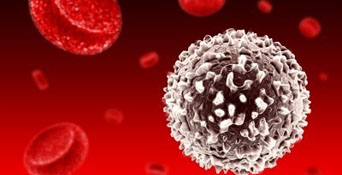
Targeting post-transplant diabetes
Targeting diabetes that develops after a stem cell transplant may help moderate graft-vs.-host disease, an adverse effect of the procedure, and improve outcomes. Read MoreApr 12, 2012
-
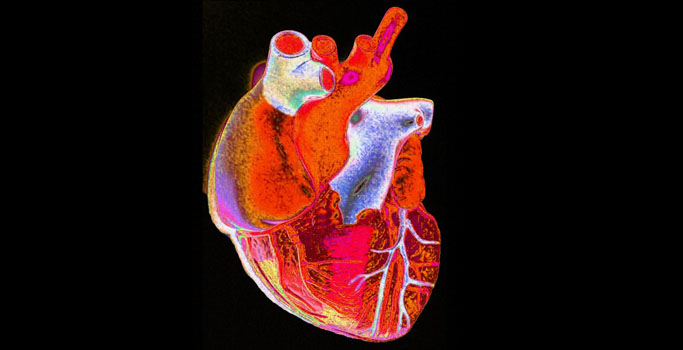
New tool hooks heart failure drugs
A new screening tool – using glowing fish embryos – could identify therapeutics for myocardial hypertrophy and heart failure. Read MoreApr 6, 2012
-

Plant compound quells inflammation
Berberine, an herbal remedy for diarrhea and intestinal parasites, may be an effective treatment for gastrointestinal inflammatory diseases. Read MoreApr 6, 2012
-

Gut germs govern growth
Treating H. pylori infection in children may help their growth rebound, a recent study suggests. Read MoreApr 6, 2012
-

Obesity turns “good” cholesterol bad
Studies offer new insights into how obesity impairs the function of HDL, the “good” cholesterol. Read MoreMar 21, 2012
-

Urine biomarker for colon cancer?
A molecule detectable in urine may be helpful in diagnosing colon cancer. Read MoreMar 10, 2012
-
Combo combats dizziness
Some patients may need a combo of medications to combat a condition that causes dizziness. Read MoreMar 9, 2012
-
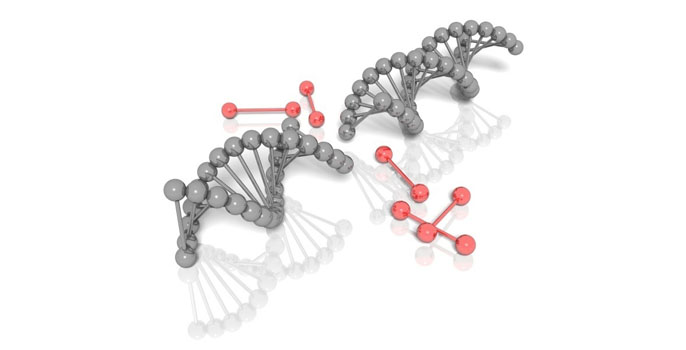
‘Detangler’ binds, bends and cuts DNA
New details on the DNA-cutting activity of topoisomerase II, a target of anti-cancer drugs, could lead to better chemotherapeutic agents. Read MoreMar 2, 2012
-

Stem cells take heart
Signaling pathway discoveries suggest ways to induce stem cells to become cardiac muscle cells, which could be useful for regenerating damaged heart muscle. Read MoreFeb 20, 2012
-
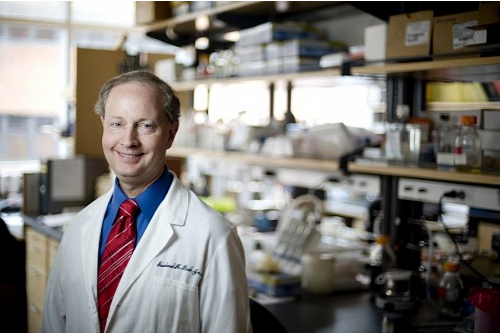
Digestive disease research bolstered by grant renewal
The Vanderbilt Digestive Disease Research Center celebrates its 10th anniversary this year with a second five-year renewal of its federal research grant. Read MoreJan 20, 2012
-

Study applies random genotype sets to new disease
A new study in the American Journal of Human Genetics, led by Vanderbilt researchers Josh Denny, M.D., M.S., and Dana Crawford, Ph.D., takes random volumes of human genotypes and matches them with data siphoned from de-identified medical records and sheds new light on the genetic basis of the common… Read MoreJan 5, 2012
-

Melatonin found to ease sleep woes in children with autism
Vanderbilt researchers are studying how the supplement melatonin can ease the sleep difficulties that often afflict children with autism spectrum disorders. (iStock) A new Vanderbilt study shows that the over-the-counter supplement melatonin is promising in helping children with autism spectrum disorders (ASD), and their families, sleep better. Read MoreJan 5, 2012
-

Clues to skeletal form in ‘feelgood’ fish
Ela Knapik, associate professor of medicine, and colleagues are using zebrafish to explore the molecular and cellular mechanisms that cause birth defects of the face and skeleton. Read MoreDec 16, 2011
-
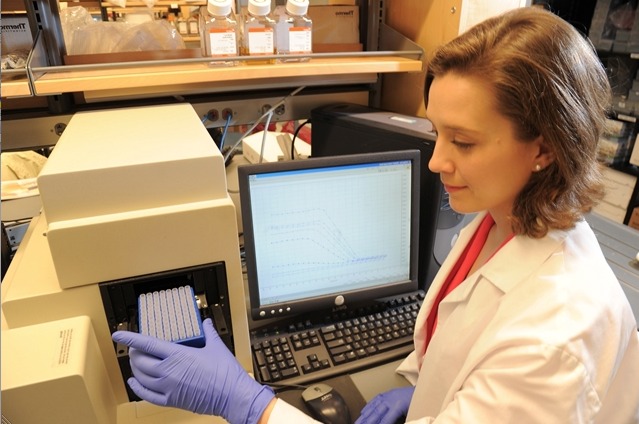
New schizophrenia drug candidates entering prep for first-in-human testing
The progression of new drug candidates for schizophrenia with partner Janssen Pharmaceutica is the latest evidence that a new collaborative model for drug discovery pioneered at Vanderbilt may help identify and develop innovative candidate drugs for treatment of major brain disorders. Read MoreDec 15, 2011
-

Offspring of childhood cancer survivors have no increased risk for birth defects
Children of childhood cancer survivors who were treated with radiation or some forms of do not have an increased risk for birth defects compared to children of cancer survivors who did not receive such treatments. Read MoreDec 15, 2011