Mass Spectrometry Research Center
-
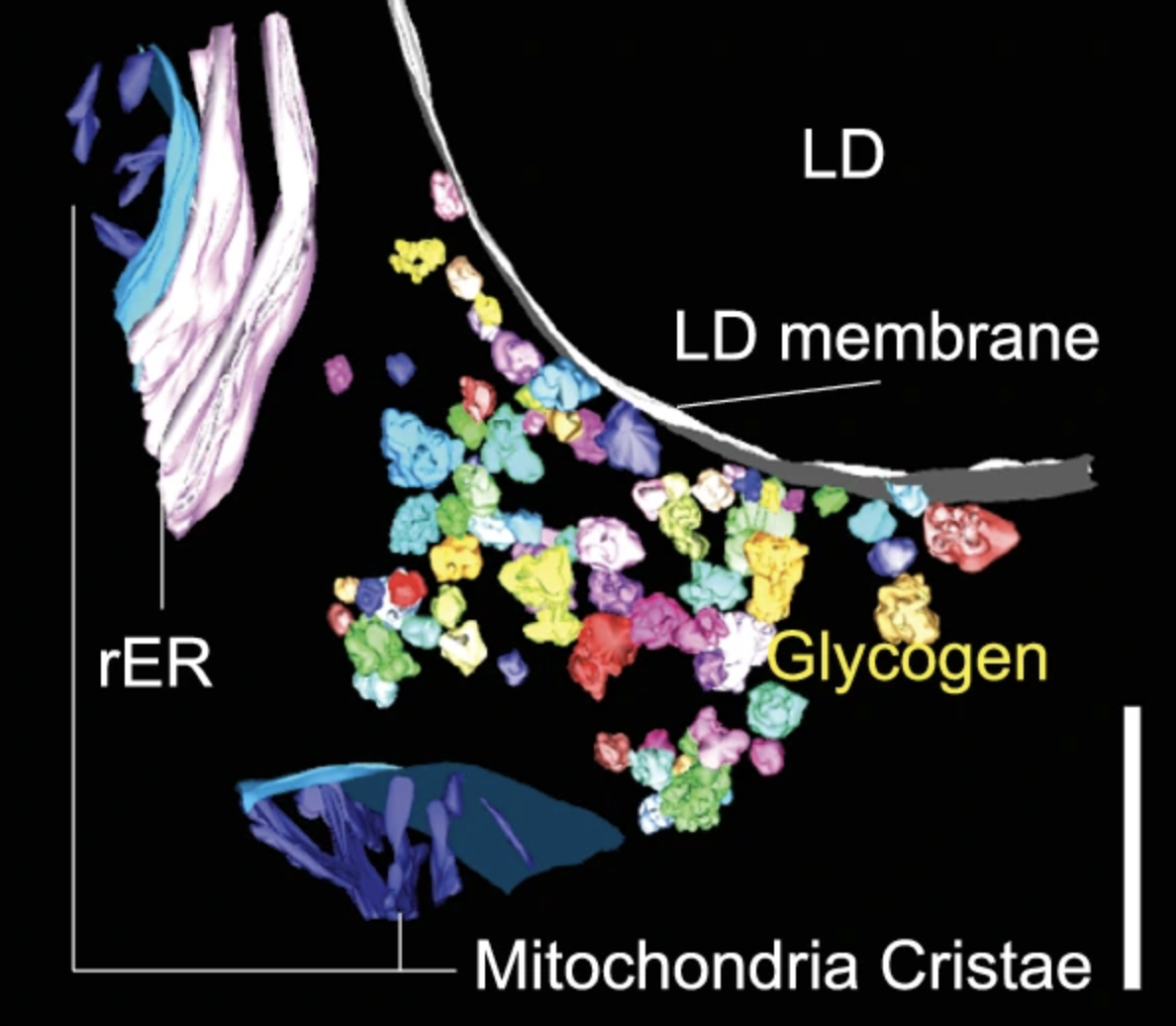
Pioneering new method reveals glucose channeling, charting the fine structure of energy metabolism inside active cells
In a scientific first, researchers from Vanderbilt University and the University of California, San Diego, have generated a high-resolution metabolic “map” of how cells orchestrate glucose processing, revealing a hidden world where organelles and molecular complexes collaborate when responding to a rush of nutrients. This new study, published in Nature Communications, has redefined how glucose metabolism is visualized at the single-cell level. Read MoreJul 21, 2025
-

Amanda Linkous advances lung cancer research with Merck Research Laboratories Scientific Engagement and Emerging Discovery Science program
Amanda Linkous, research associate professor of pharmacology, has been awarded a research grant from the Merck Research Laboratories Scientific Engagement and Emerging Discovery Science (SEEDS) program to identify therapeutic intervention points to prevent the colonization and proliferation of small cell lung cancer and non-small cell lung cancer in the lung and brain. Read MoreSep 24, 2024
-
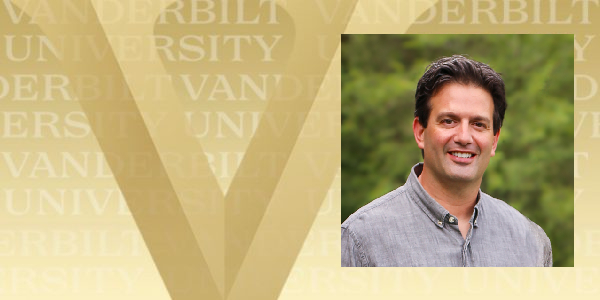
Jeffrey Spraggins named director of Vanderbilt University Mass Spectrometry Research Center
Jeffrey Spraggins, associate professor of cell and developmental biology, biochemistry, and chemistry, has been named director of the Mass Spectrometry Research Center. He succeeds Richard Caprioli, Stanford Moore Chair in Biochemistry, who established the MSRC in 1998 and who is retiring this summer. Read MoreJul 17, 2024
-

Study uses new tools, machine learning to investigate major cause of blindness in older adults
Vanderbilt researchers, in collaboration with investigators from the University of Alabama at Birmingham, the Delft University of Technology, University Hospital Bonn, and Molecular Horizon have developed new protocols to study which molecular pathways might be important in the aging retina and what might cause the formation of deposits in the eye that confer high risk for age-related macular degeneration. Read MoreJan 3, 2024
-
Imaging host-pathogen battle for metal
An unprecedented view of bacterial products within infected tissues opens new opportunities to explore infection biology and devise novel therapeutic strategies. Read MoreOct 31, 2019
-
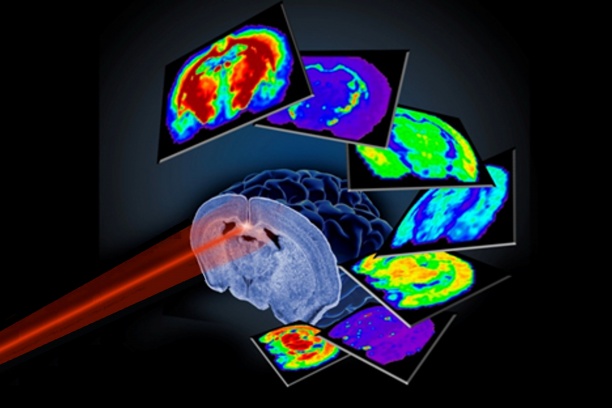
What protein is that?
An improved technology enables high-throughput protein identification in imaging mass spectrometry, aiding proteomics research. Read MoreMar 28, 2018
-
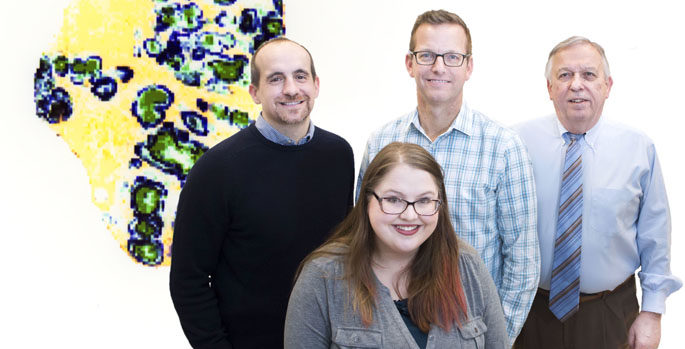
New imaging approach offers unprecedented views of staph infection
A new integrated imaging approach makes it possible to probe the molecules involved in invasive infections and can be broadly applied to any health or disease state. Read MoreMar 15, 2018
-

VUMC investigators find pathogens work together to infect host
Pseudomonas aeruginosa and Staphylococcus aureus — two pathogens that frequently co-infect the lungs of patients with cystic fibrosis — appear to cooperate with each other, Vanderbilt investigators have discovered. When pseudomonas is starved for metal by the host, it shuts down the production of factors that would normally kill staph, promoting a co-infection. Read MoreNov 3, 2016
-
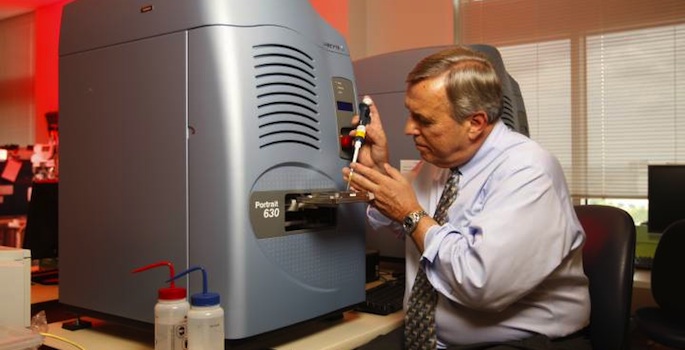
NIH grant bolsters mass spectrometry research initiatives
The National Institutes of Health (NIH) has awarded a major renewal grant to continue the National Research Resource for Imaging Mass Spectrometry at Vanderbilt University School of Medicine. Read MoreAug 11, 2016
-
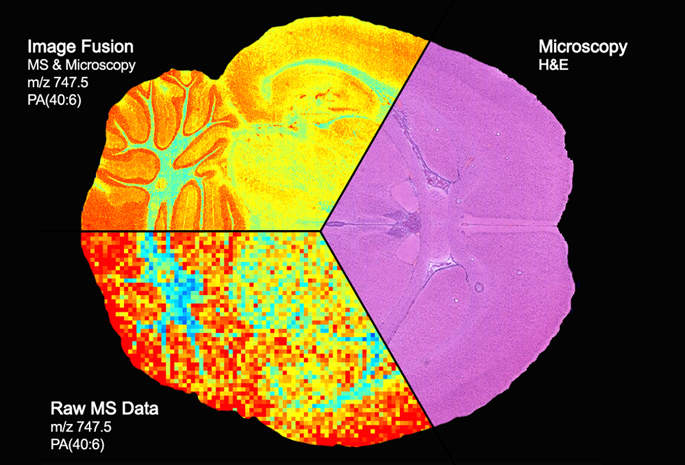
Vanderbilt team first to blend high-end imaging techniques
Vanderbilt University researchers have achieved the first “image fusion” of mass spectrometry and microscopy — a technical tour de force that could, among other things, dramatically improve the diagnosis and treatment of cancer. Read MoreMar 5, 2015
-
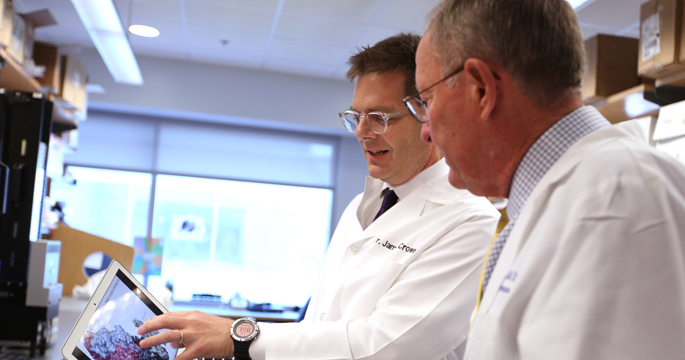
Core facilities key driver of VUMC research gains
During the past five years, Vanderbilt University Medical Center has become a leader in “personalized medicine,” the use of genomic information to individualize patient care. Read MoreJan 29, 2015
-
VUMC research cores speed pace of discovery
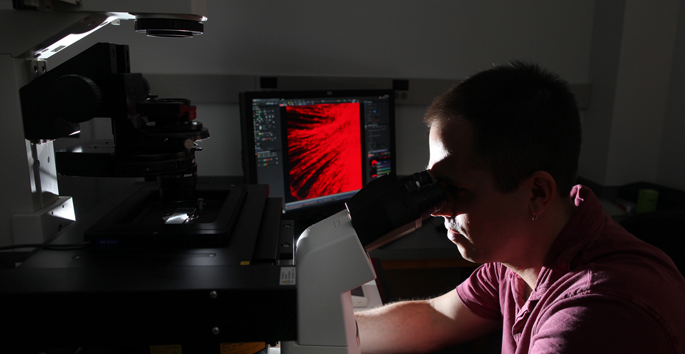
Progress against America’s most intractable health challenges, among them heart disease, cancer and diabetes, requires the best minds, the latest tools and the easy collaboration demanded by 21st century science. Read MoreJan 22, 2015
-

Study tracks new way to fight HIV infection in women
Vanderbilt University’s Richard Caprioli, Ph.D., is participating in a national, federally funded collaboration to develop an intravaginal ring capable of delivering antiretroviral drugs to women at risk for HIV infection. Read MoreSep 11, 2014
-

Caprioli honored for mass spectrometry contributions
Richard Caprioli, Ph.D. Vanderbilt University’s Richard Caprioli, Ph.D., has received the 2014 Award for a Distinguished Contribution to Mass Spectrometry from the American Society for Mass Spectrometry (ASMS). Caprioli, the Stanford Moore Professor of Biochemistry and director of the Mass Spectrometry… Read MoreJun 19, 2014
-
Vanderbilt awarded $16.5 million agreement to determine how toxic agents affect human cells
Vanderbilt University has been awarded a Cooperative Agreement with the Defense Advanced Research Projects Agency and the Army Research Office that is worth up to $16.5 million over five years. Read MoreMar 3, 2014
-

Mapping brain membrane proteins
New mass spectrometry imaging methods will enable studies of the distribution and identification of membrane proteins directly within tissues. Read MoreSep 16, 2013
-
Novel push-pull action clue to brain disorders
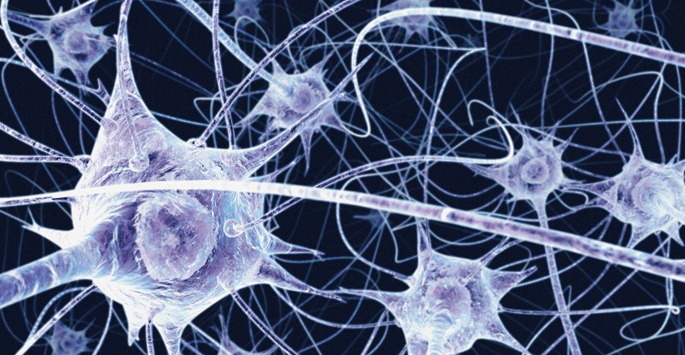
Researchers at Vanderbilt University have discovered a new “push-pull” mechanism in the brain that one day could lead to new treatments for movement disorders such as Parkinson’s disease, as well as stress-related disorders and addiction. Read MoreMar 21, 2013
-
Zinc: a new antibiotic target?
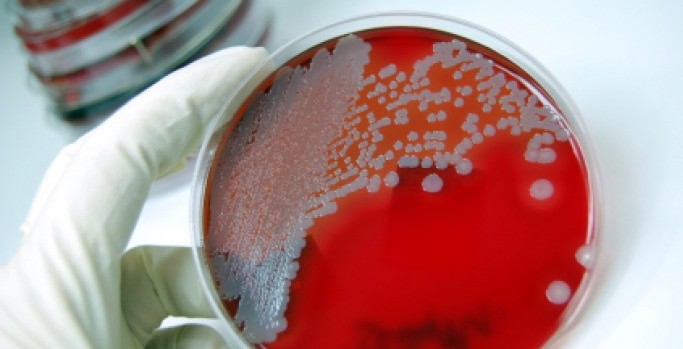
It may be possible to fight hospital-acquired pathogens like Acinetobacter baumannii by targeting the bacterium’s need for the nutrient metal zinc. Read MoreJan 17, 2013
-
Team creates new view of body’s infection response
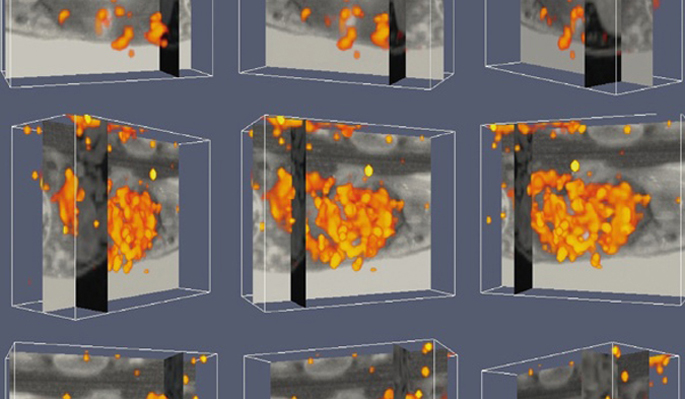
A new 3-D view of the body’s response to infection — and the ability to identify proteins involved in the response — could point to novel biomarkers and therapeutic agents for infectious diseases. Read MoreAug 9, 2012
-
Obesity turns “good” cholesterol bad
Studies offer new insights into how obesity impairs the function of HDL, the “good” cholesterol. Read MoreMar 21, 2012