Louise Rollins-Smith
-
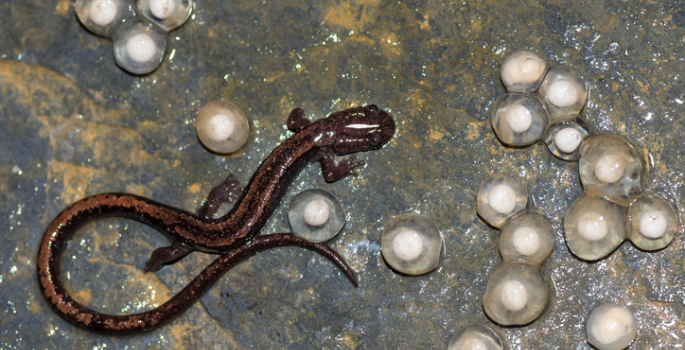
Temperature, newts, and a skin-eating fungus
The emergence of pathogenic skin fungi that cause the disease chytridiomycosis is contributing to the global loss of amphibian populations. Read MoreMar 8, 2021
-
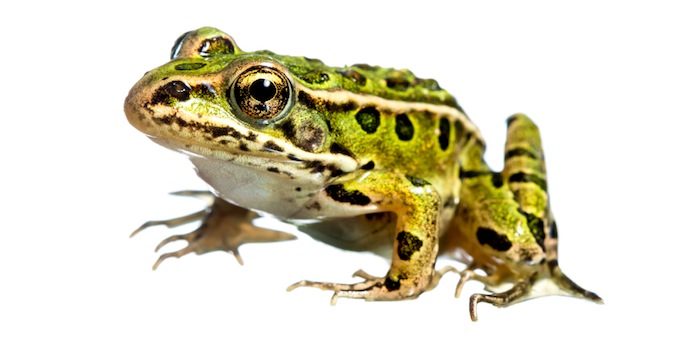
Frog peptides as anti-HIV microbicides
Peptides derived from the antimicrobial peptides secreted by frogs could function as microbicides to limit HIV transmission, while sparing protective vaginal bacteria. Read MoreNov 2, 2020
-
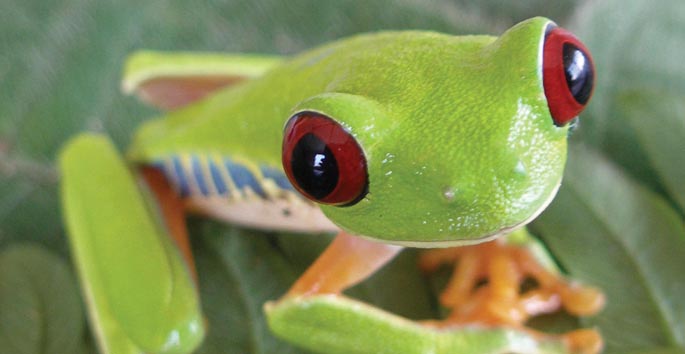
Frog fungus fights back
Louise Rollins-Smith and colleagues have discovered a new way that a deadly fungus evades frogs' immune systems. Read MoreMay 15, 2019
-
Research shows frogs can adapt to traffic noise
Frogs don’t like living near noisy highways any better than people do, but research from Vanderbilt suggests that frogs, like hardened city-dwellers, can learn to adapt to the constant din of rumbling trucks, rolling tires and honking horns. Read MoreFeb 21, 2019
-
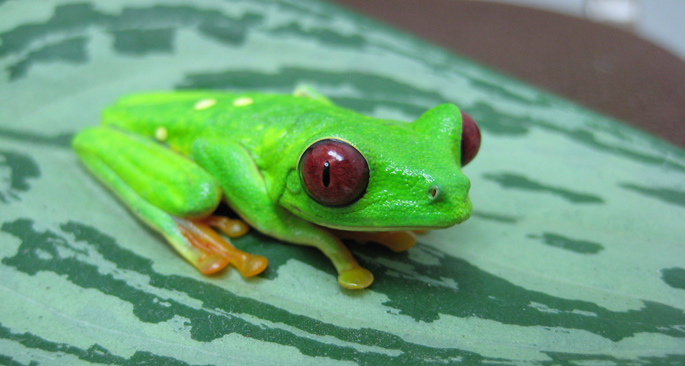
Study reveals frogs bouncing back in Panama
A new study reports that some Central American frog species are recovering from a deadly fungal epidemic, perhaps because they have better defenses against the pathogen. Read MoreApr 5, 2018
-
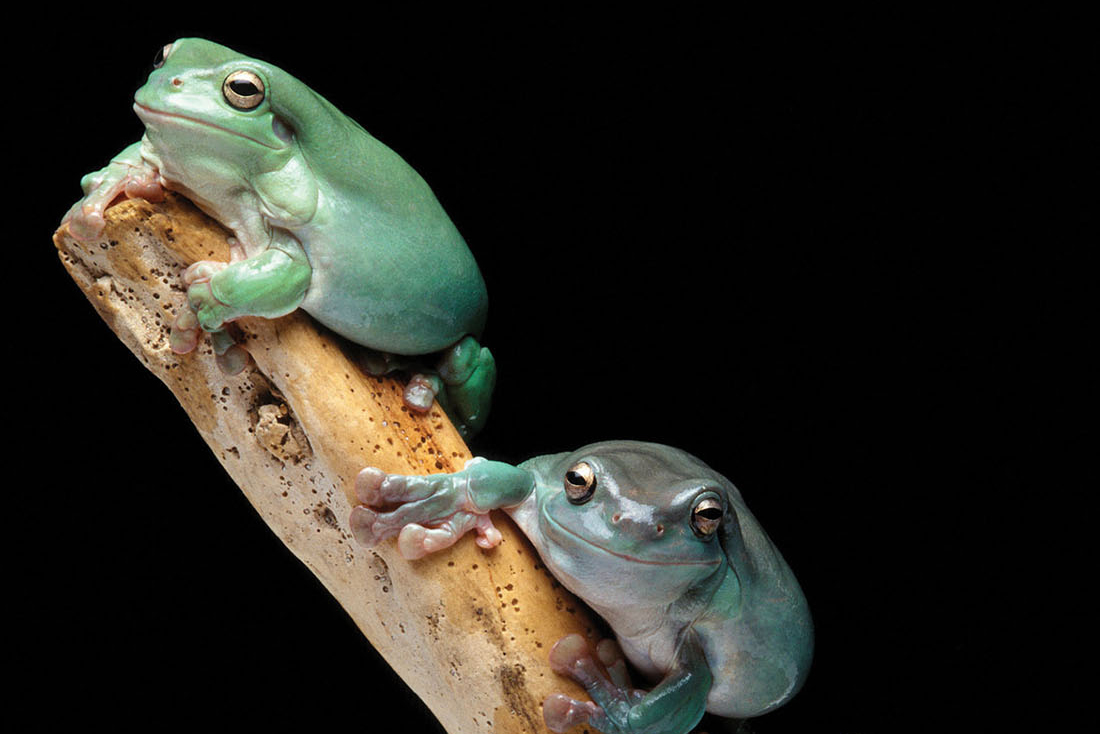
Treatment Helps Frogs Fight Fungal Pathogen
Simple heat treatments may give the frog immune system a boost and help it fight off a deadly fungal pathogen, according to a new study published July 10 in the journal Nature. Read MoreSep 26, 2014
-
Treatments for frog fungus
The fungicide amphotericin B may be a useful treatment for a frog fungus that is killing amphibians worldwide. Read MoreJul 25, 2014
-
Study finds ‘hot’ frogs fight off fungal pathogen
Simple heat treatments may give the frog immune system a boost and help it fight off a deadly fungal pathogen, according to a new study published July 10 in the journal Nature. Read MoreJul 9, 2014
-
Frog-killing fungus paralyzes amphibian immune response
A fungus that is killing frogs and other amphibians around the world releases a toxic factor that disables the amphibian immune response, Vanderbilt University investigators report Oct. 18 in the journal Science. Read MoreOct 17, 2013