Lawrence Marnett
-

Better adenoma detection
Fluorescent nanoparticles clearly identified colonic adenomas — precursors to colorectal cancer — in mice, and the formulation should translate to clinical use in humans. Read MoreMay 4, 2023
-
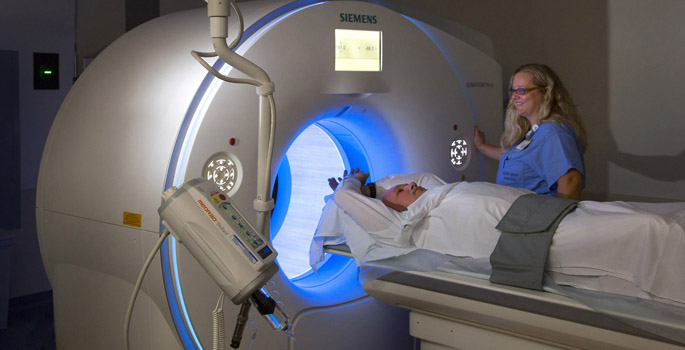
Potential probe for early ovarian cancer
Larry Marnett and colleagues have developed what may become the first agent for targeted PET imaging of cancer tissues, such as ovarian cancer, that express high levels of the COX-1 enzyme. Read MoreJun 20, 2019
-
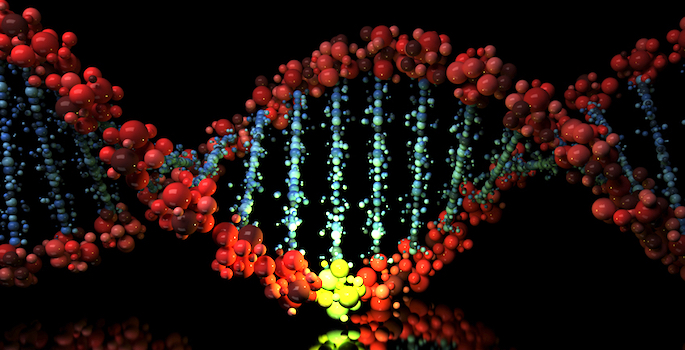
Energetic gene switch
James Galligan and Lawrence Marnett have discovered a new histone modification that can affect gene expression. Read MoreAug 30, 2018
-
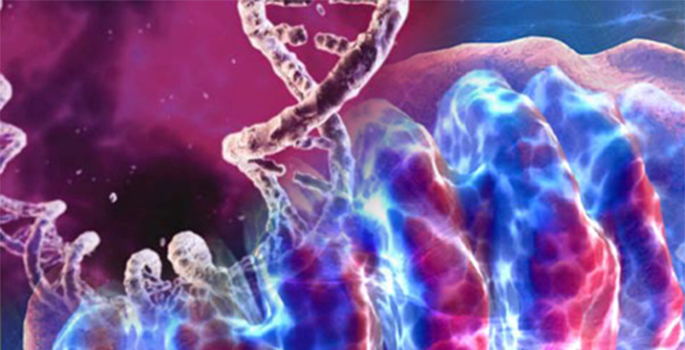
Mitochondrial mutations and disease
New findings suggest that oxidative stress damages mitochondrial DNA, and they link this damage to a disease state. Read MoreFeb 22, 2018
-
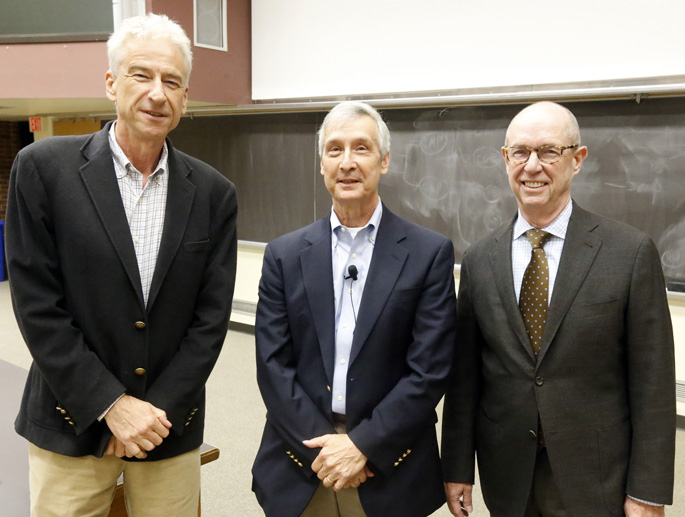
Talking epigenetics
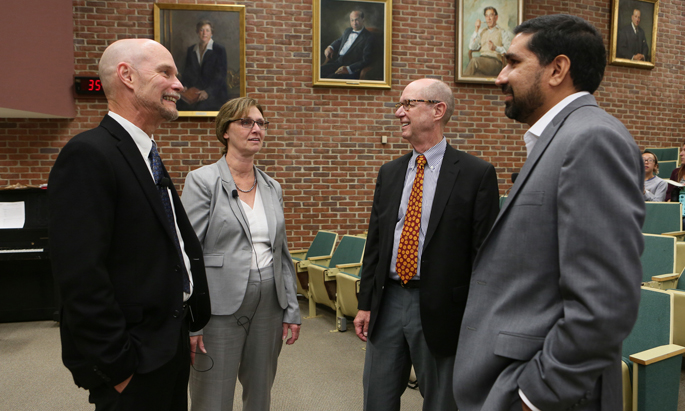
Ian Macara, Ph.D., left, chair of the Department of Cell and Developmental Biology, and Lawrence Marnett, Ph.D., right, dean of Basic Sciences in the School of Medicine, visited with Rockefeller University professor David Allis, Ph.D., last week prior to Allis’ Flexner Discovery Lecture on epigenetics. Read MoreSep 14, 2017
-
Cutting-edge research
Lawrence Marnett, Ph.D., second from right, talks with three Vanderbilt scientists prior to their presentations during last week’s Flexner Discovery Lecture on cutting-edge research. The speakers were, from left, Mark Wallace, Ph.D., Laura Dugan, M.D., and Sachin Patel, M.D., Ph.D. Read MoreNov 10, 2016
-

Imaging probe for retinal disease
An imaging probe developed at Vanderbilt detects retinal inflammation early and may allow therapeutic intervention to prevent blindness. Read MoreOct 12, 2016
-
Pietenpol named Executive Vice President for Research
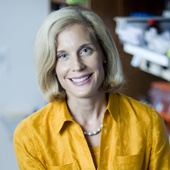
Jennifer Pietenpol, Ph.D., director of the Vanderbilt-Ingram Cancer Center, B.F. Byrd Jr. Professor of Molecular Oncology and Professor of Biochemistry, Cancer Biology and Otolaryngology, has been named Executive Vice President for Research at Vanderbilt University Medical Center (VUMC). Her appointment is effective May 1. Read MoreApr 14, 2016
-
Fourteen faculty members selected as 2016 Chancellor Faculty Fellows
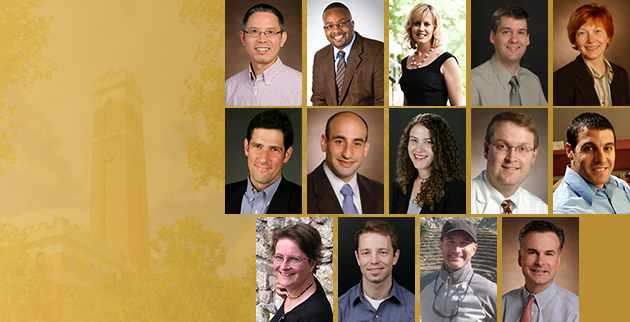
Fourteen outstanding faculty members from across the university have been named to the 2016 class of Chancellor Faculty Fellows. The class comprises highly accomplished, recently tenured faculty from the humanities, social sciences, life and physical sciences, and clinical sciences, as well as business, education and engineering. Read MoreJan 21, 2016
-

Zoghbi named to receive Vanderbilt Prize in Biomedical Science
Huda Zoghbi, M.D., a physician-scientist known internationally for her extraordinary range of discoveries in neurology and neuroscience, is the recipient of the 2015 Vanderbilt Prize in Biomedical Science, Vanderbilt University officials announced today. Read MoreDec 9, 2015
-

The yin and yang of COX-2
New findings add to the understanding of how the enzyme COX-2 works, which is critical to the development of COX-2-targeted anti-inflammatory drugs. Read MoreOct 2, 2015
-
‘Simple Beginnings’ ceremony welcomes doctoral students
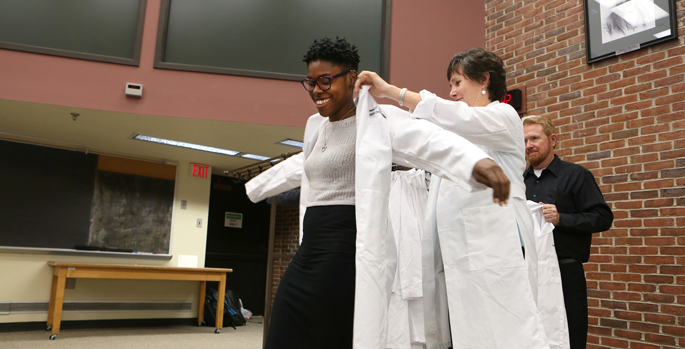
Vanderbilt University welcomed 97 new doctoral students on Sept. 4 during the sixth annual “Simple Beginnings” ceremony in a Light Hall lecture room packed with family members and other well-wishers. Read MoreSep 10, 2015
-
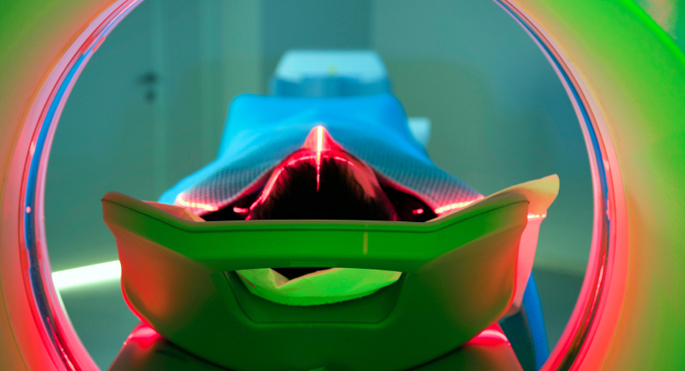
Lit up COX-2 cancer probe
A new imaging probe developed by Vanderbilt investigators enhances tumor visibility and has broad applications in diagnosing and monitoring patients with cancer. Read MoreJun 17, 2015
-

Lindquist named to receive Vanderbilt Prize in Biomedical Science
Susan Lindquist, Ph.D., a pioneer in the field of protein folding at the Whitehead Institute for Biomedical Research in Cambridge, Massachusetts, is the recipient of the 2014 Vanderbilt Prize in Biomedical Science, Vanderbilt University officials announced this week. Read MoreDec 2, 2014
-

Vanderbilt scientists discover potential new way to treat anxiety
Chemically modified inhibitors of the COX-2 enzyme relieve anxiety behaviors in mice by activating natural “endocannabinoids” without gastrointestinal side effects, Vanderbilt University scientists will report next week. Read MoreAug 5, 2013
-
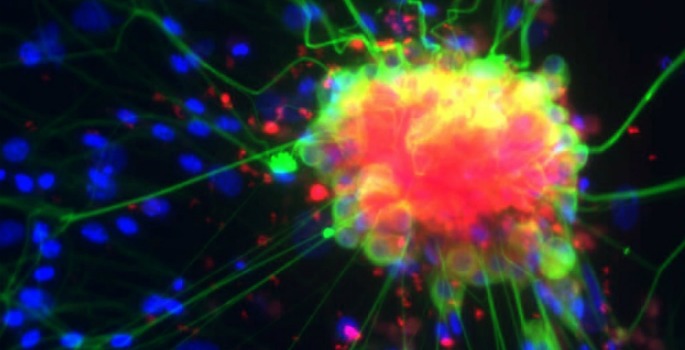
Study puts a new spin on ibuprofen’s actions
Vanderbilt University investigators have discovered surprising new insights into the actions of NSAIDs. Read MoreSep 29, 2011