Imported-post
-
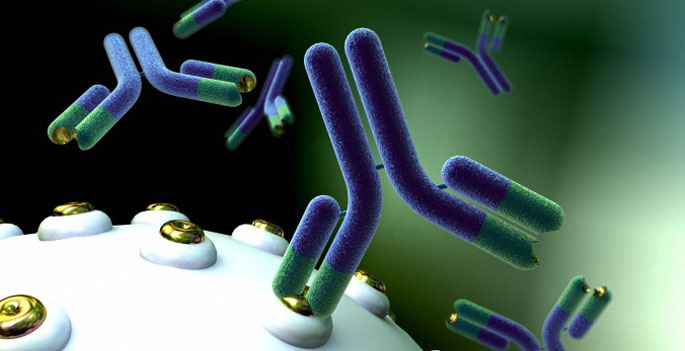
Crowe receives national award for COVID antibody research
Vanderbilt's James Crowe Jr., MD, and Michel Nussenzweig, MD, PhD, of The Rockefeller University, have been jointly awarded the 2022 Harrington Prize for Innovation in Medicine for “groundbreaking work” that enabled the use of human antibodies to treat COVID-19. Read MoreMar 31, 2022
-

Vanderbilt engineering researchers use artificial intelligence to help basketball players improve their shots
To shoot a basketball with precision requires countless hours of practice. Usually, this happens under the watchful eye of a coach, who can provide guidance on the right mechanics of each shot. Now, though, thanks to new research from Vanderbilt University, players may soon be able to use artificial intelligence technology to work on those... Read MoreMar 24, 2022
-
High blood pressure genes improve heart surgery survival in children
Vanderbilt researchers have found that children with a genetic makeup that predicts high blood pressure as adults are more likely to survive congenital heart defect repair surgery. Read MoreMar 24, 2022
-

VUSN’s new Leadership Lecture Series kicks off with renowned researcher Peter Buerhaus
Peter Buerhaus, PhD, FAAN, FAANP(h), a renowned researcher who studies the health care workforce and economy will share his expertise on the future of nursing, health equity and the relationship balance between nurses, leadership and educators. He will be the inaugural speaker in a new Leadership Lecture Series presented by the Vanderbilt University School of... Read MoreMar 21, 2022
-

School of Nursing to hold innovative informatics conference for nurse educators
Nursing educators challenged with incorporating nursing informatics into their curriculum in accordance with the new AACN Core Competencies for Professional Nursing Education can get a jump start at a three-day conference offered by Vanderbilt University School of Nursing this summer. The Vanderbilt Informatics Summer Teaching Academy (VISTA) will be July 20-22, 2022, at Vanderbilt’s park-like... Read MoreMar 21, 2022
-
Rubinov awarded $1.1M to study molecular underpinnings of human brain networks on a large scale
Mikail Rubinov, assistant professor of biomedical engineering, computer science, psychiatry and psychology, has been awarded a four-year, $1.1 million grant from the National Institute of Mental Health to better understand the development and organization of brain networks, as well as their change in development and aging. Rubinov and his collaborators will link aspects of gene expression and... Read MoreMar 17, 2022
-
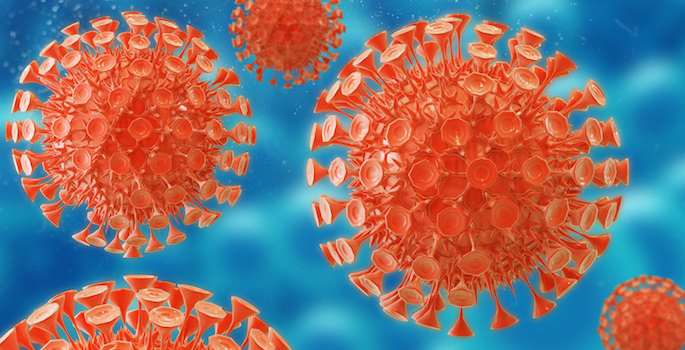
Blood test figures in cancer risk for people with HIV
A Vanderbilt study found that, among adult patients with HIV, those who have lower counts of certain types of blood cells have a markedly higher risk of developing cancer. Read MoreMar 17, 2022
-
Wikswo, VIIBRE team on track to build third-generation ‘self-driving lab’ with $1M from NSF
John Wikswo, founder and director of the Vanderbilt Institute for Integrative Biosystems Research and Education and Gordon A. Cain University Professor, is the principal investigator of a $1 million award from the National Science Foundation. The object is to build a pathbreaking “robot scientist”—a fully automated microfluidic system for parallel, independent, long-duration, machine-guided experiments. The... Read MoreMar 5, 2022
-
Wikswo, VIIBRE team on track to build third-generation ‘self-driving lab’ with $1M from NSF
John Wikswo, founder and director of the Vanderbilt Institute for Integrative Biosystems Research and Education and Gordon A. Cain University Professor, is the principal investigator of a $1 million award from the National Science Foundation. The object is to build a pathbreaking “robot scientist”—a fully automated microfluidic system for parallel, independent, long-duration, machine-guided experiments. The... Read MoreMar 5, 2022
-
International research collaboration reveals new possibilities in nanophotonics
Joshua Caldwell, Flowers Family Chancellor’s Faculty Fellow in Engineering and associate professor of mechanical engineering, and Joseph Matson, a graduate student in Caldwell’s lab, have contributed to an international study that has discovered a new type of light-matter coupling. The work has long-term implications for how optical components can be even further miniaturized, a discovery... Read MoreMar 3, 2022
-
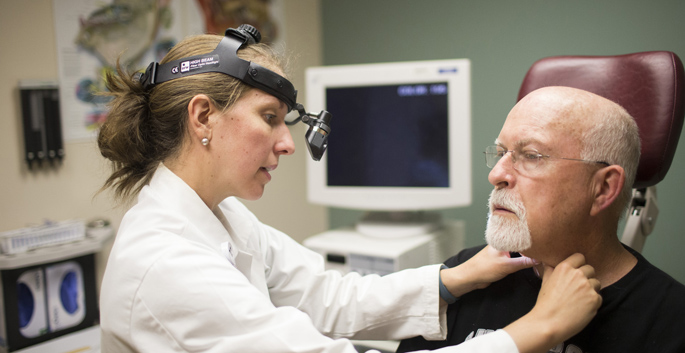
Probing cancer cell invasion
The rigidity of the extracellular matrix that surrounds cells impacts the contractile and invasive properties of head and neck cancer cells. Read MoreMar 1, 2022
-

Invasive strep can defy zinc toxicity
Vanderbilt researchers find that invasive Group B Streptococcus strains, a significant risk to pregnant patients and infants, can grow in presence of toxic zinc levels. Read MoreFeb 28, 2022
-
Researchers test and validate platform for potential PPE tracking across U.S. hospitals
A multidisciplinary team that includes a Vanderbilt computer science professor has established the foundation for an automated, up-to-date assessment of personal protective equipment across U.S. hospitals—work that got its start before the COVID-19 pandemic but took on greater urgency. Significantly, the team developed a secure, third-party system to operate independent of federal and state governments... Read MoreFeb 25, 2022
-
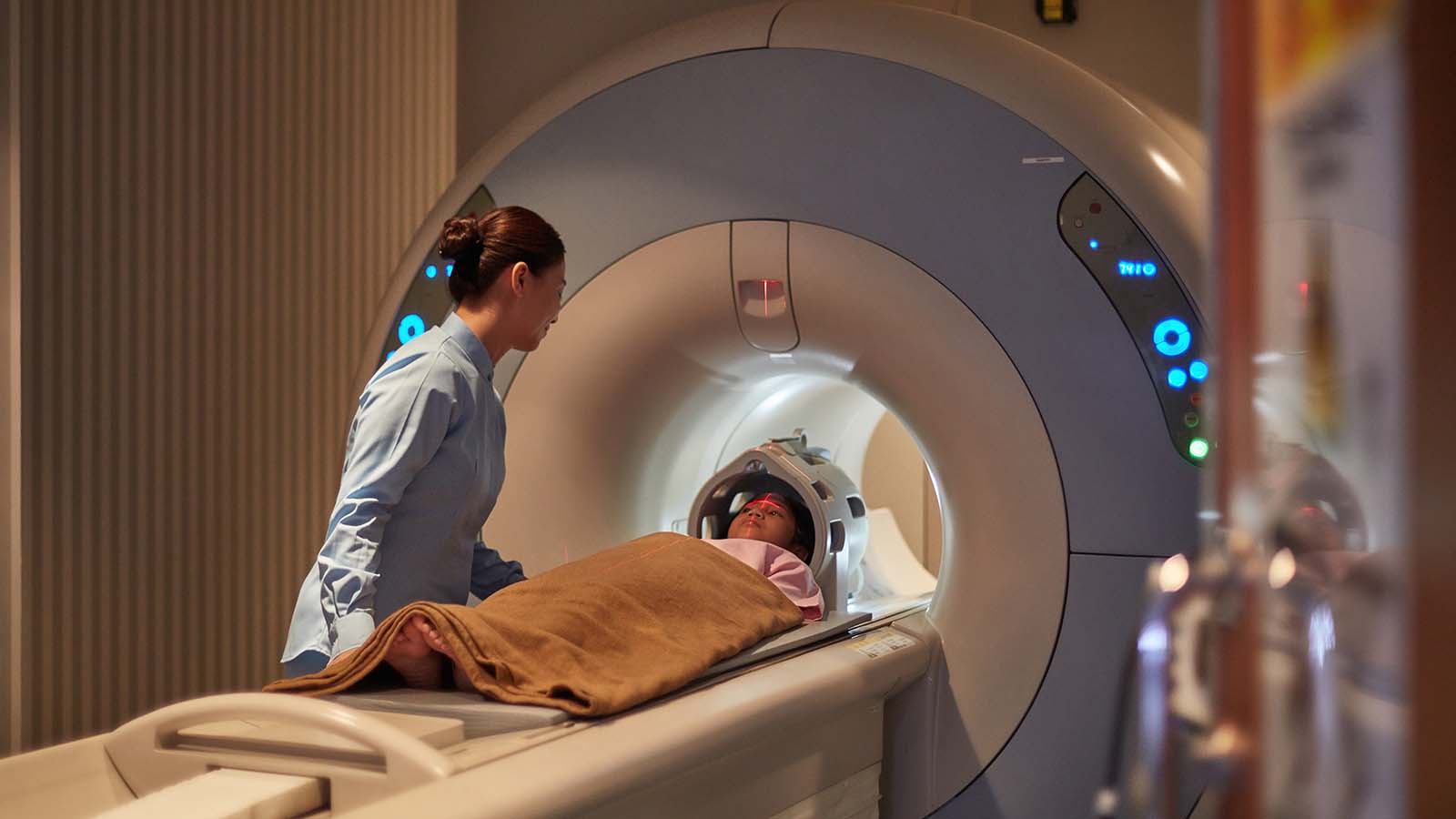
PET imaging probe for Alzheimer’s disease
Vanderbilt researchers report on a new PET imaging probe that will be useful for exploring Alzheimer’s disease pathology. Read MoreFeb 24, 2022
-
Multicenter team seeks to create at-home artificial lung system
Vanderbilt team to focus on engineering, testing the device by Matt Batcheldor Vanderbilt University Medical Center will share in an $8.7 million federal grant to create an artificial lung system that patients with incurable lung disease can use at home. The Department of Defense Congressionally Directed Medical Research Program (CDMRP) grant will fund research to create... Read MoreFeb 24, 2022
-
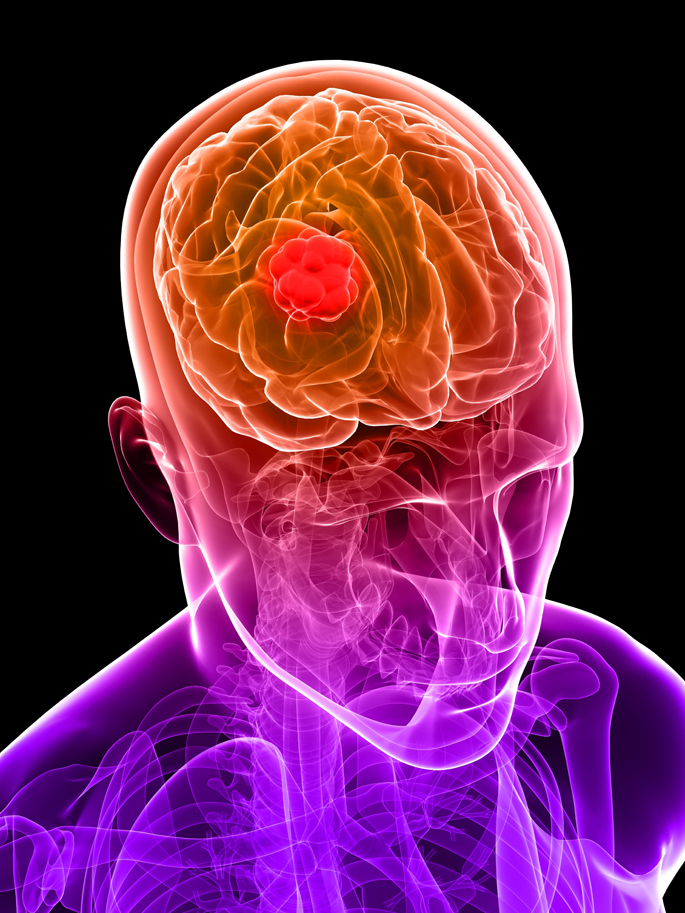
Predicting brain cancer outcome
Red blood cell distribution width has prognostic value for many diseases, but it was not associated with overall survival in patients with glioblastoma, Vanderbilt researchers found. Read MoreFeb 15, 2022
-

New insights into hypothalamic obesity
A common Type 2 diabetes treatment being tested for hypothalamic obesity had unexpected results on weight loss and total energy expenditure, Vanderbilt researchers report. Read MoreFeb 10, 2022
-
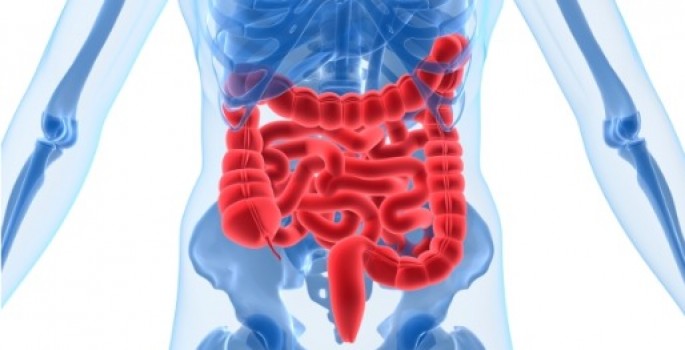
Diverticulitis surgery: guidelines needed
Surgical removal of the colon for recurrent diverticulosis varies by geographic region and is associated with surgeon and hospital factors; stronger national guidelines are needed, Vanderbilt researchers report. Read MoreFeb 10, 2022
-

Gene variants increase risk of kidney failure in Black veterans with COVID-19: study
Gene variants increased the risk of acute kidney injury and death in veterans of African ancestry who were hospitalized with COVID-19, possibly explaining some health disparities associated with COVID-19. Read MoreFeb 10, 2022
-

Vanderbilt and CDC research shows third vaccine dose key to preventing omicron hospitalization
Vanderbilt research shows that two doses of an mRNA COVID-19 vaccine result in lower effectiveness for preventing hospitalization for the omicron variant than previous variants. However, importantly, a third (“booster”) vaccine dose significantly improves protection against omicron hospitalization up to 86%. Read MoreFeb 9, 2022