Health And Medicine
-
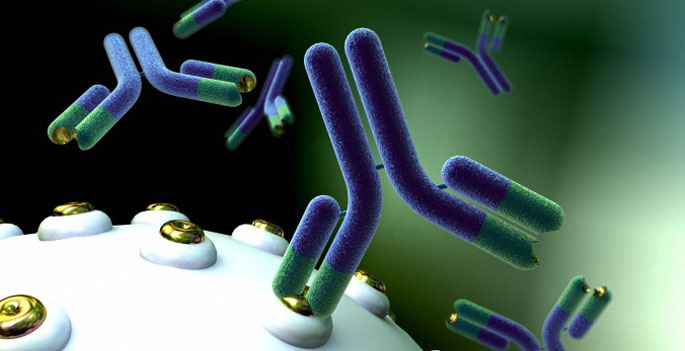
VUMC, Oxford team develops ‘blueprint’ to block lethal virus
Researchers at Vanderbilt University Medical Center and the University of Oxford have determined how a human monoclonal antibody isolated at Vanderbilt in 2021 can prevent infection by the potentially lethal Sin Nombre virus. Read MoreJun 22, 2023
-
Vanderbilt launches $17 million program to advance diversity of research faculty
Vanderbilt University Medical Center and Vanderbilt University are launching a $17 million multiyear transformative program with support from the National Institutes of Health to accelerate diversity, equity, inclusion and belonging in the biomedical research community. Read MoreJun 21, 2023
-
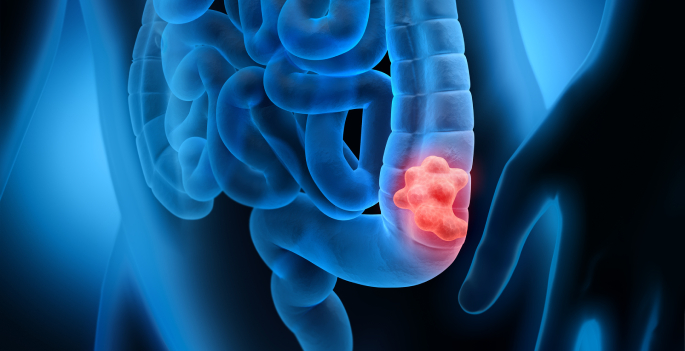
Early-onset CRC germline genetic differences identified by race, ethnicity
A Vanderbilt study that delved into genetic predisposition for early-onset colorectal cancer by race and ethnicity has identified differing germline risk variants. Read MoreJun 15, 2023
-

Enhanced treatment helps fast nicotine metabolizers quit smoking
A study from Vanderbilt researchers has found that enhanced treatment support can help smokers who have more difficulty quitting because they are fast metabolizers of nicotine. Read MoreJun 8, 2023
-
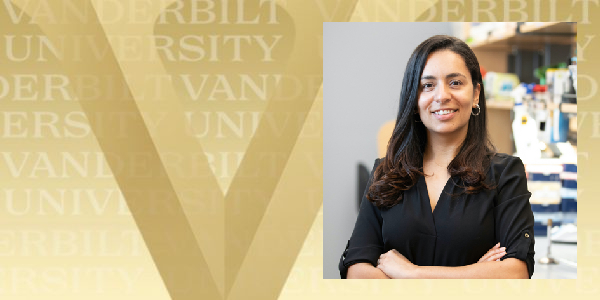
Byndloss selected for Burroughs Wellcome Fund infectious disease award
Vanderbilt's Mariana Byndloss, DVM, PhD, is one of eight Burroughs Wellcome Fund 2023 Investigators in the Pathogenesis of Infectious Disease. Read MoreJun 7, 2023
-
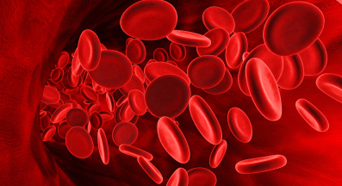
New view of mutations informs disease risk, treatment response
A transcontinental research effort led by scientists from Vanderbilt University Medical Center and the University of Michigan has upended some long-standing assumptions about mutations — how often they occur, what causes them and what they do. Read MoreMay 18, 2023
-
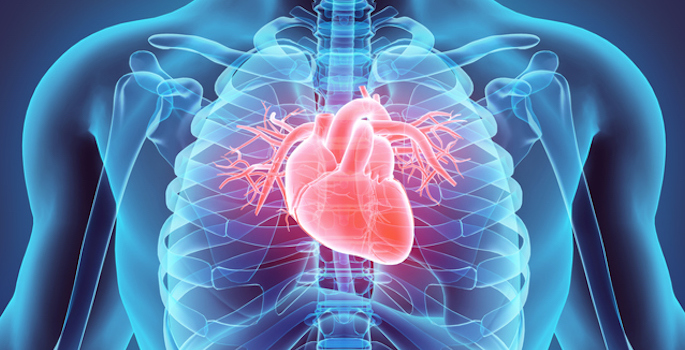
Diabetes drugs associated with fewer adverse cardiac events in older veterans: study
Vanderbilt research finds that GLP1 receptor agonists — a class of diabetes medications — are associated with fewer major adverse cardiovascular events than another type of diabetes drug (DPP4 inhibitors) in older veterans with no prior heart disease. Read MoreMay 8, 2023
-
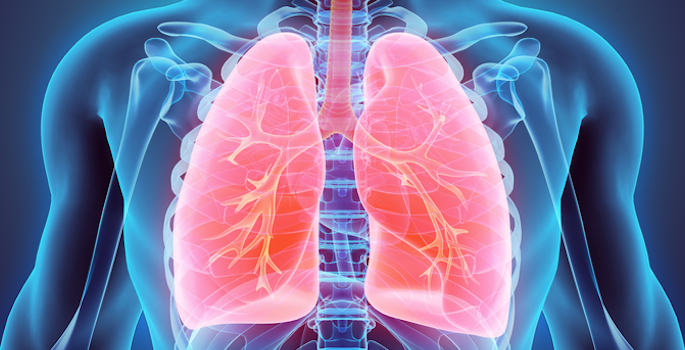
Tracking lung macrophages
A new technique will allow researchers to track subsets of immune cells that patrol and defend the lungs, to better understand the roles of these cells during lung inflammation, infection and injury. Read MoreMay 4, 2023
-

Better adenoma detection
Fluorescent nanoparticles clearly identified colonic adenomas — precursors to colorectal cancer — in mice, and the formulation should translate to clinical use in humans. Read MoreMay 4, 2023
-
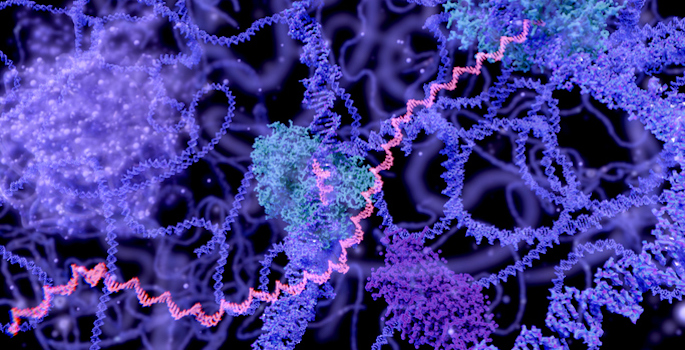
Study details RNA editing in virus-infected cancer cells
Vanderbilt researchers detail the landscape of RNA editing — a form of RNA modification — in primary effusion lymphoma cells during Kaposi’s sarcoma-associated herpesvirus infection and identify an edited viral microRNA that is critical for infection. Read MoreApr 20, 2023
-

Low-professionalism residents later draw higher patient complaints: study
A Vanderbilt study finds a strong association between lower ratings for interpersonal communication skills among medical residents in their last year of training and greater likelihood of unsolicited patient complaints among doctors during their first year of employment after training. Read MoreApr 13, 2023
-
Research identifies new target that may prevent blood cancer
An international coalition of biomedical researchers co-led by Vanderbilt's Alexander Bick, MD, PhD, has determined a new way to measure the growth rate of precancerous clones of blood stem cells that one day could help doctors lower their patients’ risk of blood cancer. Read MoreApr 12, 2023
-
VUMC-led trial shows two investigational drugs are ineffective for treating severe COVID-19
A Vanderbilt-led study evaluating two investigational drugs to treat severe COVID-19 demonstrated that neither drug was effective. Read MoreApr 11, 2023
-
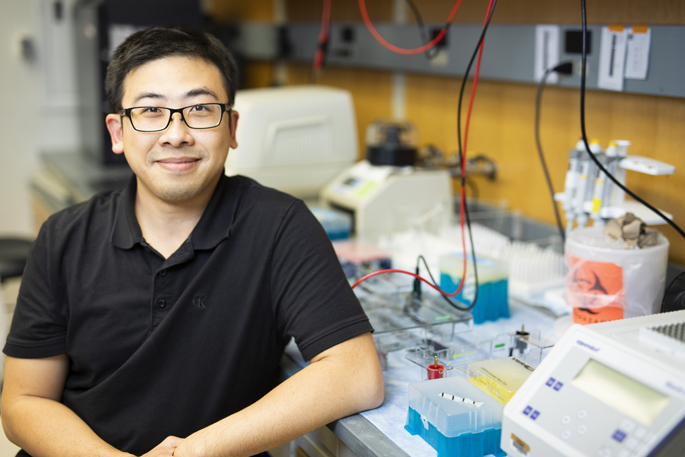
Mathers Foundation award supports study of bacterial physiology
Vanderbilt's Wenhan Zhu, PhD, has received a three-year award from the G. Harold and Leila Y. Mathers Foundation to support his research that aims to answer a fundamental question about bacterial physiology and engineer probiotics to improve gut inflammatory diseases. Read MoreMar 23, 2023
-
Scientists resurrect a ‘dead’ antibody to study protein
Vanderbilt was part of a multi-center team that resurrected a “dead antibody” to reveal the mysteries of cytochrome c, a versatile protein that is an essential part of the cell’s energy-generating capacity, and of life itself. Read MoreMar 16, 2023
-
Study evaluates polygenic risk score for prostate cancer risk prediction
A Vanderbilt study found that prostate cancer polygenic risk score has limited utility for enhancing prostate cancer screening. Read MoreMar 16, 2023
-
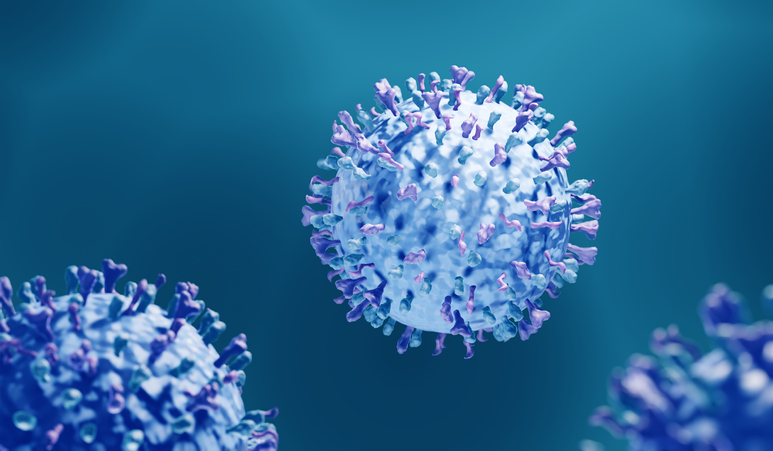
Study finds RSV may evade vaccines via rapid mutation
A Vanderbilt study concluded that RSV’s ability to mutate rapidly to escape detection by the body’s immune system makes it more challenging to design and develop vaccines that can stop it from spreading. Read MoreMar 9, 2023
-

Study finds chronically disrupted sleep may increase risk for heart disease
Vanderbilt research found that sleep irregularity — chronically disrupted sleep and highly variable sleep durations night after night — may increase the risk for atherosclerosis. Read MoreFeb 15, 2023
-
Team’s imaging strategy enhances lipedema treatment
A collaborative team at Vanderbilt is transforming the diagnosis and treatment of lipedema, a debilitating, abnormal deposition of fatty tissue that afflicts an estimated 17 million women in the United States. Read MoreFeb 9, 2023
-
Researchers clarify role of blood cell mutations in disease
Vanderbilt researchers have developed a new method to analyze mutations in blood stem cells that can trigger explosive, clonal expansions of abnormal cells. Read MoreFeb 2, 2023