Guoqiang Gu
-

New research points to cell subtypes that increase risk of diabetes
Three Vanderbilt faculty members are diving into a "chicken-and-egg" problem of type 2 diabetes: Does the disease change beta-cell subtypes? Or do changes in the cells cause diabetes? Guoqiang Gu, Emily Hodges and Ken Lau have come up with a new method of studying the subtypes that can track them through different stages instead of just once when they're fully developed. "Thanks to this and other research, it may be possible to one day create a diet supplement for pregnancy that could reduce the risk of diabetes for babies," Gu said. Read MoreAug 7, 2025
-
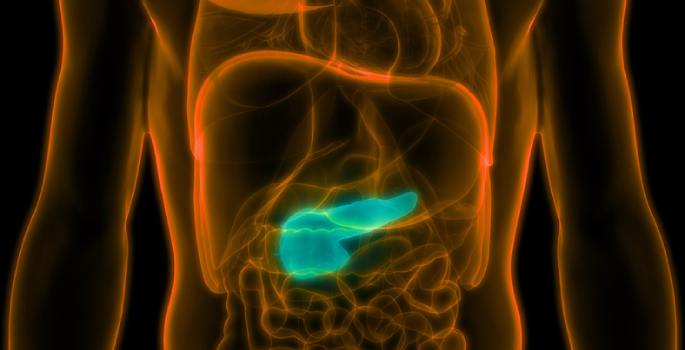
Keeping beta cells “fit”
Vanderbilt cell biologists are defining the factors that help beta cells in the pancreas stay healthy, secrete insulin and prevent diabetes initiation and progression. Read MoreJul 9, 2020
-

New role for microtubules in diabetes
Microtubules, part of the cell's cytoskeleton, regulate the secretion of insulin, suggesting that they may be a new target for treating diabetes. Read MoreJul 29, 2019
-
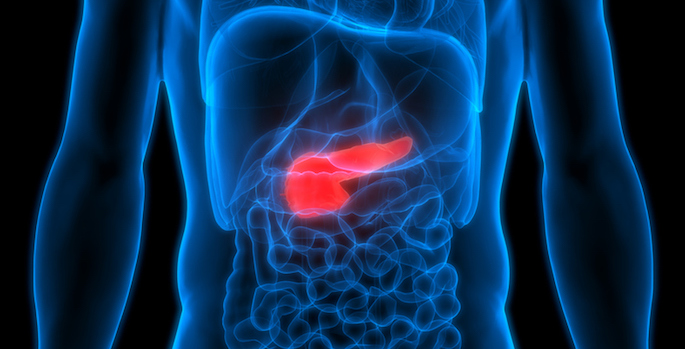
Building a pancreas
Ken Lau and Guoqiang Gu have identified a critical biomarker in determining how a pancreatic progenitor cell will develop. Read MoreJan 17, 2019
-

Microtubules act as cellular ‘rheostat’ to control insulin secretion
Microtubules — cellular “highways” that deliver cargo to the cell membrane for secretion — have a surprising role in pancreatic beta cells. Instead of facilitating glucose-stimulated insulin secretion, they limit it, a team of Vanderbilt investigators reported recently in Developmental Cell. Read MoreDec 3, 2015